EN

How Does an Auto Duct Production Line Work? From Coil Feeding to Finished Duct

Table of Content [Hide]

    As the HVAC industry continues to automate, manufacturers are seeking faster and more efficient ways to produce rectangular air ducts. An auto duct production line integrates multiple fabrication processes into one continuous workflow, reducing manual labor while improving production speed and product consistency.

    Compared with traditional manufacturing methods, a modern ductwork fabrication machine combines coil feeding, leveling, grooving, notching, cutting, and other operations with CNC control. Whether you are upgrading an existing workshop or building a new factory, understanding how an auto duct production line works helps you choose the right duct manufacturing equipment for your business.

    This guide explains the complete production process from raw steel coils to finished duct sections.


    What Is an Auto Duct Production Line?

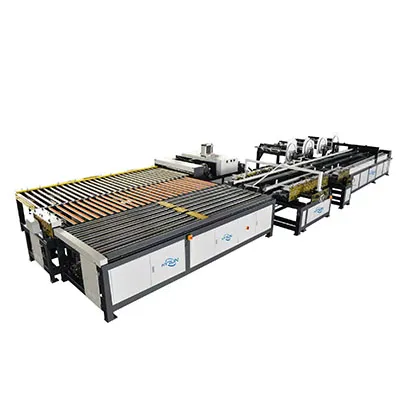
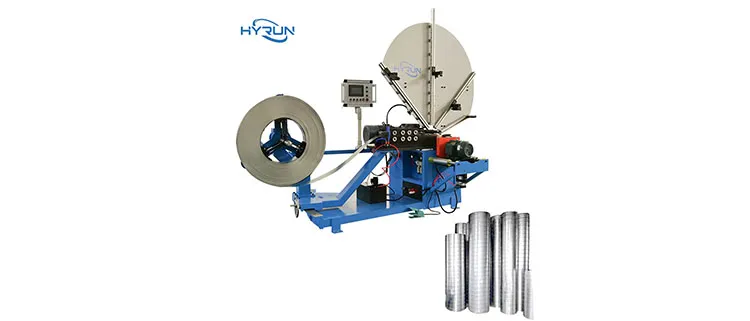
    An auto duct production line is an automated manufacturing system designed to produce rectangular HVAC ducts from metal coils. It combines several fabrication processes into one integrated workflow, improving production efficiency while reducing manual handling.

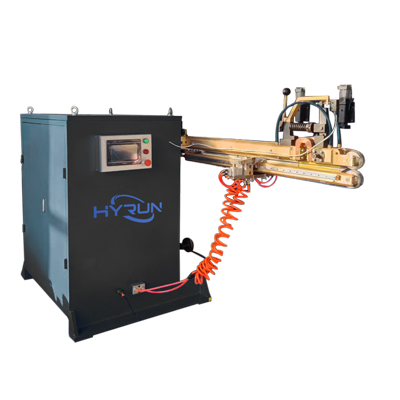
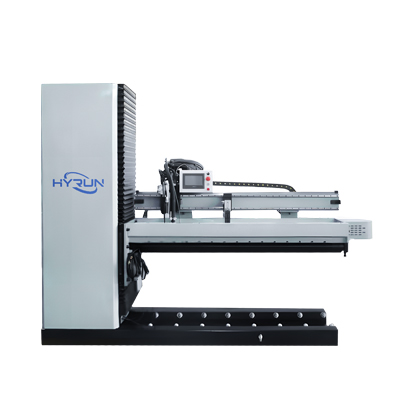
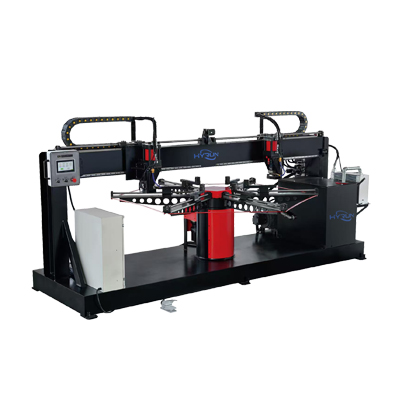
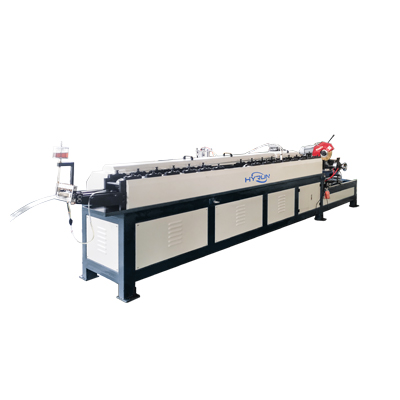
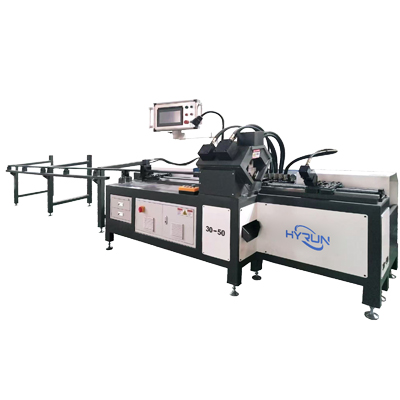
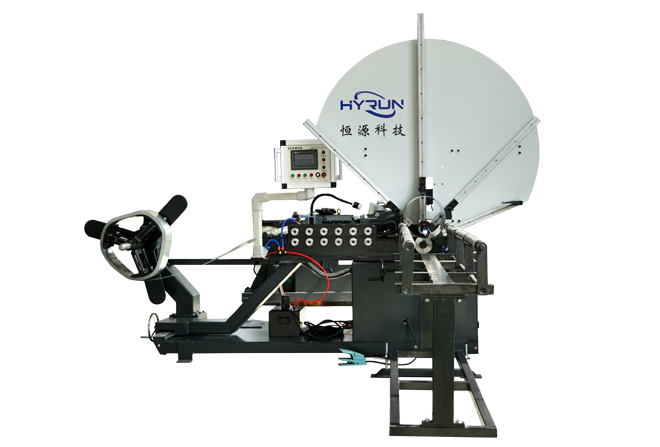
    Unlike standalone machines, an auto duct production line connects feeding, leveling, grooving, punching, notching, and cutting into a continuous production process. Depending on factory requirements, it can also be integrated with a CNC duct fabrication machine, flange forming equipment, and automatic folding machines.

    Modern duct manufacturing equipment is widely used by HVAC contractors, duct manufacturers, and ventilation system suppliers because it delivers consistent product quality and supports large-scale production.


    Coil Feeding, Leveling, and Grooving in an Auto Duct Production Line

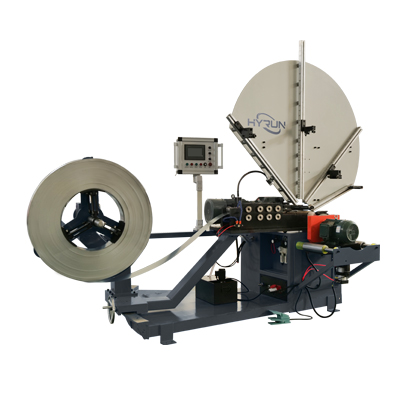
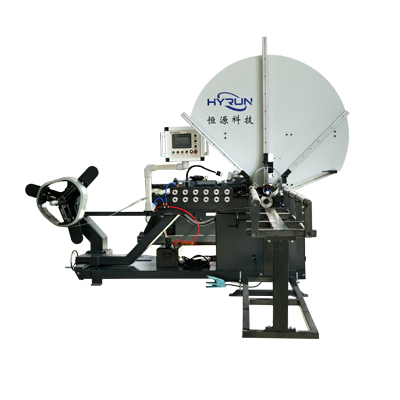
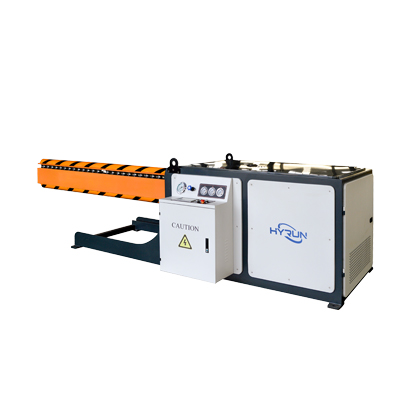
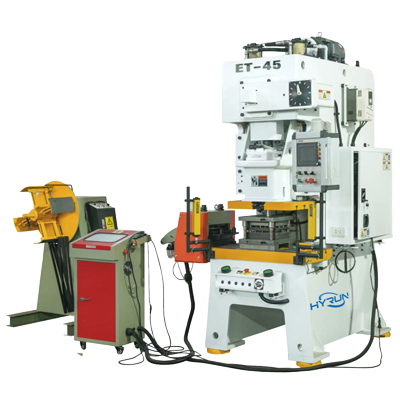
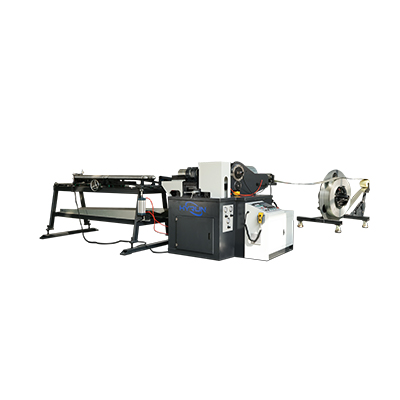
    The production process begins with coil feeding. Galvanized steel coils are automatically loaded into the auto duct production line, where servo-controlled feeding systems ensure stable material movement.

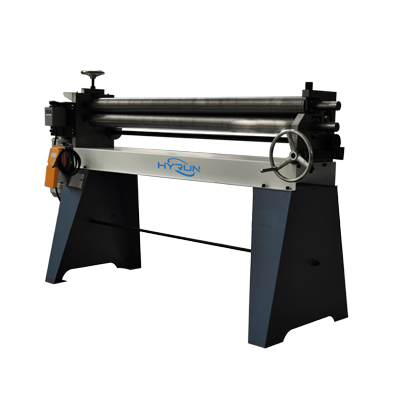
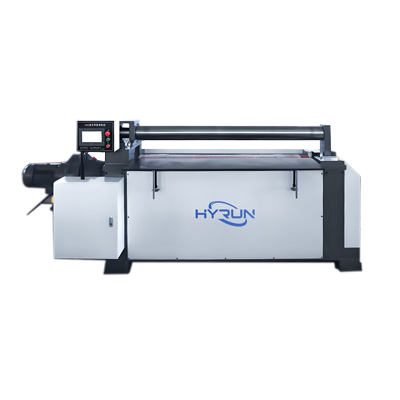
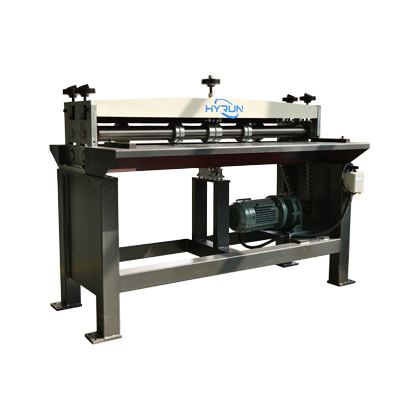
    After feeding, the sheet passes through leveling rollers that remove internal stress and improve flatness. Proper leveling helps maintain dimensional accuracy during later fabrication steps.

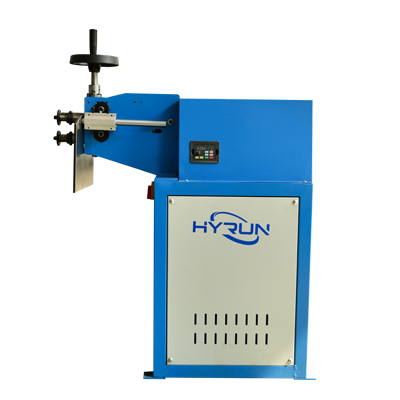
    Next, grooving or beading is performed to strengthen the duct panel. Reinforcement grooves increase rigidity without significantly increasing material consumption, helping finished ducts maintain structural stability during transportation and installation.

    This automated process reduces material waste while ensuring each sheet enters the next production stage with consistent quality.


    Notching and Automatic Sheet Cutting

    Once the sheet has been leveled and reinforced, the auto duct production line performs automatic notching and cutting according to programmed dimensions.

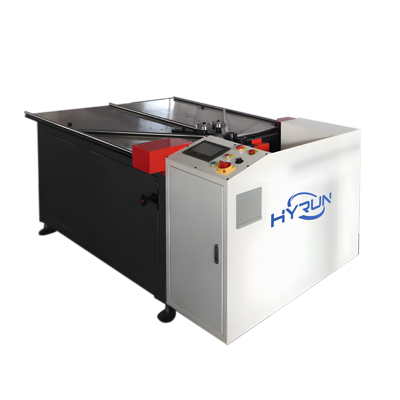
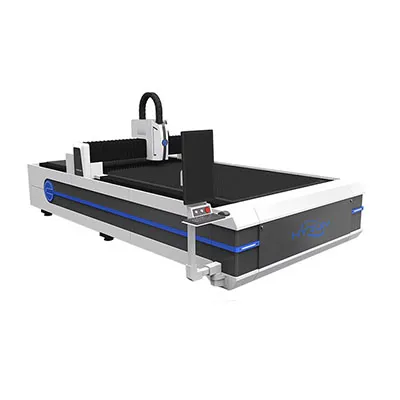
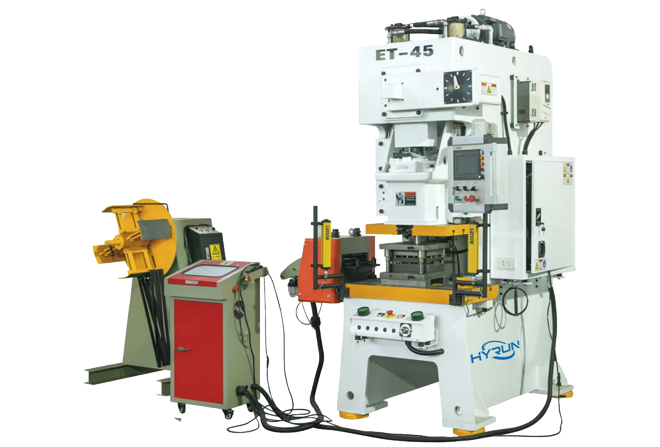
    A CNC duct fabrication machine precisely controls cutting length and notch position based on production drawings. Automated programming minimizes human error while allowing fast changeovers between different duct sizes.

    Production StageMain FunctionEquipment
    Coil FeedingSupplies sheet materialCoil feeder
    Leveling & GroovingFlattens and reinforces sheetLeveling & beading unit
    NotchingCreates connection cornersCNC notching system
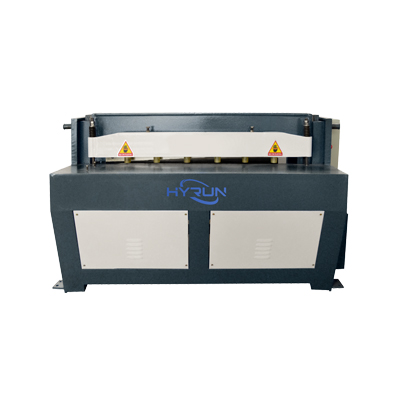
    Sheet CuttingCuts panels to required lengthAutomatic shear

    Accurate cutting improves assembly efficiency and reduces downstream adjustments, making automated production significantly more reliable than manual fabrication.


    Folding, Locking, and Flange Forming

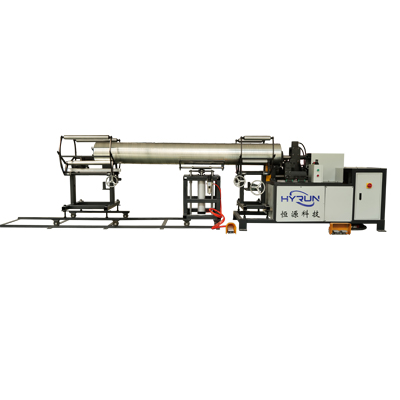
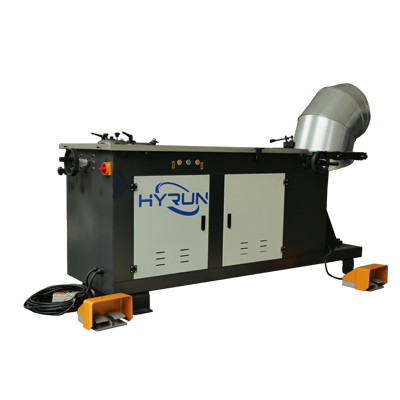
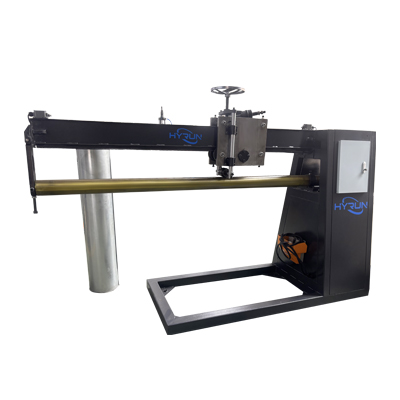
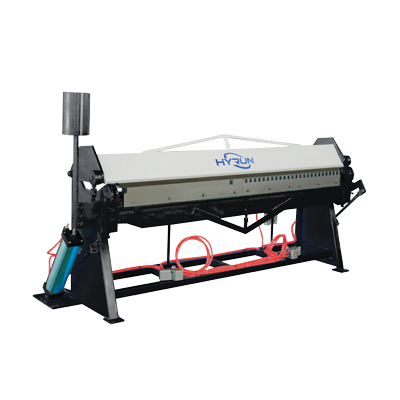
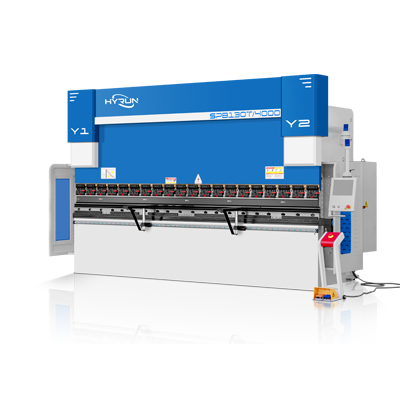
    After cutting, duct panels move to downstream forming equipment. Folding machines bend the sheet into the required duct shape, while locking machines create secure seam connections between panels.

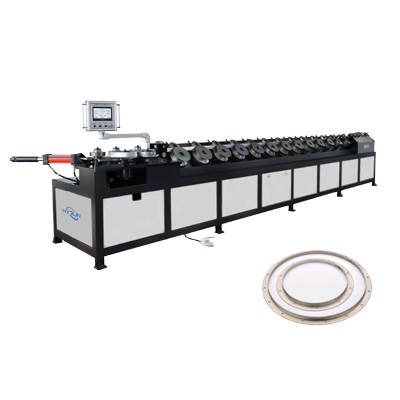
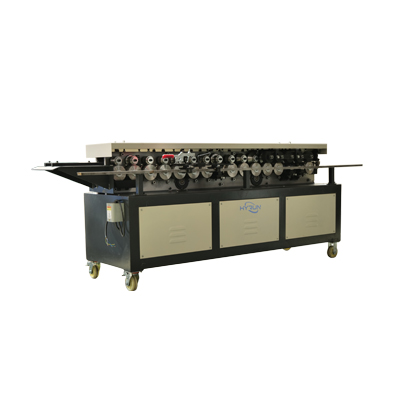
    Depending on production requirements, flange forming equipment may also be integrated into the auto duct production line. Flanges provide secure connections between duct sections and improve installation efficiency on HVAC projects.

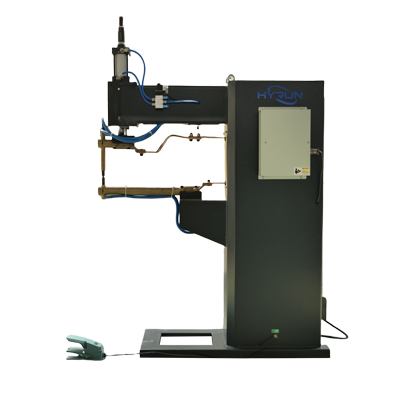
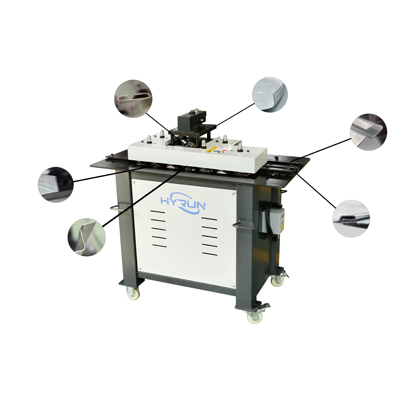
    Different manufacturers may configure additional duct fabrication machine modules according to product specifications, allowing flexible production of various duct sizes and connection types.

    By combining automated forming with precise dimensional control, manufacturers can improve product consistency while reducing labor-intensive assembly work.


    Quality-Control Checkpoints Throughout the Auto Duct Production Line

    Maintaining product quality is just as important as increasing production speed. A well-designed auto duct production line includes quality-control checkpoints throughout the manufacturing process to ensure every duct meets required specifications.

    Important inspection items include:

    • Material accuracy: Verify sheet thickness and coil quality before production.

    • Dimensional consistency: Check cutting length, notch position, and folding accuracy.

    • Surface quality: Inspect for scratches, deformation, or coating damage.

    • Finished duct inspection: Confirm flange dimensions, seam quality, and overall appearance.

    Routine inspections help reduce material waste, minimize production errors, and ensure reliable product quality before shipment.


    How to Configure a Complete Auto Duct Production Line

    Choosing the right auto duct production line depends on production capacity, factory layout, and product requirements. A complete production solution often includes several machines working together to maximize efficiency.

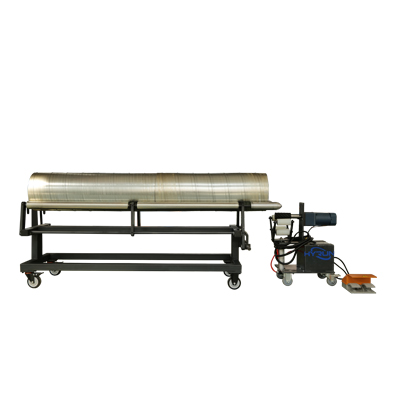
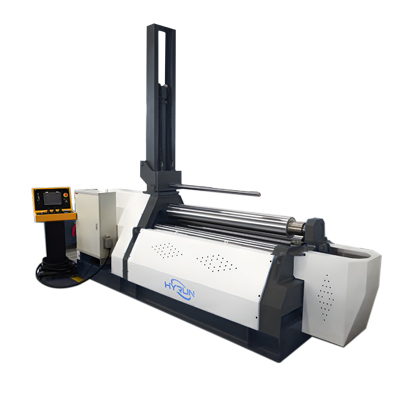
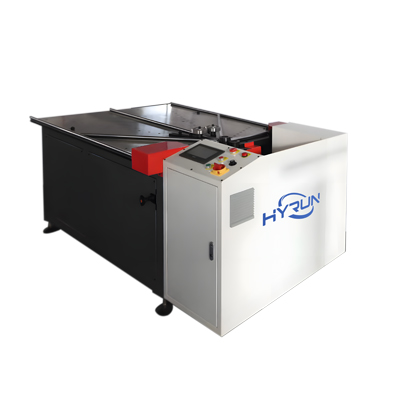
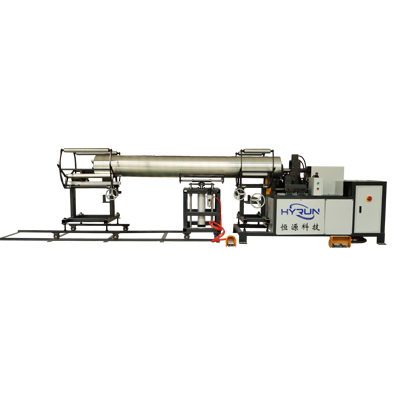
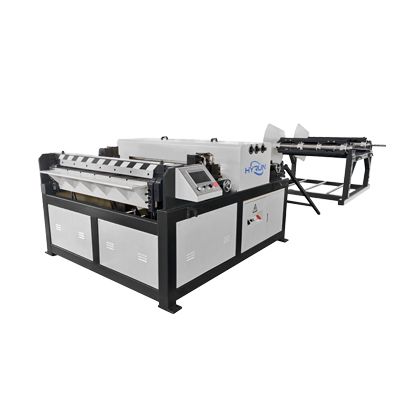
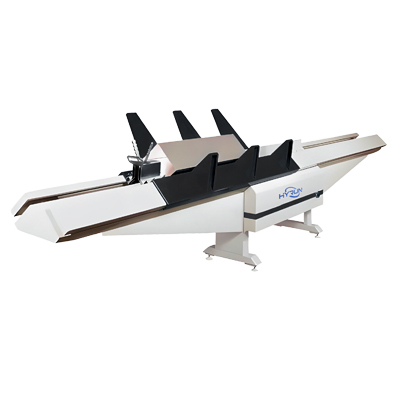
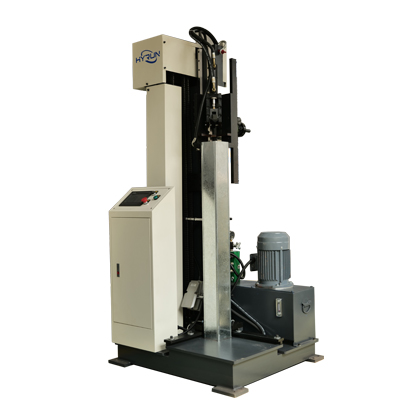
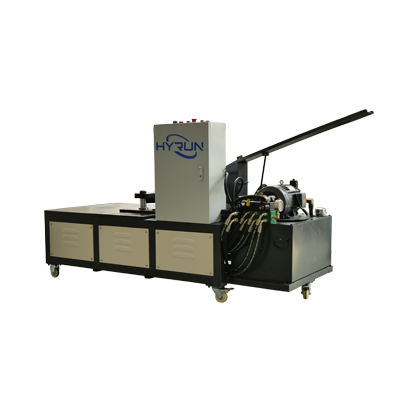
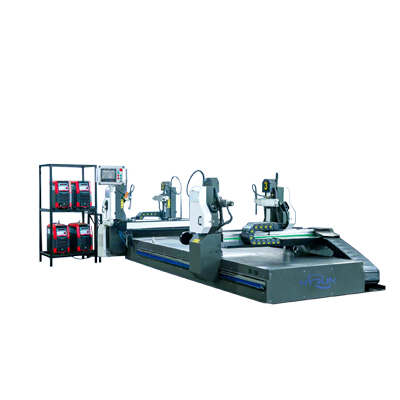
    Typical production systems may include automatic coil feeding equipment, leveling and grooving units, CNC cutting systems, folding machines, flange forming equipment, lock-forming machines, and material handling systems. The exact configuration depends on duct dimensions, daily production targets, and the level of automation required.

    HYRUN Technology provides complete duct manufacturing equipment solutions for HVAC manufacturers, offering customized production lines that improve efficiency, reduce labor costs, and support long-term business growth.


    FAQ About Auto Duct Production Line

    How does an auto duct production line improve production efficiency?

    By combining multiple operations into one continuous workflow, an auto duct production line reduces manual labor, shortens production time, and improves dimensional consistency.

    What materials can an auto duct production line process?

    Most systems process galvanized steel, stainless steel, and other sheet metals commonly used in HVAC duct manufacturing.

    What is the difference between a ductwork fabrication machine and a CNC duct fabrication machine?

    A ductwork fabrication machine is a general term for equipment used to manufacture air ducts, while a CNC duct fabrication machine uses computerized controls to automate cutting, notching, and positioning with higher precision.

    What equipment is included in a complete duct production line?

    A complete production line typically includes coil feeders, leveling units, beading machines, cutting systems, folding machines, flange forming equipment, and other duct fabrication machine modules depending on production needs.

    How do I choose the right duct manufacturing equipment?

    Consider your production capacity, material specifications, factory space, automation level, and future expansion plans when selecting duct manufacturing equipment. A customized solution can provide higher efficiency and better long-term return on investment.

    References
    We use cookies to offer you a better browsing experience, analyze site traffic and personalize content. Part of the tracking is necessary to ensure SEO effectiveness,
    By using this site, you agree to our use of cookies. Visit our cookie policy to learn more.
    Reject Accept