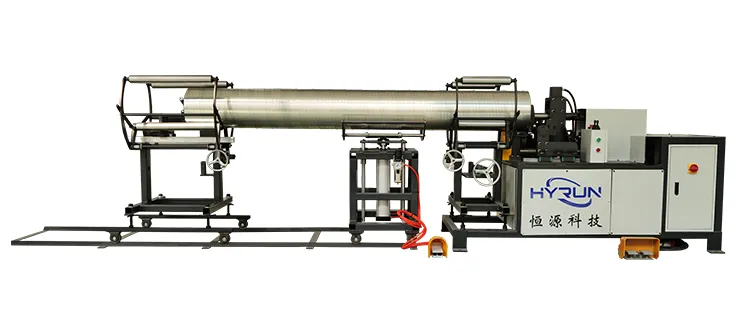
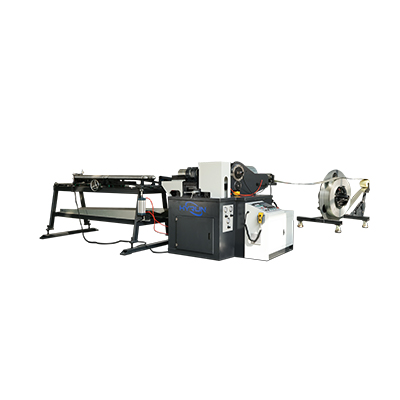
A text-focused industry article for HVAC duct manufacturers evaluating how operator training, setup discipline, maintenance habits, and supplier support influence the real return on duct fabrication machinery investment.
A duct machine does not create value only because it has strong specifications. It creates value when operators can set it up correctly, run it consistently, identify small problems early, and maintain stable production. Training turns machine capability into workshop performance, helping manufacturers reduce scrap, avoid downtime, improve quality, and shorten the payback period of equipment investment.
INDUSTRY CONTEXT
When duct manufacturers compare equipment, the discussion often starts with machine parameters: diameter range, sheet thickness, speed, power, automation level, and price. These numbers are important, but they do not guarantee daily production results.
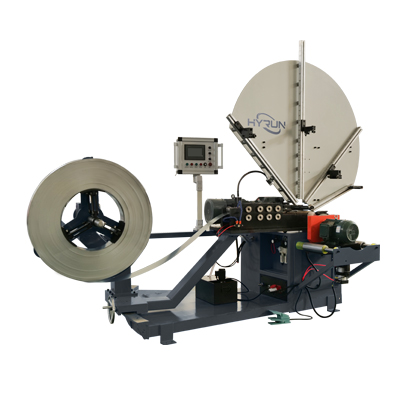
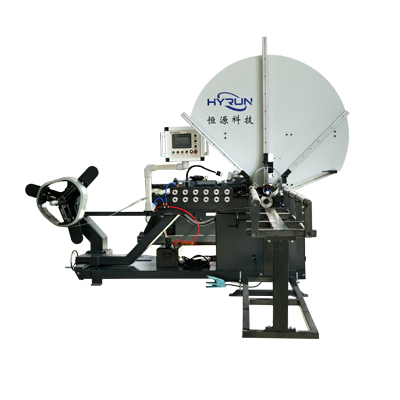
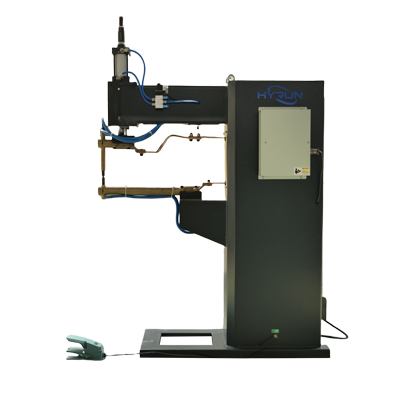
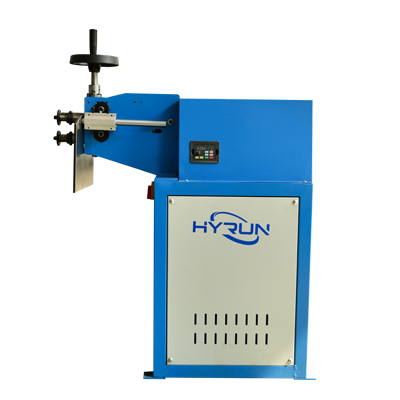
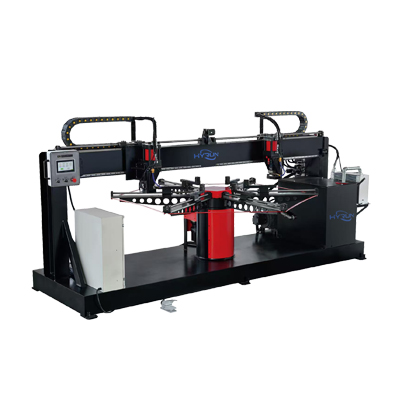
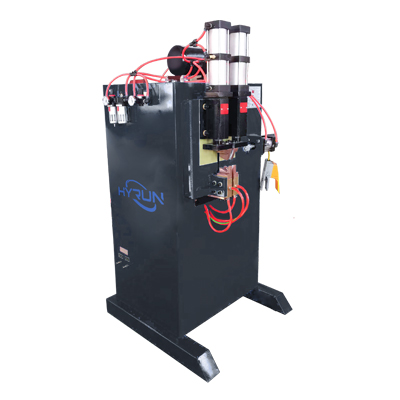
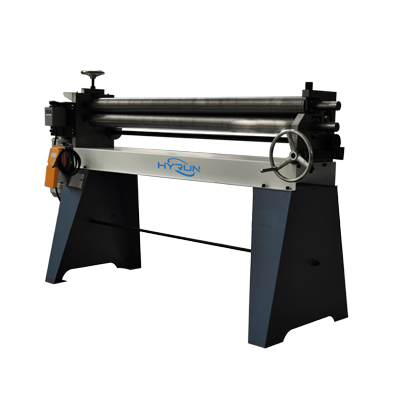
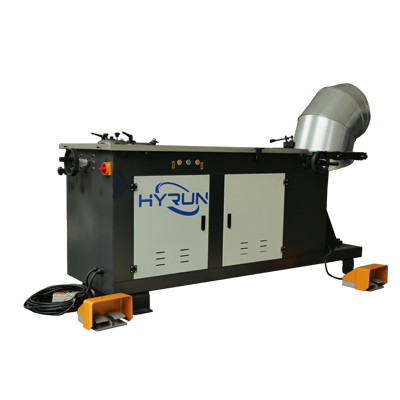
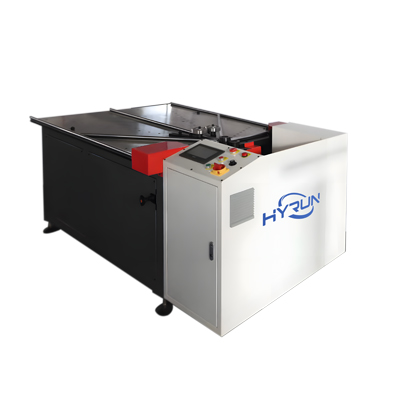
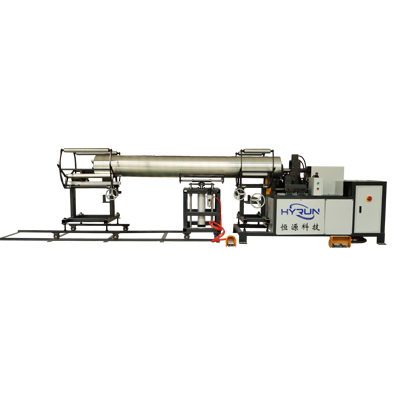
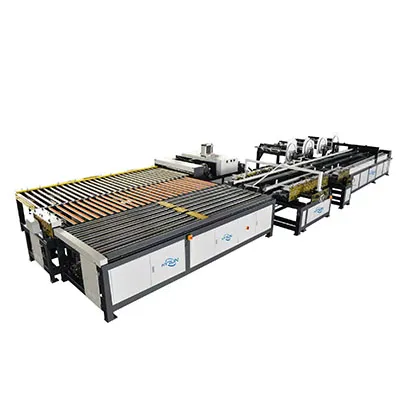
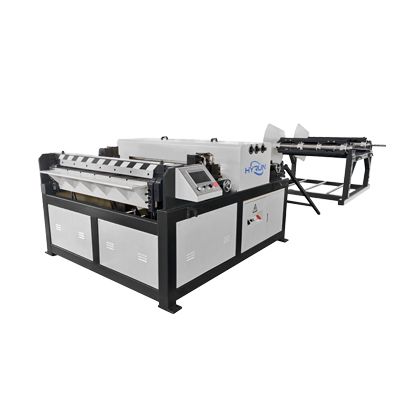
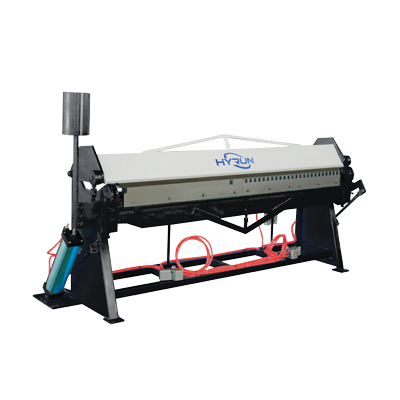
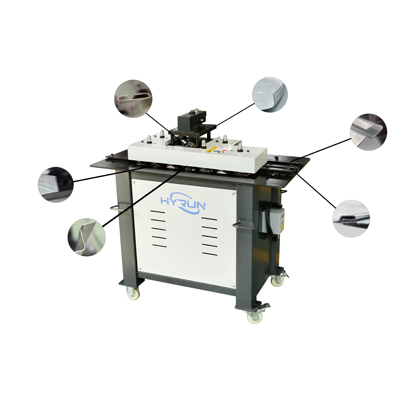
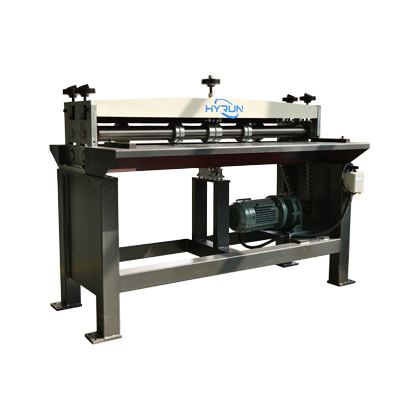
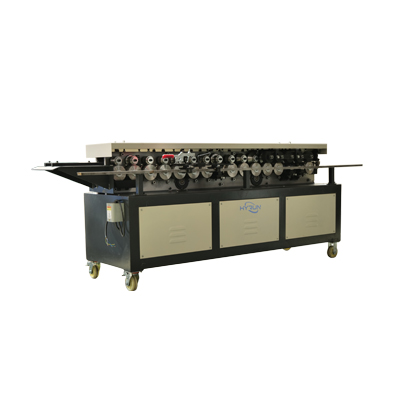
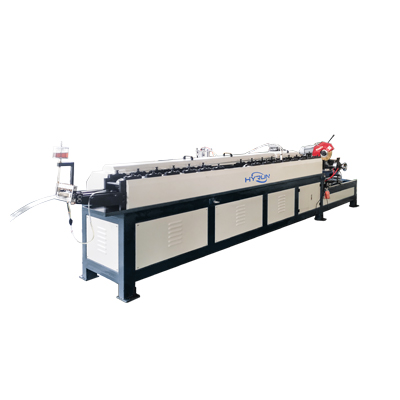
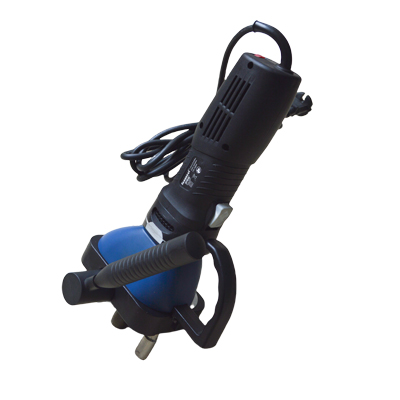
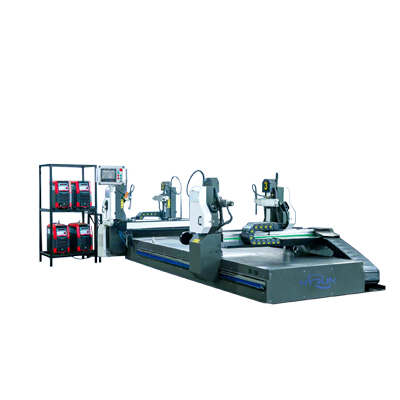
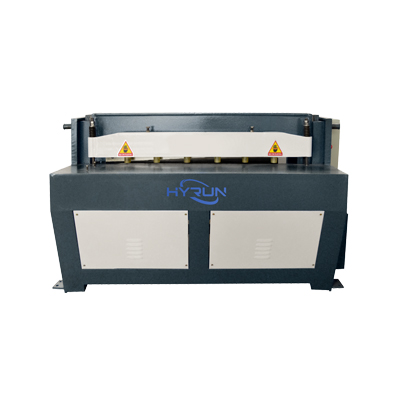
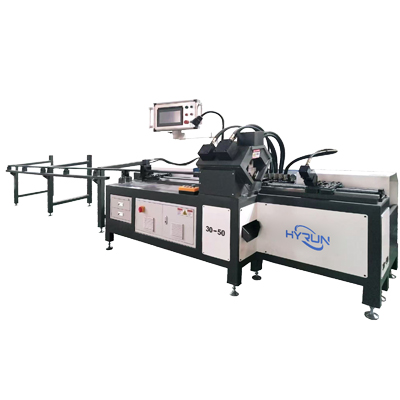
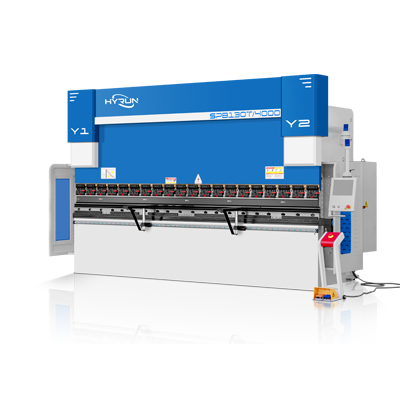
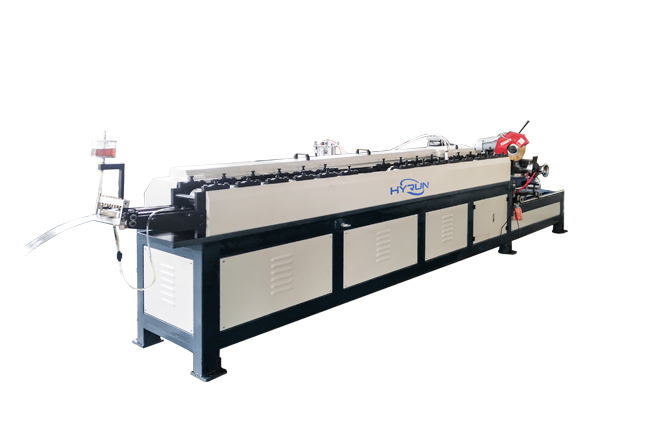
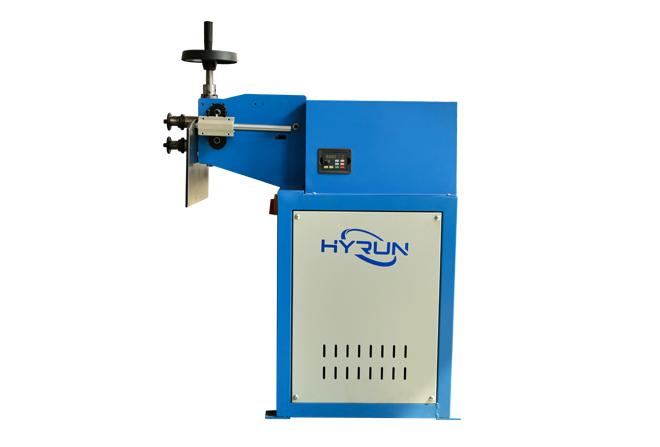
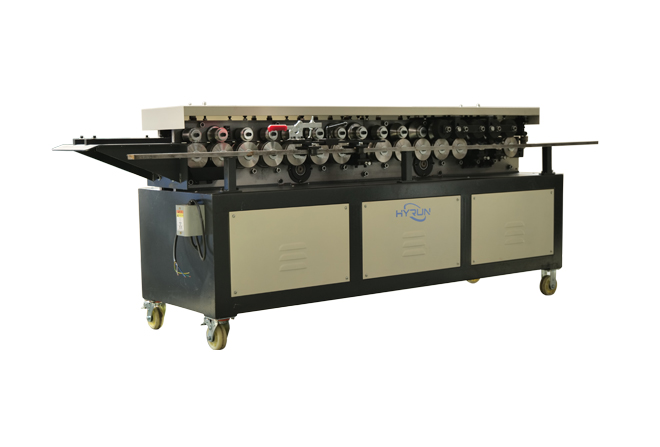
A spiral duct machine, flanging machine, elbow machine, welding machine, beading machine, or auto duct line can only perform well when the operator understands setup, adjustment, material behavior, tooling, inspection, and basic maintenance. Without training, even a good machine may produce unstable quality or require frequent correction.
This is why operator training matters for return on investment. The same machine can produce very different results in two factories depending on how well people understand and manage it.
For growing HVAC duct workshops, training is not just about teaching buttons. It is about building a repeatable production method.
SETUP ACCURACY
Many production problems begin during setup. Roller position, forming pressure, cutting length, flange profile, welding parameter, tooling selection, material feeding, and first-piece confirmation all influence final quality. If these steps are not controlled, the factory may waste material before the order even reaches stable production.
A trained operator knows how to prepare the machine before batch production starts. They check material thickness, confirm tooling, adjust guides, run trial pieces, inspect dimensions, and correct small deviations early. This reduces scrap and prevents a whole batch from being produced incorrectly.
Setup accuracy is especially important in workshops with mixed orders. Frequent size changes, material changes, and custom profiles increase the risk of mistakes. Training helps operators move through changeover with more confidence and less trial-and-error.
In this way, training directly supports material utilization and delivery reliability.
QUALITY CONTROL
Quality control is often discussed as a separate inspection function, but in duct fabrication the operator is usually the first person who can detect a problem. A seam that looks uneven, a flange that feels weak, a weld that is inconsistent, or a formed profile that drifts out of shape should be noticed before the batch continues.
Training gives operators the language and habit to identify these signs. They learn what acceptable output looks like, what needs adjustment, and when to stop production for supervisor review. This is much better than discovering the issue after packing or after delivery to the project site.
For HVAC ductwork, small quality problems can become installation problems. Dimensional errors, weak joints, poor forming, and inconsistent profiles may require site correction. A trained operator helps prevent these problems from leaving the factory.
The result is not only better product quality, but also stronger customer trust.
DOWNTIME
Downtime is expensive because it interrupts production, delays delivery, and creates pressure on the rest of the workshop. Some downtime comes from serious mechanical or electrical failure, but many delays begin with small issues that could have been prevented through routine care.
Operators should understand daily cleaning, lubrication points, air supply checks, hydraulic oil condition, roller inspection, blade condition, sensor cleanliness, and safe shutdown procedures according to machine type. These habits help keep the machine stable and make maintenance problems easier to diagnose.
Training does not replace professional service support, but it improves communication with technicians. A trained operator can describe symptoms clearly, provide photos or videos, and follow remote troubleshooting instructions more accurately.
This reduces response time and helps the factory return to production faster.
SAFETY
Duct machinery involves moving rollers, cutting units, hydraulic pressure, electrical systems, welding equipment, sheet metal edges, and material handling. Safety training is therefore not separate from productivity. An unsafe workshop eventually becomes an unstable workshop.
Operators should understand guarding, emergency stops, safe feeding methods, lockout awareness, hand position, sheet handling, and correct use of foot switches or control panels. They should also know which adjustments are allowed during operation and which require the machine to stop.
Good safety habits reduce injury risk and also reduce machine damage. Many equipment problems happen when operators force material, bypass procedures, or try to correct issues while the machine is running.
Professional training helps build a culture where speed does not come at the expense of control.
ROI IMPACT
The payback period of duct machinery depends on how quickly the factory can turn equipment into useful output. If operators need months of trial-and-error, the machine may sit below its real capacity. If training is strong, the factory reaches stable production sooner.
Training improves ROI in several ways: less scrap, faster changeover, fewer rejected parts, lower downtime, safer operation, and better quality consistency. These improvements may not appear as a single dramatic number, but together they influence daily profitability.
For overseas machinery buyers, training is even more important because installation, language, spare parts, and remote support must work across distance. Clear training materials, commissioning guidance, and after-sales communication help reduce uncertainty.
A buyer should therefore evaluate not only machine price, but also the supplier's ability to help operators use the machine correctly.
BUYER CHECKLIST
A practical training plan should match the machine type and the factory's production reality. The goal is not to turn every operator into an engineer. The goal is to make daily operation repeatable, safe, and easier to improve.
Training should cover both normal production and common problem handling. Operators should know what to do when output changes, material thickness changes, tooling changes, or the machine behaves differently from normal.
Confirm machine startup, shutdown, and emergency stop procedures.
Train operators on setup, tooling, material feeding, and first-piece inspection.
Create quality checkpoints for seams, flanges, welds, ribs, dimensions, and cut length.
Teach basic daily maintenance and cleaning habits.
Prepare simple troubleshooting records with photos, videos, and machine settings.
Keep spare parts, manuals, and supplier contact channels easy to access.
HYRUN NOTE
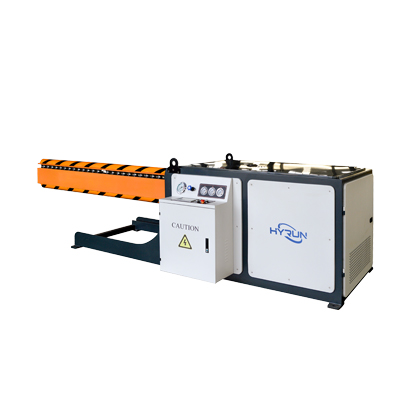
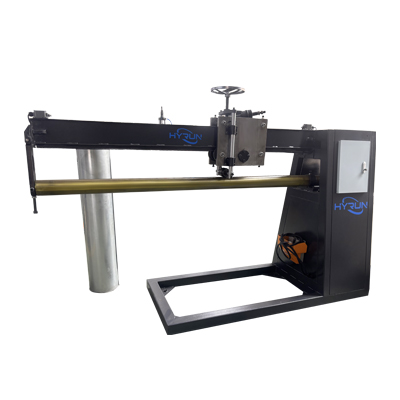
HYRUN can position operator training as a practical part of its duct machinery value. Customers are not only buying a spiral duct machine, flanging machine, elbow machine, welding machine, beading machine, or duct line. They are buying the ability to run that equipment reliably in their own workshop.
By providing installation guidance, operator training, setup explanation, maintenance advice, spare parts support, and remote troubleshooting, HYRUN can help customers move faster from machine arrival to stable production.
This message is especially useful for international buyers. A professional supplier should reduce uncertainty after purchase, not simply ship the machine. Training and service support help customers protect their investment and build confidence in long-term cooperation.
For marketing, this topic shows that HYRUN understands the human side of automation: machines improve production, but trained people make the improvement real.
CONCLUSION
HVAC duct machinery ROI is not created by equipment specifications alone. It depends on how well people set up, operate, inspect, maintain, and improve the production process.
Operator training helps manufacturers reduce waste, avoid downtime, protect quality, improve safety, and shorten the time needed to reach stable production. For duct factories planning new equipment, training should be included in the investment plan from the beginning.
OSHA, Machine Guarding: https://www.osha.gov/machine-guarding
SMACNA HVAC Duct Construction Standards overview: https://www.smacna.org/store/product/hvac-duct-construction-standards-metal-and-flexible-third-edition-50
U.S. Department of Energy, Minimizing Energy Losses in Ducts: https://www.energy.gov/energysaver/minimizing-energy-losses-ducts
HYRUN website: https://www.hyruntech.com/
HYRUN Industry Article | www.hyruntech.com | info@hyruntech.com