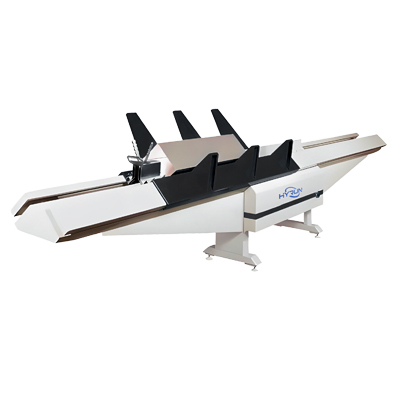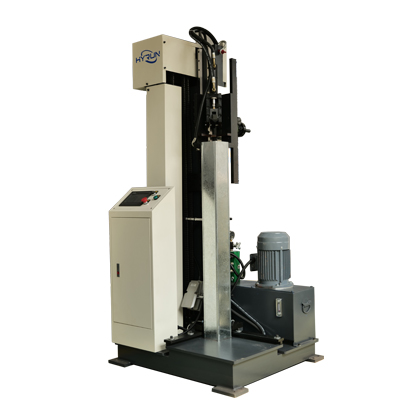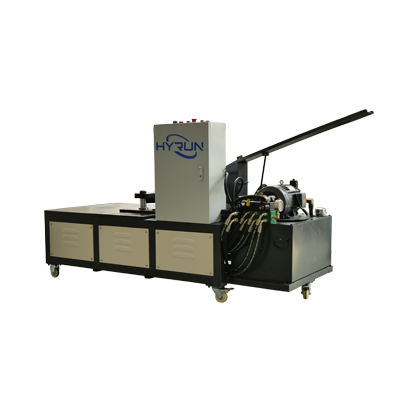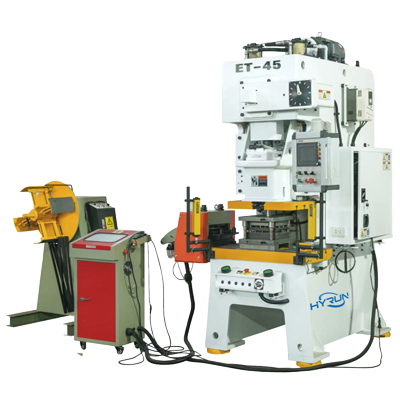
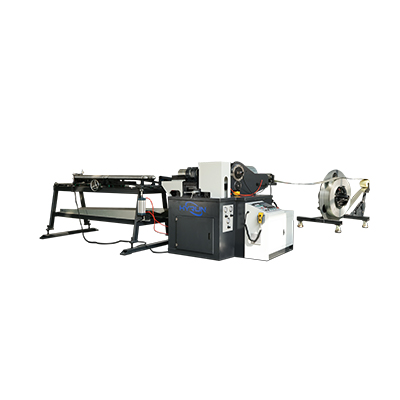
Efficient duct fabrication depends not only on cutting and folding accuracy but also on reliable seam formation. A lock forming machine is one of the most important pieces of equipment in HVAC sheet metal production, creating strong and consistent lock profiles that ensure airtight and durable duct connections.
Whether you are expanding your workshop or investing in a complete production line, selecting the right lock forming machine directly affects productivity, product quality, and operating costs. This guide explains how a lock form machine works, the common lock profiles used in HVAC manufacturing, key specifications to evaluate, and what to consider before purchasing a lock forming machine for sale.
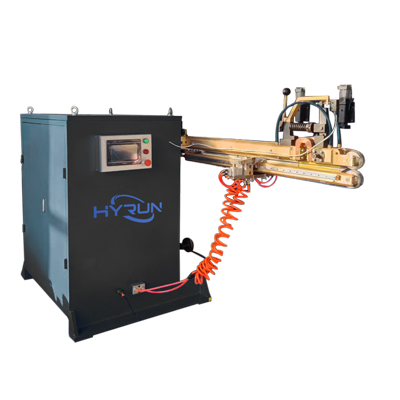
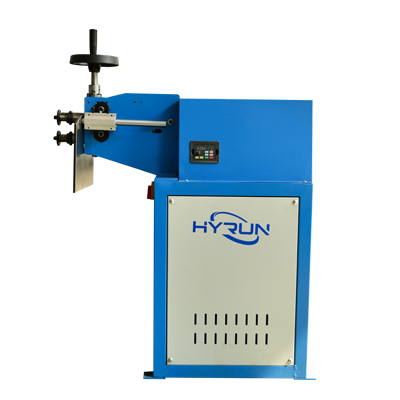
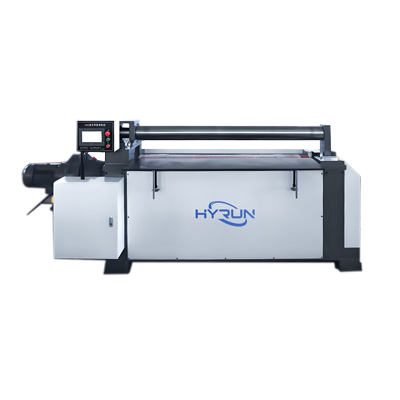
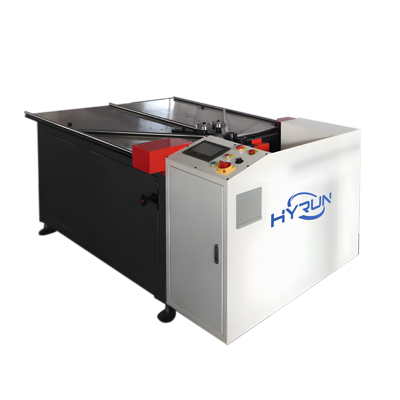
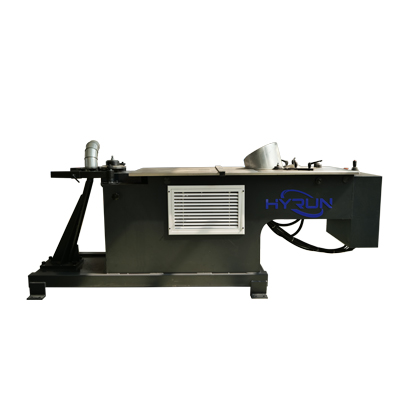
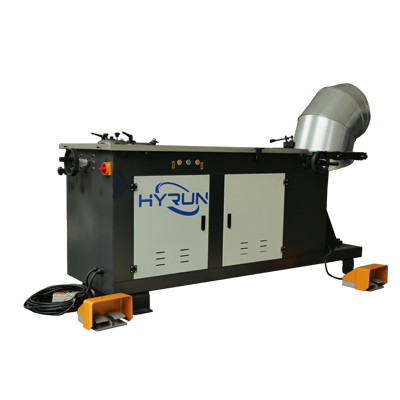
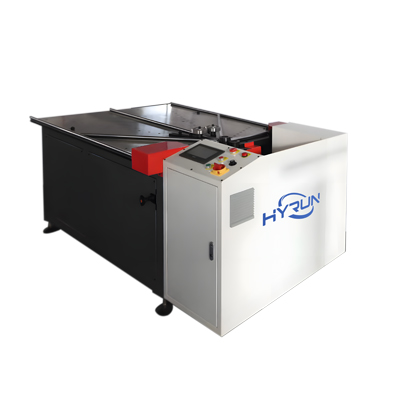
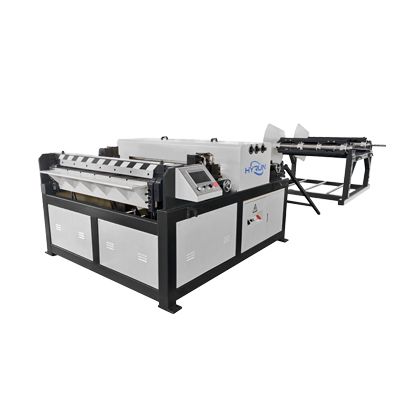
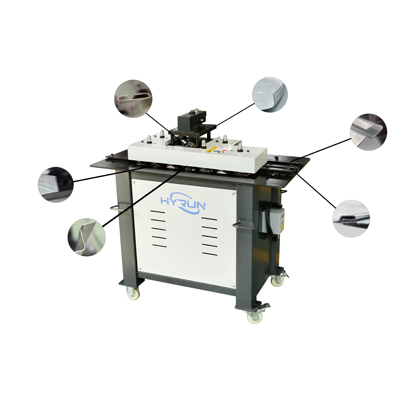
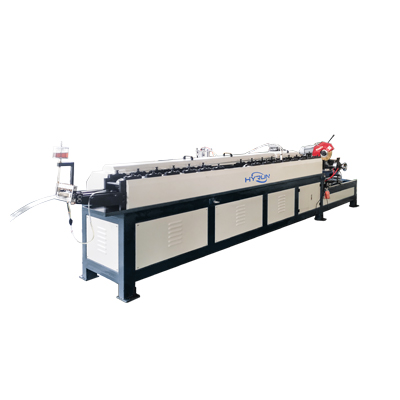
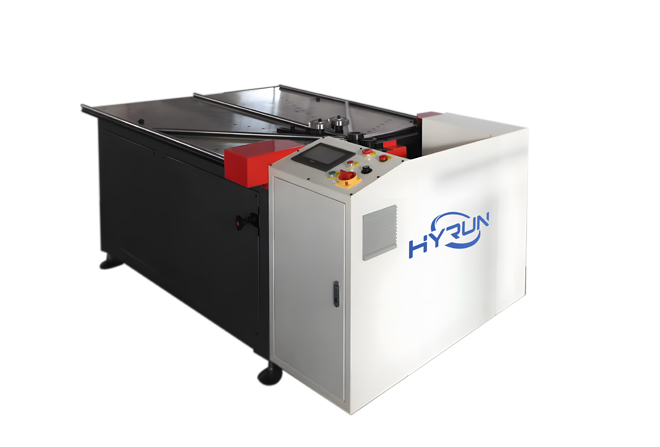
A lock forming machine is designed to form standardized seam profiles along the edges of sheet metal. These lock profiles allow duct sections to be joined securely during assembly, creating strong mechanical connections without compromising dimensional accuracy.
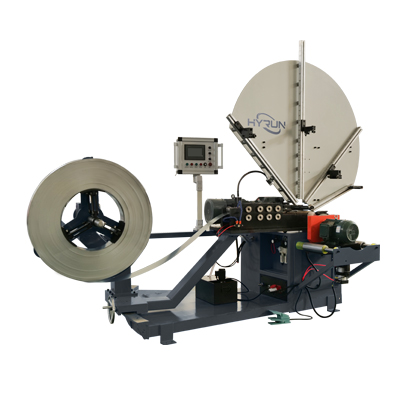
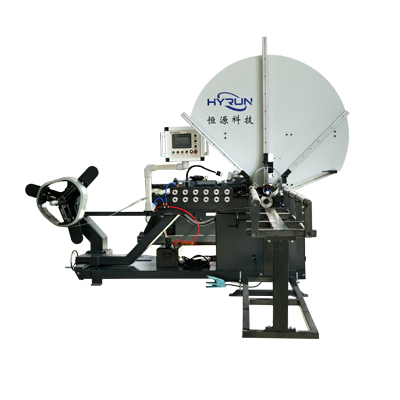
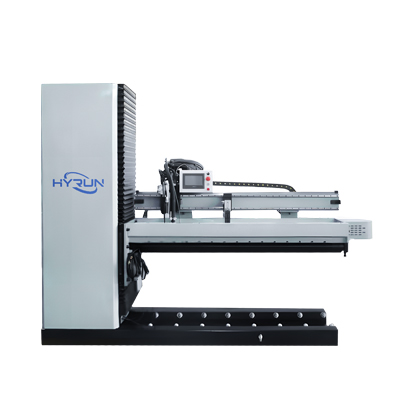
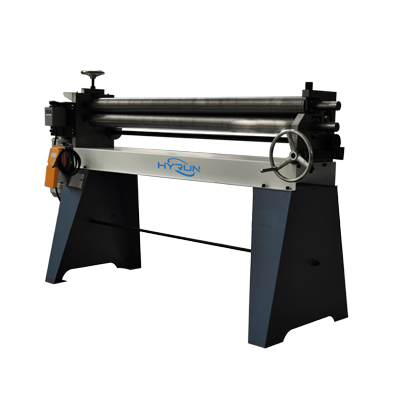
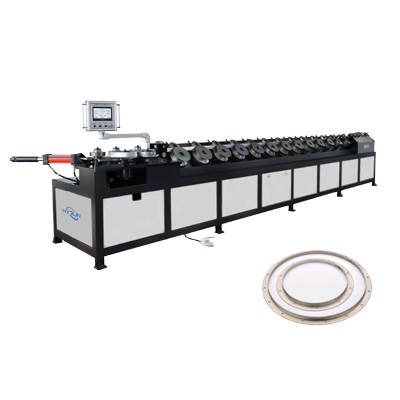
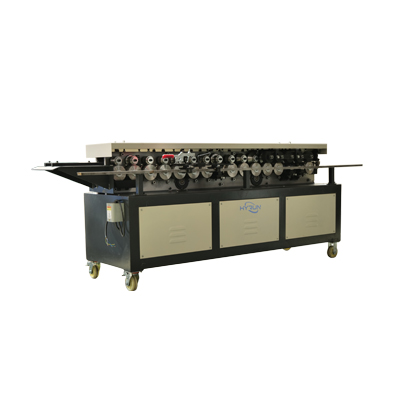
Modern sheet metal lock forming machine systems use multiple roller stations to shape metal continuously and precisely. Depending on the machine configuration, one unit can produce several lock profiles suitable for rectangular HVAC ducts.
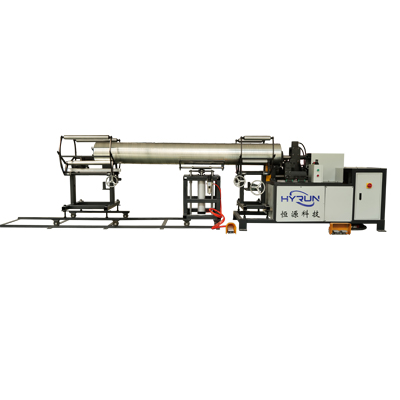
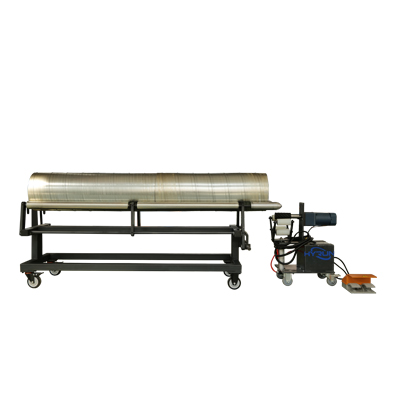
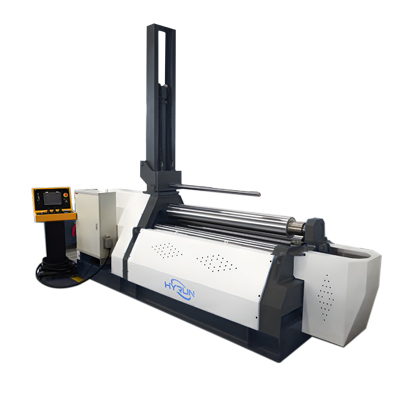
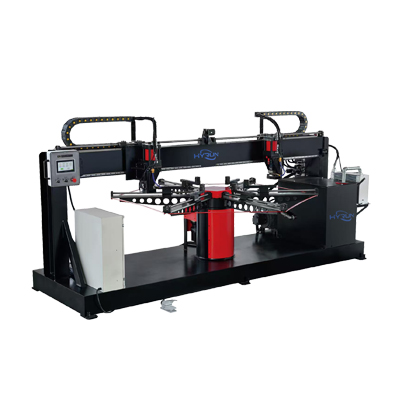
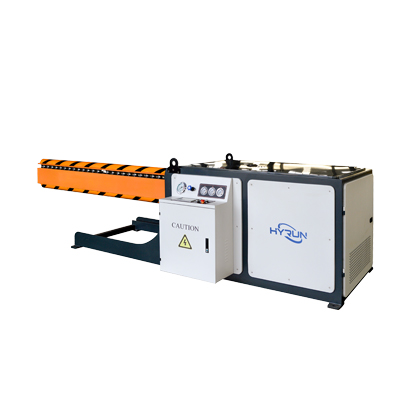
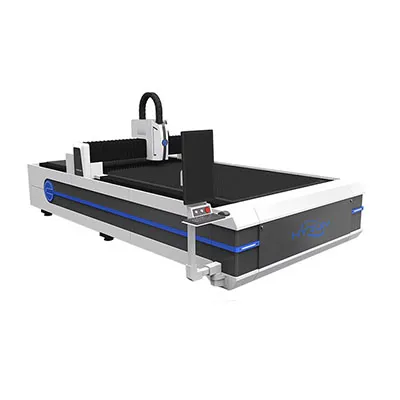
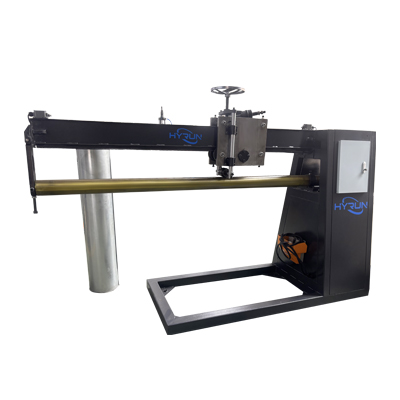
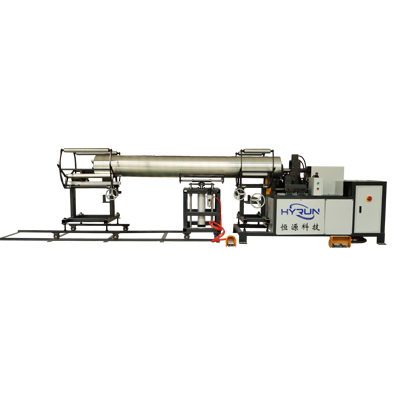
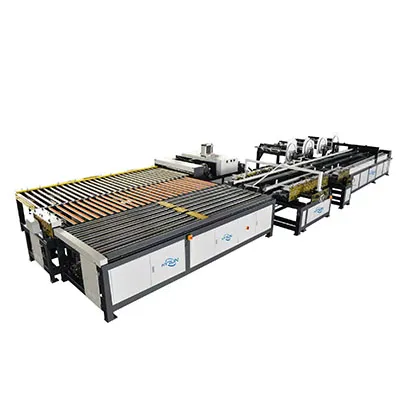
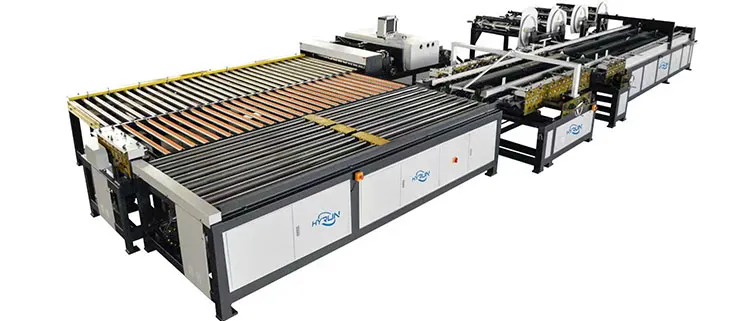
Compared with manual forming methods, automated machines improve production speed, reduce material waste, and deliver consistent forming quality. They are commonly integrated with coil lines, folding machines, and flange forming equipment to create a complete duct fabrication solution.
Different HVAC applications require different lock profiles depending on duct size, pressure requirements, and installation methods.
| Lock Profile | Typical Application | Main Advantage |
|---|---|---|
| Pittsburgh Lock | Rectangular air ducts | Strong, widely used |
| Snap Lock | Small duct sections | Quick assembly |
| Standing Seam | Large sheet metal components | High structural strength |
| Drive Cleat Profile | Duct connections | Easy installation |
The lockformer process must produce accurate profiles with uniform dimensions to ensure smooth assembly. Incorrect lock geometry may result in air leakage, poor alignment, or reduced structural strength.
Selecting a machine capable of producing multiple lock profiles increases manufacturing flexibility and allows factories to meet different customer requirements.
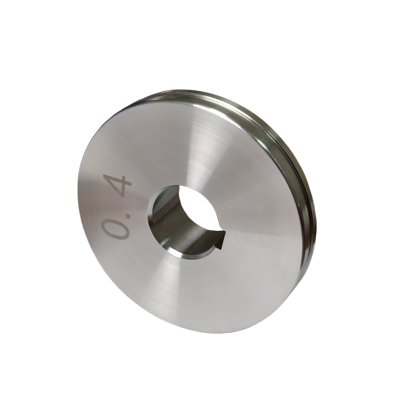
Material compatibility is an important consideration when selecting a lock forming machine. HVAC manufacturers commonly process galvanized steel, stainless steel, aluminum, and other sheet materials with different thickness ranges.
A suitable machine should match your production requirements while maintaining forming accuracy across all supported materials. Processing material beyond the recommended thickness may increase roller wear and reduce profile quality.
When evaluating a sheet metal lock forming machine, manufacturers should confirm the supported sheet thickness, material type, roller hardness, and forming precision. Matching machine capability to production needs helps improve product consistency and extends equipment service life.
Before investing in a lock forming machine, compare the technical specifications carefully. Machine performance directly affects production efficiency and long-term operating costs.
Key specifications to evaluate include:
Supported lock profiles: Ensure the machine can produce the lock types required for your duct products.
Material thickness range: Verify compatibility with your commonly used sheet materials.
Forming speed: Higher processing speed improves overall production efficiency.
Motor power and transmission: Stable power ensures consistent forming quality.
Roller material: High-quality rollers provide better wear resistance and longer service life.
A reliable lock form machine should balance production speed, precision, and durability while remaining easy to operate and maintain.
Even high-quality equipment can produce defective lock profiles if machine settings or materials are not properly controlled. Common forming defects include uneven lock dimensions, edge cracking, poor alignment, and incomplete forming.
These issues are often caused by worn rollers, incorrect roller clearance, unsuitable sheet thickness, or improper machine adjustment. Regular maintenance and periodic roller inspection help maintain forming accuracy and reduce production downtime.
Proper operator training is equally important. Correct material feeding and routine quality checks ensure the lockformer consistently produces accurate seam profiles suitable for HVAC duct assembly.
Choosing the right supplier is just as important as selecting the machine itself. An experienced manufacturer can provide technical support, installation guidance, and long-term spare parts service.
When comparing a lock forming machine for sale, consider the following factors:
Manufacturer experience in HVAC duct fabrication equipment.
Machine quality, certifications, and manufacturing standards.
Availability of technical support and after-sales service.
Spare parts supply and maintenance support.
Ability to customize machines for your production requirements.
HYRUN Technology specializes in HVAC duct fabrication machine solutions, providing reliable lock forming machine equipment designed for high productivity, stable performance, and long service life.
Yes. Many modern lock forming machine models are designed with multiple roller stations that can produce several lock profiles for different HVAC duct applications.
Most machines can process stainless steel, galvanized steel, and aluminum, provided the material thickness falls within the machine's recommended operating range.
Rollers should be inspected and cleaned regularly. Lubrication and wear checks help maintain forming accuracy and extend the service life of the machine.
Yes. A lock forming machine is commonly integrated with coil feeding, cutting, folding, and flange forming equipment to create a complete automated duct manufacturing line.
Besides machine specifications, evaluate production capacity, supported materials, after-sales service, spare parts availability, and the supplier's experience to ensure the equipment meets your long-term production needs.