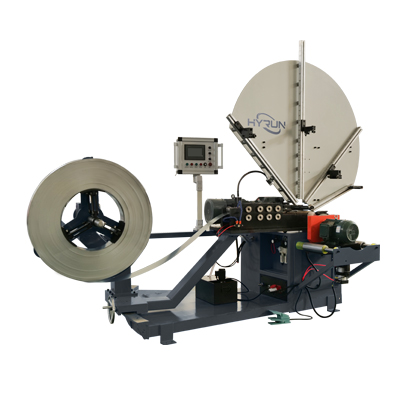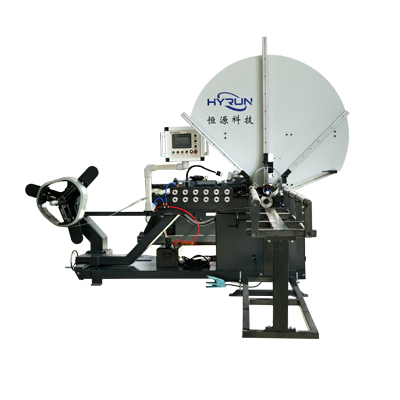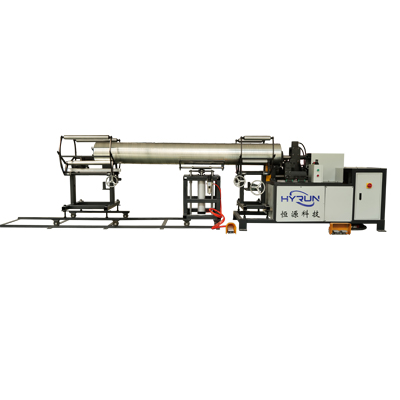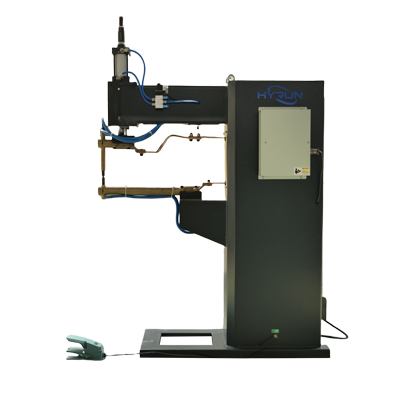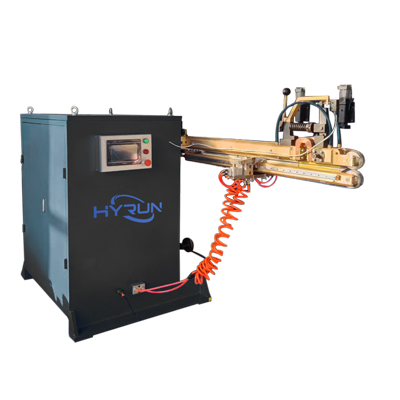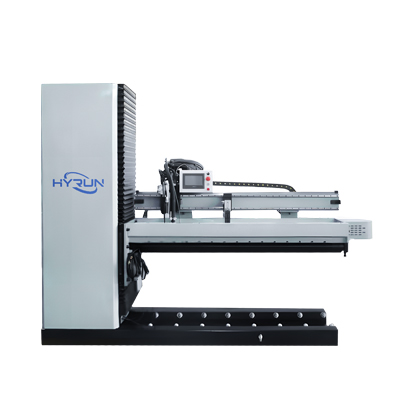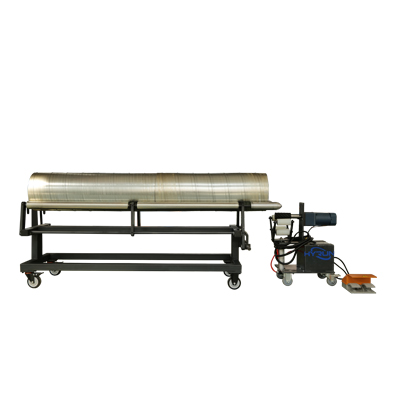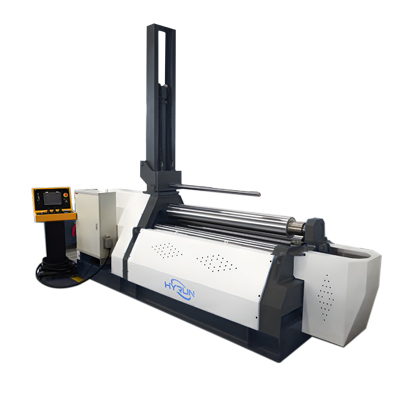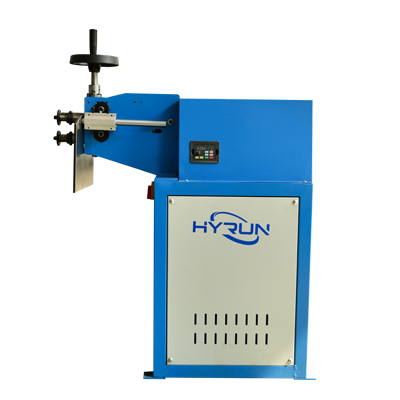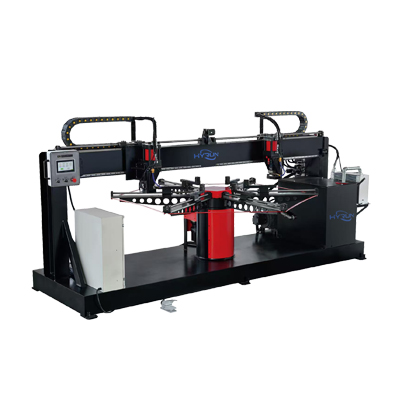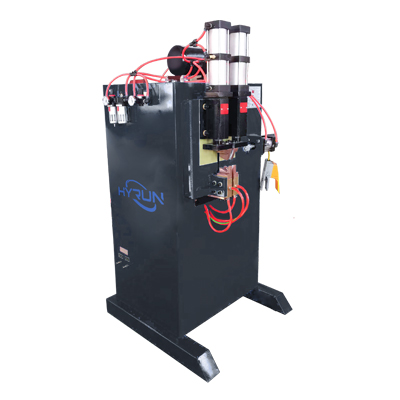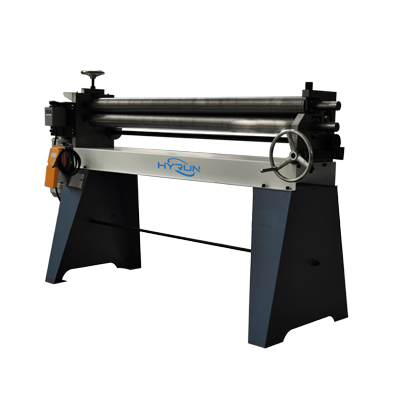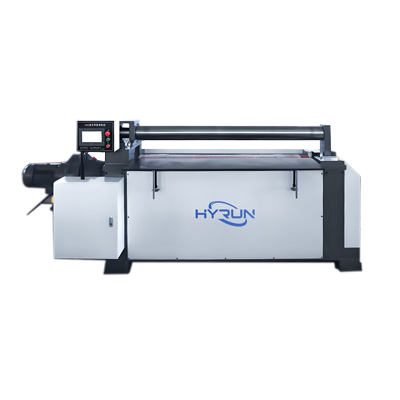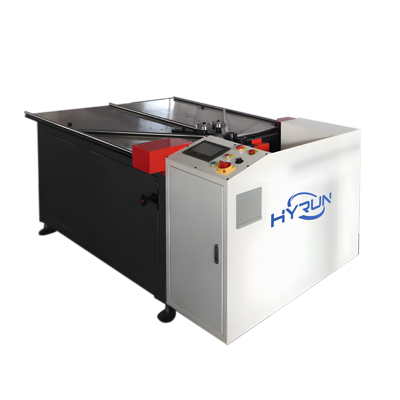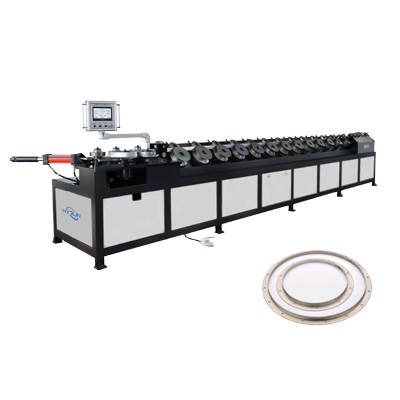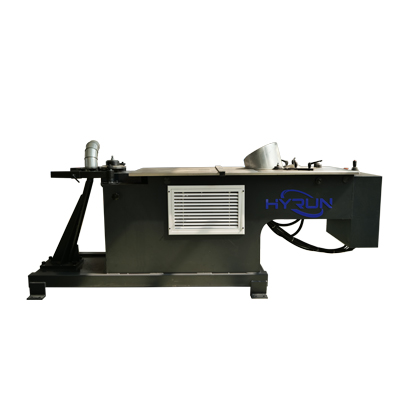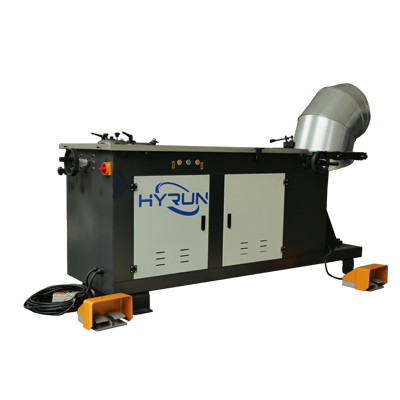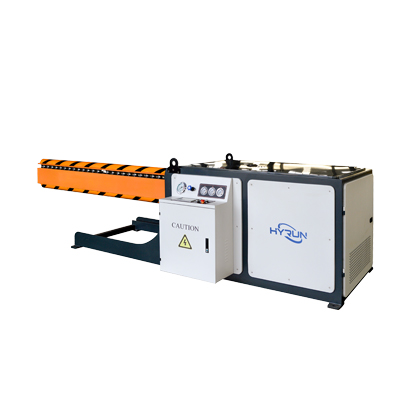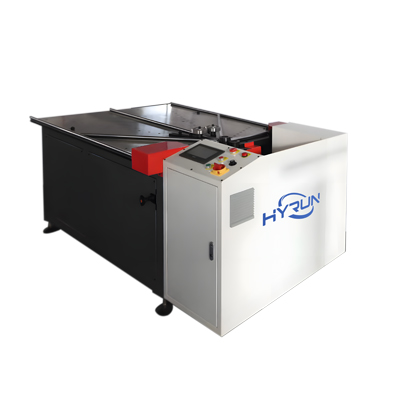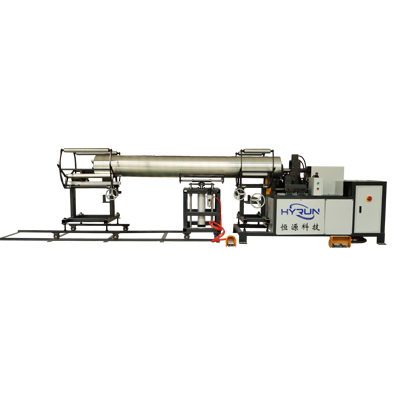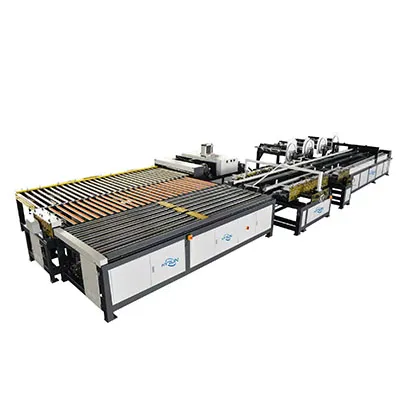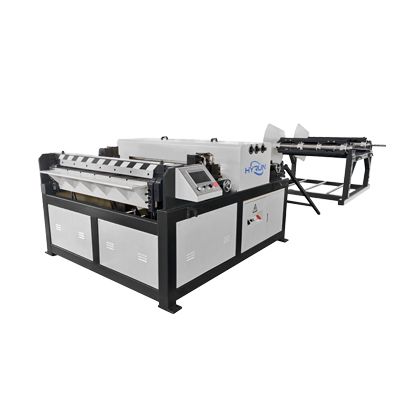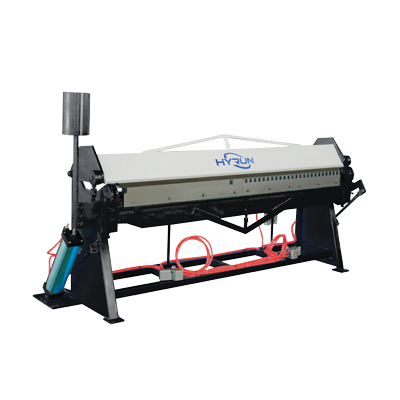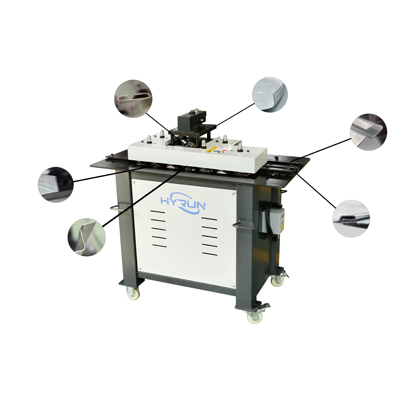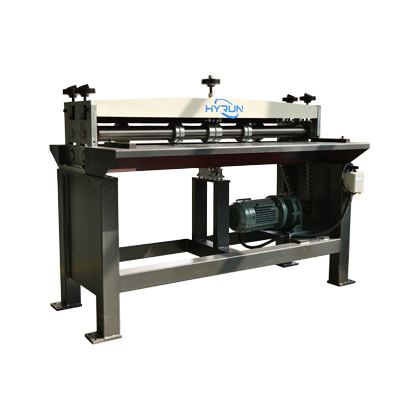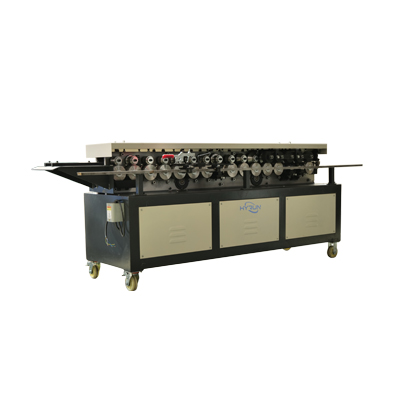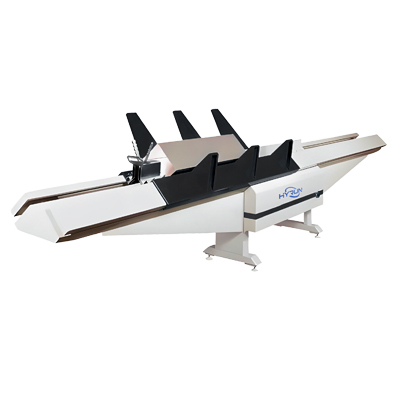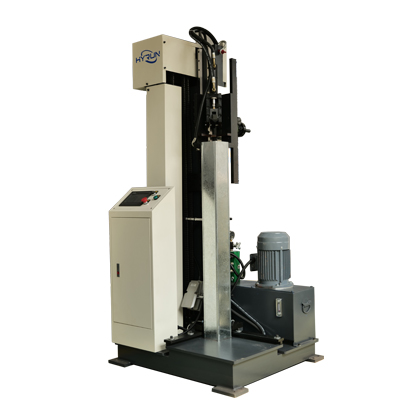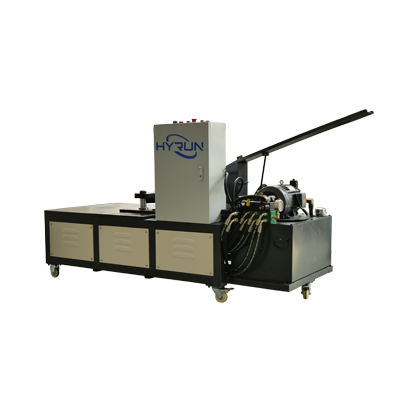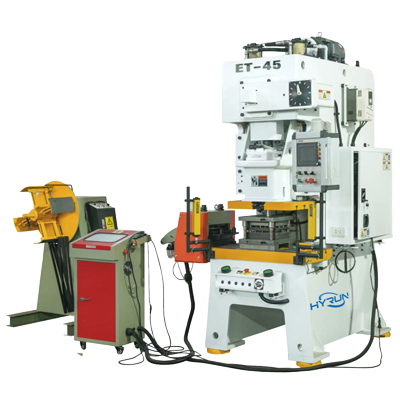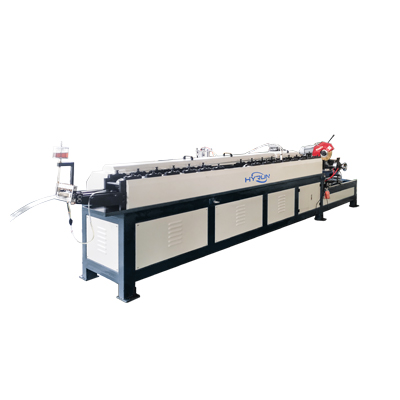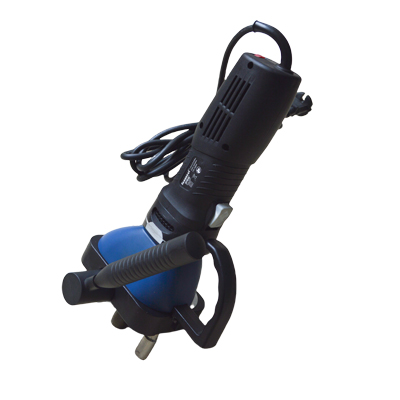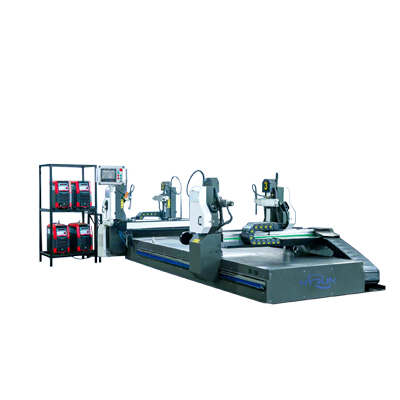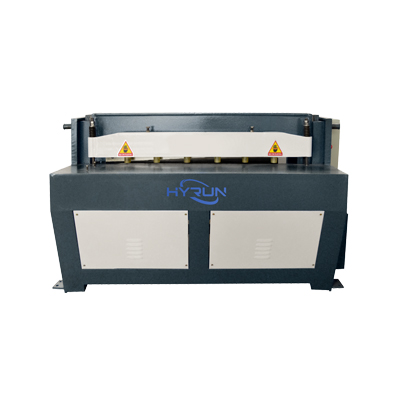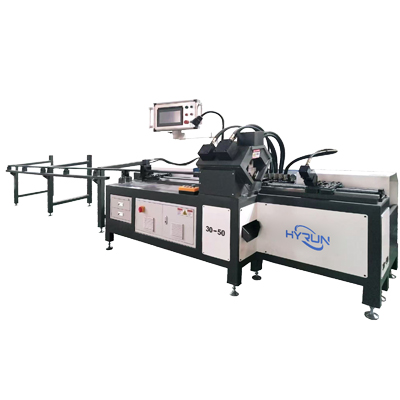
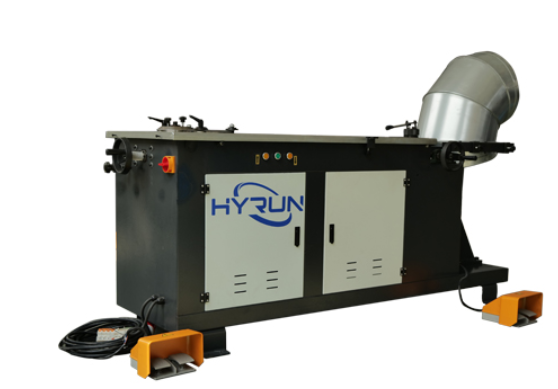
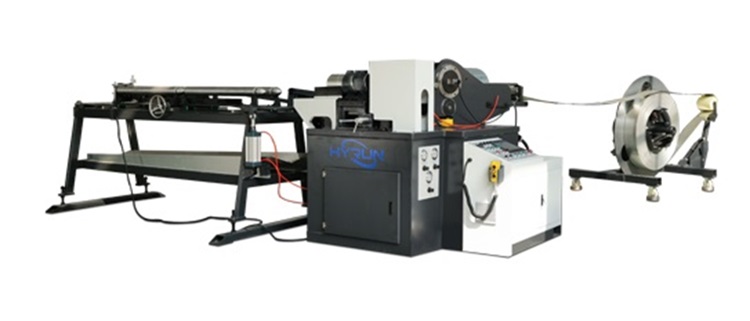
A hydraulic duct elbow machine is a specialized piece of HVAC fabrication equipment designed to produce high-precision segmented elbows for round and spiral duct systems. Using controlled hydraulic pressure, it forms individual gores (segments) that are then assembled into complete elbows with standard angles such as 30°, 45°, 60°, or 90°. These machines have become essential in the HVAC industry because they address the growing demand for fast, accurate, and repeatable production of duct fittings. Unlike older mechanical or manual processes, hydraulic models deliver consistent pressure and precision, resulting in better-fitting components that improve overall system airtightness and energy efficiency. Primary functions include forming elbow segments, producing round duct fittings, creating essential ventilation components, and ensuring accurate angles that meet strict engineering specifications. They are particularly valuable for manufacturers producing large volumes of standardized or custom ductwork for commercial, industrial, and institutional projects.

Understanding the duct elbow manufacturing process helps fabricators appreciate the precision engineering behind these machines. The operation is systematic and repeatable, minimizing human error.
Pre-cut round duct sections or flat sheet material (depending on the model) are loaded into the machine. Advanced models feature automated feeders that ensure precise alignment, reducing setup time and material misalignment issues.
The core of the process involves a powerful hydraulic system that applies consistent, controlled pressure to form the metal into the desired elbow segment shape. This gradual pressure prevents cracking or deformation, especially important when working with galvanized steel, stainless steel, or aluminum.
Once formed, segments are locked into precise geometries. The hydraulic technology ensures tight tolerances and smooth surfaces, which are crucial for maintaining proper airflow and minimizing turbulence in the finished HVAC system.
Multiple formed segments are assembled — often with crimping or welding — to create the full elbow. Many modern machines streamline this step, allowing one operator to produce complete fittings efficiently.
Quality hydraulic elbow machine components determine performance, durability, and ease of operation. Here's what makes these machines reliable workhorses in HVAC shops:
| Component | Function |
|---|---|
| Hydraulic Cylinder | Provides the powerful, consistent forming force needed for precise shaping |
| Hydraulic Pump | Generates and maintains required pressure throughout the cycle |
| Control System | PLC or digital controls for accurate operation and repeatability |
| Forming Die | Shapes the metal into exact elbow segments and angles |
| Safety System | Emergency stops, guards, and sensors to protect operators |
| Frame Structure | Heavy-duty construction ensures stability during high-pressure operation |
The benefits of hydraulic duct elbow machine technology extend far beyond basic production. They deliver measurable improvements in workshop performance.
Modern machines can dramatically increase daily output. Many workshops report 30% or higher gains in elbow production while reducing the number of operators needed per station.
Hydraulic systems ensure every segment meets exact specifications, resulting in uniform dimensions, better seams, and reduced need for rework or adjustments on job sites.
By automating the most physically demanding and skill-intensive parts of elbow making, shops can lower their dependence on highly experienced manual fabricators and reallocate staff to higher-value tasks.
Precision-formed elbows contribute to better overall system sealing, which enhances HVAC energy efficiency and indoor air quality — increasingly important for green building standards.
Accurate forming and minimal deformation mean less scrap, helping control raw material costs in an industry where margins are often tight.
| Metric | Manual Fabrication | Hydraulic Machine |
|---|---|---|
| Labor Requirement | High | Low |
| Production Speed | Slow | Fast |
| Consistency | Medium | High |
| Scrap Rate | High | Low |
Versatile HVAC elbow production machines support a wide range of duct elbow types to meet diverse project requirements.
The most common type, widely used in commercial HVAC installations for offices, malls, and hospitals where smooth airflow is essential.
Popular in industrial ventilation systems due to their strength and aesthetic appeal. Hydraulic machines handle the unique forming requirements effectively.
Ideal for custom projects where standard angles don't fit the architectural layout.
Essential for high-volume applications in airports, factories, data centers, and other large-scale facilities.
The hydraulic duct elbow machine vs manual fabrication comparison clearly favors automation for growing businesses.
| Feature | Hydraulic Machine | Manual Production |
|---|---|---|
| Productivity | High | Low |
| Accuracy | Excellent | Variable |
| Labor Dependency | Low | High |
| Scalability | High | Limited |
| ROI | Fast | Slow |
For expanding HVAC manufacturers, the shift to hydraulic equipment offers clear advantages in speed, quality, and long-term cost savings.
Duct fabrication equipment applications span many sectors where reliable ventilation is non-negotiable.
Commercial HVAC Contractors: Office buildings, shopping centers, hotels, and hospitals.
HVAC Duct Manufacturers: Dedicated factories supplying fittings to contractors nationwide.
Industrial Ventilation Companies: Manufacturing plants, warehouses, and processing facilities.
Cleanroom Engineering Projects: Electronics, pharmaceutical, and food production facilities requiring precise airflow control.
Selecting the best machine requires careful evaluation of your current and future needs.
Ensure the machine supports the sizes most common in your projects.
Match output rates to your daily or weekly demand.
From semi-automatic to fully automated models depending on labor availability.
Look for versatility with galvanized steel, stainless steel, and aluminum.
Global after-sales support and reliable spare parts availability are crucial for minimizing downtime.
For nearly two decades, HYRUN Technology's core team has focused on the research, development, and innovation of duct fabrication and metalworking equipment. With a complete system covering R&D, manufacturing, sales, and after-sales service, HYRUN provides efficient and reliable solutions for HVAC manufacturers around the world. Our mission is simple: Craftsmanship Creates Quality, Innovation Drives Development.
Spiral Duct Machine: High-efficiency spiral duct production solutions.
Round Duct Machine: Professional equipment for round duct and fitting fabrication, including hydraulic elbow machines.
Rectangular Duct Machine: Complete rectangular duct manufacturing systems.
Duct Welding Machine: Automated welding solutions for HVAC fabrication.
Auto Duct Line: Smart production lines for large-scale duct manufacturing.
Sheet Metal Processing: Advanced sheet metal forming and processing equipment.
Duct Machine Accessories: Reliable spare parts and accessories for long-term operation.
Nearly 20 years of industry experience
Professional R&D team
Competitive factory-direct pricing
Global technical support
Customized HVAC manufacturing solutions
Reliable spare parts supply
Get a free consultation
Request machine specifications
Compare production solutions
Receive a customized quotation
Talk to HYRUN's HVAC equipment specialists and discover the right solution for your duct manufacturing business.
It is used to efficiently manufacture precise segmented elbows for round and spiral HVAC duct systems, improving production speed and fitting quality.
Yes. Most machines support common angles including 30°, 45°, 60°, and 90° through interchangeable dies or adjustable settings.
Typically galvanized steel, stainless steel, and aluminum sheets of various thicknesses commonly used in duct fabrication.
Yes, many models are specifically designed or adaptable for producing elbows compatible with spiral duct systems.
Significant savings — often reducing the team needed per station from multiple workers to just one or two, while increasing overall output.