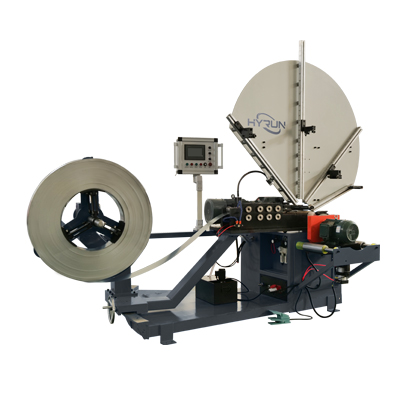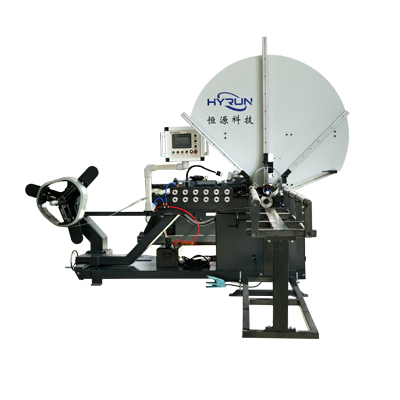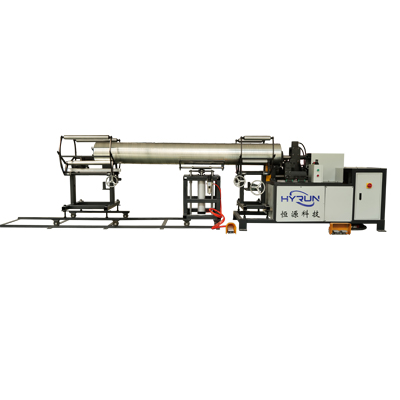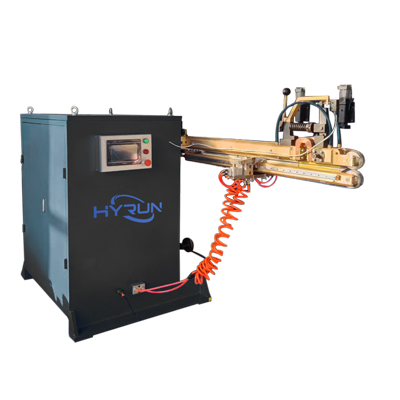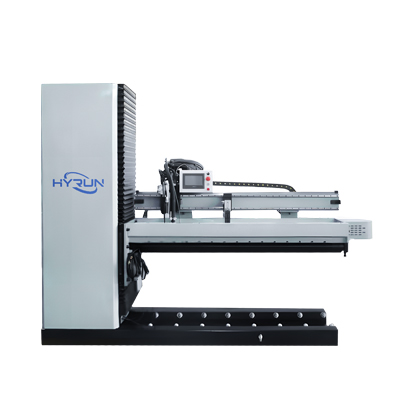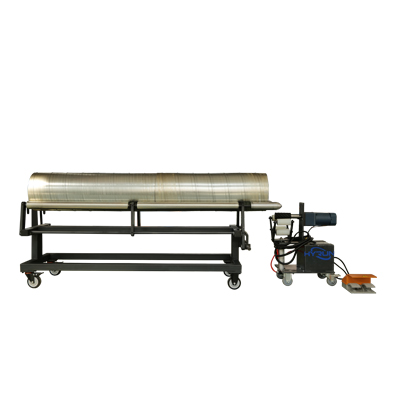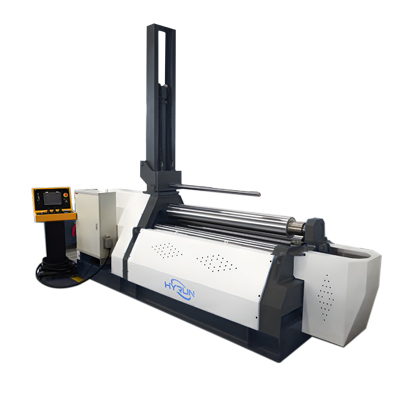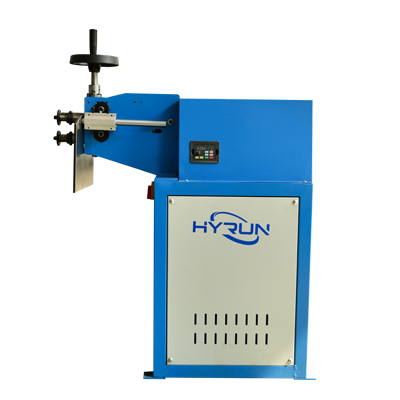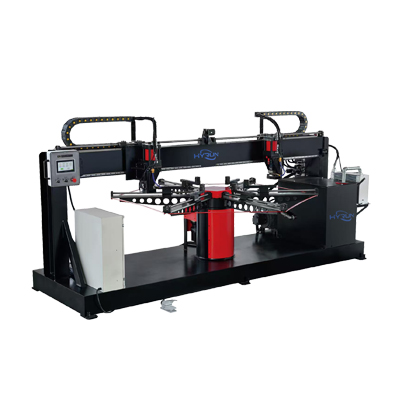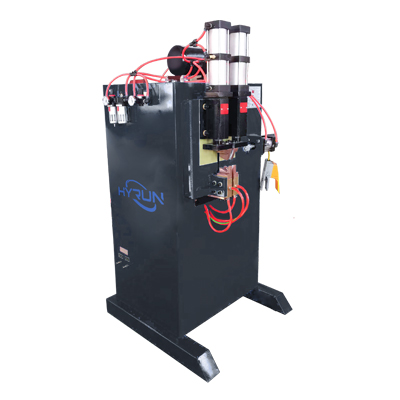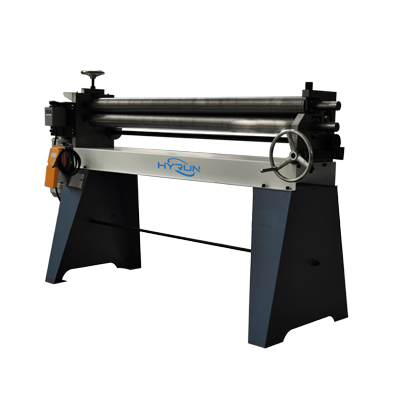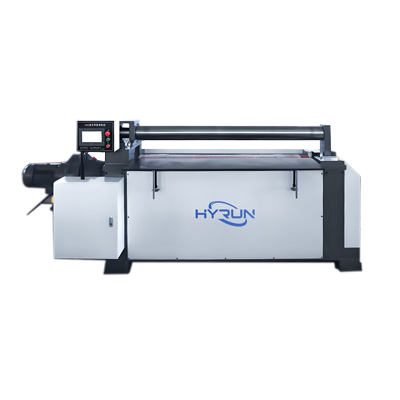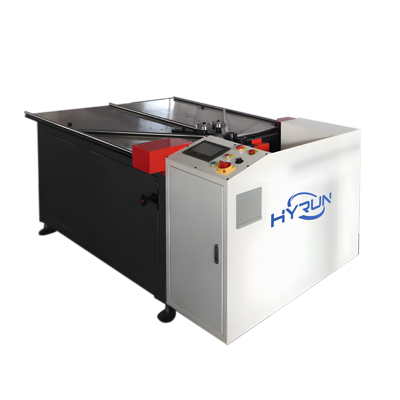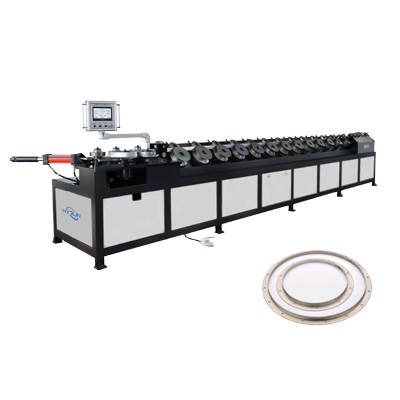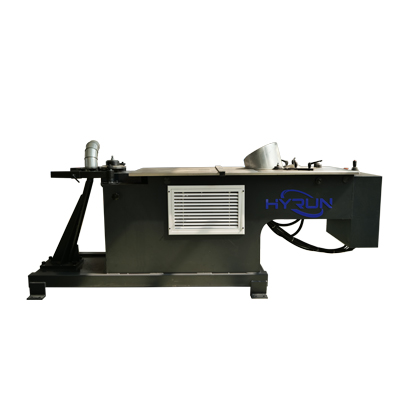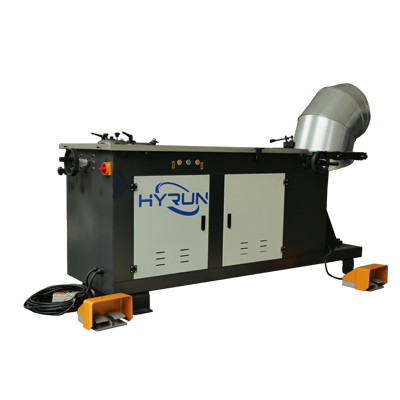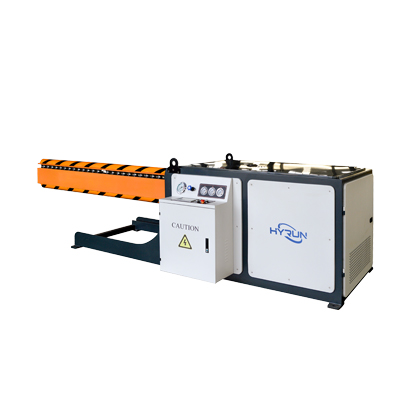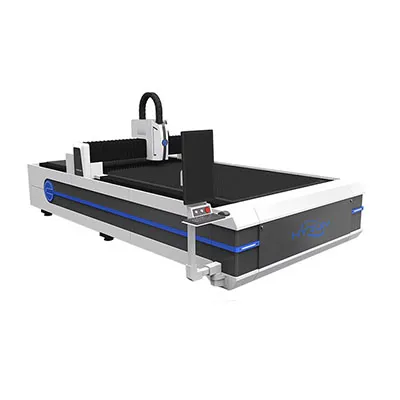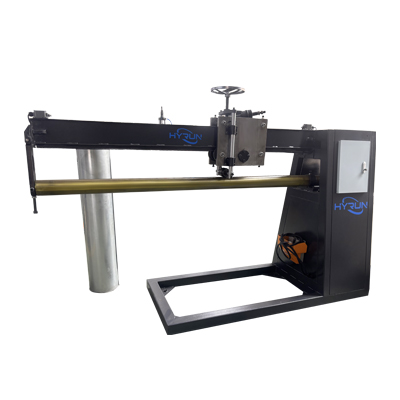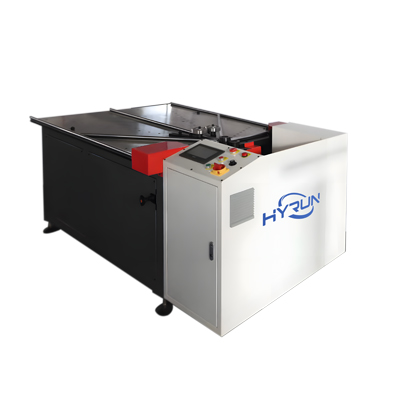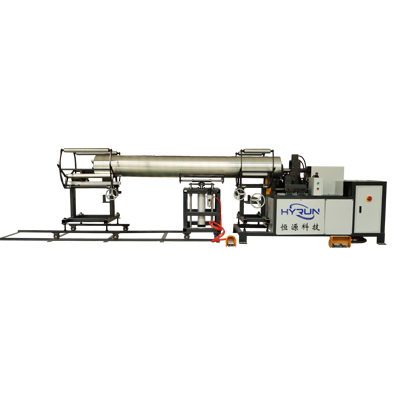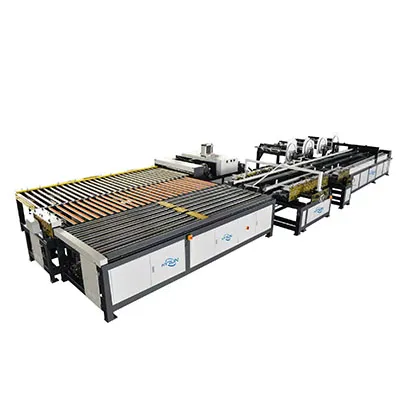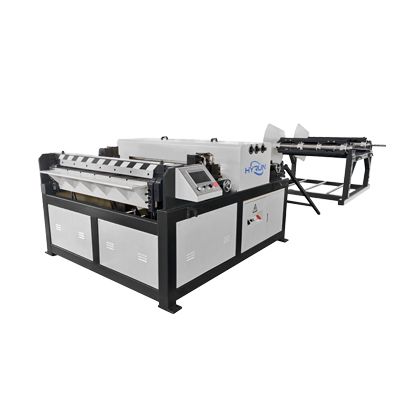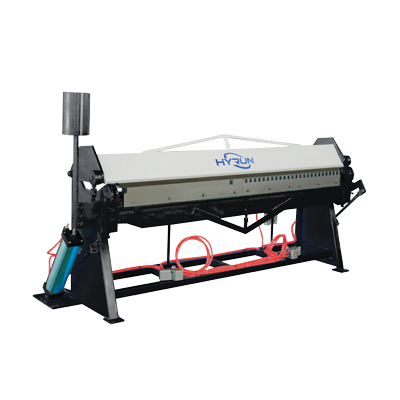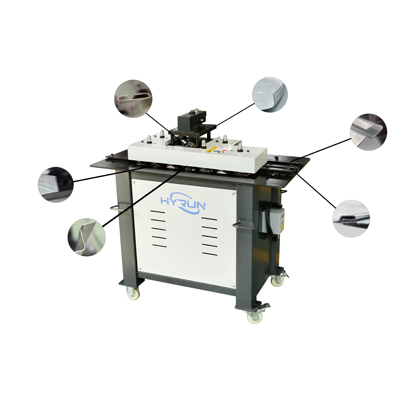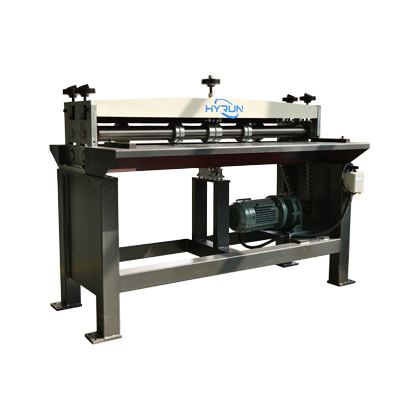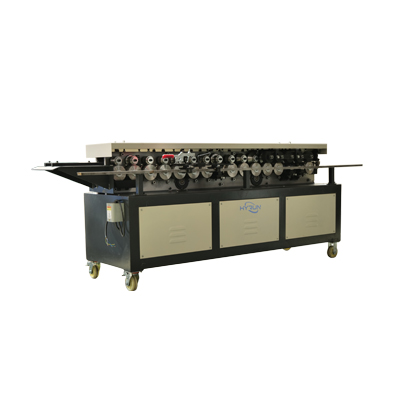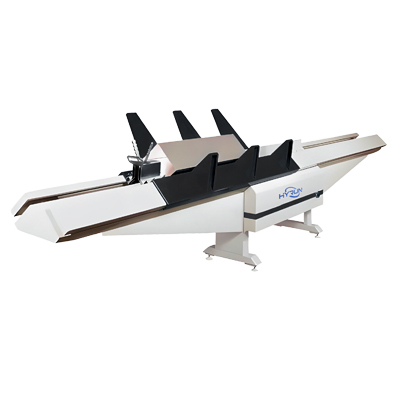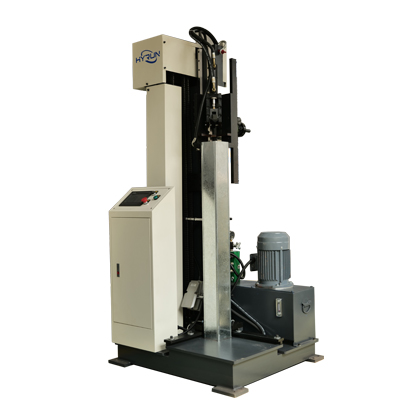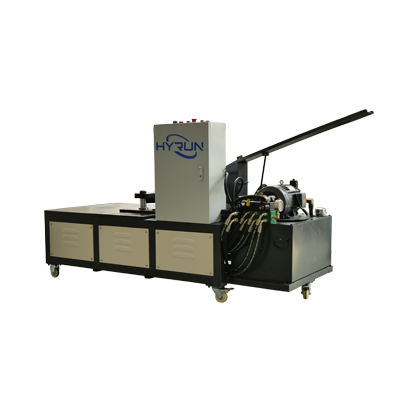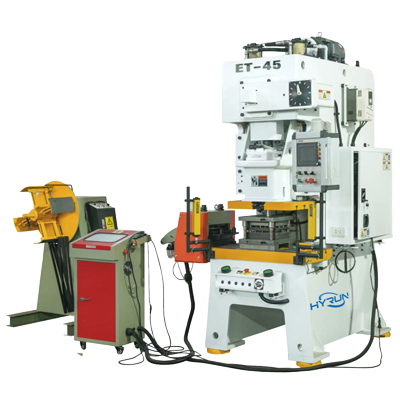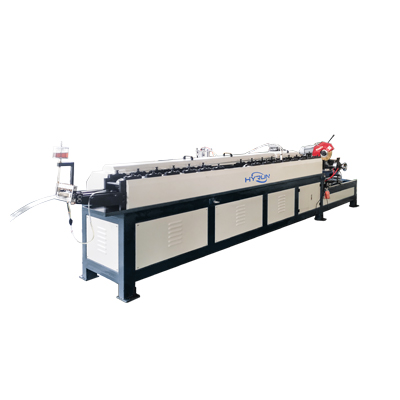
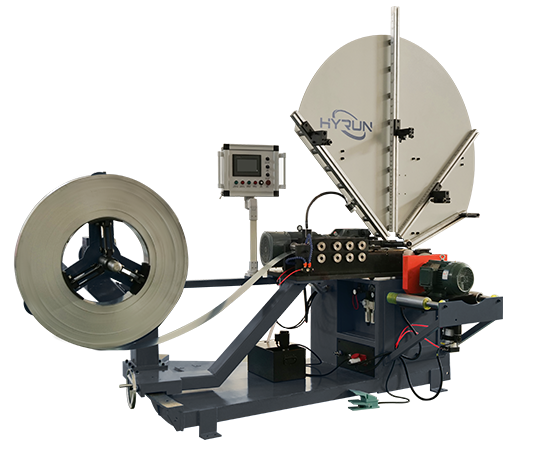
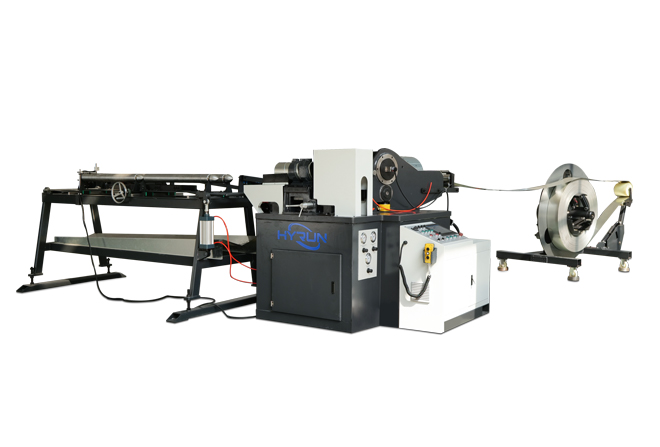
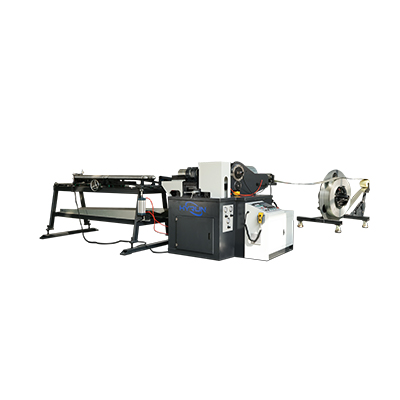
A spiral duct machine, also known as a spiral duct manufacturing machine, is an advanced automated HVAC fabrication system that continuously transforms flat metal coils — typically galvanized steel, stainless steel, or aluminum — into strong, uniform spiral round ducts with a distinctive helical lock seam. Unlike older sectional methods, these machines produce long, continuous duct lengths in a single streamlined process, dramatically improving both speed and consistency.
High-quality spiral duct machines integrate several precision-engineered components working in harmony. The decoiler holds and feeds the metal coil smoothly, while the feeding system ensures accurate alignment. Forming rollers gradually shape the strip into the helical profile, and the lock seaming system creates a tight, four-ply mechanical seam known for its exceptional strength and airtightness. Finally, the automatic cutting unit delivers precise lengths with clean edges, ready for immediate use or further fitting assembly.
The entire workflow is highly automated and continuous:
Coil Material → Feeding → Spiral Forming → Lock Seaming → Automatic Cutting → Finished Spiral Duct

Traditional duct fabrication methods typically involve multiple discrete steps performed by skilled workers using basic machinery. Sheets of metal are cut to size, rolled into cylindrical sections, manually locked or welded, and then assembled into complete duct runs. While this approach has served the industry for decades, it relies heavily on human expertise and repetitive physical labor.
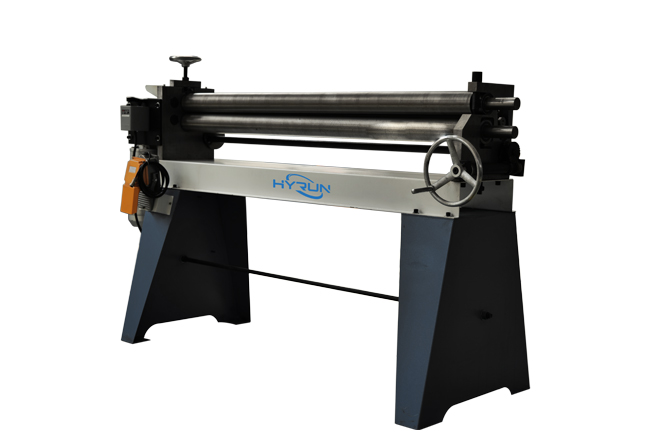
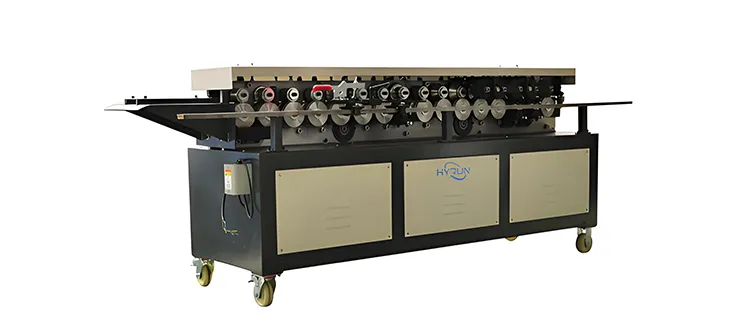
Workshops often depend on roll formers for shaping, lock formers for creating seams, welding machines for joining sections, and various manual tools for finishing and assembly. Although these tools are relatively affordable individually, the overall process requires significant coordination and multiple operators at different stations.
Manual production is inherently labor-intensive and time-consuming. Inconsistent quality often arises from variations in worker technique, leading to higher scrap rates, more frequent rework, and potential issues with duct performance on job sites. As labor costs continue to rise and skilled fabricators become harder to find, many workshops are reaching the limits of traditional duct fabrication scalability.
When evaluating spiral duct machine vs traditional duct fabrication, the most striking difference appears in production efficiency. Automated spiral systems deliver continuous output that transforms workshop throughput.
| Factor | Spiral Duct Machine | Traditional Fabrication |
|---|---|---|
| Production Speed | Very High | Medium |
| Labor Requirement | Low | High |
| Automation Level | High | Low |
| Downtime | Low | Higher |
| Scalability | Excellent | Limited |
Spiral duct machines produce long, continuous ducts without the need for repeated setup adjustments between sections. This continuous flow minimizes idle time and allows a single operator to oversee high-volume output that would require an entire team in traditional setups.
By automating the most repetitive and physically demanding tasks, spiral machines significantly decrease reliance on skilled manual labor. This not only lowers ongoing labor costs but also helps address the growing shortage of experienced fabricators in the HVAC industry.
Modern automated duct production allows the same factory floor space to generate substantially more linear meters of duct per shift, enabling businesses to take on larger projects or expand their customer base without immediate facility expansion.
Product quality and dimensional consistency are critical for HVAC system performance, making this comparison area particularly important for contractors and end clients.
Computer-controlled spiral duct machines maintain precise tolerances throughout production runs, ensuring every section matches perfectly. This uniformity simplifies installation and reduces field adjustments.
The helical four-ply lock seam created by spiral machines provides superior structural integrity and significantly lower leakage rates compared to traditionally welded or manually locked seams. This translates directly into better system efficiency and reduced energy consumption.
Automation eliminates many variables introduced by manual handling, resulting in far more repeatable results across shifts, operators, and production batches.
| Quality Metric | Spiral Duct Machine | Traditional Method |
|---|---|---|
| Dimensional Accuracy | High | Medium |
| Leakage Risk | Low | Higher |
| Repeatability | Excellent | Variable |
Understanding spiral duct machine ROI is essential for procurement decisions.
Traditional equipment has a lower upfront cost, but spiral duct machines represent a strategic capital investment that pays dividends through operational savings.
Automated systems dramatically cut labor expenses, reduce material waste, and lower energy consumption per meter of duct produced. Over time, these savings often outweigh the higher initial purchase price.
Precise forming and minimal scrap generation in spiral production lead to better material efficiency compared to the higher waste typical in manual cutting and assembly.
Many manufacturers report full payback within 12-24 months. For example, a factory previously producing 5,000 meters per month with 8 workers can often achieve the same or greater output with just 2-3 operators using a modern spiral duct machine — representing labor savings of over 60% and substantial gains in overall capacity.
The advantages extend beyond the factory floor to the actual installed HVAC system.
Spiral ducts exhibit lower friction loss and smoother internal surfaces, resulting in reduced pressure drop and more efficient air distribution throughout buildings.
Superior seam quality minimizes leakage, which directly lowers energy consumption and improves indoor air quality — key factors in modern green building certifications.
The helical design provides excellent rigidity, requiring fewer supports and offering better resistance to damage during handling and installation.
Longer continuous sections mean fewer joints on site, speeding up installation and reducing potential leak points.
While automated spiral duct production offers clear advantages for most operations, traditional methods still have their place. Small production volumes, highly customized or one-off projects, and workshops with very tight budgets may continue to rely on manual or semi-manual approaches. In these scenarios, flexibility and lower initial capital requirements can outweigh the benefits of full automation. However, as production scales or labor costs increase, the shift toward automated HVAC duct fabrication becomes increasingly compelling.
Selecting the optimal spiral duct machine requires careful consideration of your specific needs.
Ensure the machine covers the diameters most common in your projects, from smaller residential sizes to large industrial applications.
Look for versatility across standard gauges of galvanized steel, stainless steel, and aluminum.
Match the machine's speed and output to your current and projected monthly volumes.
Evaluate PLC controls, auto-cutting features, and integration potential with other duct fabrication equipment.
Reliable technical support, spare parts availability, and operator training are crucial for maximizing uptime.
√ Warranty and After-Sales Service
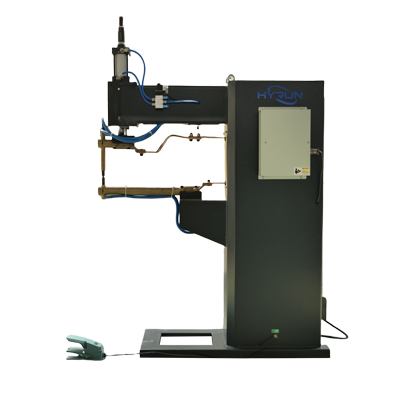
HYRUN, with nearly two decades of expertise in air duct processing and metalworking equipment, provides global HVAC manufacturers with comprehensive solutions covering R&D, manufacturing, sales, and after-sales support, guided by its principle that craftsmanship creates quality and innovation drives development. Its extensive product portfolio includes high-speed spiral duct machines, professional round duct equipment, complete rectangular duct production systems, reliable duct welding machines, automated duct lines for large-scale manufacturing, advanced sheet metal processing equipment, and genuine accessories. Backed by factory-direct pricing, global technical support, customized solutions, fast spare parts supply, professional training, and dependable after-sales service, HYRUN helps manufacturers increase production capacity, reduce labor costs, and improve duct quality. Businesses can contact HYRUN to request specifications, receive tailored solutions, compare models, and obtain competitive quotations, while consulting with experts to find the most suitable duct fabrication equipment.
Key spiral duct machine benefits include dramatically higher production speed, superior consistency, reduced labor costs, better material utilization, and improved final duct performance in terms of airflow and airtightness.
Yes. Many compact and mid-range models are designed specifically for smaller operations looking to improve efficiency without massive upfront investment.
Most users report 50-70% labor reduction depending on previous methods and production volume.
Yes, quality industrial duct fabrication machines are engineered to handle stainless steel, aluminum, and galvanized coils effectively.
Typical payback periods range from 12 to 24 months through labor savings, increased capacity, and reduced waste, making it one of the highest-ROI investments in HVAC duct manufacturing equipment.