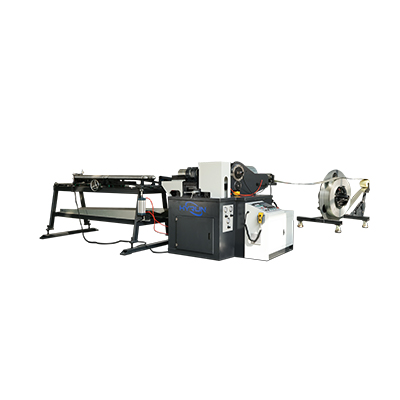
The manufacturing of ductwork remains a critical component in building efficient heating, ventilation, and air conditioning systems. As industries focus on energy efficiency and improved air quality, the equipment used in duct fabrication has advanced significantly. This article explores the main types of ductwork fabrication machines, their key features, how they operate, relevant industry standards, and emerging developments. Readers will gain a clear view of how these machines support higher productivity and consistent quality in HVAC projects.
Duct fabrication involves transforming flat sheet metal into functional components for air distribution. The primary categories include spiral duct machines, round duct machines, rectangular duct machines, duct welding machines, auto duct lines, and supporting sheet metal processing equipment.
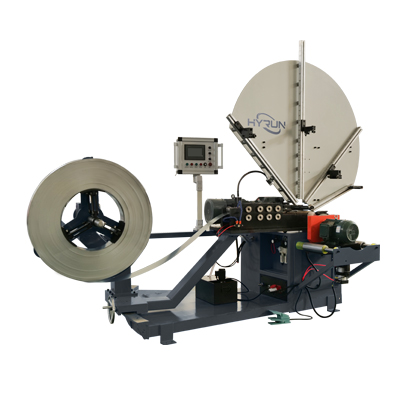
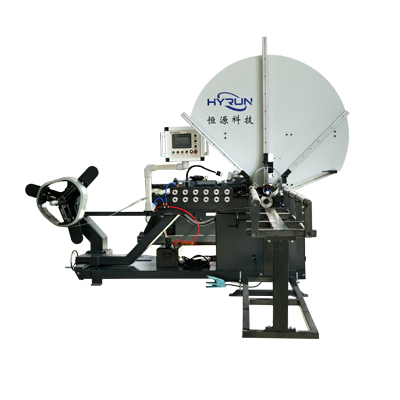
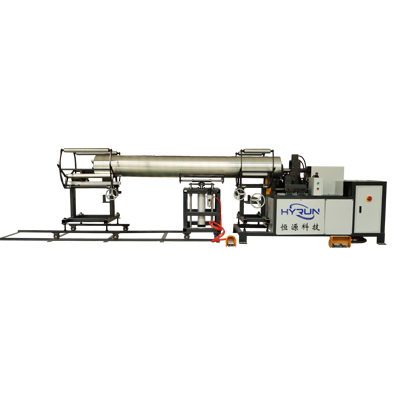
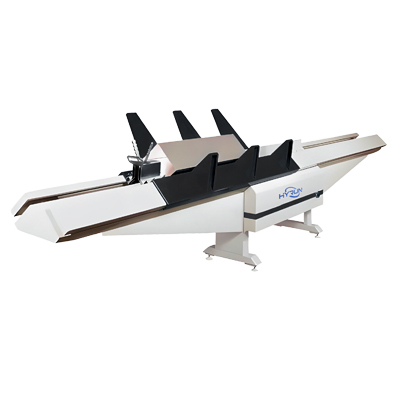
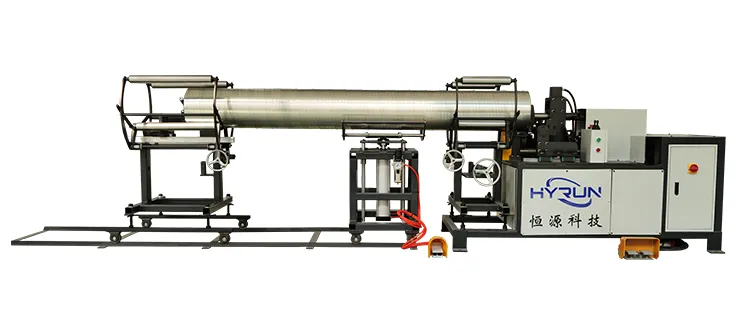
Spiral duct machines form continuous spiral-shaped ducts from metal coils using sets of forming rollers. Models often feature 4 or 6 sets of rollers, enabling production of ducts in various diameters with strong structural integrity and smooth airflow characteristics. These machines support materials such as galvanized steel, stainless steel, and aluminum.
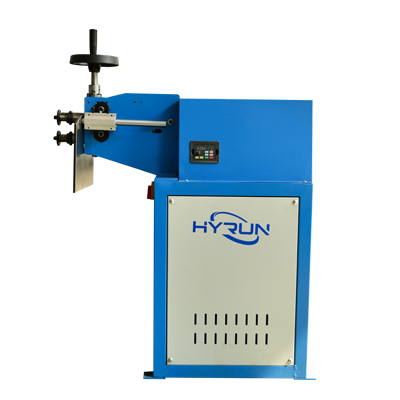
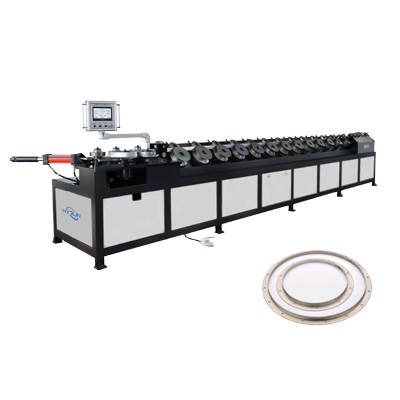
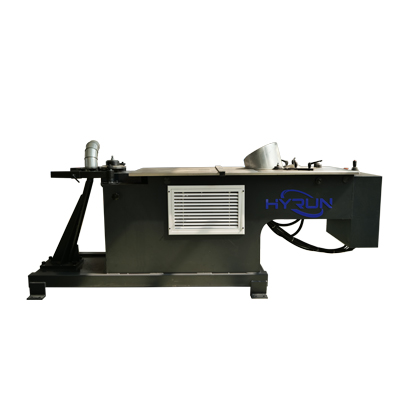
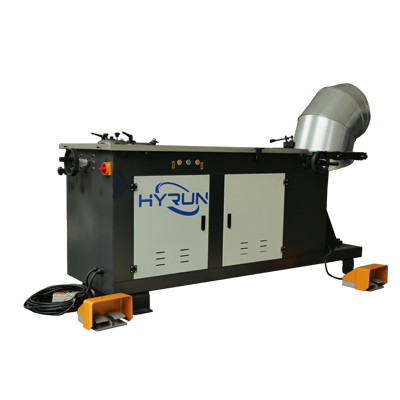
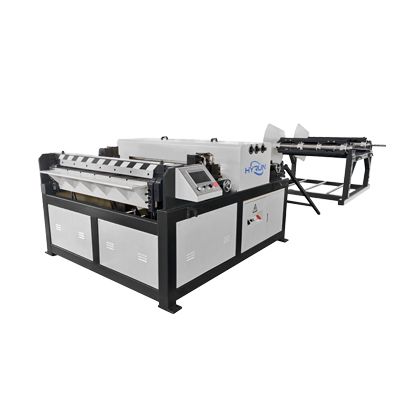
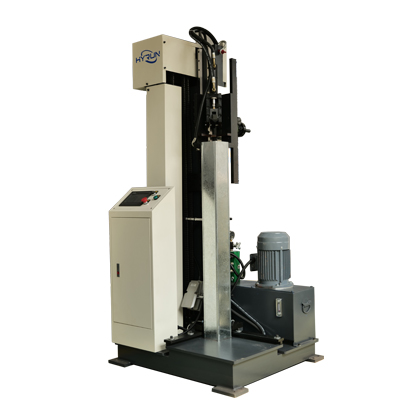
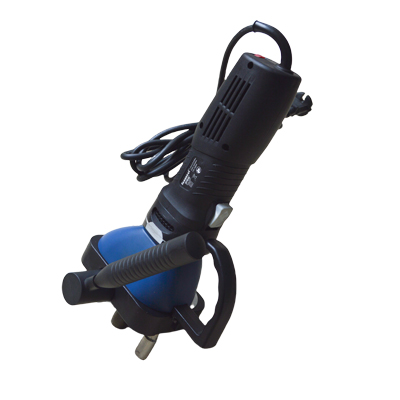
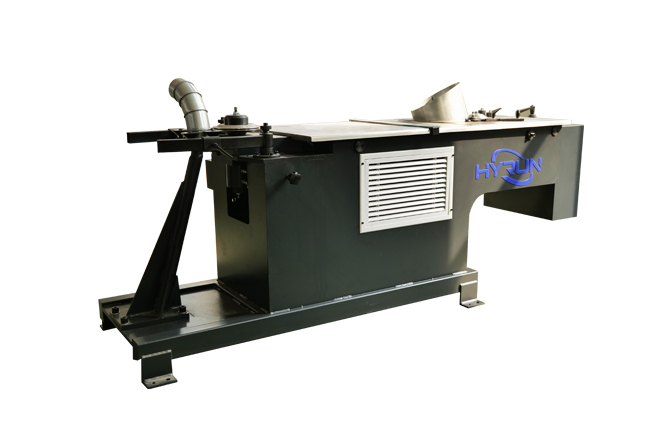
Round duct machines handle the production of circular and oval ducts, including flanging, punching, seam closing, and edge forming processes. Complementary tools like hydraulic round duct edge forming machines and round flange welding machines ensure secure connections.
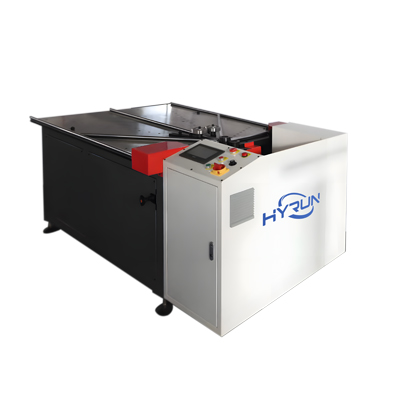
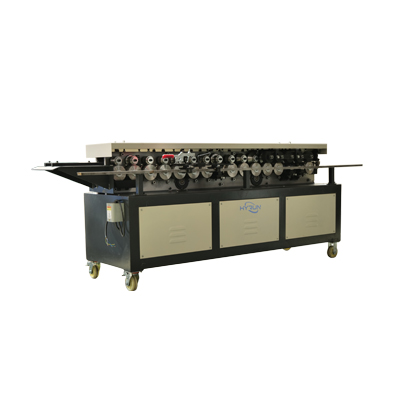
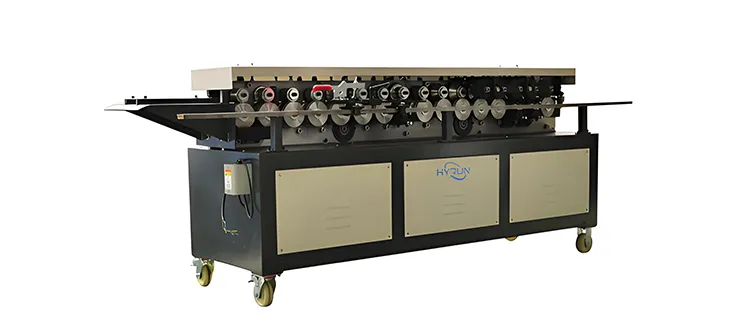
Rectangular duct machines produce straight sections and fittings for systems requiring rectangular profiles. These often integrate with flange forming systems such as TDF or TDC to create ready-to-assemble panels.
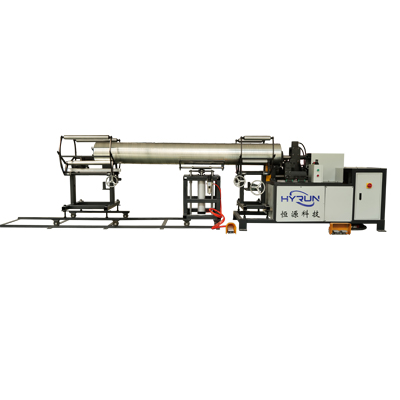
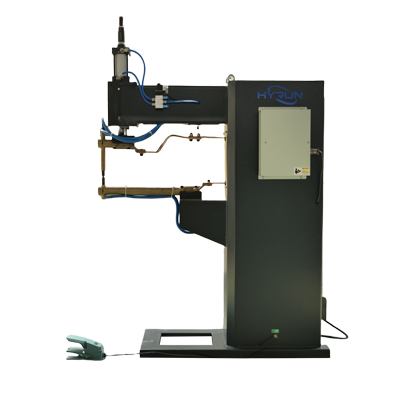
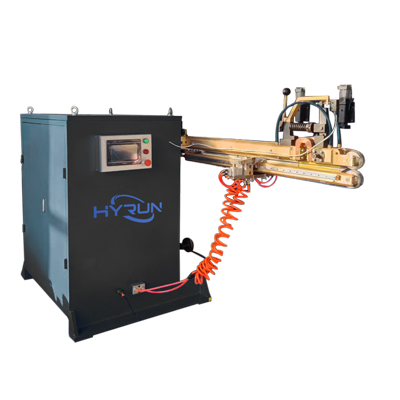
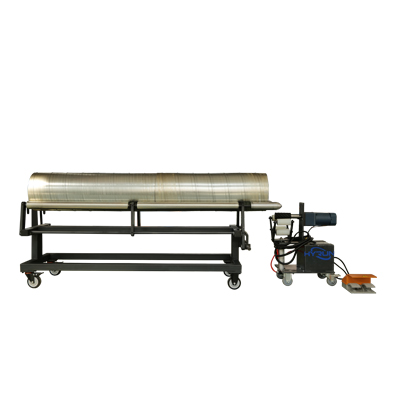
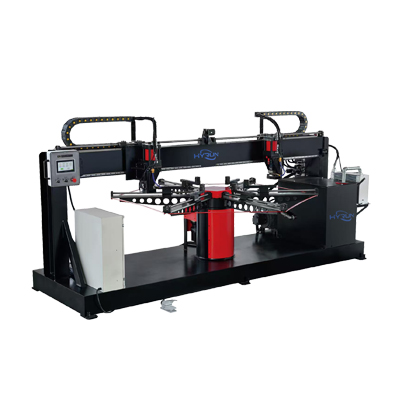
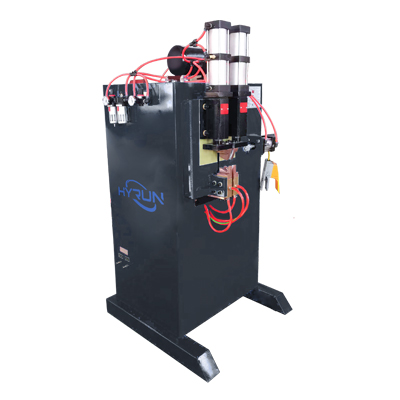
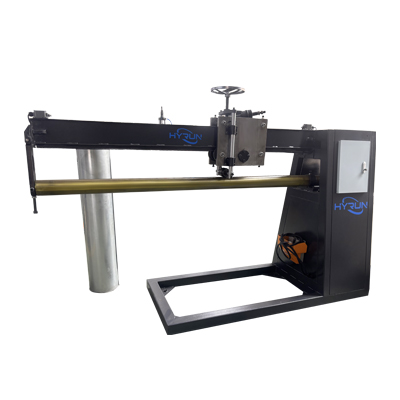
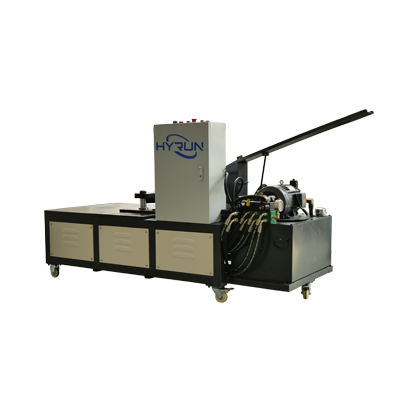
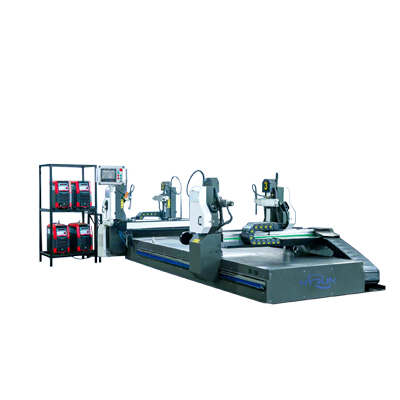
Duct welding machines provide reliable joining methods. Options range from pneumatic spot welding and seam stitch welding to straight seam automatic welding systems and specialized racks for duct connection welding. These ensure airtight seals that maintain system pressure and efficiency.
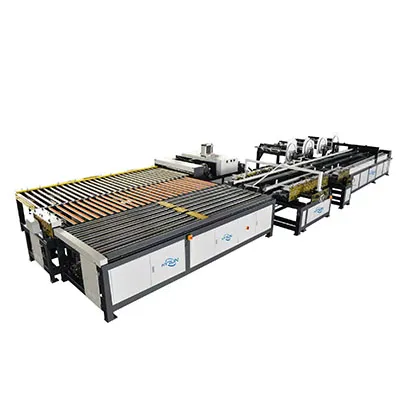
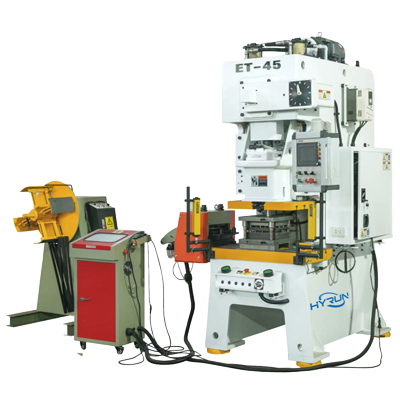
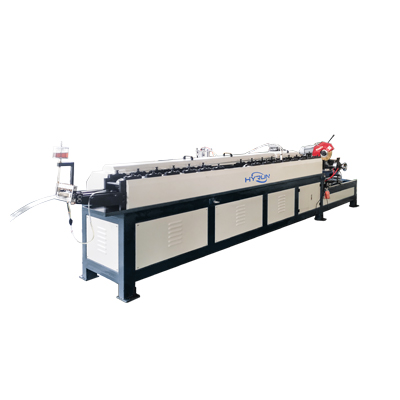
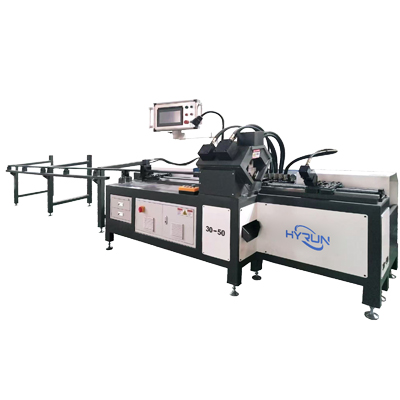
Auto duct lines automate multiple steps in one integrated process, including decoiling, cutting, notching, folding, and flange forming. Lines such as Auto Duct Line 3 or Auto Duct Line 5 reduce manual handling, improve consistency, and support higher output volumes for commercial and industrial projects.
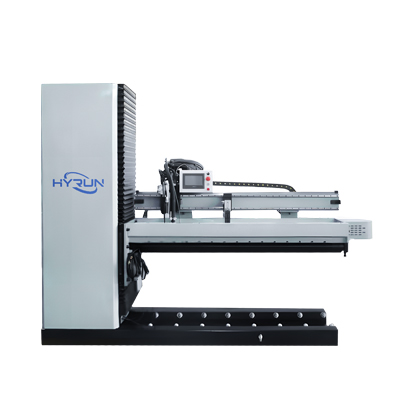
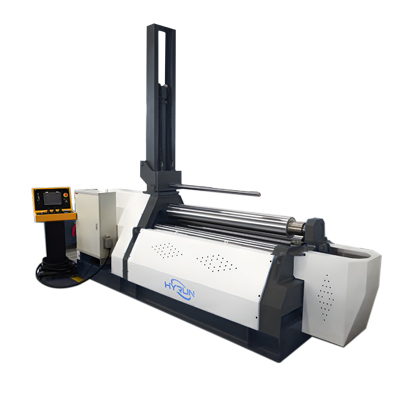
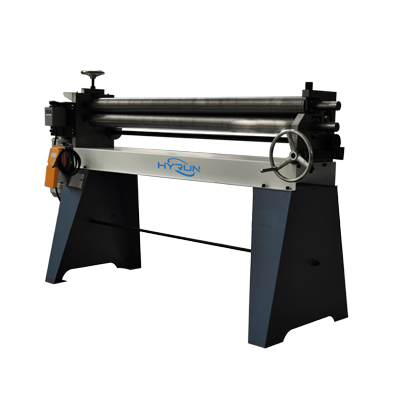
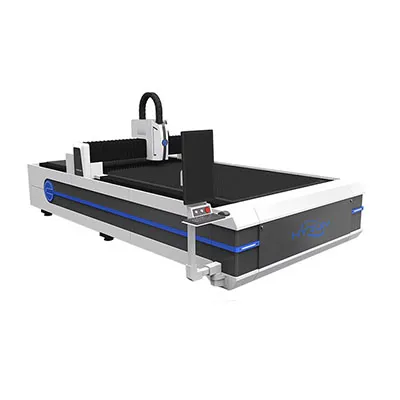
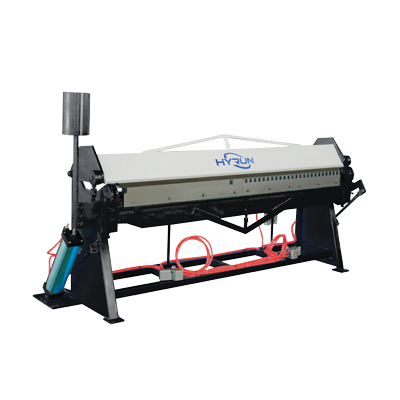
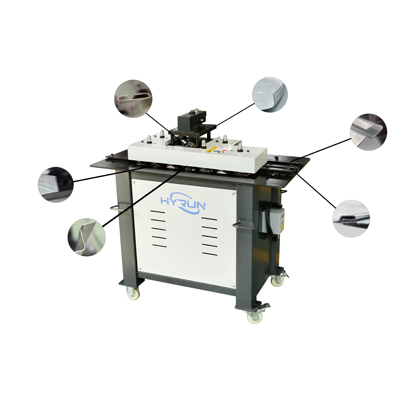
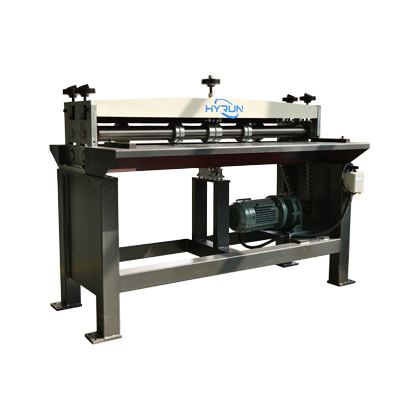
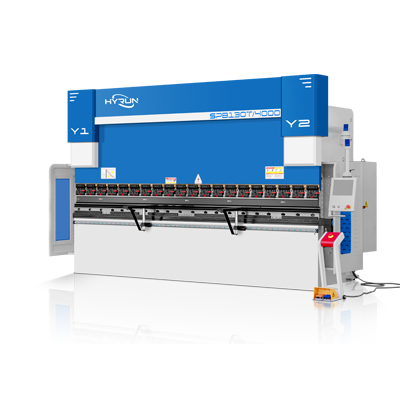
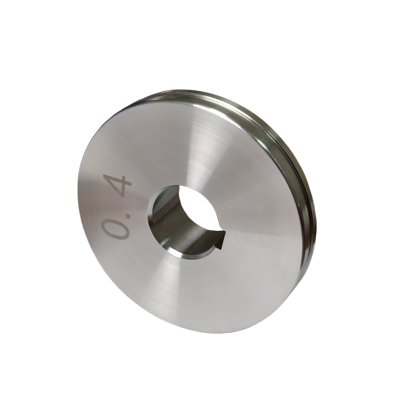
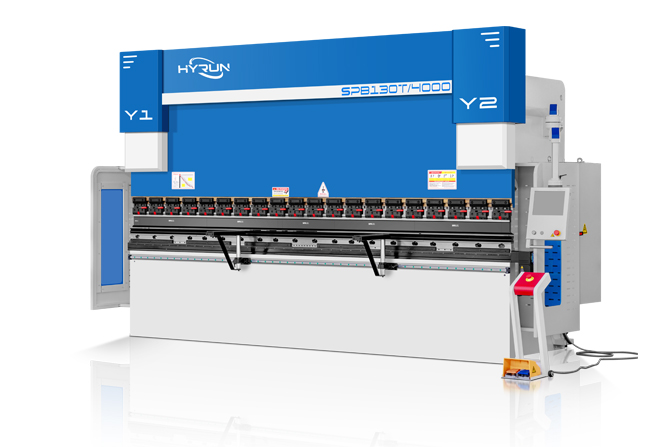
Additional sheet metal processing equipment includes CNC laser cutting machines for precise patterns, CNC press brakes for accurate bending, hydraulic rolling machines, and various forming tools like lock forming machines, grooving machines, and seam closing machines. These support custom fabrication needs across HVAC and sheet metal industries.
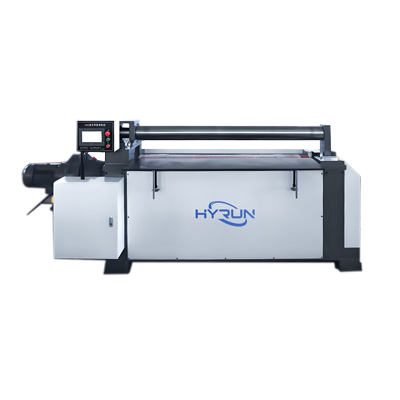
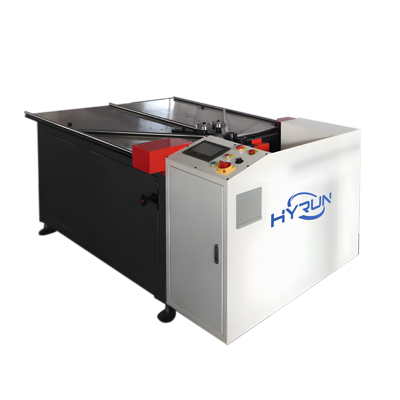
With more than 20 years of experience, HYRUN Technology delivers reliable air duct machinery solutions. The company manufactures a full range of equipment, including spiral duct machines, round and rectangular duct machines, welding systems, auto duct lines, and CNC sheet metal tools. All solutions emphasize ISO-certified quality for global HVAC and precision sheet metal fabrication needs.
Precision stands as a foundational requirement. Modern equipment delivers accurate cuts, bends, and seams that ensure proper fit and minimal air leakage in completed systems. CNC integration allows programmable controls for repeatable results across production runs.
Ease of operation improves through intuitive interfaces and automated sequences. Operators can adjust parameters quickly, reducing training time and supporting flexible production schedules.
Maintenance accessibility helps minimize downtime. Well-designed machines provide clear access to components for routine servicing, lubrication, and part replacement.
Versatility enables manufacturers to switch between duct shapes, sizes, and materials without major retooling. This capability supports diverse project requirements, from standard residential systems to large-scale commercial installations.
Durability comes from robust construction using high-quality components. Long service life and stable performance contribute to strong return on investment for fabrication shops.HYRUN Technology incorporates these attributes across its product lineup, offering automated and hydraulic solutions that balance performance with practical operation in real-world workshops.
Spiral duct machines operate by feeding metal strip into a series of angled forming rollers. The material wraps continuously around a mandrel or mold, creating a locked seam as it advances. Cutting systems then trim the duct to specified lengths. The process yields strong, lightweight ducts with low friction loss.
Round duct machines typically combine decoiling, rolling or forming, flanging, and seam closing. Hydraulic or electric drives shape the material while precision tools prepare edges for joining.
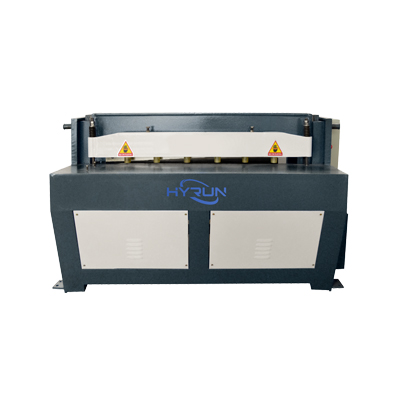
Rectangular duct production follows a sequence of shearing or cutting flat sheets to size, applying notches or beads for stiffness, forming flanges, and folding panels into box sections. Lock forming or Pittsburgh seams create longitudinal joints.
Welding equipment applies targeted heat or pressure to fuse metal edges. Automatic systems follow programmed paths for consistent bead quality, while manual or semi-automatic options suit custom or repair work.
Auto duct lines synchronize multiple stations under centralized control. Sensors and PLC systems coordinate material flow, ensuring each step aligns for efficient throughput with reduced waste.CNC laser cutting machines use focused beams guided by digital files to produce complex shapes with tight tolerances and clean edges, minimizing secondary finishing.
These principles highlight the importance of matching equipment to specific duct requirements for optimal airflow performance and structural strength.
Compliance with established guidelines ensures safety, performance, and reliability. Many manufacturers, including HYRUN Technology, maintain ISO certification for their production processes and metal processing solutions.
Organizations such as SMACNA and ASHRAE publish widely referenced standards covering duct construction, materials, reinforcement, and installation methods. These address pressure classes, seam types, hanger spacing, and leakage limits to support proper system operation.Material specifications often reference standards for galvanized steel, stainless steel, and aluminum, including thickness and coating requirements. Fabrication practices must align with these to achieve rated pressure and velocity performance.
Energy efficiency considerations influence equipment selection and process design. Machinery that reduces scrap and supports precise forming helps manufacturers meet broader sustainability goals in HVAC projects.
Adhering to these standards builds product reliability and supports successful integration into building systems worldwide.
Advancements continue to focus on higher automation levels and data-driven operations. Integrated lines with enhanced controls allow faster changeovers and consistent quality at scale.
Real-time monitoring capabilities help track production metrics, material usage, and equipment health. This supports better scheduling and proactive servicing.
Optimization tools can refine cutting patterns and forming sequences to lower material consumption while maintaining strength.
Sustainable practices gain emphasis, including equipment designs that consume less energy and processes that generate less waste. Manufacturers explore ways to incorporate recycled materials where specifications allow.HYRUN Technology stays aligned with these directions by developing practical, robust solutions that address current and evolving needs in air duct machinery.
What materials are commonly used in duct fabrication machines?
Galvanized steel, stainless steel, and aluminum are the primary choices. Each offers different levels of corrosion resistance, strength, and cost, allowing fabricators to match material to the project environment and performance requirements.
How does automation benefit duct production compared to manual methods?
Automated lines and machines increase output speed, improve dimensional accuracy, and reduce labor demands. They also lower the risk of inconsistencies that can affect airflow or require rework on the job site.
What factors should be considered when choosing a spiral duct machine?
Key considerations include maximum and minimum duct diameters, material thickness range, roller configuration, cutting method, and overall production speed. Shop space and power requirements also play a role in the decision.
Are rectangular ducts or spiral ducts better for HVAC systems?
The choice depends on the application. Spiral ducts often provide lower pressure loss and use less material, while rectangular ducts offer easier fitting in constrained spaces and simpler connections in some layouts.
How important is maintenance for long-term performance of duct fabrication equipment?
Regular maintenance, including lubrication, alignment checks, and blade or tool inspection, helps sustain accuracy and prevents unexpected breakdowns. Proper care extends machine life and keeps production running smoothly.