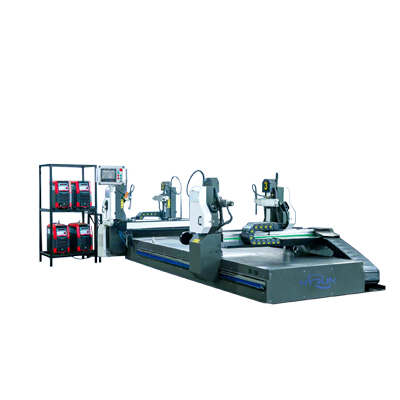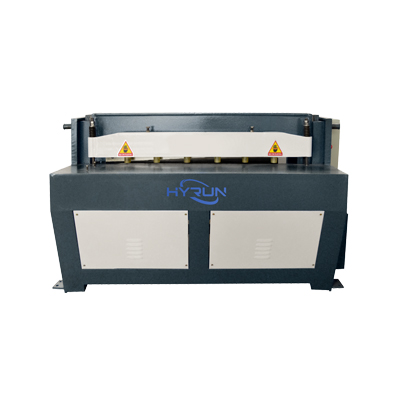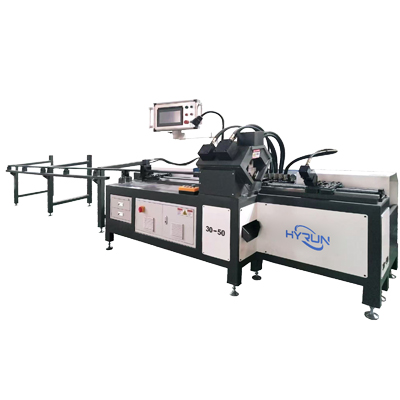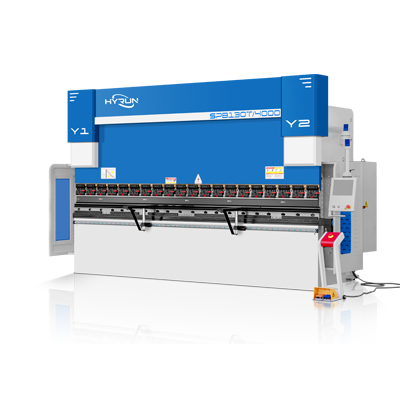
Spiral air ducts serve as an essential component in modern ventilation and HVAC systems, widely applied in residential, commercial, and industrial environments. These round ducts distinguish themselves through superior efficiency, strength, and straightforward installation. Ventilation ducts are generally classified by shape into square and round types, with spiral ducts forming a specialized subcategory within the round group.
On the market, spiral ducts are typically available in three main material categories: galvanized spiral ducts, stainless steel spiral ducts, and composite spiral ducts. Stainless steel variants provide the highest quality and broadest applicability but come at a premium cost. Galvanized spiral ducts dominate due to their excellent performance-to-price ratio, offering characteristics very similar to stainless steel while typically costing only about two-thirds or less. Composite spiral ducts are best suited for standard environments where external conditions are not extreme and performance demands remain moderate.
The galvanization process is crucial for durability. Iron sheets are naturally prone to corrosion and rust in many environments, whereas zinc remains stable in dry air and forms a dense protective layer of basic zinc carbonate in humid conditions. By coating the iron sheet with zinc, manufacturers effectively shield the base material. Additional post-treatments such as passivation, dyeing, or application of light protectants significantly improve both corrosion resistance and visual appeal.
Spiral ducts offer numerous practical advantages that contribute to their widespread use. Their surface appears smooth and clean, with a consistent silvery-white finish free of zinc buildup or rough edges. Installation is simplified thanks to fewer connection points compared to conventional duct systems. They produce minimal ventilation resistance and operate quietly. Structural strength and rigidity are both excellent, ensuring reliable performance over time.
The thickness of the zinc coating can be precisely controlled, generally ranging from 5 to 107 micrometers, allowing adaptation to specific project requirements. The galvanizing method avoids hydrogen embrittlement and heat-related damage, preserving the original mechanical properties of the material. In many applications, it serves as a practical substitute for traditional hot-dip galvanizing. These ducts demonstrate strong corrosion resistance, frequently withstanding neutral salt spray tests for up to 240 hours, making them suitable for exposure to strong acids, alkaline mists, and other aggressive environments. Additionally, they can be custom-designed in various specifications to meet individual customer needs.
Mechanically produced spiral ducts provide exceptional airtightness, greatly reducing air leakage at joints. They combine high strength with good rigidity, while maintaining low ventilation resistance and noise levels—round shapes consistently outperform square ones in these aspects. Installation is fast and efficient with minimal connection points, and the finished product delivers a high-quality, visually appealing appearance.
One major benefit is the significant reduction in joints: standard spiral duct lengths range from 3 to 6 meters, compared to only 1 to 1.5 meters for rectangular ducts. Joining two spiral sections requires just a single connection, whereas rectangular systems often need elaborate double-flange arrangements. This design greatly lowers the risk of leaks.
Spiral ducts are standardized products, with fittings and connectors benefiting from high levels of automation, systematic production, and consistent industrial quality control.Installation costs are considerably lower, as circular duct systems typically require only about one-third the time needed for equivalent rectangular installations. They demand minimal installation space; for example, a 200 mm diameter round duct can replace a 250×150 mm rectangular one without increasing pressure loss, and multiple parallel round ducts often occupy less overall space than flat rectangular alternatives.
Circular ducts exhibit significantly lower wind resistance than rectangular ones, resulting in improved airflow efficiency. Advanced bite-forming techniques using durable imported equipment ensure the galvanized surface remains undamaged, extending service life. Seams are uniform, tight, and robust, contributing to superior airtightness, while safety sealing rings provide additional leak protection.
The characteristic spiral corrugated rib process greatly enhances pressure resistance. After incorporating these ribs, the thickness at the bite and lock seams becomes four times that of the pipe body, delivering outstanding rigidity and firmness. This structural advantage allows material thickness to be reduced by up to 15% without sacrificing performance, resulting in cost savings. For the same cross-sectional area, a rectangular duct with a 1:3 aspect ratio has a 40% longer perimeter than a spiral duct, leading to higher material consumption; insulation requirements are similarly reduced.
When ductwork remains visible as part of an architectural design, the elegant, three-dimensional appearance of spiral ducts creates a refined and modern aesthetic. Socket-type connections further streamline the assembly process.
Spiral ducts are extensively used in ventilation systems to supply fresh air and exhaust harmful gases to the outdoors. Their ability to handle large airflow volumes with low resistance makes them highly cost-effective, most commonly utilizing galvanized iron in standard conditions and stainless steel in corrosive or highly humid environments.
In air-conditioning systems, spiral ducts readily accept insulation materials and present an attractive exterior finish. They prove particularly effective for oil fume exhaust in restaurant, hotel, and commercial kitchen settings, offering strength, economy, and practicality. Dust removal systems benefit from their use in particle collection and transport, while pneumatic conveying applications efficiently handle finer bulk materials at low cost.
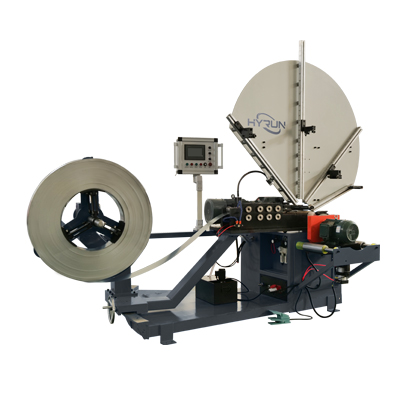
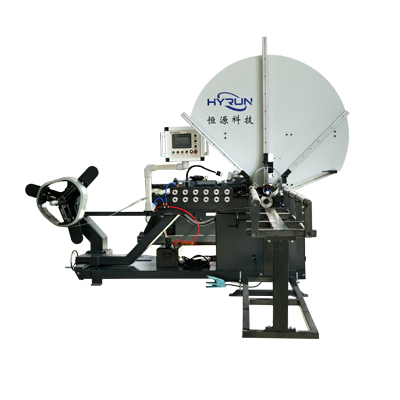
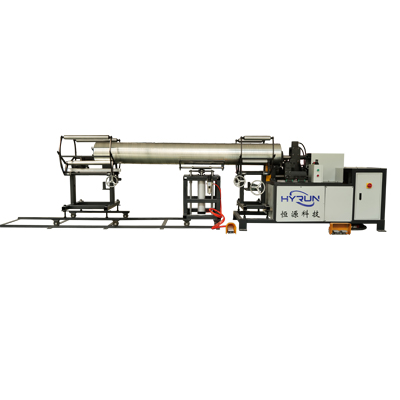
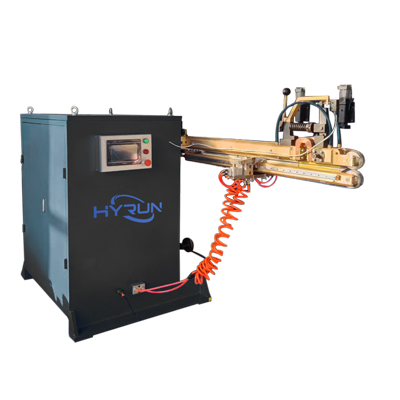
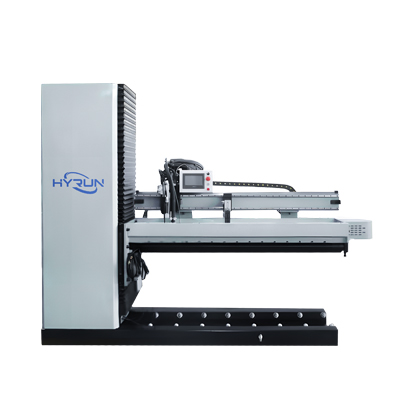
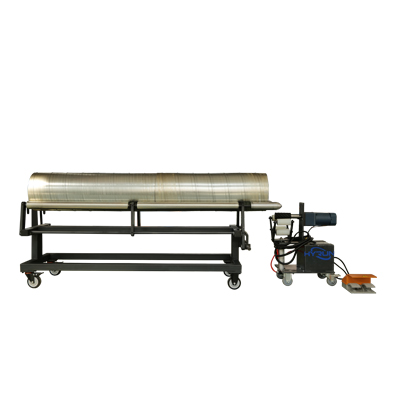
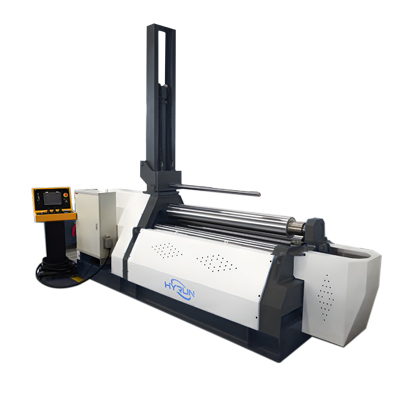
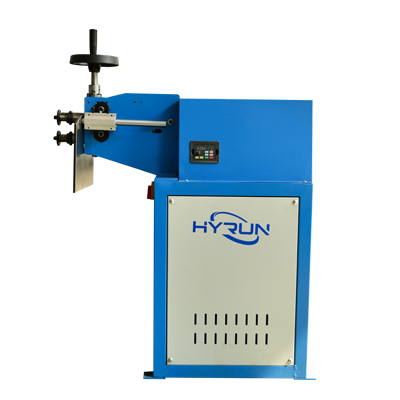
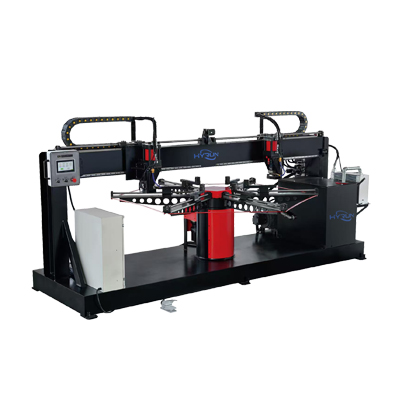
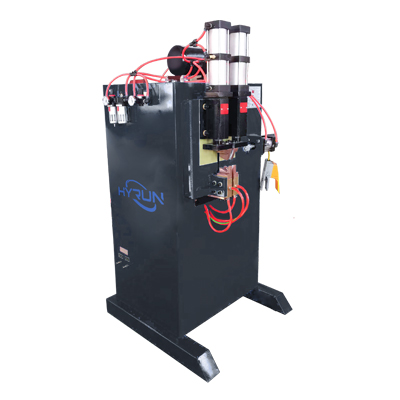
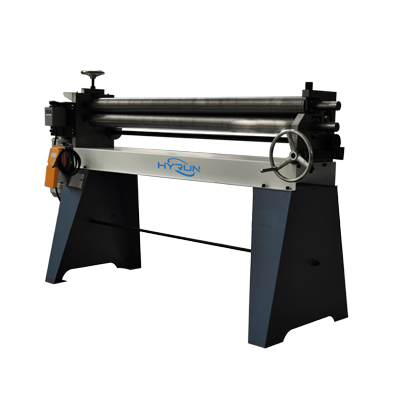
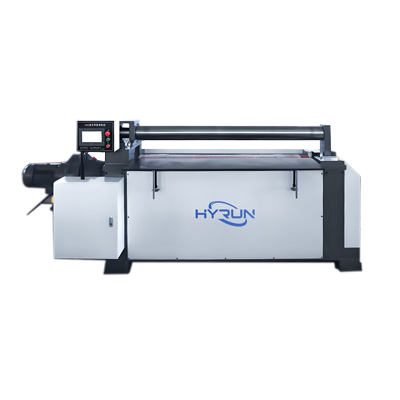
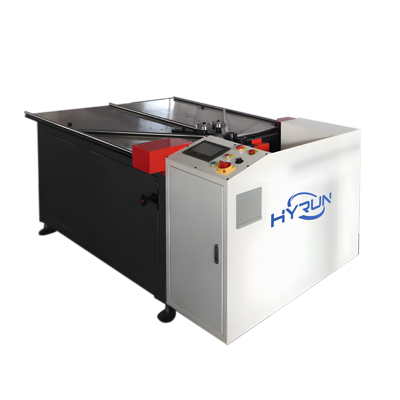
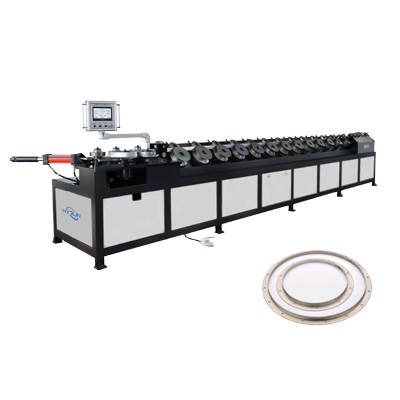
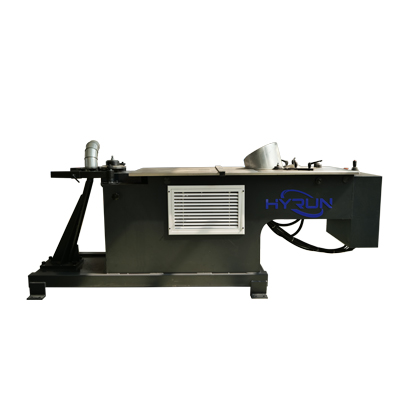
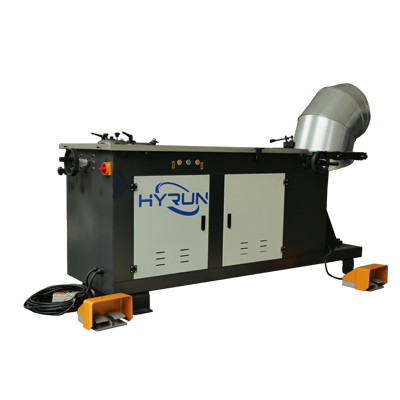
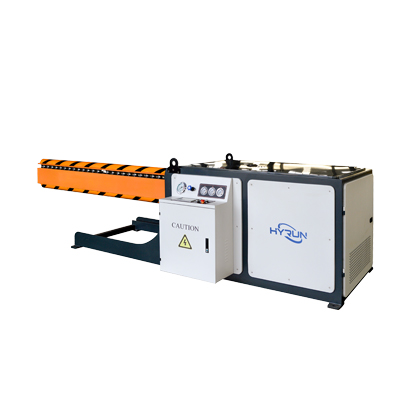
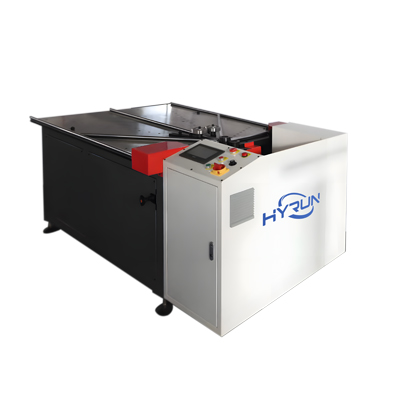
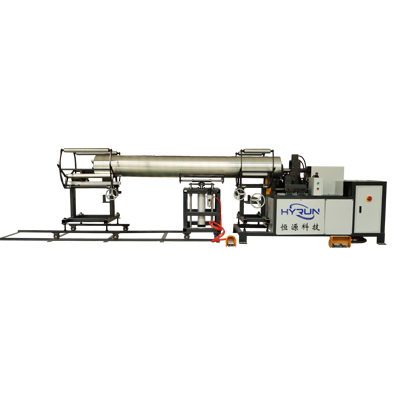
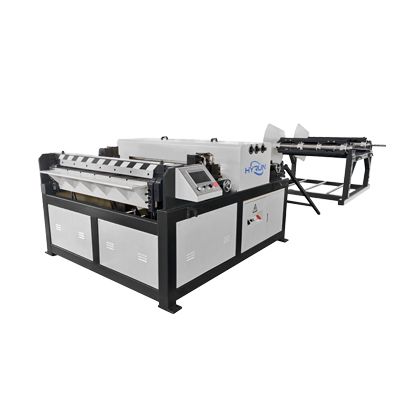
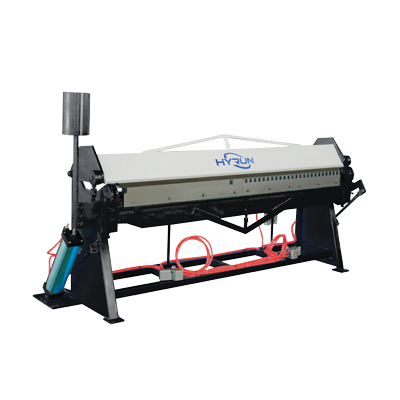
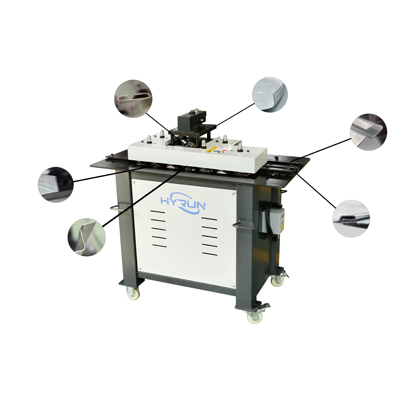
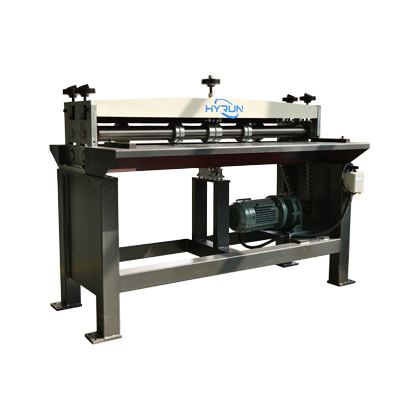
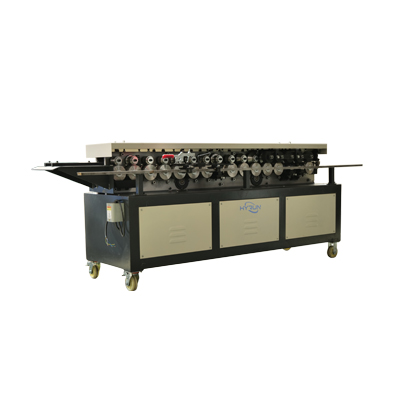
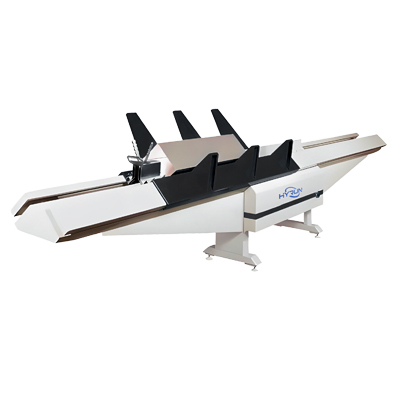
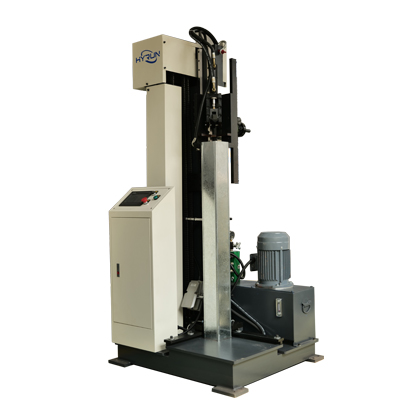
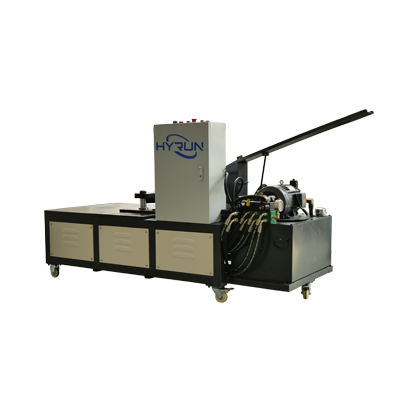
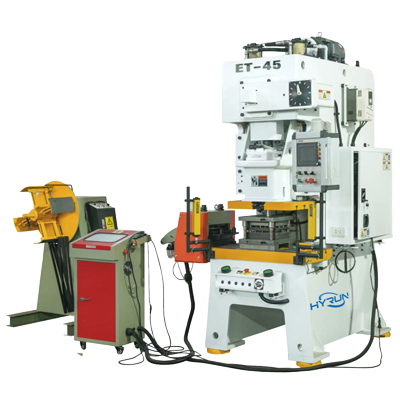
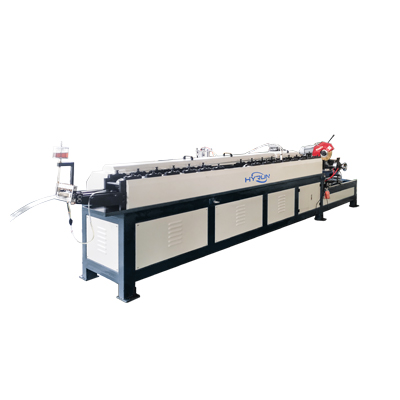
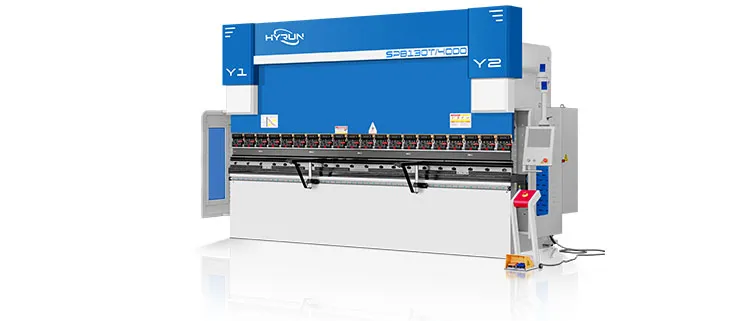
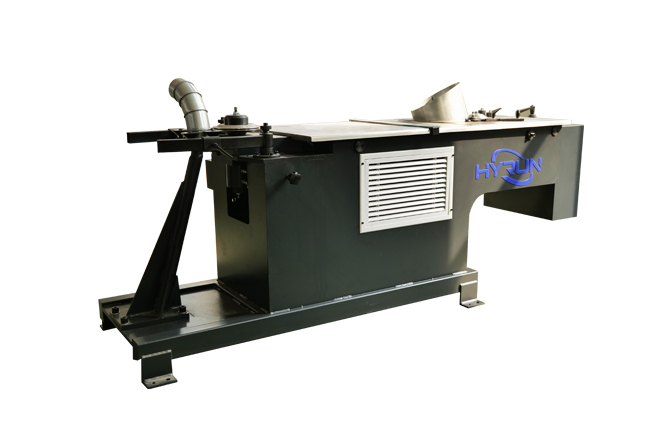
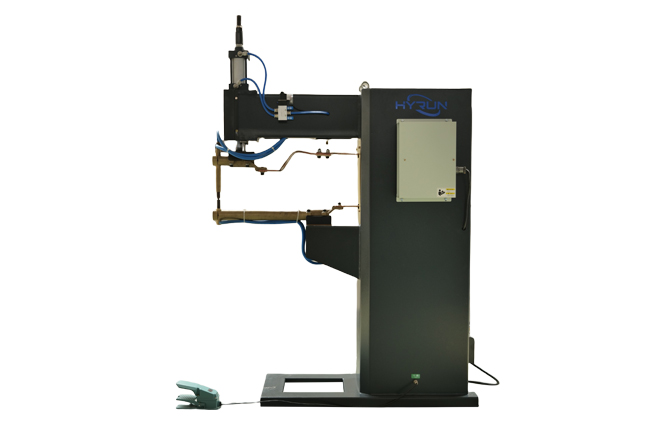
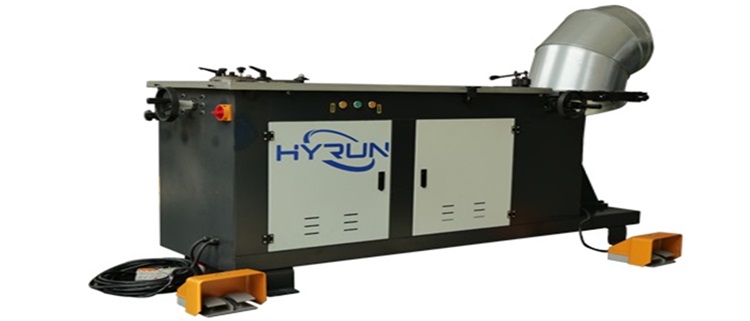
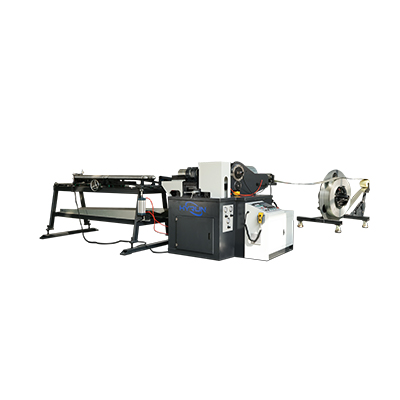
The spiral duct forming machine enables efficient and precise production of galvanized, stainless steel, or composite ducts, making it a cornerstone for modern HVAC fabrication. Contemporary fully automatic models of the spiral duct machine prioritize energy efficiency and environmental performance through continuous advancements in design, manufacturing technology, and equipment upgrades.
These versatile machines, often referred to as spiral pipe machine in various industrial contexts, trace their origins to early military applications in Western countries, such as warship ventilation systems. Over time, they have expanded into civilian sectors, including trains, subways, and mining operations. They handle a wide variety of materials—including stainless steel, galvanized steel, aluminum, and copper—thanks to automated coiling, precise measurement, and digital control systems that support the creation of diverse pipe configurations with consistent quality and minimal waste.
By integrating these advanced spiral duct forming machine technologies, manufacturers achieve higher productivity, better seam integrity, and greater flexibility in diameter and length options, meeting the demands of both standard and custom HVAC projects effectively.
Proper operation of a spiral duct machine begins with thorough preparation. Operators must be fully familiar with the equipment’s structure, functions, and usage, and receive managerial approval before starting. Pre-start checks should include verification of all safety devices.
During operation, never place feet on drive components or workpieces, ensure the clutch is returned to neutral after disconnection, require supervised cooperation for multi-person tasks, and strictly avoid overloading. Upon completion, disconnect power, lock the control box, reset upper roll components correctly, and clean the machine thoroughly.
Maintenance practices include checking pressure gauges every six months, adhering to recommended lubrication limits, applying anti-rust oil during extended shutdown periods, using only properly filtered oil, employing No. 46 wear-resistant hydraulic oil within a 15–60°C temperature range, regularly lubricating sliders and columns, and replacing operational oil annually (with no interval exceeding three months).
By choosing high-quality spiral duct machines, operating them correctly, and performing consistent maintenance, manufacturers can reliably produce durable, high-performance spiral air ducts for the long term. These ducts deliver an efficient, robust, and visually appealing solution for air distribution across a wide range of building and industrial applications.