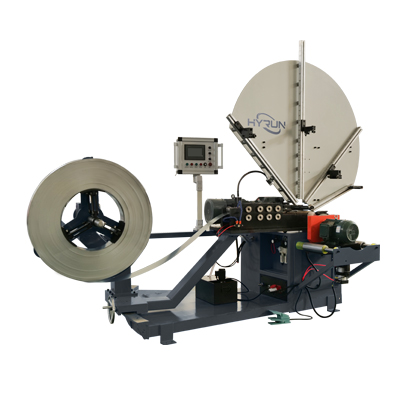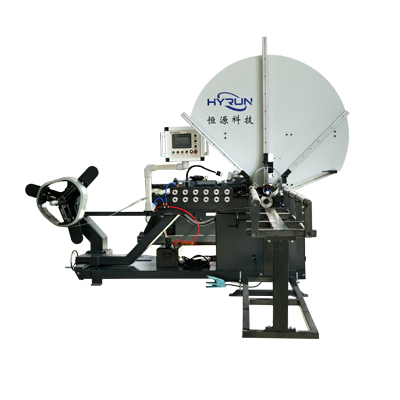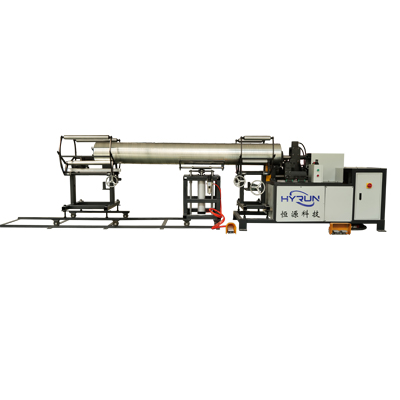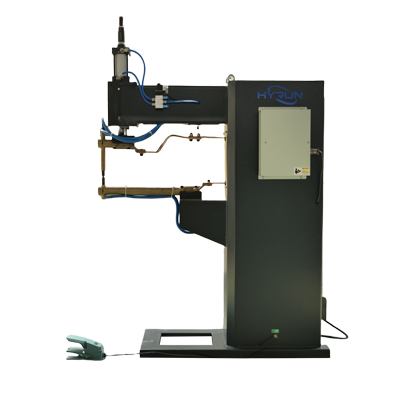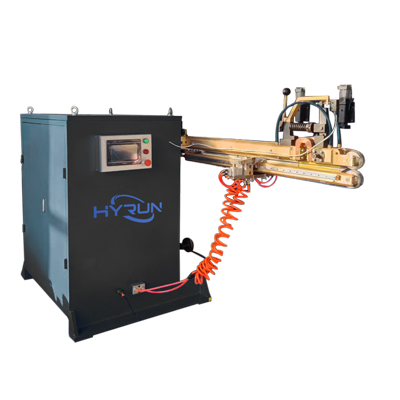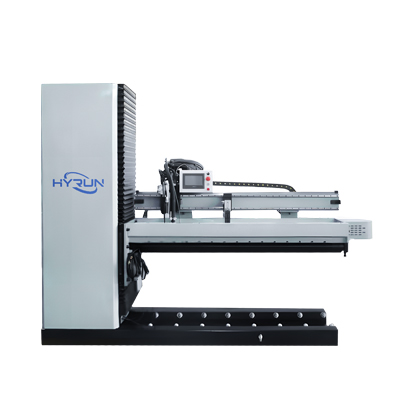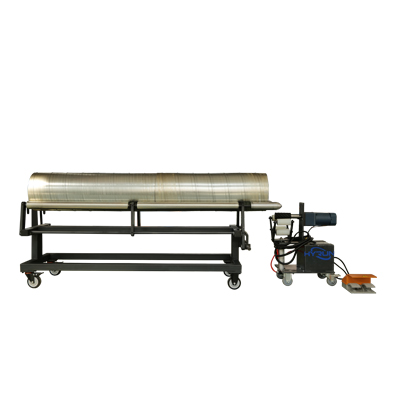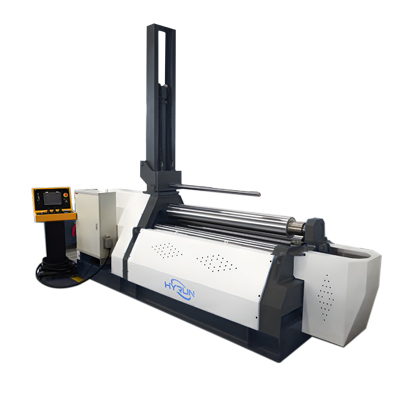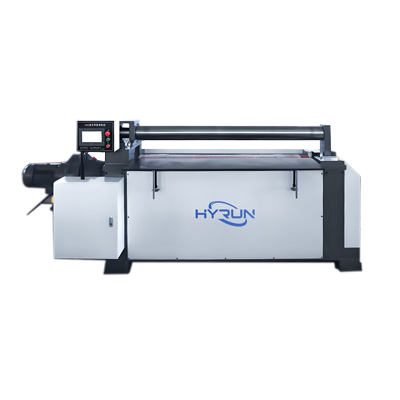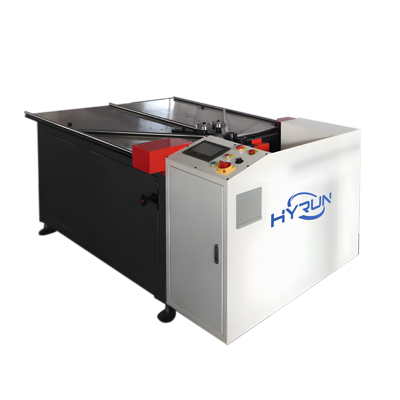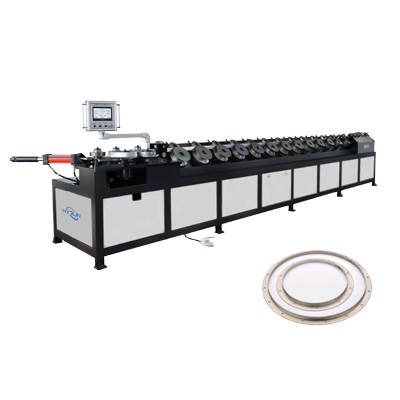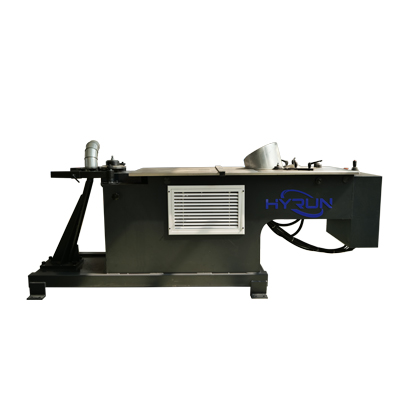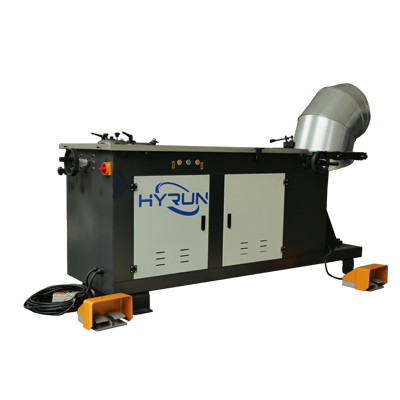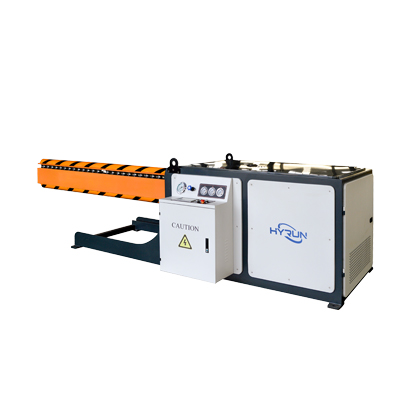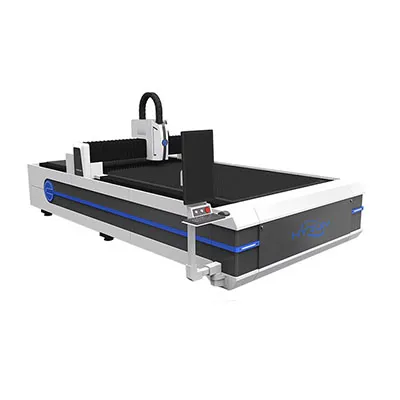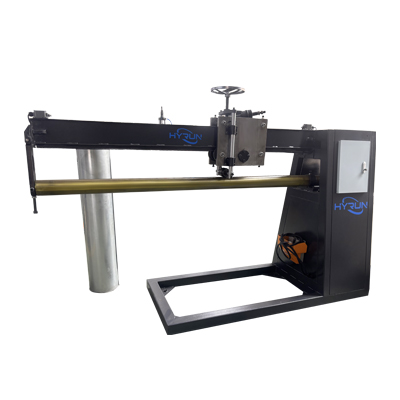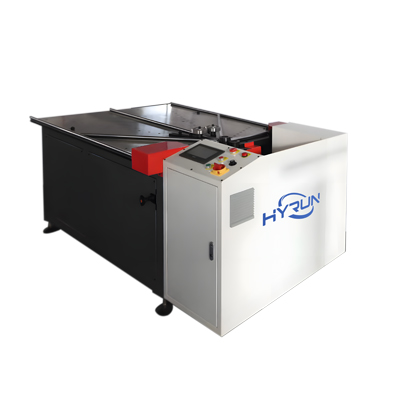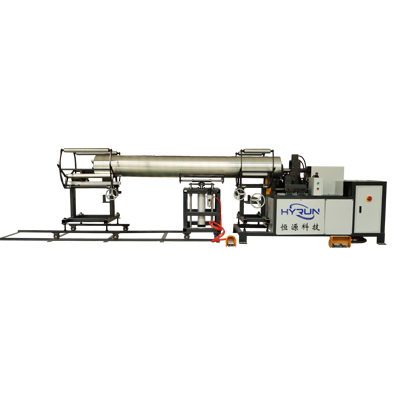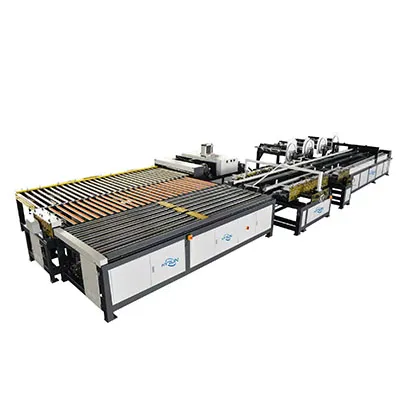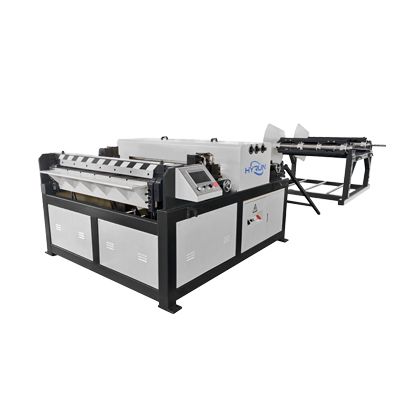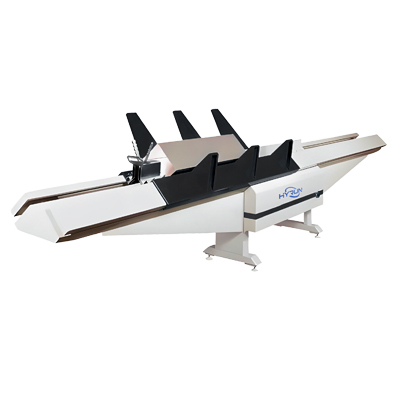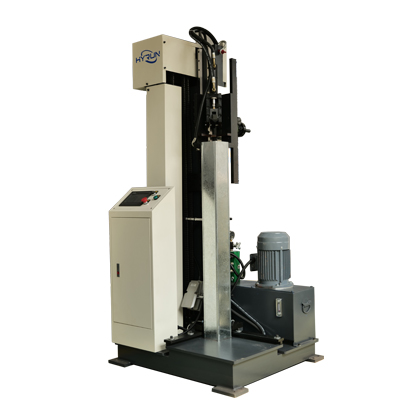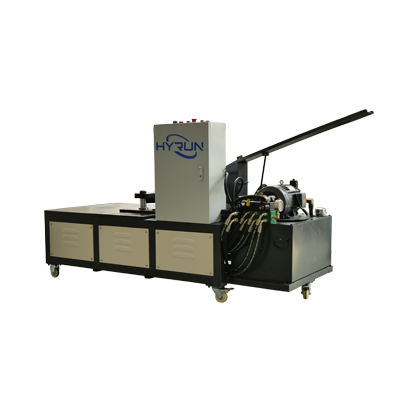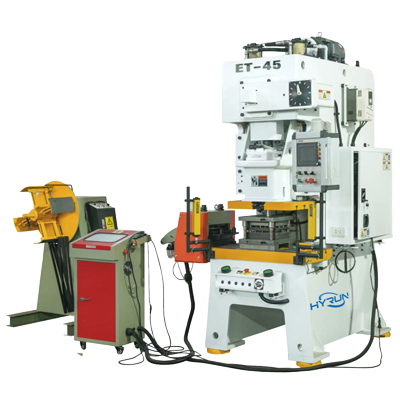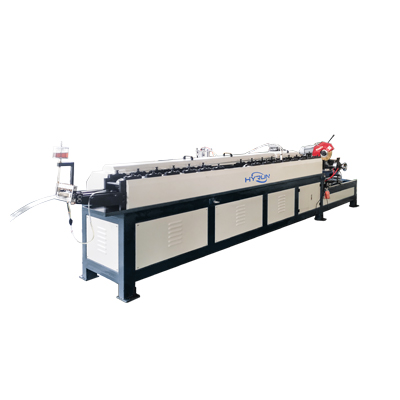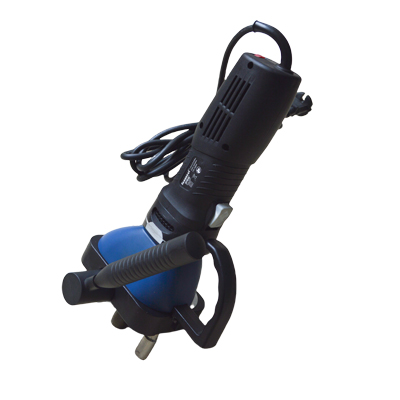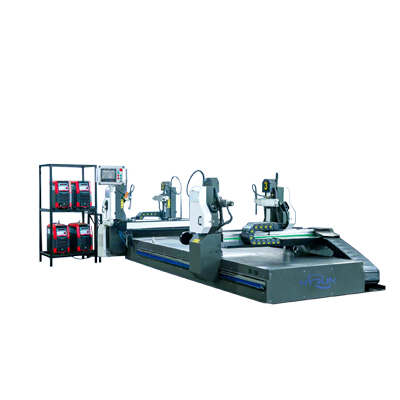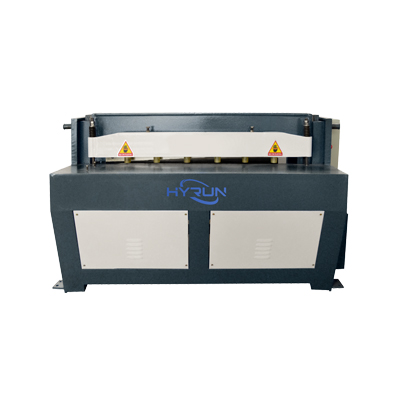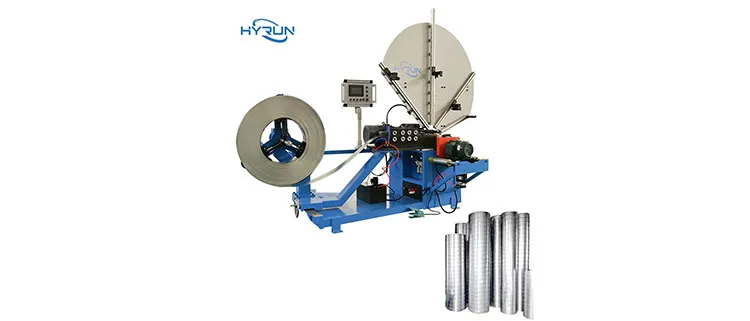
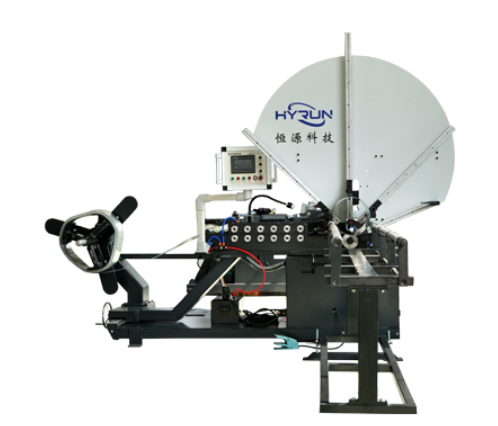
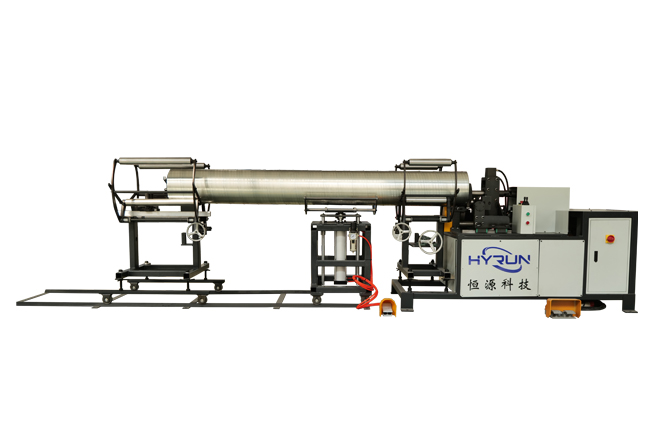
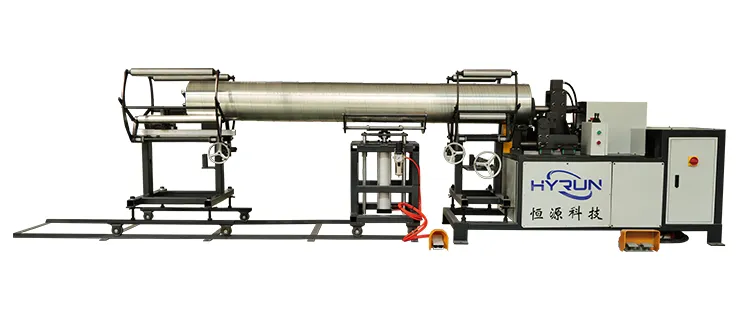
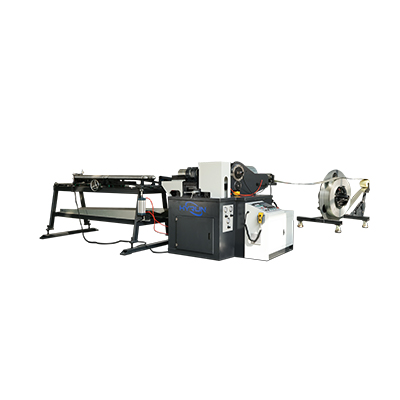
A spiral ductwork machine is a specialized automated system designed to continuously form flat metal coils into strong, rigid spiral round ducts with a distinctive helical lock seam. These machines have become essential in modern HVAC manufacturing because they enable efficient production of ducts that offer superior airflow characteristics, lower leakage rates, and faster installation compared to traditional rectangular alternatives. The importance of these machines lies in their ability to deliver continuous duct production, automated seam locking, significantly reduced labor requirements, and consistently high product quality. Unlike manual or sectional methods that require multiple steps and operators, a well-chosen spiral duct machine streamlines the entire process from coil feeding to finished duct, allowing manufacturers to meet tight project deadlines while controlling costs.
Coil Steel → Feeding → Spiral Forming → Lock Seam → Cutting → Finished Duct

Production capacity is often the single most important factor when selecting a spiral duct machine production capacity that matches your operation. Over-investing in a high-speed line for low-volume work wastes capital, while under-sizing limits growth potential.
Local HVAC contractors and small duct fabrication shops typically produce 1,000–5,000 meters per month. For these operations, compact entry-level or semi-automatic spiral duct machines provide an excellent balance of affordability and performance without requiring extensive factory modifications.
Facilities handling 5,000–20,000 meters monthly benefit from standard automatic machines that offer higher speeds, better automation, and the ability to run longer shifts with minimal supervision. These models help medium manufacturers compete on larger commercial projects while improving margins.
High-volume plants exceeding 20,000 meters per month need robust high-speed spiral duct lines with advanced PLC controls, automatic cutting, and integration capabilities for full production lines. These systems maximize output and minimize per-meter costs in competitive industrial markets.
| Factory Size | Recommended Machine Type |
|---|---|
| Small Shop | Entry-Level Spiral Duct Machine |
| Medium Factory | Standard Automatic Machine |
| Large Plant | High-Speed Spiral Duct Line |
Duct diameter range directly influences machine selection, as different models are optimized for specific size categories. Understanding your project mix is crucial for spiral duct diameter range compatibility.
Machines handling 80–500 mm diameters are ideal for residential HVAC systems and smaller ventilation projects. These compact models offer excellent precision for tight spaces common in homes and apartment buildings.
The 500–1500 mm range covers most commercial applications, including office buildings, shopping centers, hotels, and hospitals. Versatile machines in this category provide the flexibility most manufacturers need for day-to-day operations.
For demanding industrial applications such as airports, factories, data centers, and large ventilation systems, look for machines capable of 1500–2500 mm+ diameters. These heavy-duty models require robust construction and powerful forming systems.
| Application | Typical Duct Diameter |
|---|---|
| Residential HVAC | 80–500 mm |
| Commercial HVAC | 500–1500 mm |
| Industrial Ventilation | 1500–2500 mm |
Material versatility determines how adaptable your equipment will be to different project specifications. A quality spiral duct machine material thickness capability ensures you can handle common HVAC materials without limitations.
The most widely used material in HVAC ductwork, galvanized steel in 0.4–1.2 mm thickness requires machines with strong forming rollers and reliable seam locking systems for consistent results.
Essential for food processing plants, pharmaceutical facilities, cleanrooms, and corrosive environments, stainless steel processing demands precision controls and durable components.
Lightweight aluminum ducts are popular in applications where weight reduction matters, such as marine or specialized architectural projects. Machines must handle its unique forming characteristics smoothly.
| Material | Typical Thickness |
|---|---|
| Galvanized Steel | 0.4–1.2 mm |
| Stainless Steel | 0.4–1.0 mm |
| Aluminum | 0.5–1.2 mm |
Automation level significantly impacts labor costs and output consistency. Understanding the differences between manual, semi-automatic, and fully automatic models helps match technology to your operational reality.
These lower-investment options still require substantial operator involvement and are best suited for very small shops or highly customized short runs where flexibility outweighs speed.
Offering a practical middle ground, semi-automatic models reduce manual labor while remaining affordable. They are popular among growing manufacturers transitioning from traditional methods.
Designed for high-volume manufacturing, these systems enable continuous production, dramatically reduced labor costs, and excellent consistency across long production runs. They represent the future of efficient automated HVAC duct fabrication.
| Feature | Manual | Semi-Automatic | Automatic |
|---|---|---|---|
| Labor Requirement | High | Medium | Low |
| Output Capacity | Low | Medium | High |
| Product Consistency | Medium | High | Excellent |
Long-term reliability depends on build quality. When evaluating spiral duct machine quality, focus on structural integrity and component excellence.
A heavy-duty welded steel frame provides the stability needed for consistent forming under high-speed operation and prevents vibration-related defects.
Precision-machined, hardened rollers ensure smooth forming and long service life even when processing tougher materials like stainless steel.
Stable PLC or CNC controls with user-friendly interfaces allow precise parameter setting and repeatable production runs.
International brand electrical parts improve reliability and simplify maintenance and troubleshooting.
Many buyers focus heavily on initial price, but comprehensive spiral duct machine support often determines real-world productivity and total cost of ownership. Look for suppliers offering professional installation, thorough operator training, readily available spare parts, responsive technical assistance, and remote troubleshooting options. Strong after-sales support minimizes costly downtime and extends machine lifespan significantly.
Smart investment analysis goes beyond purchase price to projected savings and increased revenue potential. For example, a factory producing 10,000 meters monthly with 10 operators can often reduce to 4 operators after implementing a modern spiral duct machine, achieving approximately 60% labor savings. Many manufacturers report full payback within 12–24 months through combined labor reduction, higher output, and lower waste rates.
| Metric | Manual Production | Spiral Duct Machine |
|---|---|---|
| Labor Cost | High | Low |
| Output | Medium | High |
| Waste Rate | Higher | Lower |
| ROI Timeline | Slow | Faster |
Use this practical checklist to evaluate options systematically:
√ Scalable for Future Expansion Needs
With nearly 20 years of industry experience, HYRUN Technology has focused on advancing air duct processing and metalworking equipment through continuous research and innovation. The company has developed a fully integrated operation that includes R&D, production, sales, and after-sales service, enabling it to deliver dependable and efficient solutions to HVAC manufacturers across global markets. Guided by the principle that quality is rooted in craftsmanship and growth is driven by innovation, HYRUN consistently works to improve both product performance and customer value.
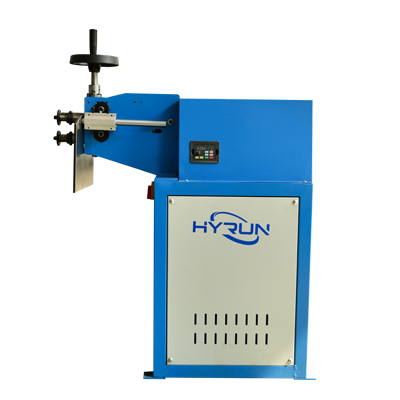
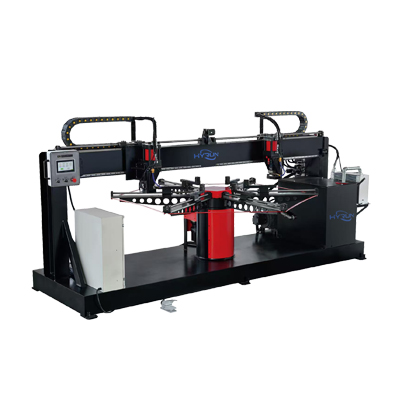
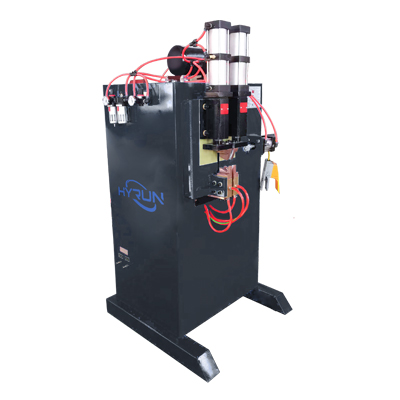
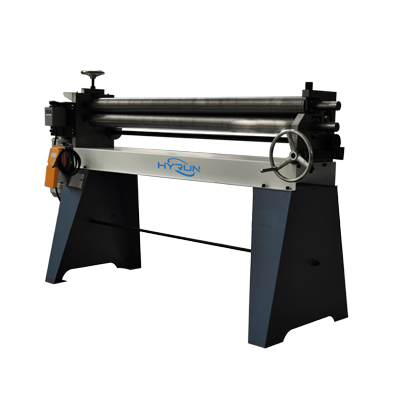
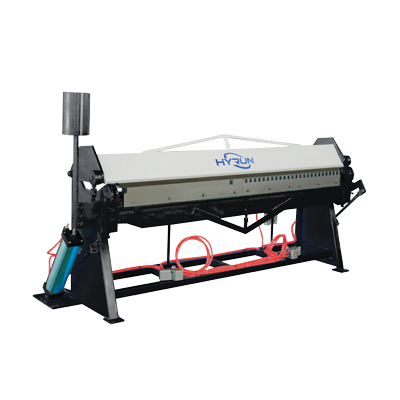
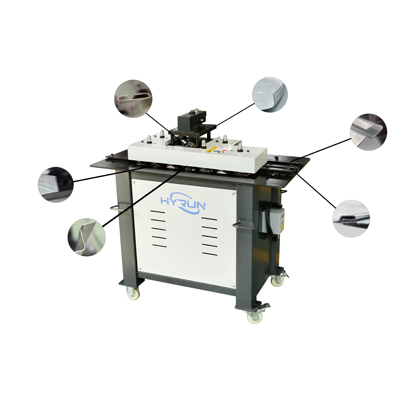
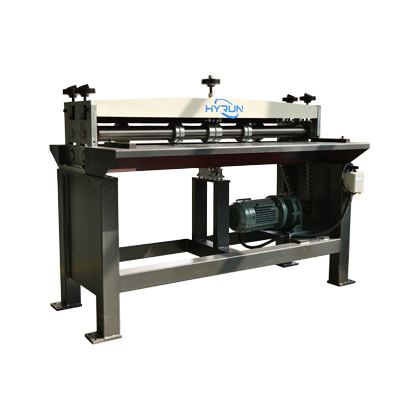
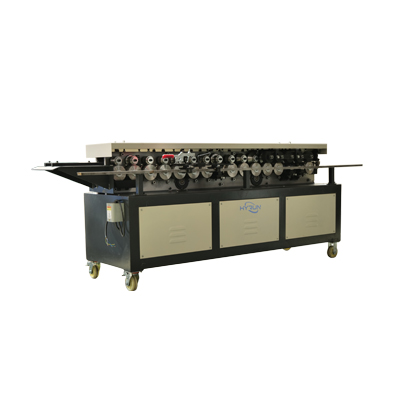
HYRUN offers a comprehensive range of HVAC manufacturing equipment designed to meet diverse production needs. Its spiral duct machines are engineered for high-speed, efficient duct formation, while round duct machines provide precise and reliable fabrication capabilities. For more complex requirements, HYRUN delivers complete rectangular duct production systems that streamline manufacturing processes. The company also supplies automated duct welding machines that ensure consistent weld quality, along with intelligent auto duct lines tailored for large-scale, modern production environments. In addition, HYRUN provides advanced sheet metal processing equipment to support various fabrication tasks, as well as original spare parts and accessories to maintain optimal machine performance and longevity.
HYRUN stands out for its extensive industry expertise and strong technical foundation, supported by a dedicated R&D team that continually refines its technologies. By offering factory-direct pricing, the company helps customers achieve cost efficiency without compromising on quality. Its global technical support network ensures timely assistance, while customized manufacturing solutions allow businesses to address specific production challenges. Fast spare parts availability minimizes downtime, and a well-structured after-sales service system provides ongoing operational support, making HYRUN a reliable long-term partner.
The best machine depends on your specific production volume, diameter needs, and budget. Medium to large factories generally benefit most from fully automatic high-speed models with strong after-sales support.
Select a machine that comfortably covers 80-80% of your typical project diameters. Most manufacturers find 100-1500 mm or 150-2000 mm ranges provide excellent versatility.
Well-implemented systems commonly reduce labor requirements by 50-70%, depending on previous methods and automation level.
For medium and large operations, yes. The productivity gains and labor reductions typically deliver strong long-term returns.