
EN

How to Make Ventilation Duct

Table of Content [Hide]

    Ventilation ducts are essential metal or composite conduits widely employed in the ventilation and air conditioning systems of industrial and civil buildings. They serve as key infrastructure for facilitating air circulation and lowering the levels of harmful gases. These ducts come in various materials and applications, with shapes primarily categorized into rectangular (square) and circular types. Among metal rectangular ducts, galvanized sheet ventilation ducts and stainless steel variants are the most prevalent.


    Galvanized sheet ducts stand out due to their lower material costs and simpler processing requirements, making them far more commonly used than stainless steel options. They are extensively applied in smoke extraction and general ventilation setups across municipal and industrial facilities. In contrast, stainless steel ducts, while offering superior tensile strength, present greater processing challenges because of significant rebound deformation during forming. However, their excellent corrosion resistance makes them ideal for demanding environments, such as kitchen exhaust hoods or areas requiring high cleanliness and hygiene standards.


    Although ventilation ducts appear straightforward in design, their internal construction and fabrication involve considerable complexity, requiring precision to achieve a fully formed, high-quality product. In earlier times, when technology was less advanced and industrial capabilities limited, ducts were produced almost entirely by hand, supplemented by basic tools. This approach resulted in low efficiency and inconsistent appearance.


    With advancements in science, technology, and industrial innovation, the introduction and widespread adoption of automated one-time forming machines have dramatically enhanced production efficiency. These developments have reduced time and costs while delivering superior quality and aesthetically pleasing finished ducts. The following sections outline the essential aspects of ventilation duct fabrication, covering both manual and automatic methods, with a focus on galvanized sheet processing.


    Key Points of Ventilation Duct Fabrication


    Successful fabrication begins with rigorous material inspection and handling. Sheets must come with valid material certificates and undergo visual checks to ensure they are flat, smooth, free of scratches, zinc layer damage, or other defects; any non-compliant material is rejected. Prior to processing, all oil residues are thoroughly removed through a careful cleaning procedure involving touching, wiping, and repeated inspections.


    To protect the zinc coating from scratches, wear, dust, or contamination during operations like cutting, undercutting, splicing, folding, and transport, a 3mm-thick rubber mat is placed on the work surface, with blanking performed directly on it. Materials are handled using storage racks or four-wheel trolleys to avoid ground contact or dragging, while semi-finished items are stacked on platforms covered with rubber mats.


    Flange processing demands strict controls: profiles must be high-quality, rust-free, and free of pitting; welded joints require flatness within 0.5mm; galvanized rivets are used with spacing not exceeding 100mm (or 12mm for screw holes); holes must align precisely and be interchangeable; all welding slag, spatter, and rust are fully removed; and two coats of strongly adherent anti-rust primer are applied, ensuring no drips in holes or corners.


    For assembling inner pipes, components, and accessories, surfaces are first cleaned of dirt. After riveting, gaps and holes are sealed with glue or tin. Flanging must be uniform and exceed 7mm in width without obstructing screw holes, with overall flatness under 1mm. Finished products are stored horizontally by category, with careful protection of painted surfaces. Reinforcement stiffeners, when required, are placed only on the outer walls.


    Ducts, components, and accessories are typically joined using single bites, corner bites, or joint bites. Material cutting follows the sheet layout to minimize joints: rectangular ducts allow no joints within 800mm of the bottom edge width, one joint between 800-1000mm, and up to two within 2400mm; transverse splicing is prohibited, and the long-to-short side ratio should not exceed 4:1. Butt joints are single flat type, positioned with the flat surface inward without reversal. Flexible short pipes use soft rubber or high-quality artificial leather, ensuring smooth inner walls, glued longitudinal joints, and no holes or leaks.


    Air duct cleaning is critical, as galvanized sheets often retain grease that can attract dust during handling, installation, and operation, potentially increasing particle loads and affecting high-efficiency filters. Cleaning involves dust removal with clean or pure water (plus neutral agent) and degreasing with trichloroethylene or industrial alcohol. The sequence includes initial water rinsing, neutral agent washing, degreasing, final rinsing, and verification with a white silk cloth (合格 if no color change). Qualified ducts are immediately sealed with plastic film.


    After processing, ducts undergo thorough inspection. Upon passing handover checks, they are sealed tightly with high-quality flexible plastic film, bound with adhesive tape, and stacked by category.


    Ventilation Duct Processing Instructions


    To meet design requirements, ensure quality, and support on-site supervision, a dedicated small workshop is often set up for duct fabrication. Selected galvanized sheets must show no rust, with intact zinc layers after folding and biting. Processed ducts and fittings should have crack-free undercuts, secure riveted flanges without missing or loose rivets, evenly oiled angle steel flanges, no visible holes at outlets on tees, crosses, elbows, or rounds, square flange mouths, unbent or collapsed angles, no double layers at flange joints, and flexible valve operations.


    Construction Technical Measures


    To guarantee quality in line with design and national standards, the process follows a structured flow: preparing processing sketches, selecting certified high-quality galvanized steel sheets, blanking, shearing, undercutting, folding, forming, riveting flanges, flange shaping, and final inspection.


    Flange production involves straightening, blanking, rivet hole drilling, welding, bolt hole drilling, and painting of angle steel or iron. Sheet thickness varies by duct size (e.g., 0.6mm for widths up to 630mm, increasing to 1.2mm for larger). Flange and bolt specifications scale accordingly (e.g., 25×3mm angle steel with M6 bolts for smaller ducts).


    Reinforcement is required for long sides over 630mm, insulated ducts over 800mm side length, sections exceeding 1250mm, or flat areas over 1.2m², using center-line stiffeners. Tightness is ensured by addressing key nodes like undercut joints, interface gaps, riveting loopholes, and rivet issues through sealants or rubber strips.


    Decomposition diagrams are drawn from designs and site measurements, with processing plans, lists, and schedules prepared for workshop implementation. Suppliers must deliver quality materials per the plan, with engineers conducting on-site inspections.


    Processing Technology of Metal Air Duct


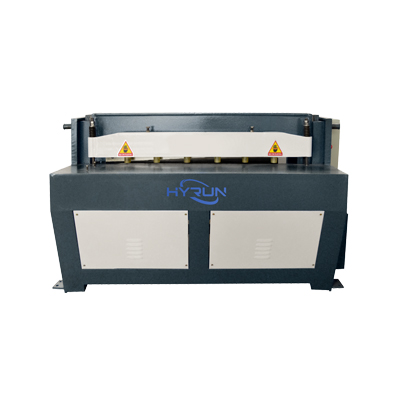
    Plate cutting requires rechecking marks to prevent waste, yielding neat, straight, smooth edges via hand tools or machines as conditions allow.


    Sheet connections use bite, rivet, or welding methods based on thickness and requirements.


    Bite connection, the most common for sheets under 1.2mm (galvanized) or similar limits, includes types like single, double, snap, angle, and corner bites (flat/vertical, longitudinal/transverse). Allowances and widths depend on thickness and machinery; processing ensures tight, consistent hems without half-bites or openings, preferably mechanically for better quality and efficiency.


    Rivet connections apply when biting limits are exceeded or specified, using calculated diameters, lengths, and spacing; rivets align perpendicularly, compress plates evenly, and arrange neatly (manual or mechanical).


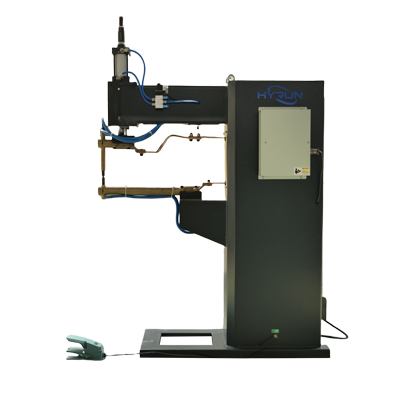
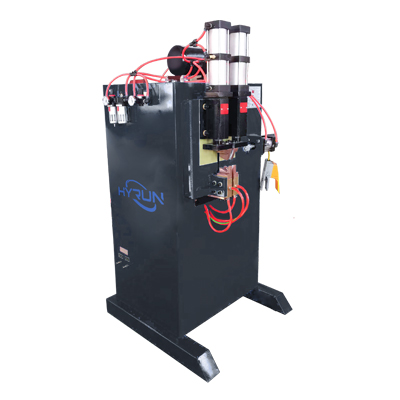
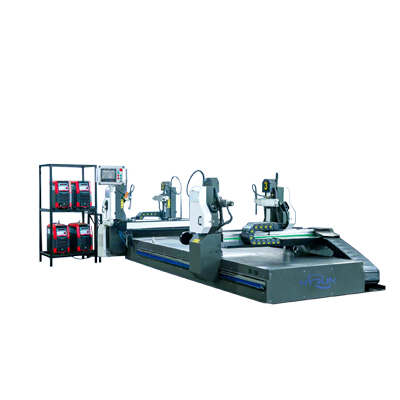
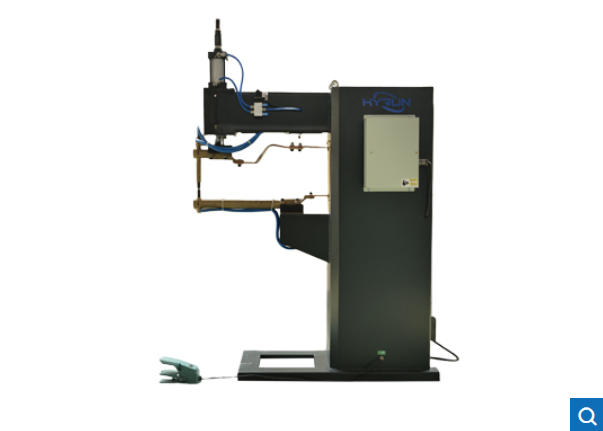
    Welding suits high-seal or thick-plate needs, employing methods like oxygen-acetylene, CO2 shielded, argon arc, electric, or contact welding; tin soldering fills bite gaps in thin sheets. Welds must be flat, crack-free, and without burn-through.


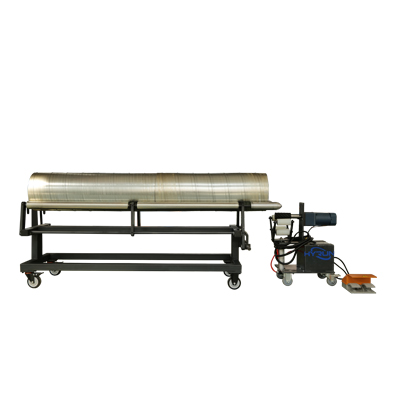
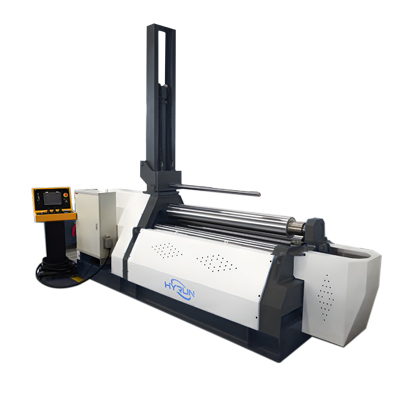
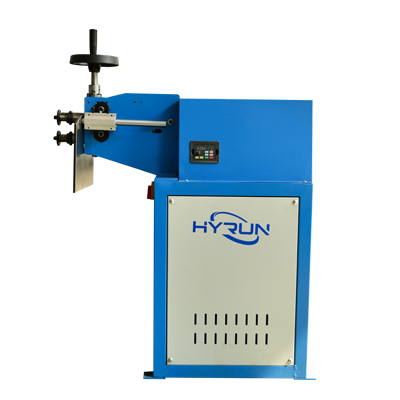
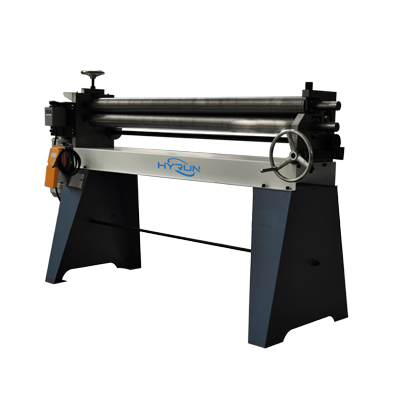
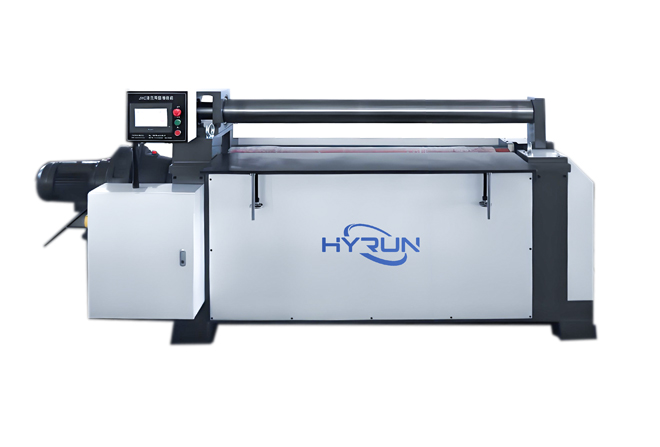
    Rolling circles (for round ducts) and folding can be manual or mechanical, ensuring uniform arcs and precise 90° angles without excessive force or marks.


    Fabrication of Ventilation System Components


    Air outlets (e.g., rectangular returns with grids) and adjustable types (single/double/triple-layer louvers) require flat surfaces (deviations ≤2mm), diagonal differences ≤3mm for rectangles, flexible rotations without rubbing, uniform blade spacing, and proper fits. Diffusers and orifices must be coaxial, burr-free, and lubricated post-assembly, with painting before installation.


    Air valves (plug, butterfly, multi-leaf, fire dampers, etc.) emphasize flexible mechanisms to prevent jamming, with appropriate shaft sizes, corrosion protection (copper/alloy bearings), firm construction, accurate controls, marked directions, and uniform blade overlaps. Fire dampers use ≥2mm thick shells and corrosion-resistant rotating parts.


    Hand Made Ventilation Duct


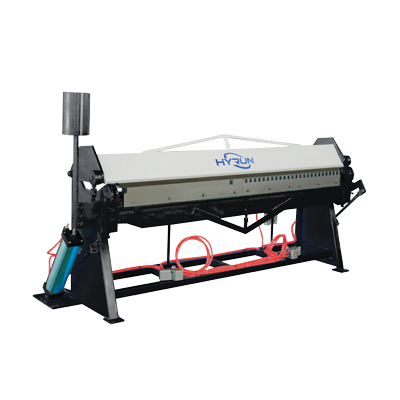
    In earlier periods, limited technology led to reliance on manual or semi-automatic methods. Processes included marking from full sheets/rolls, careful cutting with mechanical/manual shears (strict safety rules), chamfering, joining via bites/rivets/welding, precise allowances, uniform welds/rivets, safe machine operation, and careful folding/rolling/seaming to avoid cracks or inconsistencies.


    Fully Automatic Mechanical Ventilation Duct


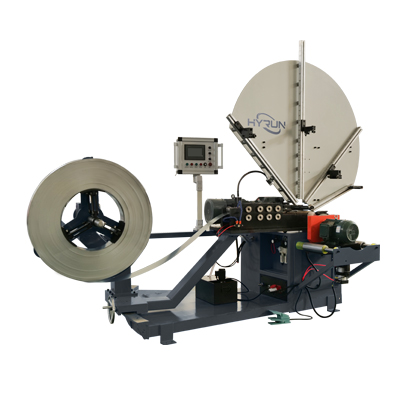
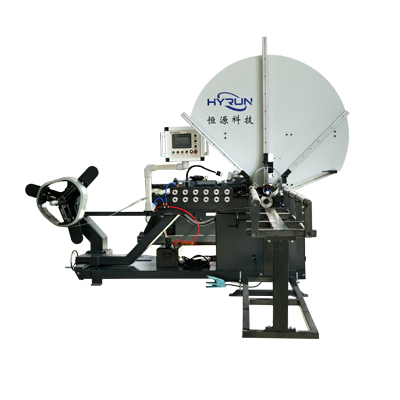
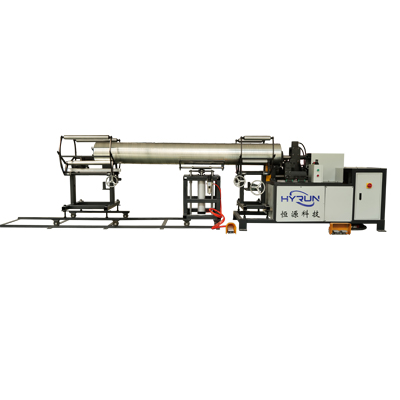
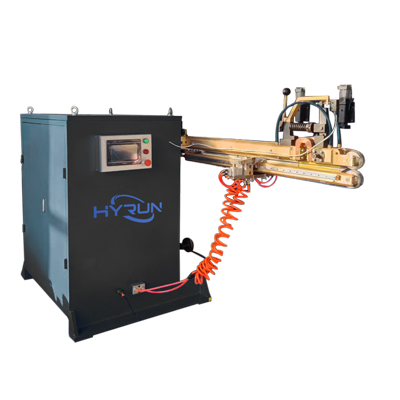
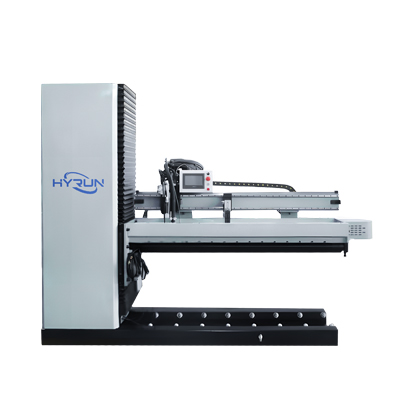
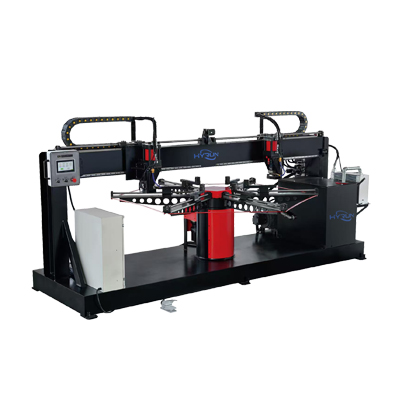
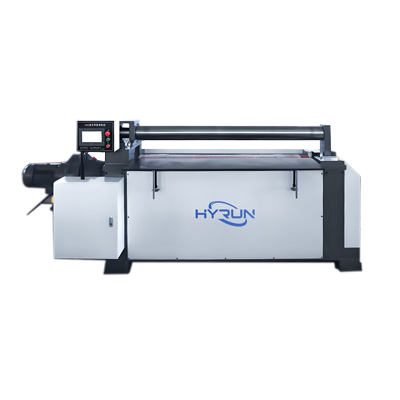
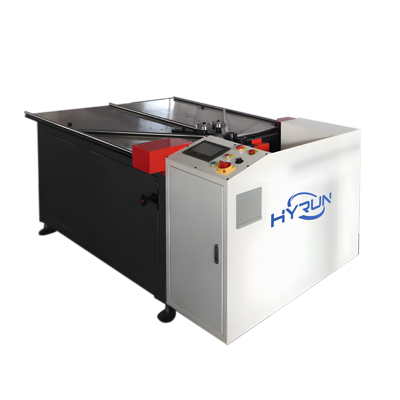
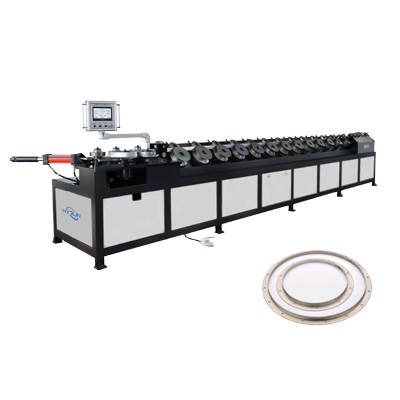
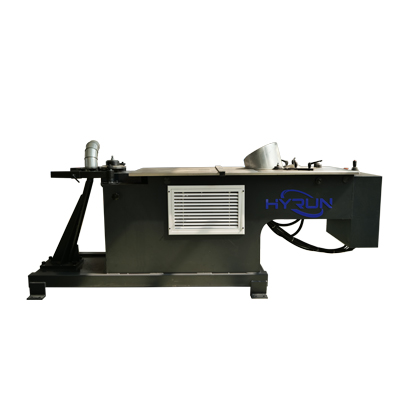
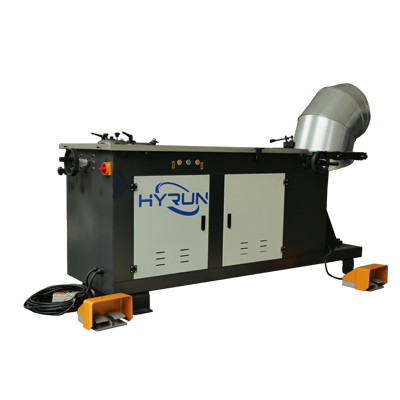
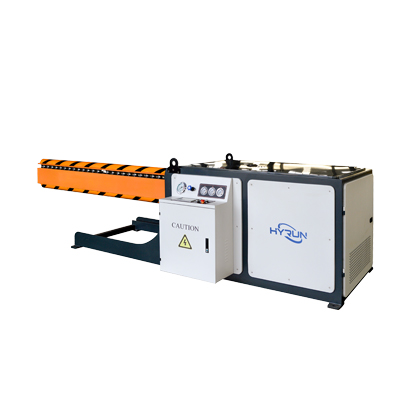
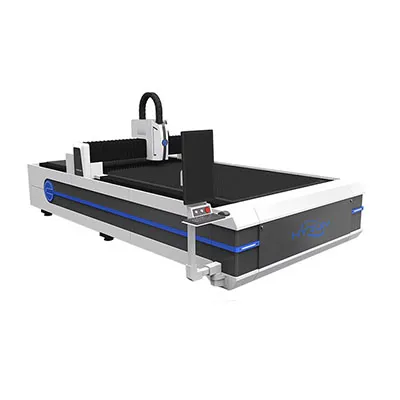
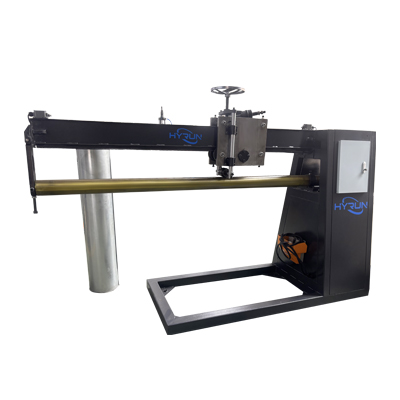
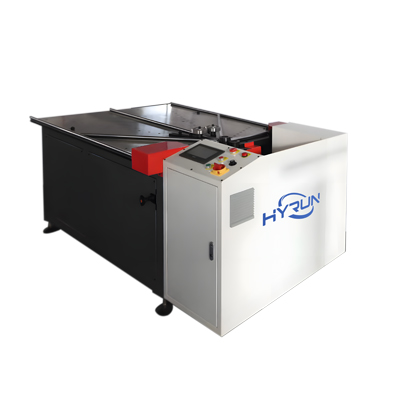
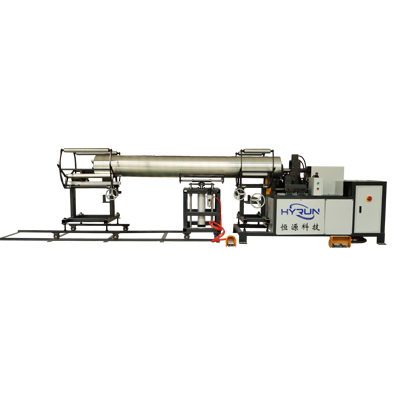
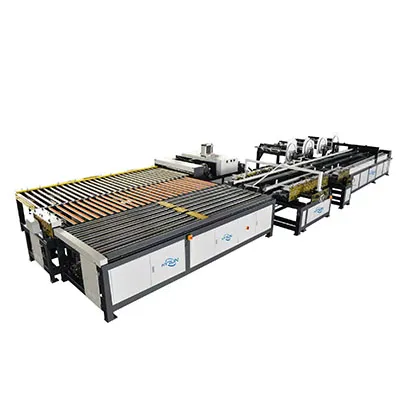
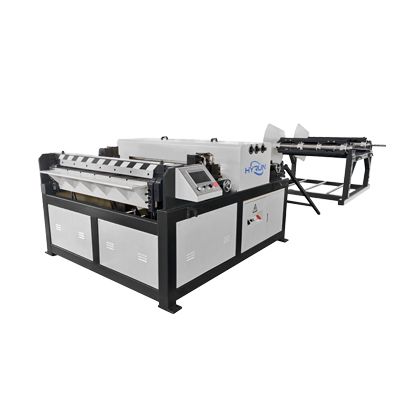
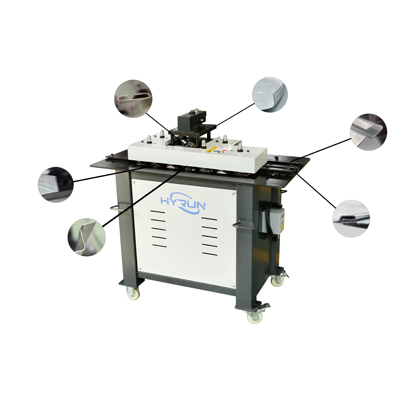
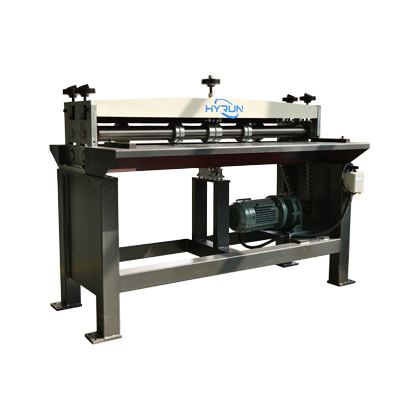
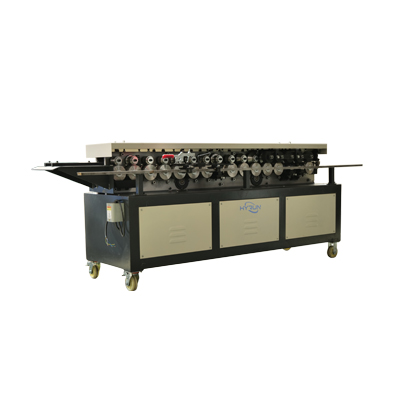
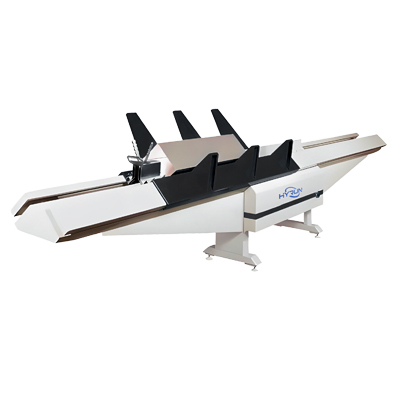
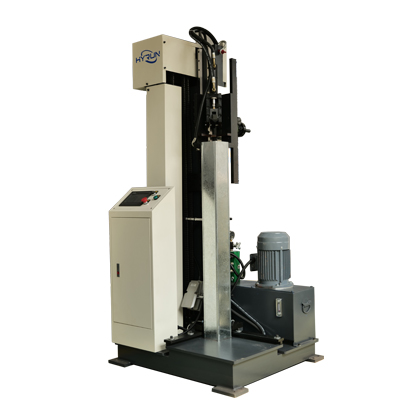
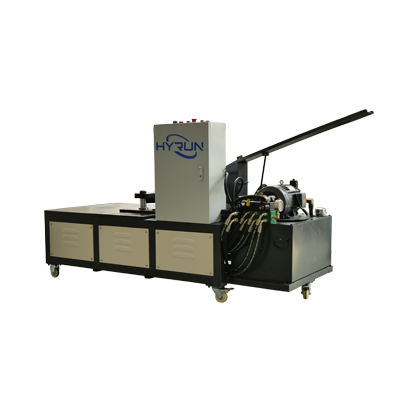
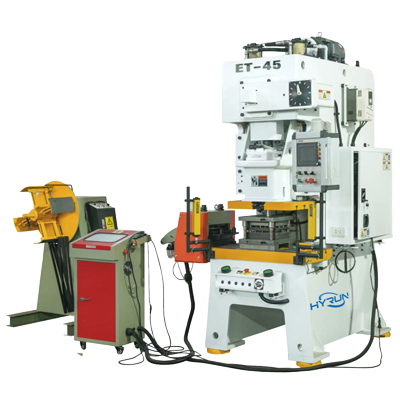
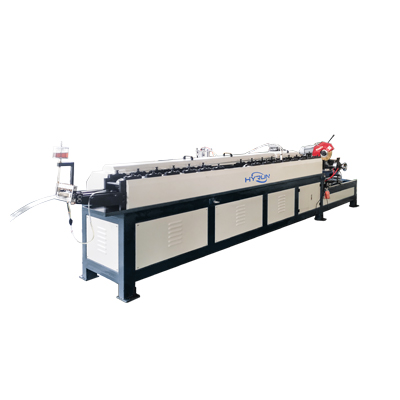
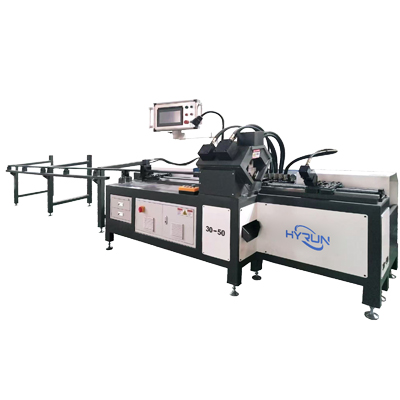
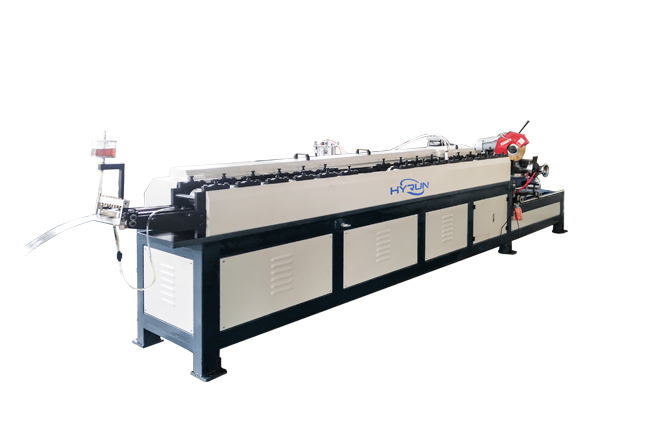
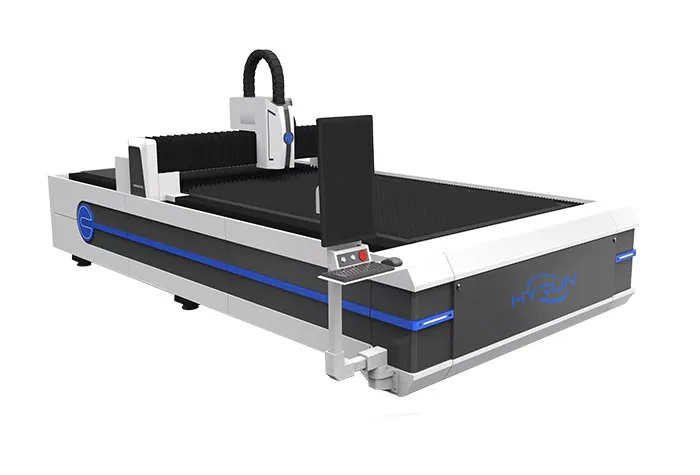
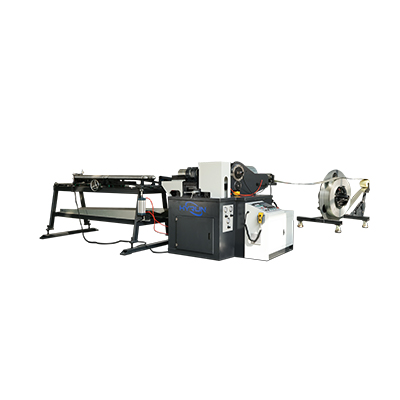
    Modern industrial progress has introduced cost-effective, high-efficiency fully automatic lines (e.g., multi-machine systems). These handle feeding, leveling, reinforcement, notching, size cutting, edge biting, flange forming, right-angle folding, and L-shaping for transport, producing square ducts with minimal manual intervention afterward.


    Summary of Fabrication of Ventilation Duct


    Regardless of the method—manual or automatic—the primary objective remains producing high-quality ventilation ducts. While adhering to critical production controls, emphasis should also be placed on enhancing overall efficiency to achieve optimal results.

    References
    We use cookies to offer you a better browsing experience, analyze site traffic and personalize content. Part of the tracking is necessary to ensure SEO effectiveness,
    By using this site, you agree to our use of cookies. Visit our cookie policy to learn more.
    Reject Accept