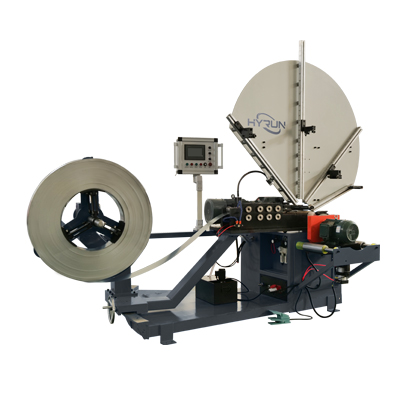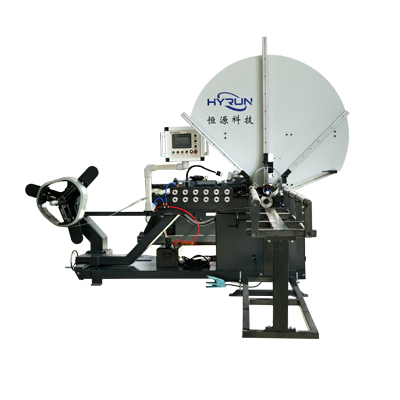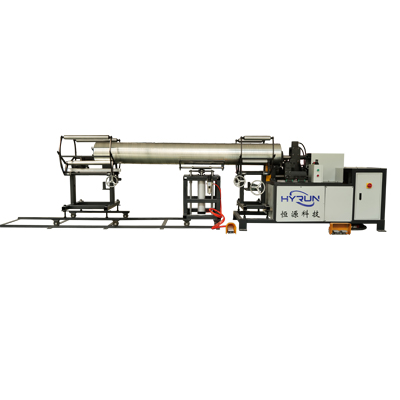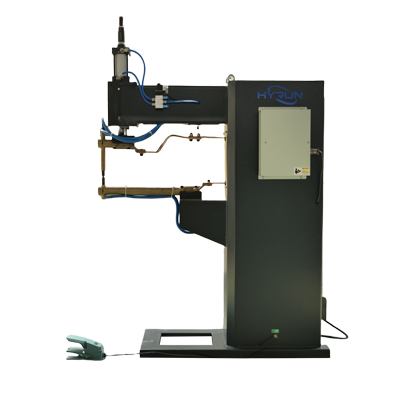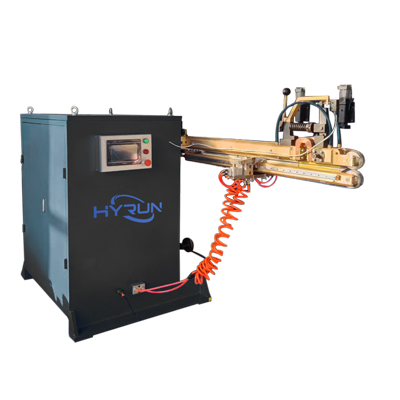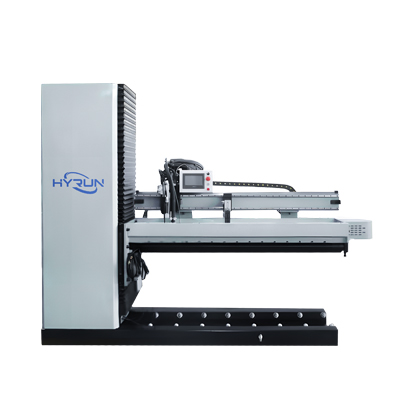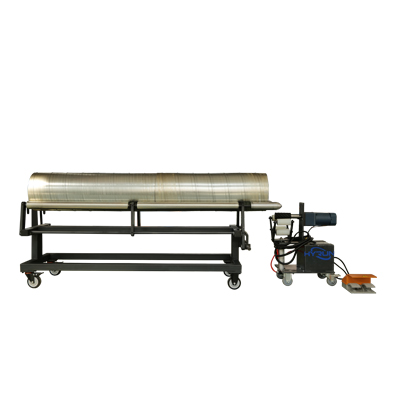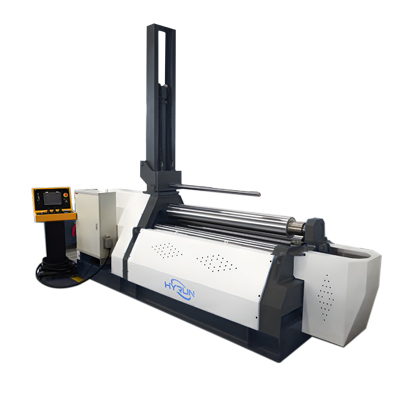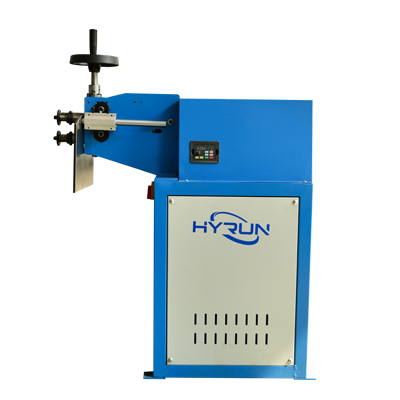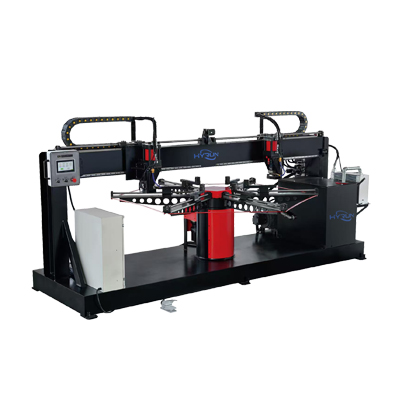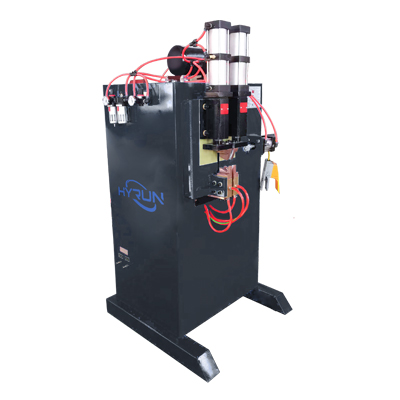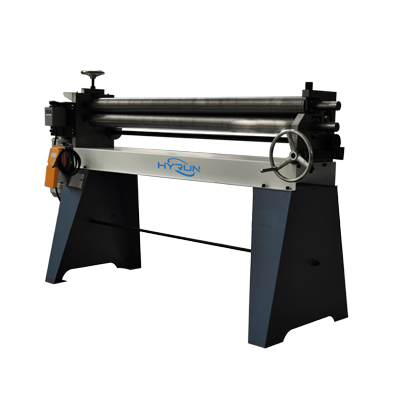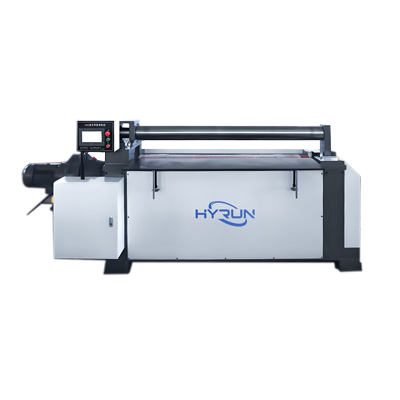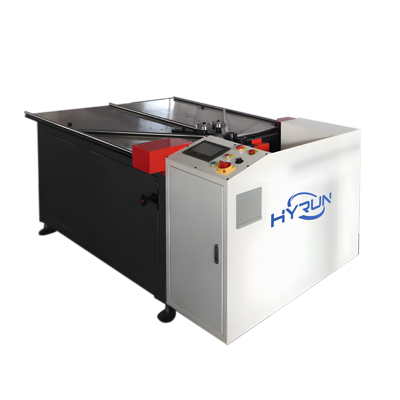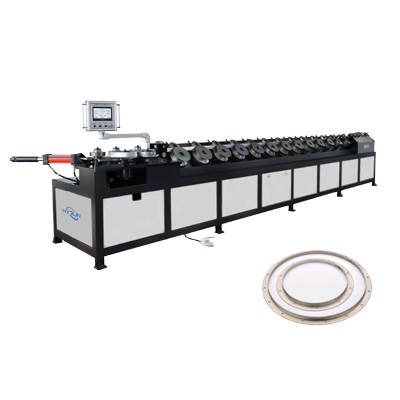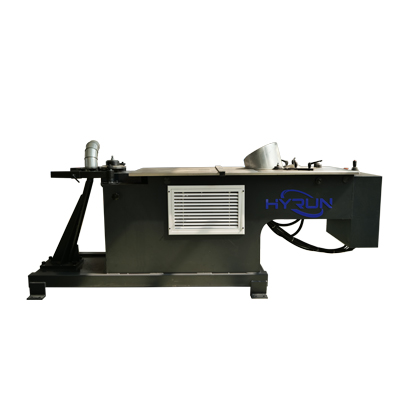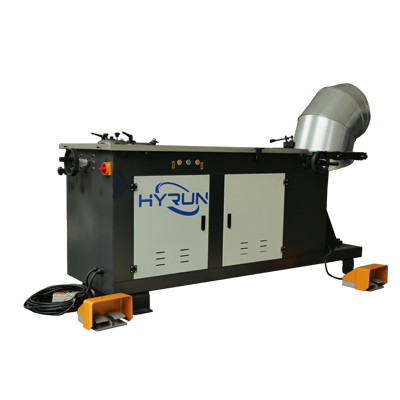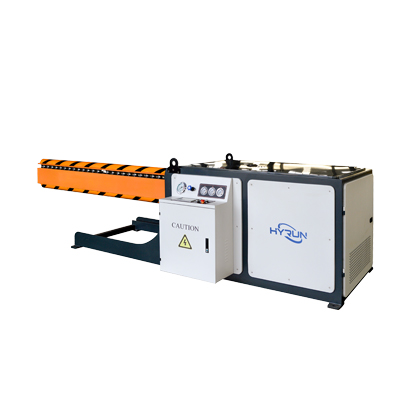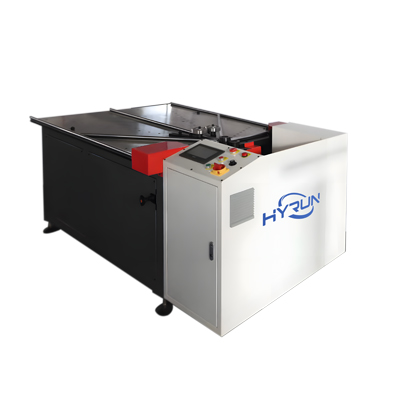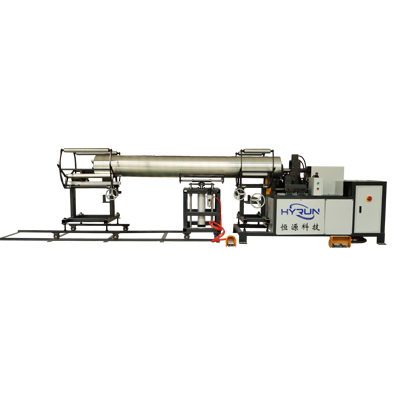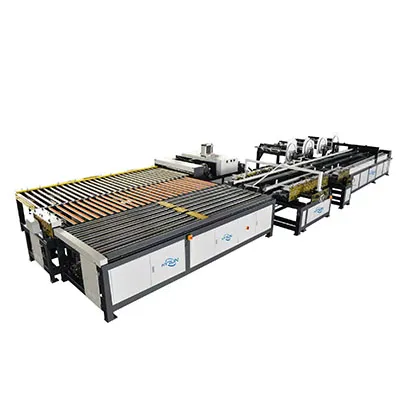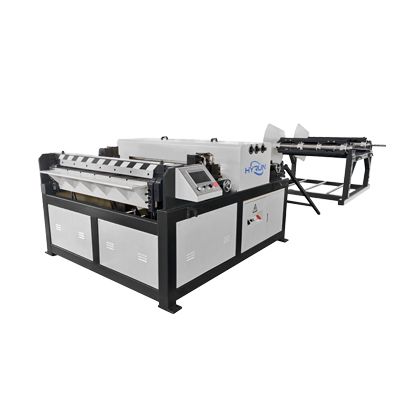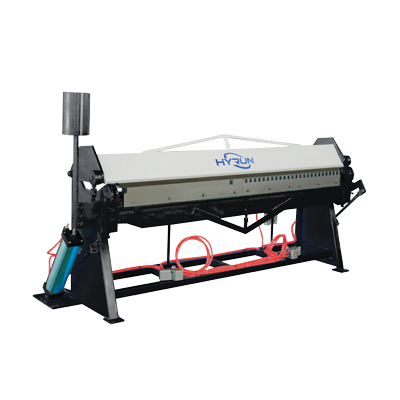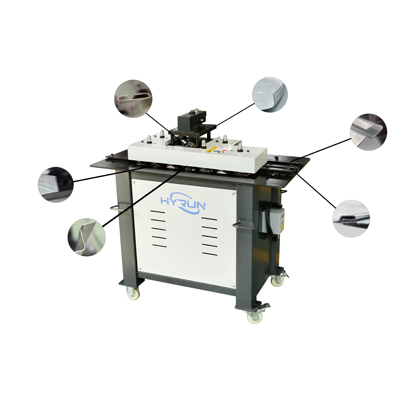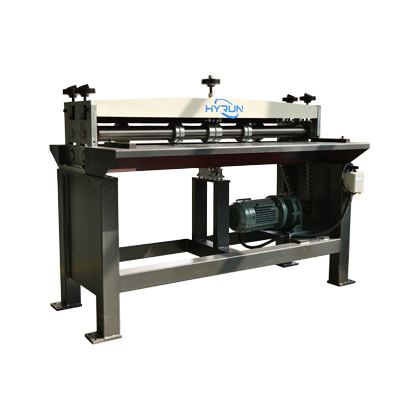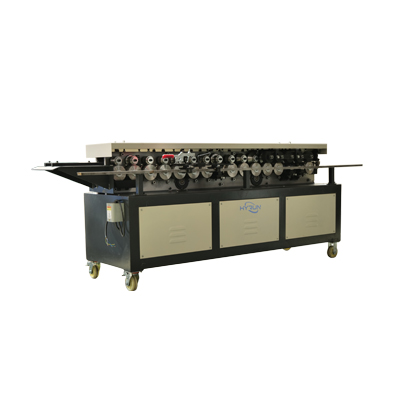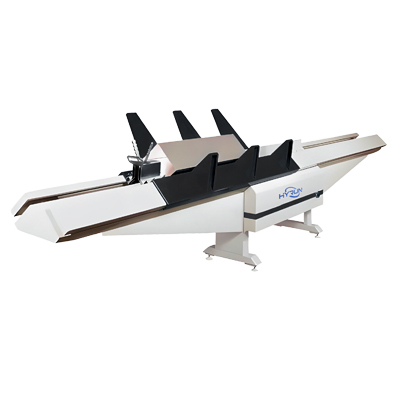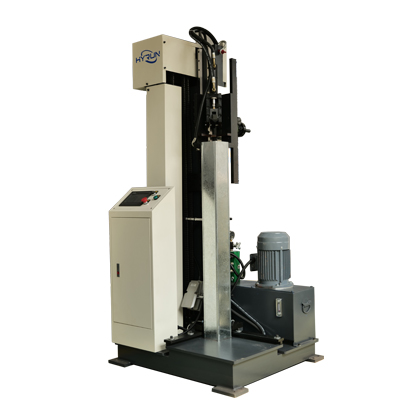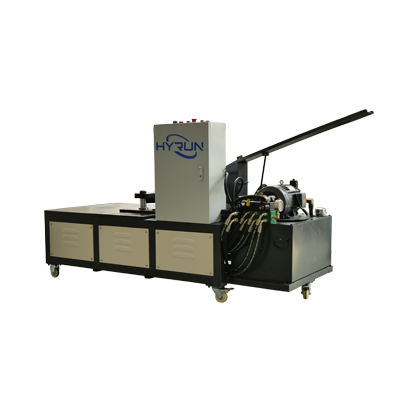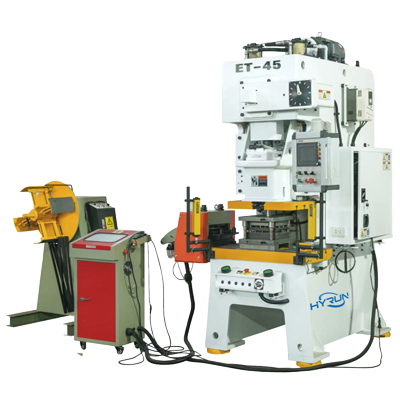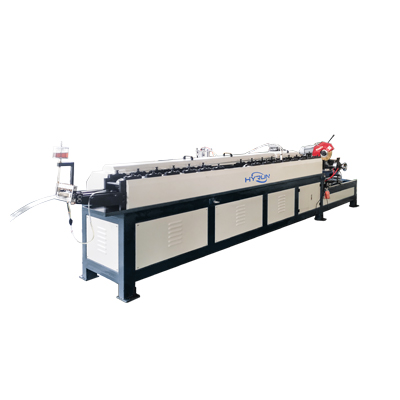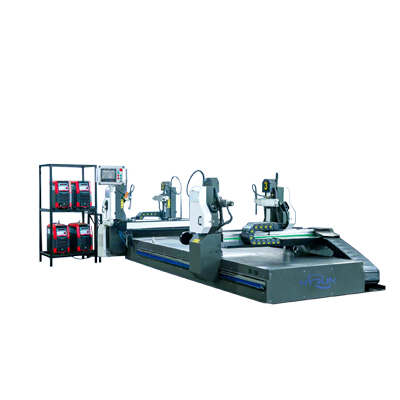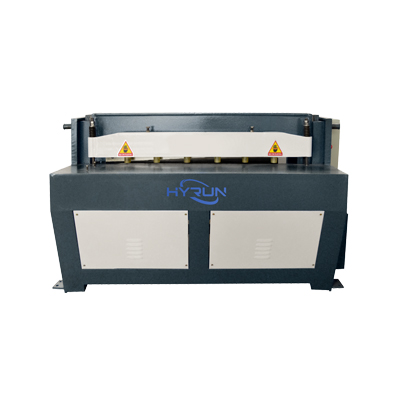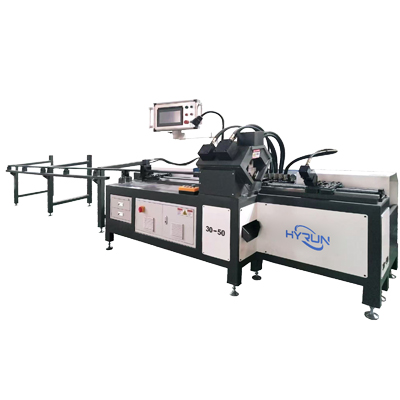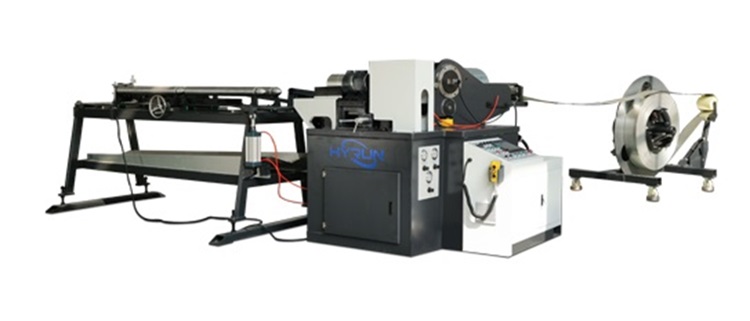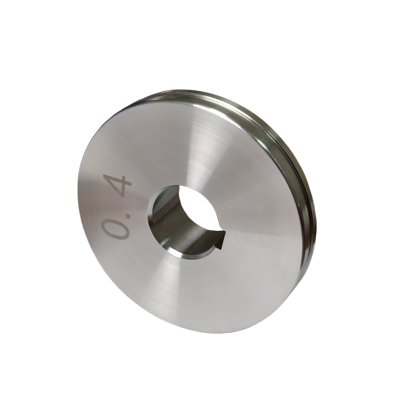
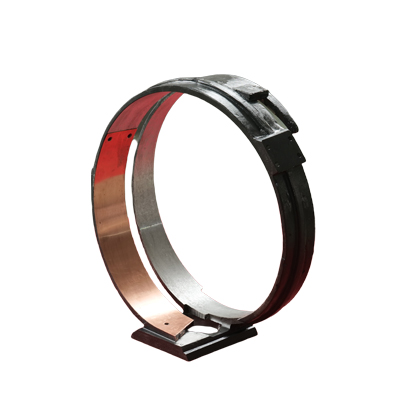
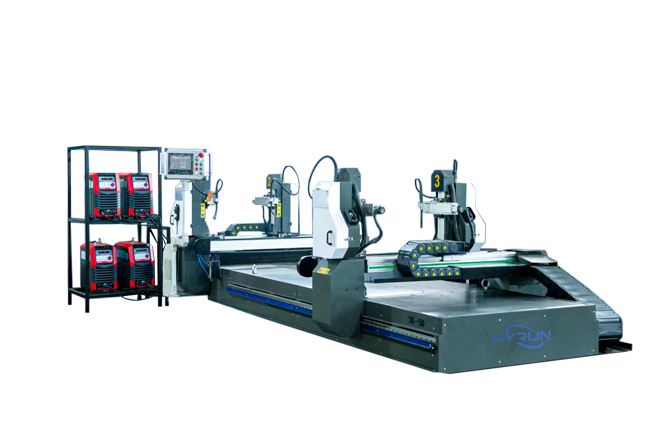
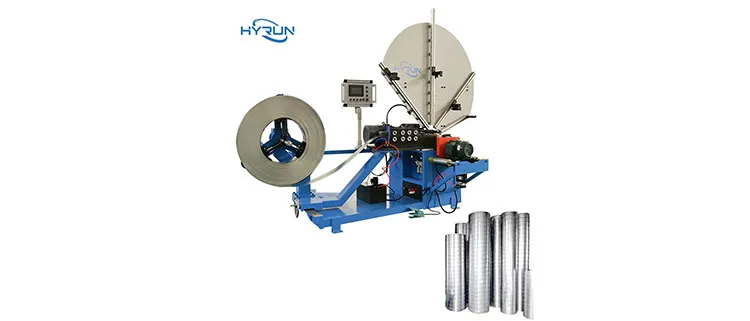
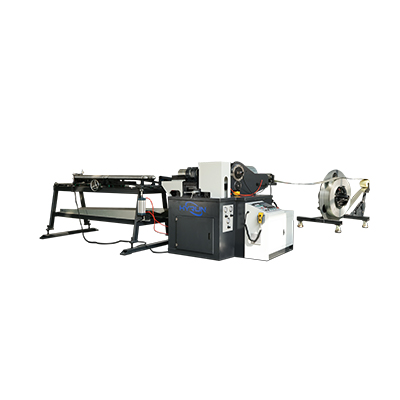
A spiral duct machine transforms a coil of metal strip with a specific width into a continuous spiral tube. The process begins as the coil material is fed into the occlusal (seaming) mechanism via driving and transmission systems. Inside the occlusal device, the two edges of the strip are curled in opposite directions—one upward and one downward. These pre-formed edges are then guided together by an annular steel belt, interlocking them securely. Finally, the seaming wheels apply rolling pressure from above and below to firmly compress and seal the interlocked crimps, creating a strong, continuous spiral seam.
In conventional spiral duct production, several challenges arise due to rolling friction, contact with molds, and material bending. These factors generate significant heat and produce processing residues. The high-temperature residues tend to adhere to both the inner and outer surfaces of the duct. Because spiral ducts are typically long with relatively small inner diameters, cleaning residues from the interior becomes particularly difficult. Prolonged operation under high temperatures also causes thermal expansion in the seaming molds, leading to increased dimensional errors in the crimping process. Additionally, the surface hardness of both the molds and the upper/lower seaming wheels decreases over time, and in severe cases, the supporting transmission shafts may even bend or deform. These issues can prevent proper compression of the seam, resulting in water leakage or air leakage in the finished duct. Moreover, sustained high temperatures significantly shorten the service life of the curling molds.
Spiral ducts serve a wide range of applications in modern building and industrial systems.
In ventilation systems, they efficiently supply fresh air indoors while exhausting stale or harmful gases outdoors. Given the typically large airflow volumes involved, low-resistance ducts are essential for minimizing energy costs. Galvanized steel is the most common material, while stainless steel is preferred in highly corrosive or extremely humid environments.
For air conditioning systems, spiral ducts offer an excellent solution thanks to their clean, attractive appearance and compatibility with applied thermal insulation materials.
In kitchen exhaust and oil fume removal systems found in hotels, restaurants, and commercial kitchens, spiral ducts provide the necessary strength, cost-effectiveness, and practicality for safely discharging large amounts of oily vapors.
Dust collection and removal systems also benefit from spiral ducts, which efficiently transport dust and particulates from collection points to filtration units.
Finally, in pneumatic conveying of bulk materials, spiral ducts handle the transport of fine, loose particles effectively and economically.
Compared to traditional rectangular ducts of the same diameter, spiral ducts allow for a 10–15% reduction in sheet metal thickness while meeting national standards. Under identical conditions, they require simpler and fewer auxiliary components, cutting installation costs for these items by approximately 30%. Hoisting efficiency is typically twice as high as that of rectangular ducts. Moreover, systems designed for low-speed air movement can be upgraded to high-speed operation, reducing the overall amount of ductwork needed. This not only lowers material costs but also saves valuable space.
For the same sheet thickness and diameter, spiral ducts exhibit superior strength. When comparing ducts of equal cross-sectional area, circular configurations distribute tension more effectively than rectangular ones, greatly enhancing overall rigidity and dramatically reducing vibration and noise. With fewer flange connections required over the same length, spiral ducts deliver better ventilation performance and improved overall air quality in the system.
Spiral ducts enable fast, efficient construction—ideal for projects with tight schedules. Their mechanized production process ensures speed and consistency. The reduced number of flange connections decreases lifting and joining work by about 50%. Small-diameter spiral ducts can often be installed using a single lifting point, further accelerating the process. Since most fittings are standardized and no extensive on-site fabrication is required, fewer workers are needed, and site management becomes simpler. Special-shaped fittings also match more precisely with spiral ducts than with rectangular ones, making installation easier and significantly lowering the chance of errors.
Spiral air ducts are thin-walled circular pipes formed from continuous metal coils (primarily galvanized steel, though stainless steel, aluminum, copper, color-coated steel, and micro-perforated materials are also used). They offer distinct benefits in air conditioning, ventilation, and related systems.
Each length of straight spiral duct is fabricated from a single continuous piece of metal, resulting in excellent sealing properties. Installation requires far fewer pipe-to-pipe joints: typical spiral duct lengths range from 4–6 meters (and can be longer when permitted), compared to just 1–1.5 meters for rectangular ducts. Connecting two spiral sections needs only one joint, whereas rectangular ducts require two separate flange systems.
For the same cross-sectional area, the perimeter of a rectangular duct is significantly longer than that of a circular one—approximately 13% longer on average, and up to 41% longer for ducts with extreme aspect ratios (e.g., 1:4). This means spiral ducts use less sheet metal, sealant, and insulation material overall. They also allow the use of thinner or lower-density insulation layers. Mounting brackets can be spaced farther apart (typically 3 meters versus 2.5 meters for rectangular ducts), and the inherent structural strength of circular ducts permits the use of thinner sheet metal in many applications.
The standardized dimensions of spiral ducts enable the pre-fabrication of a complete range of fittings and connectors. Installation is straightforward—often requiring just one person per section—compared to the two or more needed for rectangular ducts. In addition, the smooth interior and reduced airflow resistance of spiral ducts (combined with high air tightness) result in significantly lower friction losses than rectangular systems. This allows for smaller, less powerful fans and motors, cutting both initial equipment costs and long-term operating expenses.