EN

What Is the Insulation Technology of TDF Air Duct

Table of Content [Hide]

    TDF flange air duct serves as essential municipal infrastructure for facilitating air circulation and reducing the concentration of harmful gases. All ventilation ducts, plates, profiles, and other primary materials used in their manufacture and installation must comply with current design standards and relevant product specifications, accompanied by ex-factory inspection certificates. Upon arrival at the site, materials undergo inspection and acceptance according to applicable standards.


    Definition and Development of the TDF Air Duct


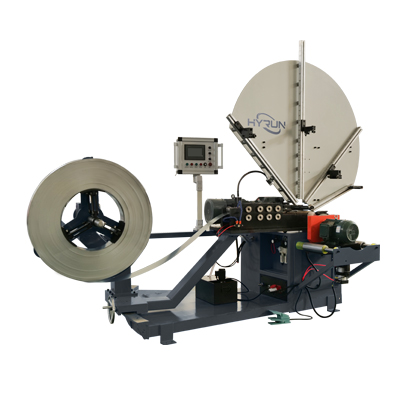
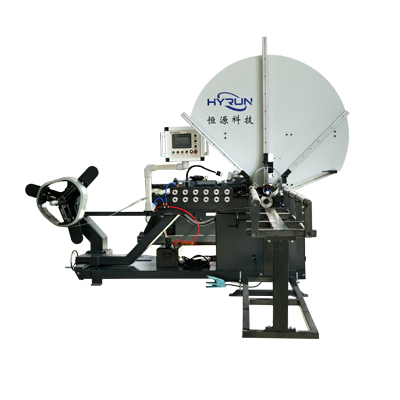
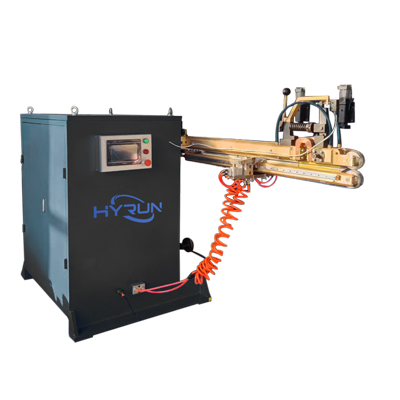
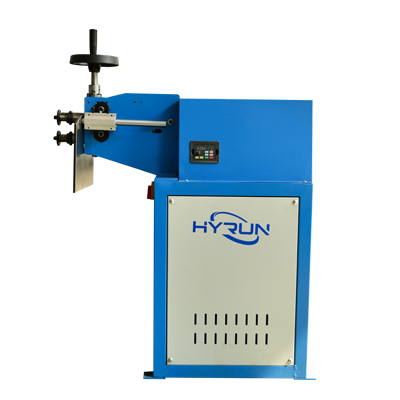
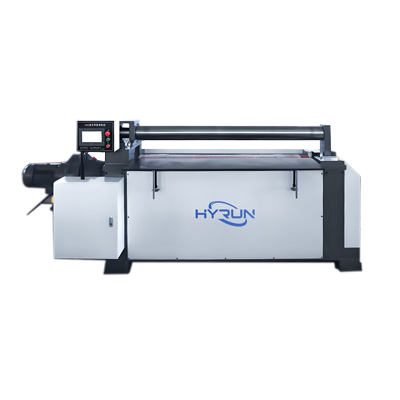
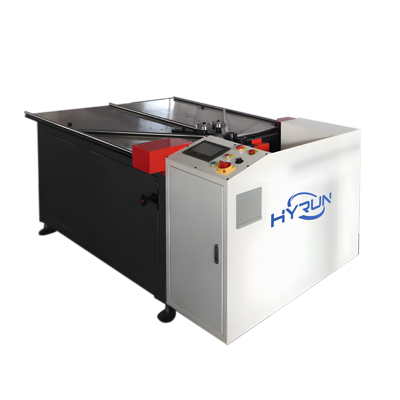
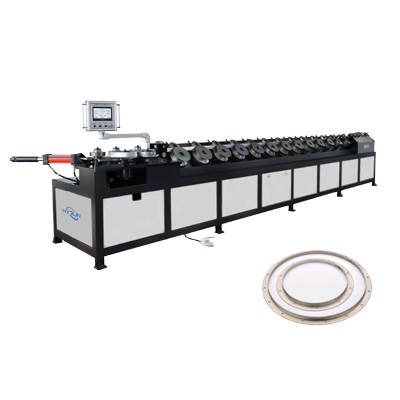
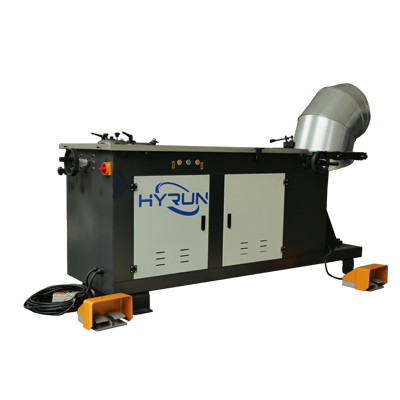
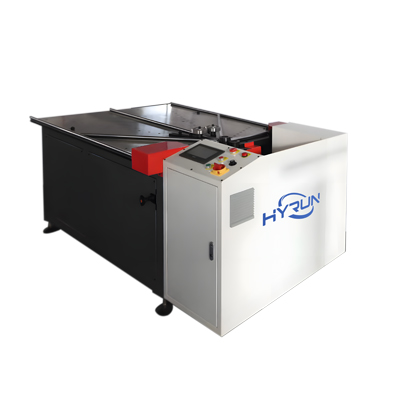
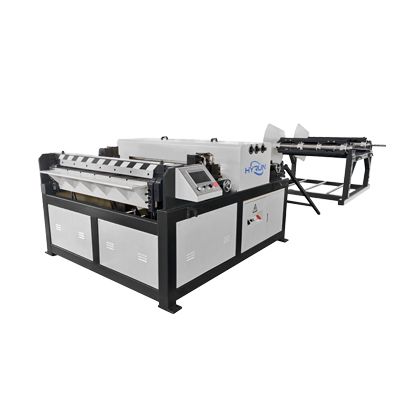
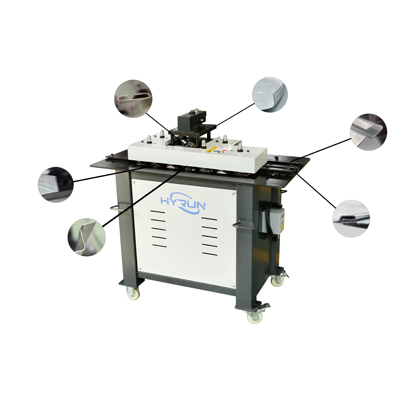
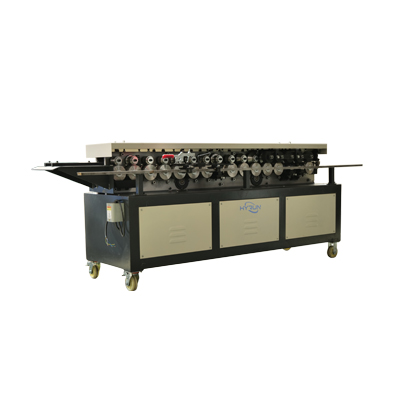
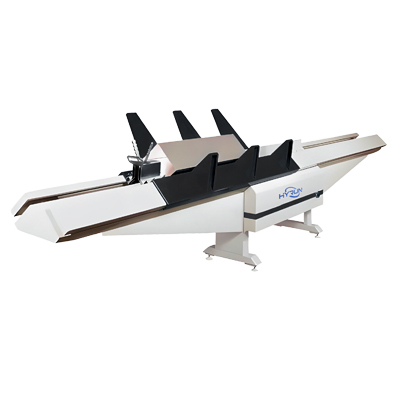
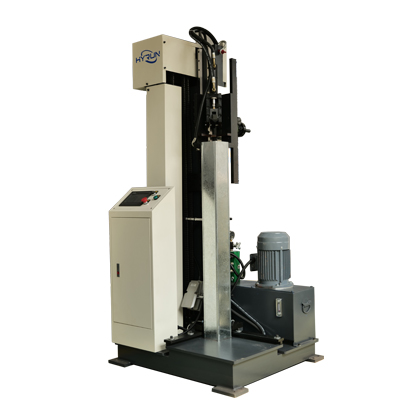
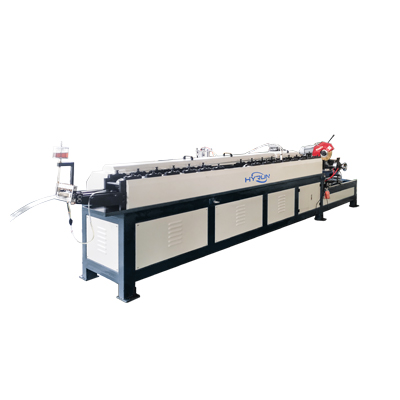
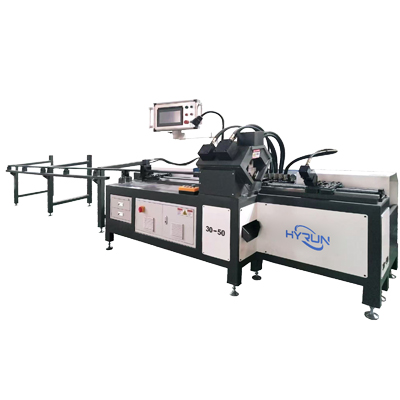
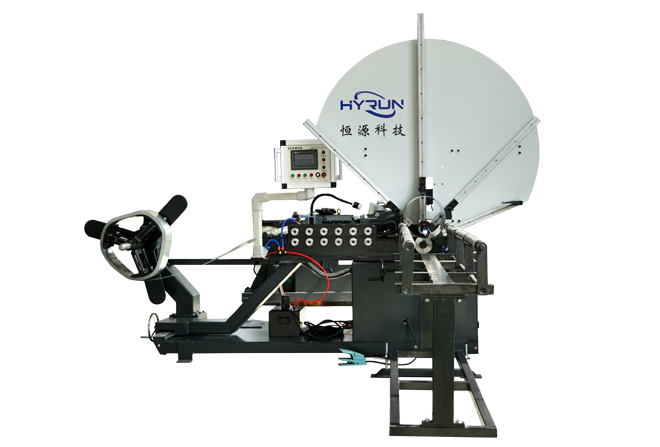
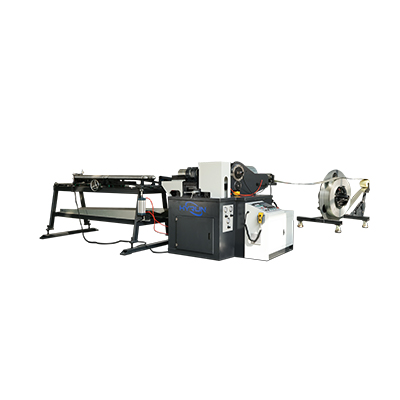
    TDF flange air duct features a flange and duct body constructed from the same material, forming an integrated whole. Prior to processing, the sheet passes through a specialized TDF flange forming machine, which creates the flange directly on the duct's connection port, resulting in a semi-finished integrated structure. Due to processing limitations, the four corners of the flange do not form naturally, requiring flange corner codes for complete assembly. Once assembled, it qualifies as a TDF flange air duct.


    Developed countries like the United States and Europe began adopting common-plate flange air ducts in the late 1980s, and the technology is now widely used in ventilation and air-conditioning projects. In China, introduction occurred toward the end of the 1990s, but initial limitations in supporting equipment and lack of national regulatory approval slowed its adoption. As national standards evolved to recognize this connection method, its popularity grew steadily.


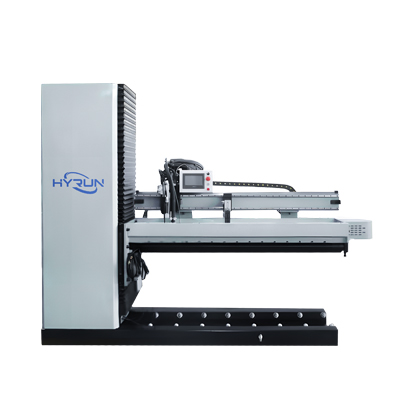
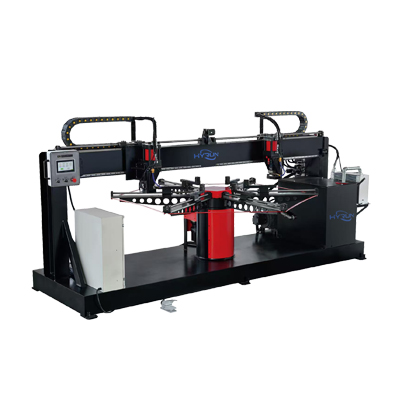
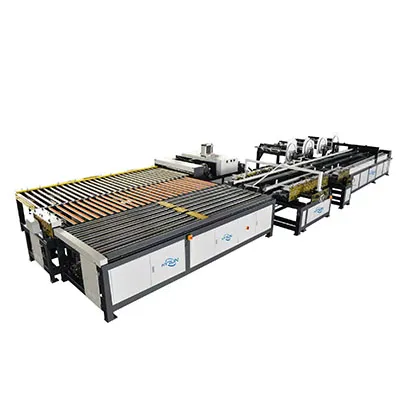
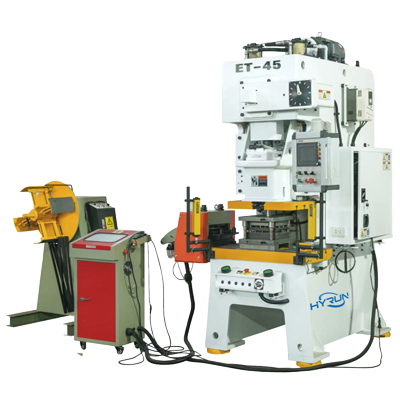
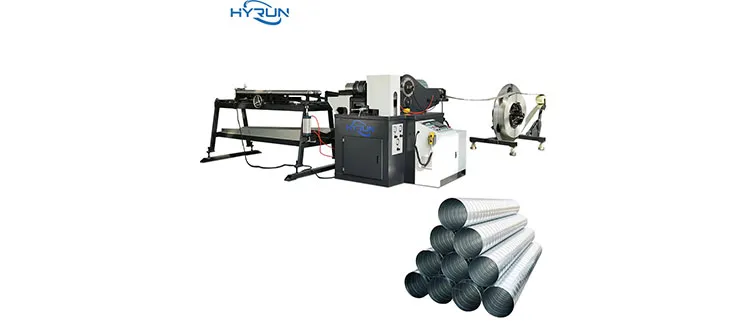
    Since the 1990s, rapid national development has led to the emergence of numerous commercial buildings, subways, stadiums, exhibition venues, and theme parks, increasing annual demand for air ducts as key components of air-conditioning and ventilation systems, with progressively higher quality requirements. Chinese engineers and technicians, through technology introduction and absorption, developed domestic common-plate flange processing equipment, progressing from basic single machines to advanced multi-line systems (three-line, four-line, five-line, and six-line). This widespread equipment availability accelerated the adoption of TDF flange ducts. Today, such production lines are essential for large-scale construction and installation enterprises, and the capability to produce them significantly influences the ability to secure major HVAC projects, indicating strong future prospects.


    Definition and Development of the Internal Insulation Air Duct


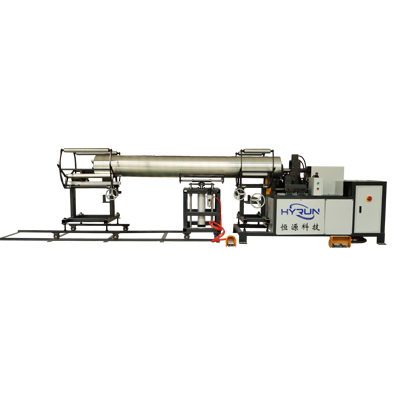
    Internal insulation air duct refers to a system where insulation cotton is pasted and fixed to the inner wall of the duct before forming. The insulation integrates during processing, allowing factory completion and on-site installation without additional insulation work. When the air-conditioning system operates, it delivers thermal insulation performance equivalent to traditional external insulation.


    Internationally, internally insulated TDF flanged air ducts have been in use for about 20 years. In China, adoption began around 2014, with successful implementations in projects such as the ventilation and air-conditioning systems for Shanghai Disney theme park (including Adventure Island and Tomorrowland areas), demonstrating positive results and marking the start of broader domestic application.


    Processing Technology of the Internally Insulated TDF Flange Air Duct

    Straight Air Duct Production Process


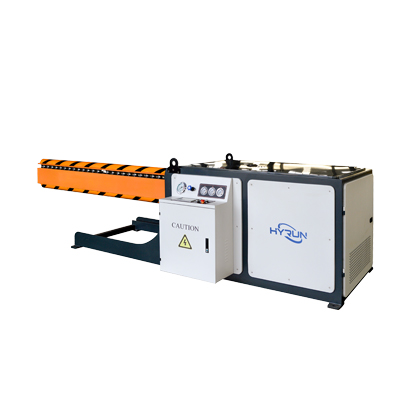
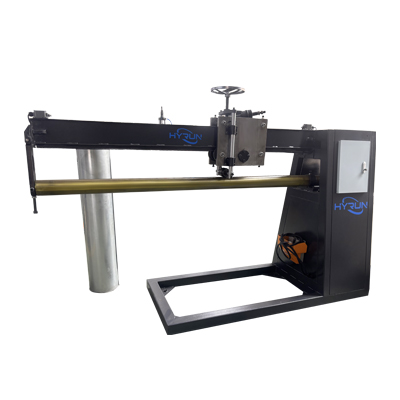
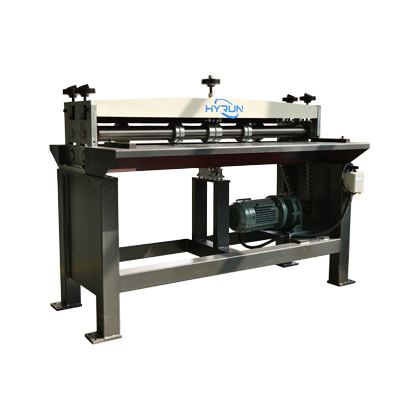
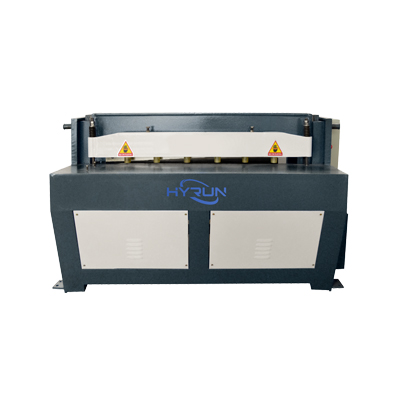
    The process starts with deepening the installation drawings, followed by layout drawing preparation and the calculation of straight pipe and fitting sizes. Data is then organized and input into the equipment computer. Galvanized sheets are straightened, and compression ribs are added for larger side sizes (over 630 mm). Corners are cut, joints are broken, and flanges are formed. Glue is applied to flat plates, insulation cotton is adhered, and insulation nails are set. Bending occurs to form straight, L-shaped, U-shaped, or square shapes based on the caliber. Assembly and seaming follow, with corner codes inserted. Insulation cotton at flange ports is protected with wind shields, and a final quality inspection is conducted before the product is delivered from the factory.


    Shaped Duct Production Process


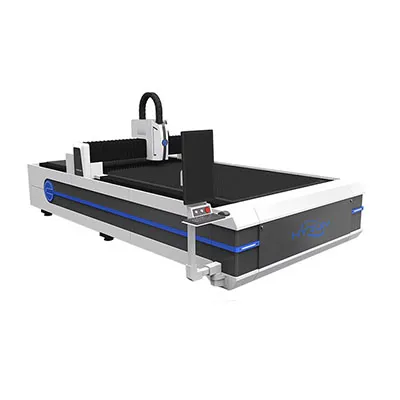
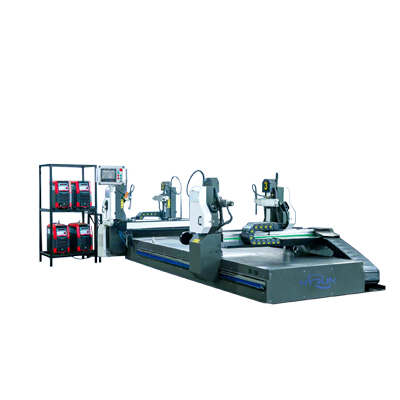
    This involves deepening installation drawings, drawing layouts, statistics for various fittings, inputting dimensions into a plasma cutting machine, blanking, single-machine biting of sockets, common-plate flange forming, gluing and adhering insulation cotton, setting insulation nails, bending, assembly and seaming, corner coding, flange port insulation handling with wind shields, quality inspection, and factory delivery.


    Main Points of the Internally Insulated TDF Flange Air Duct Processing


    Insulation cotton for internally insulated ducts must be glued and laid before sheet bending, as flat surfaces allow easier operation and adhesive application. The duct's inner surface should be clean, flat, and free of oil or dust, with glue applied evenly at a coverage rate of at least 90%. The adhesive must meet environmental standards, avoiding any toxic or harmful substances. Insulation cotton should be clean, uncontaminated, free of dust, undeformed, and made from non-combustible, environmentally friendly, non-toxic materials. It should be unpacked just before use to maintain flatness without wrinkles, moisture, or dust. Insulation nails are automatically inserted by machine (with adjustable spacing) strictly per specifications, ensuring no omissions or insufficient driving. Horizontal joints in insulation cotton should be avoided to prevent separation during operation, which could create quality issues. Nail density must be uniform, at least 16 per square meter, applying similarly to elbows, tees, and reducers. For fittings like tees, elbows, and reducers, corner leaks require attention, primarily using mechanical sealing supplemented by sealant; each formed pipe undergoes quality inspection (including light leakage tests if needed) before insulation application.


    Advantages of the Internally Insulated TDF Flange Air Duct

    Advantages of Processing


    The production line offers high mechanization and automation, boosting efficiency, accuracy, reducing waste, increasing yield, and lowering costs. The self-formed (common-plate) flange reduces duct weight compared to traditional angle iron flanges, saving flange steel, connecting bolts, and material losses. Superior airtightness minimizes air leakage, conserving energy and reducing air-conditioning unit operating costs. Automatic rib pressing enhances strength, providing a beautiful, clean appearance without secondary pollution. Quick installation lowers labor intensity, improves efficiency, meets modern project demands, and strengthens competitive advantages. Factory-laid insulation ensures quality control, with firmly welded insulation nails; it saves on-site time, shortens construction periods, and results in neat, aesthetically pleasing installed ducts.


    Advantages of On-Site Installation


    External insulation is suitable for small spaces and supports one-step installation, making it ideal for large theme parks with high installation requirements, restricted access for reviews, and compact functional areas. Once integrated pipelines (especially air ducts) are installed, space for further work is scarce, making single-step installation essential; no external insulation saves space, time, construction period, and costs. For outdoor installations, the rainproof shell (typically galvanized steel, aluminum, or stainless steel) for external insulation can be omitted, further reducing expenses.


    Comparative Analysis of Material Savings


    Analysis shows that for producing and installing approximately 200 square meters of 800mm x 800mm air duct (60m length) using common-plate flanges with internal insulation under the same construction period, labor savings reach about 20%, along with approximately 32 kg of angle steel, 250 sets of M8x20 connecting bolts, 250 core rivets, and 0.6 kg of anti-rust paint. For outdoor ducts, an additional 200 square meters of aluminum skin or galvanized steel sheet for the insulation shell is saved. Automatic production lines also improve precision and quality control, reducing anti-corrosion needs for angle steel, thereby minimizing paint-related environmental pollution and noise from angle steel assembly.


    Scope of Application


    Internally insulated TDF flange air ducts suit low- and medium-pressure air-conditioning systems but exclude purification air-conditioning and smoke prevention/exhaust applications. As engineering construction mechanization increases, TDF flange air ducts align well with fully automatic production lines, accelerating progress and enhancing quality, leading to expanding use.


    Technological Process


    Straight pipe sections typically follow: selection and re-inspection of galvanized steel sheets, pressing stiffeners on the production line (for sides over 630mm), computer lofting, corner-cutting and shearing, edge folding, machine-made TDF flange forming, bending, transport of semi-finished products to site, beading/forming, installation of connecting flange connectors, applying sealant and gaskets, air duct assembly, spring clamps, reinforcement, and quality inspection. If near the factory or with low transport costs, biting and flange installation can occur in-factory; otherwise, semi-finished products are common. Shaped pipes often use on-site lofting and biting. Installation resembles angle steel flange methods.

    Production in processing plants offers a clean environment, computer lofting, laser cutting, low loss, streamlined operations, straight folds, uniform widths/arcs, no defects, reliable reinforcement with appropriate spacing and symmetry.


    Installation Precautions


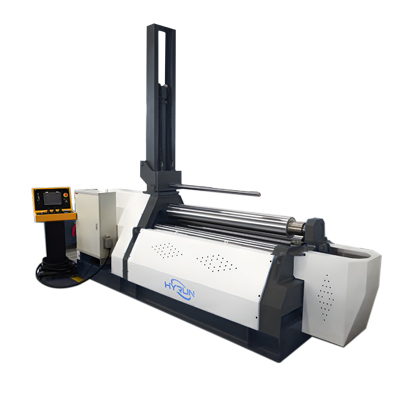
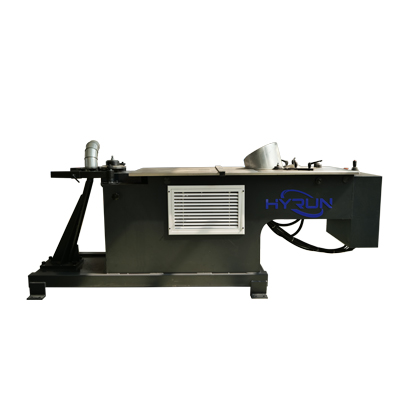
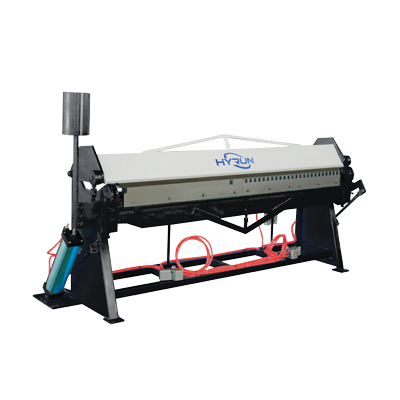
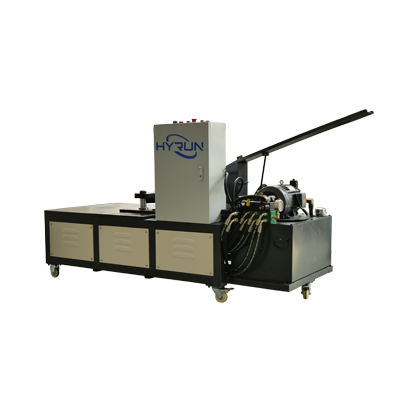
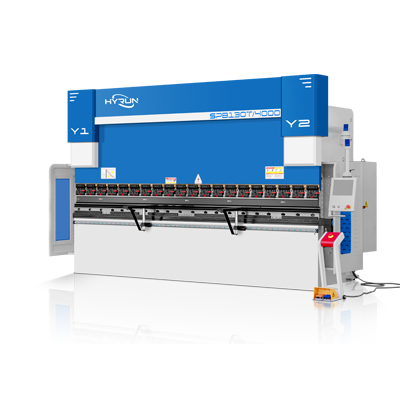
    TDF flange air ducts have gained wide acceptance for their performance. When connecting sections, apply sealant to flange faces before bolting at the four strong corners. Ensure shearing angles at flange ends are precise to avoid uneven faces causing twisting or irregularity. Maintain 90-degree right angles during machining; deviations affect flange quality, leading to twisting, misalignment, or connection issues. Use manual flange folding or matched hydraulic bending machines with special molds for proper flange surface folding, preventing damage or distortion.

    References
    We use cookies to offer you a better browsing experience, analyze site traffic and personalize content. Part of the tracking is necessary to ensure SEO effectiveness,
    By using this site, you agree to our use of cookies. Visit our cookie policy to learn more.
    Reject Accept