During the construction of ventilation systems, the connection method for air ducts is chosen based on several factors, including the project's timeline, the materials involved, the duct thickness, and available funding. This decision-making process helps determine how to process and manufacture the ducts prior to installation, as well as which production machinery to acquire. By planning step by step, production can be organized efficiently, ultimately accelerating the on-site project progress.
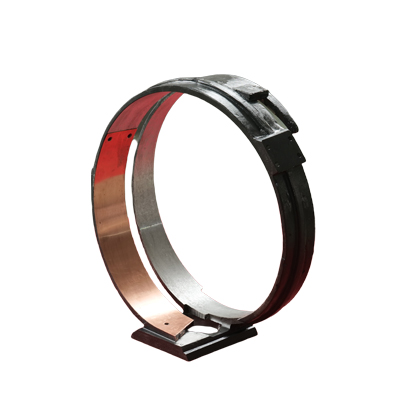
Galvanized steel sheet ventilation pipes can be categorized into those with flanged connections and those without. Angle iron flange ventilation pipes feature flanges made from angle iron, representing a specific type of connection. Typically, larger ducts include flanges, while smaller ones do not. The common plate flange ventilation pipe, also known as a non-flange type, is manufactured more quickly than traditional rectangular ducts.
Galvanized steel sheet air ducts offer excellent fireproof performance, which contributes to their widespread use in various engineering projects. These ducts are commonly found in the fire-fighting systems of large shopping malls, office buildings, subway stations, major supermarkets, and modern industrial plants. As people increasingly prioritize quality of life and environmental conditions, considerations for effective ventilation become essential during building construction and factory setups. Good airflow not only supports human comfort but also promotes the healthy growth of indoor plants.
Additionally, galvanized air ducts feature a smooth inner wall that minimizes resistance, reduces ventilation losses, lowers energy consumption, and cuts operational costs. They provide strong air tightness, high pressure resistance, and compressive strength. Installation is straightforward, with convenient on-site fabrication that coordinates well with civil engineering work, making them suitable for complex purification and ventilation applications. When installing ventilation pipes, either a common plate flange or an angle steel flange is typically used to ensure optimal airflow.
In modern HVAC duct fabrication, the choice between a TDF (Transverse Duct Flange) — also commonly called common plate flange — and a traditional angle steel (angle iron) flange significantly impacts production efficiency, costs, structural performance, and installation ease.
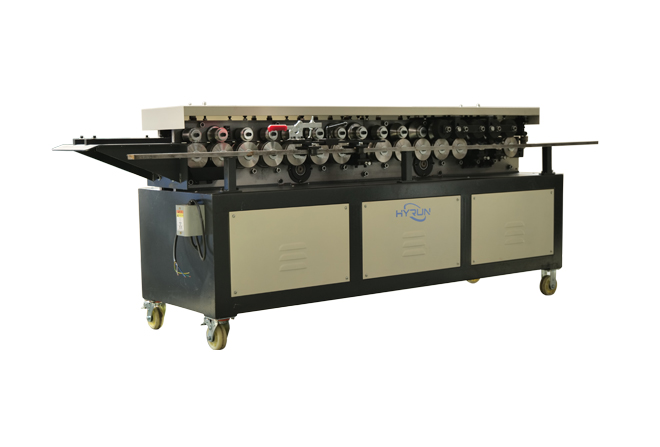
With the TDF/common plate flange, the flange is formed directly from the same sheet metal as the duct wall itself using specialized roll-forming machines. This integrated design eliminates the need for separate flange components, reducing material usage, eliminating extra riveting or welding steps, and creating a seamless, unified structure. The result is lower manufacturing costs, faster production times, lighter overall duct weight, and excellent integrity with minimal risk of weak points at the joint. This approach also allows for high automation, precise dimensions, and strong interchangeability between sections — ideal for medium-pressure systems and projects prioritizing speed and economy.
In contrast, angle steel flanges consist of separate L-shaped angle iron pieces that are independently fabricated (often involving cutting, punching, welding, and drilling), then riveted or bolted to the duct edges. While this method provides superior mechanical strength and rigidity — making it better suited for larger ducts, higher-pressure applications (typically over 1500 Pa), or situations requiring extra reinforcement — it comes with notable drawbacks. The separate fabrication increases material costs (extra steel for the angles, plus connecting bolts), raises labor intensity, and extends processing time, which can reduce overall efficiency. The added weight and complexity also make on-site handling and installation more demanding.
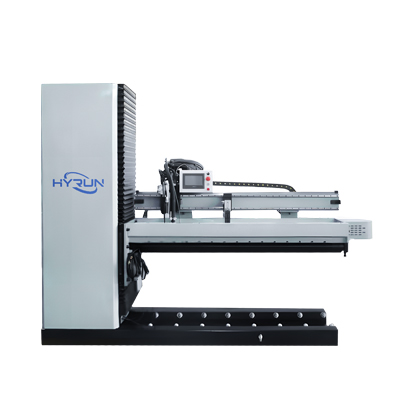
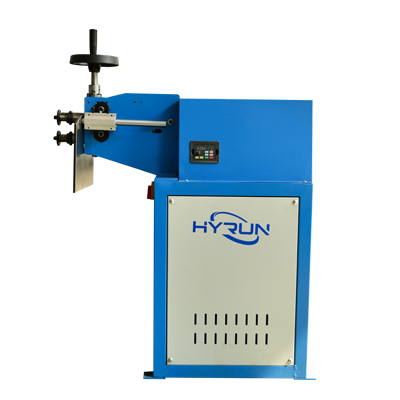
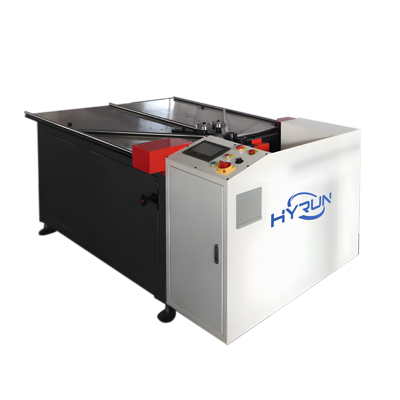
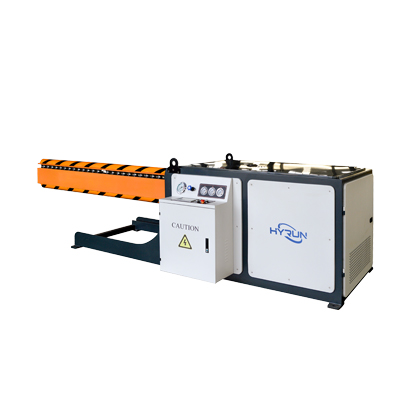
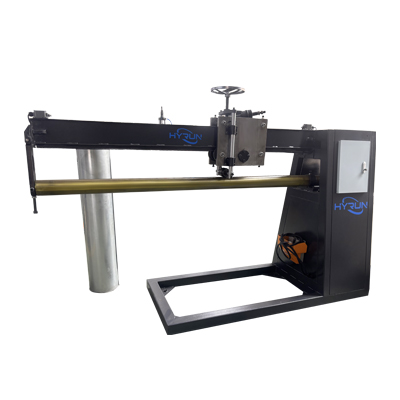
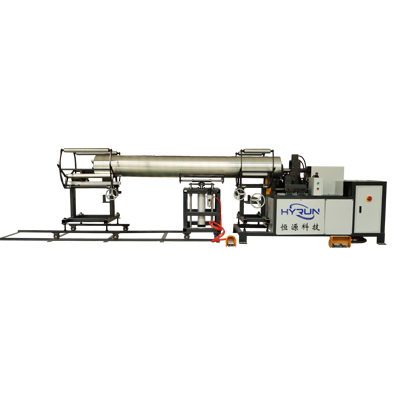
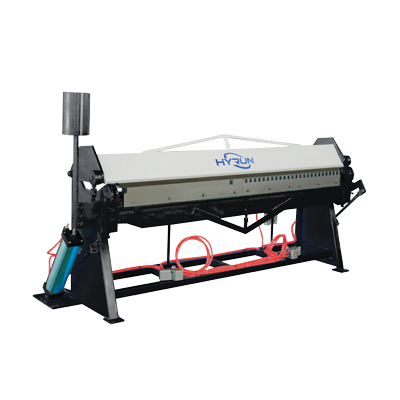
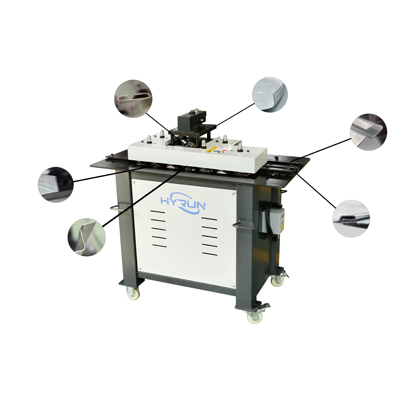
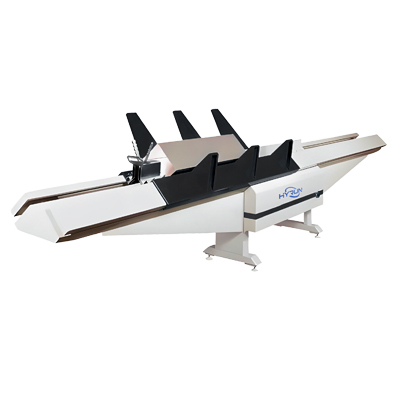
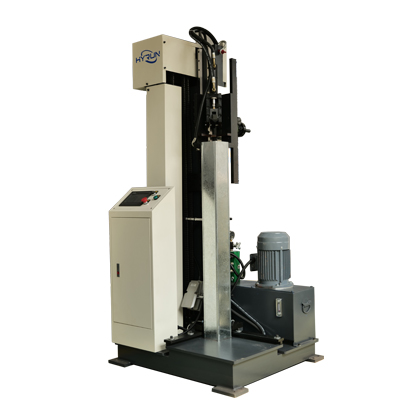
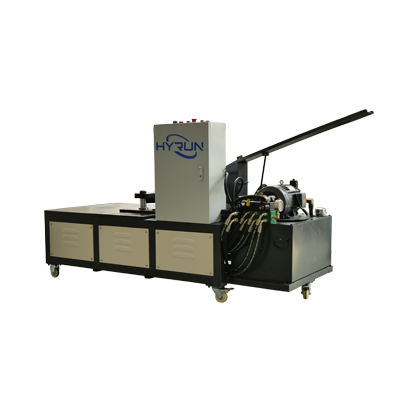
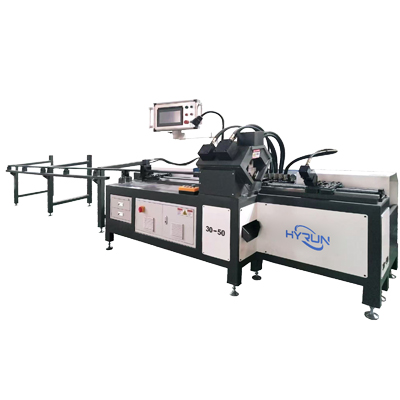
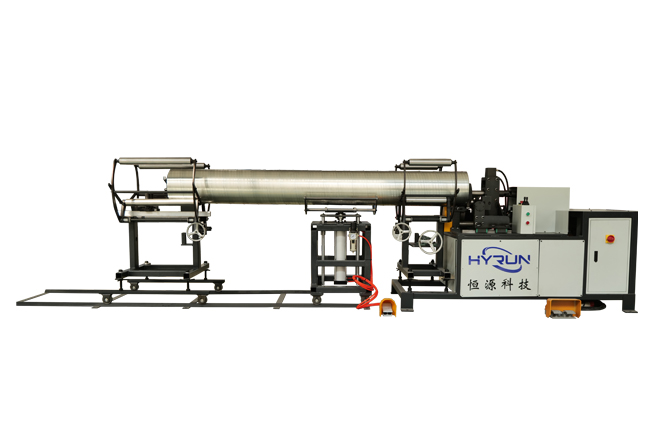
Angle steel flange ducts are primarily made from galvanized steel plates. During fabrication, equipment such as multifunctional seaming machines, specialized seaming tools, and angle steel production lines shape the material, enhancing its durability. The process employs mechanized methods, resulting in faster production speeds, precise dimensions, and high efficiency. These ducts are often fabricated temporarily at the construction site.
Their design is straightforward and aesthetically pleasing, with excellent sealing properties that prevent air leaks during operation. Installation requires fewer bolts, and the lightweight nature of the ducts simplifies handling, boosting efficiency and reducing costs. Fabrication generates minimal dust and noise, avoiding environmental or health hazards. Furthermore, these ducts are highly durable, with a long service life and easy maintenance requirements.
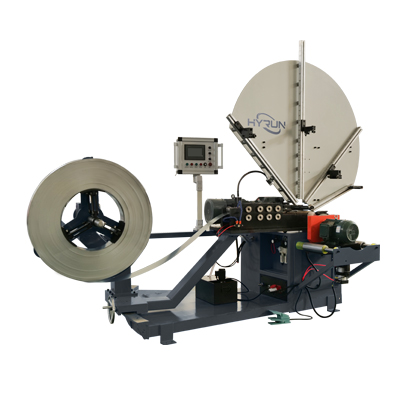
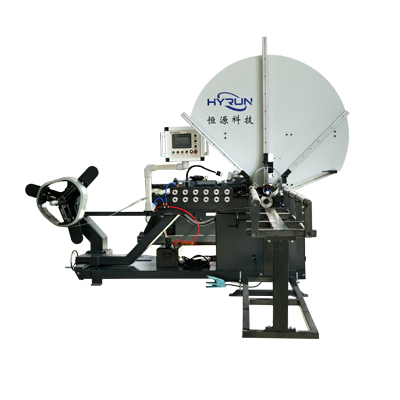
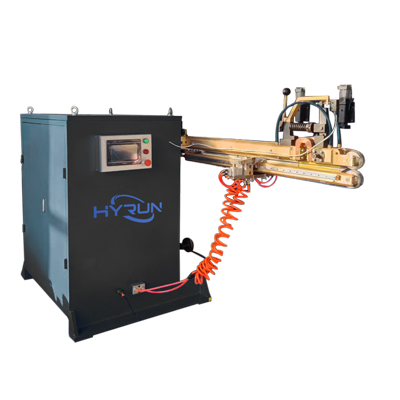
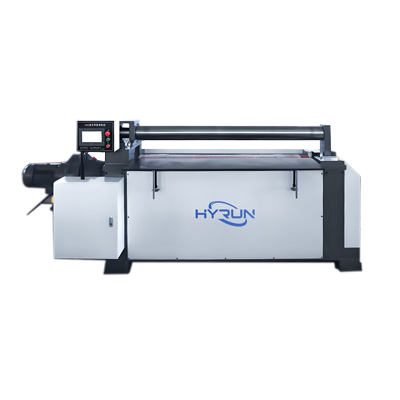
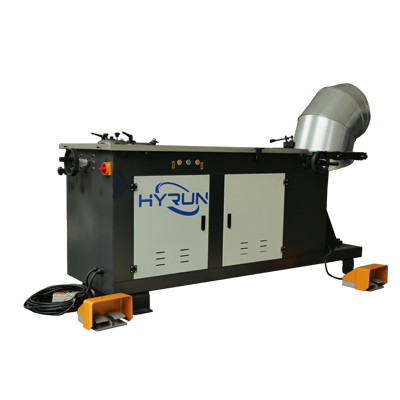
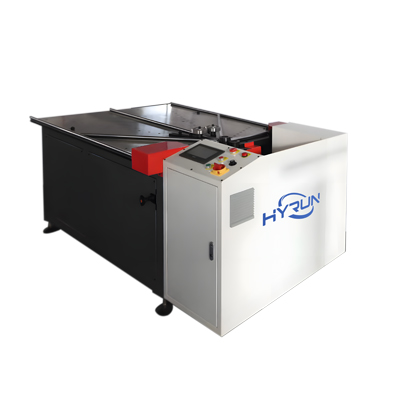
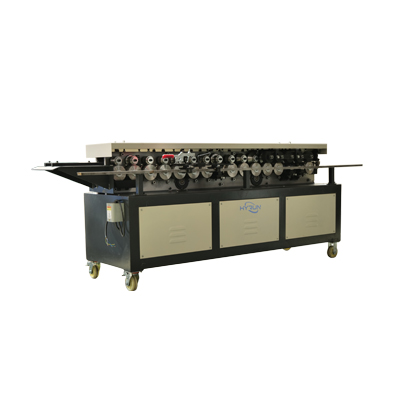
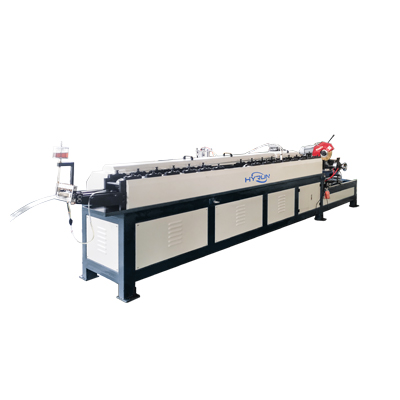
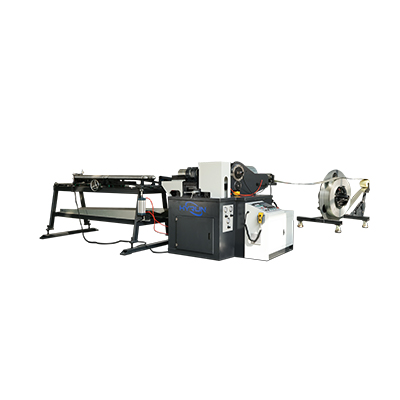
Common plate flange ducts are also constructed from galvanized steel plates. Processing typically involves common plate flange machines and duct production lines that form the material directly, improving its longevity. For optimal results, fully automated mechanized systems, such as comprehensive duct production lines, are recommended. This leads to rapid production, accurate sizing, high efficiency, and the flexibility for on-site fabrication.
These ducts emphasize efficiency without compromising on sealing, ensuring no air leaks in use. Installation is simplified by using buckles produced by the flange machine for fastening, which saves time and effort. Their light weight further eases handling, enhancing installation speed and lowering expenses. The manufacturing process produces little dust or noise, posing no risks to the environment or health. In terms of longevity, common flange ducts are robust, with extended service periods and straightforward maintenance.
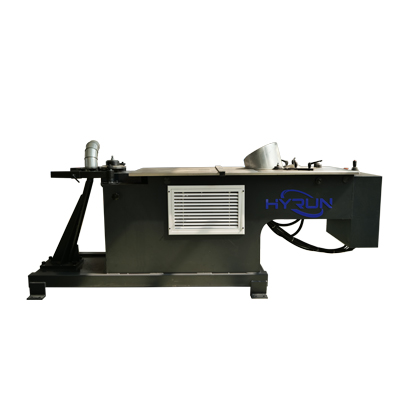
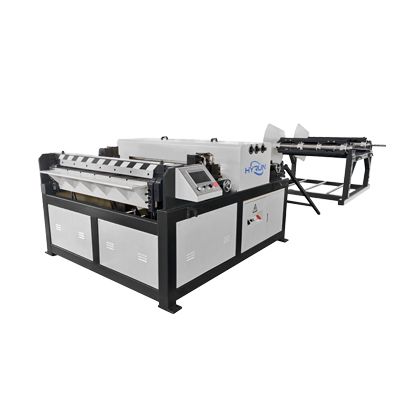
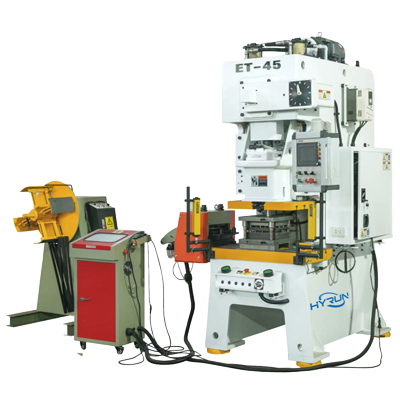
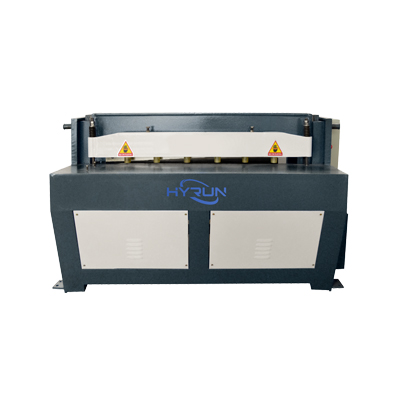
Connections between common plate flange air ducts utilize flange buckles created by specialized machines, made from slightly thicker galvanized steel plates. These buckles are formed using flange clamp equipment and cut to uniform sizes for assembly. The manufacturing process for these ducts involves three main steps: first, standard straight sections are pressed into integral flanges directly from the production line; second, non-standard components like elbows, tees, and crosses are blanked and then flanged on dedicated equipment; third, the four corners of the flange are stamped with dies, allowing for simple clamping during installation.
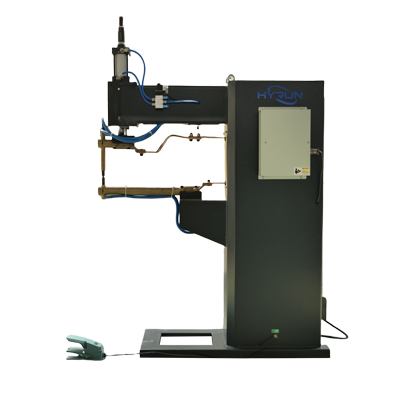
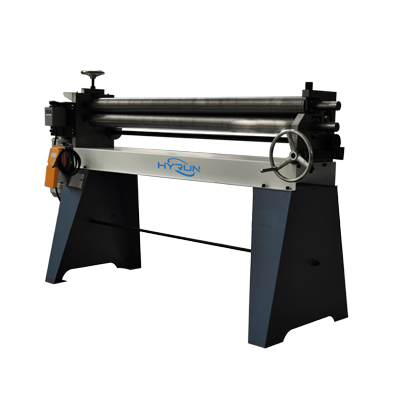
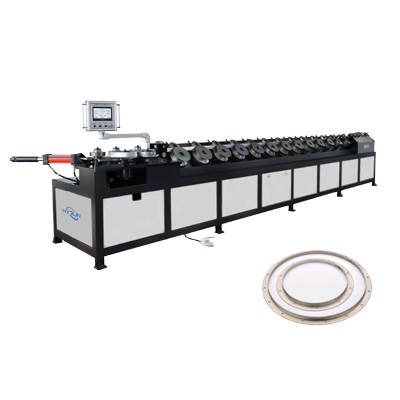
Since the common plate flange is unified with the duct's steel plate, there's no need for punching or riveting as with angle steel flanges. Pipe connections employ special clamps, with 90-degree corner pieces secured by bolts. This method offers ease of use, increased efficiency, a smooth appearance, precise dimensions, strong interchangeability, and consistent quality. The primary equipment centers on the common plate flange machine, supplemented by blanking and folding tools for the ducts.
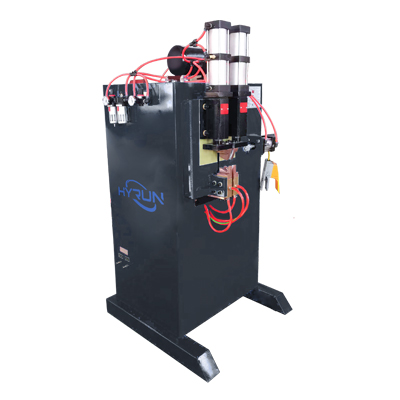
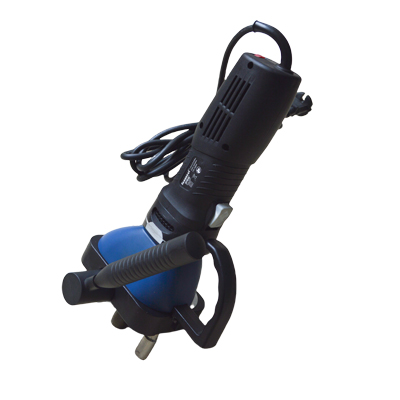
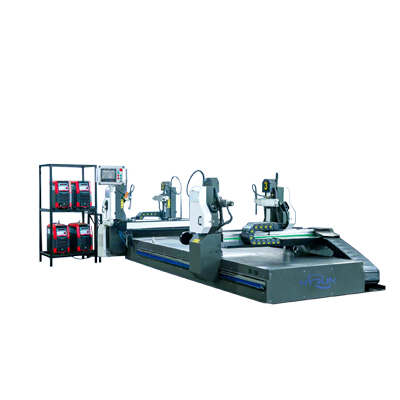
The fabrication of angle iron flange ducts breaks down into four key steps: first, preparing the angle iron and duct materials; second, punching the angle iron; third, welding the angle iron components; and fourth, drilling screw holes and riveting the duct to the angle iron.
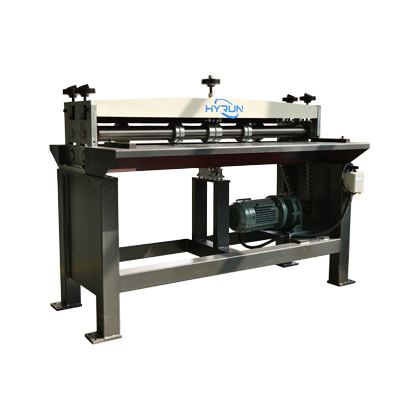
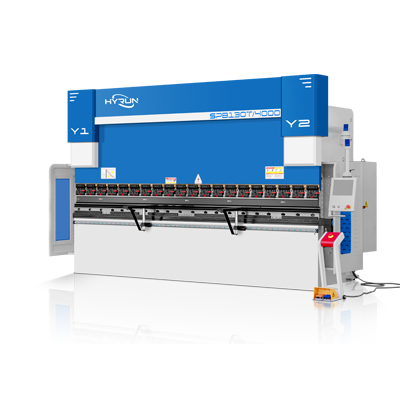
However, ducts produced this way can face interchangeability issues, such as uneven flange surfaces, mismatched screw holes when rotated, or deviations in internal dimensions and diagonals. These problems can complicate on-site assembly, leading to modifications, additional drilling, or even rework and material waste if deviations are excessive. Equipment for these ducts mainly includes multifunctional seaming machines, along with cutting and folding tools for the ventilation components.
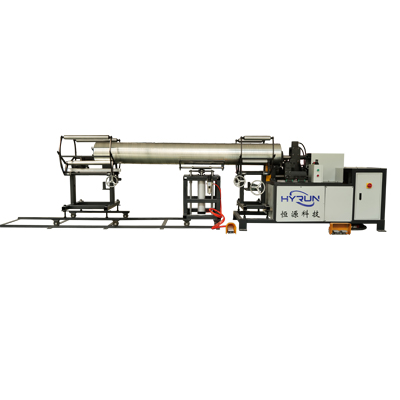
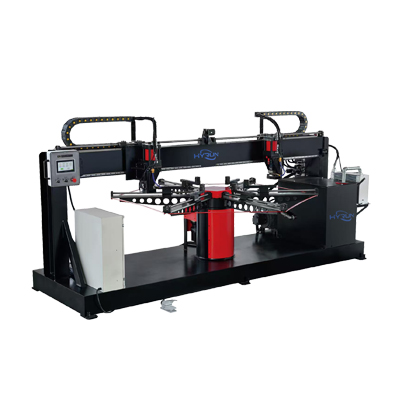
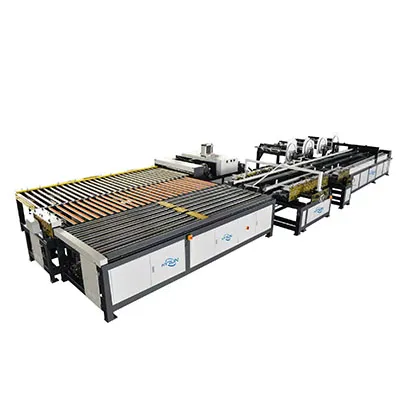
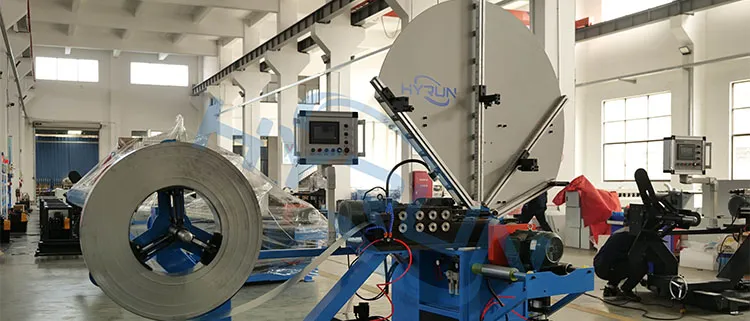
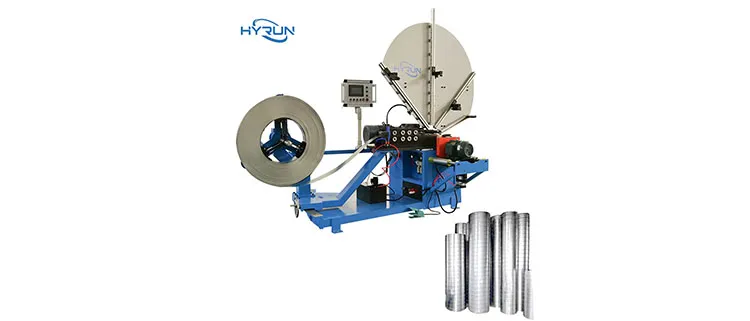
At present, to enhance efficiency in producing both common plate flange and angle iron flange ducts, advanced five-line duct production equipment has been developed, incorporating dual-machine linkage for seaming and flange formation. This system occupies minimal space and features a high level of automation; simply supply the appropriate coil material to the line's feeder to output flat plates, L-shaped parts, or complete square ducts with the desired flanges.
With its automation, sophisticated setup, and low failure rates, this production line is increasingly relied upon in the ventilation industry. A single shift can average 2000 square meters of output, eliminating the need to mix and match various machines. Instead, one integrated system forms ducts in a single pass, significantly boosting productivity.
In summary, regardless of the fabrication method chosen—whether TDF ducts or angle iron flange ducts—the industrial standards for ventilation systems continue to advance. Improvements in quality, features like insulation and airtightness, and processing techniques are constantly evolving to meet higher demands. The primary distinction between common plate flange and angle iron flange ducts lies in their impact on efficiency, and selecting the right approach is essential for optimization.