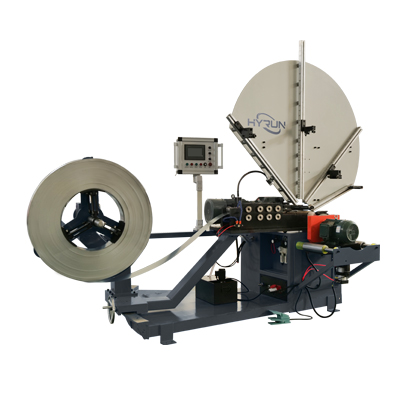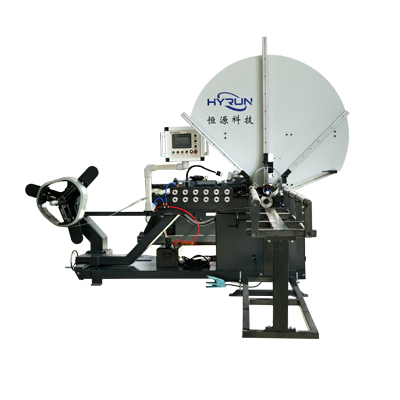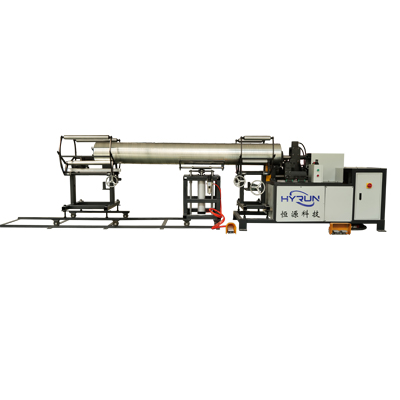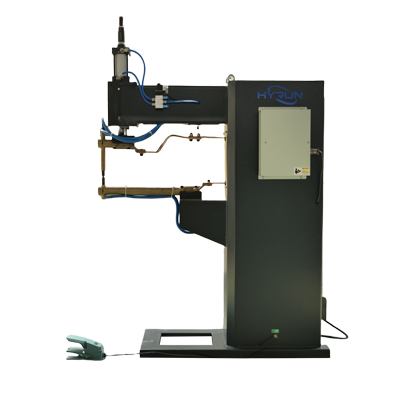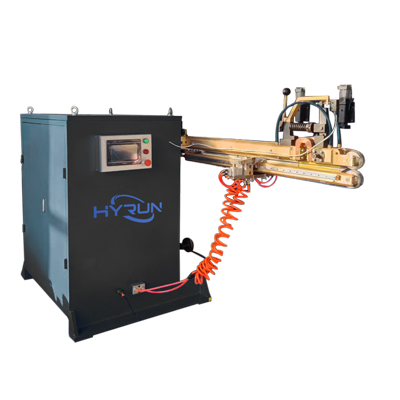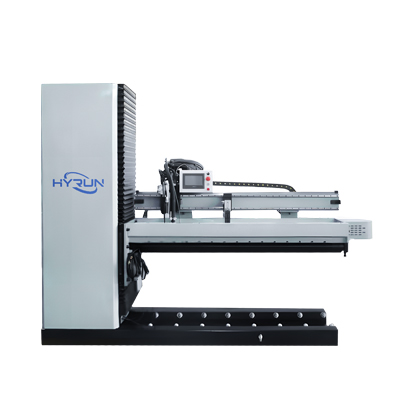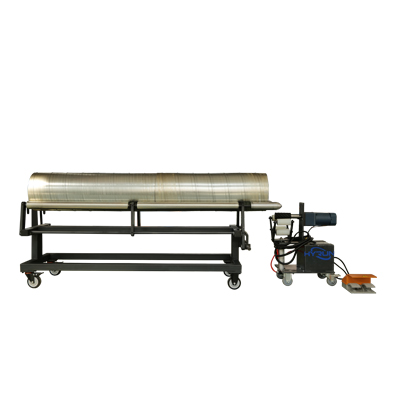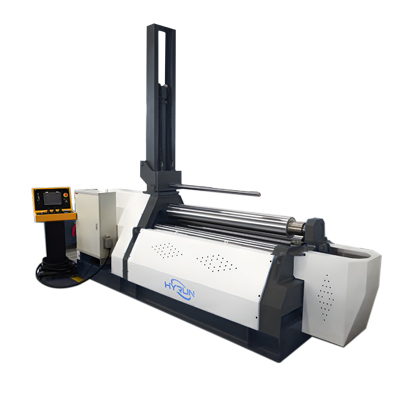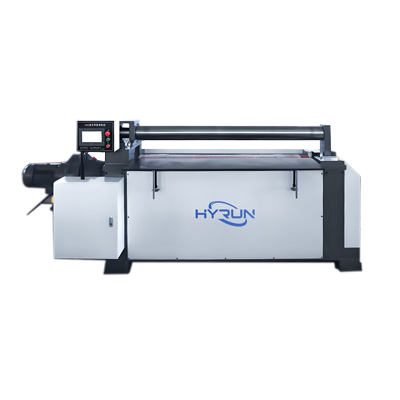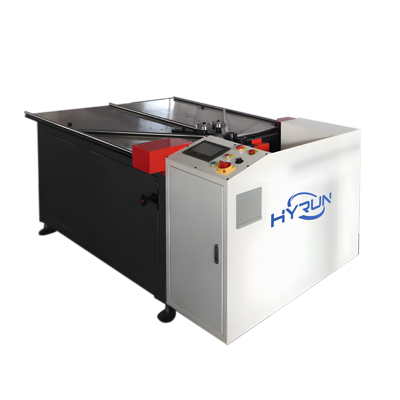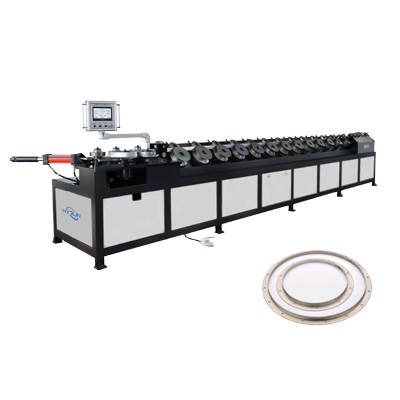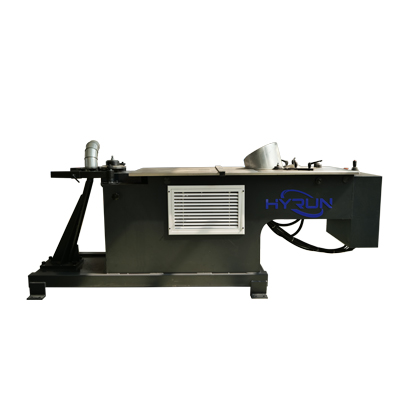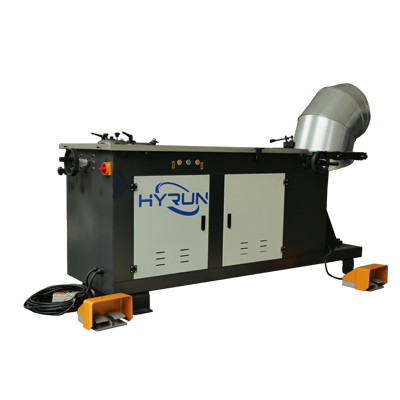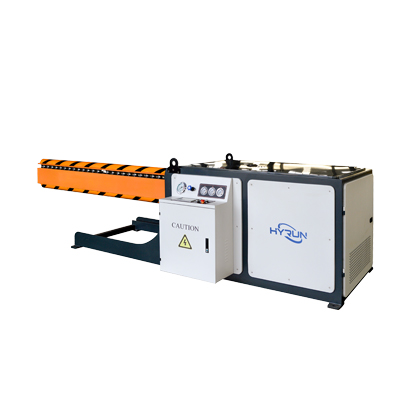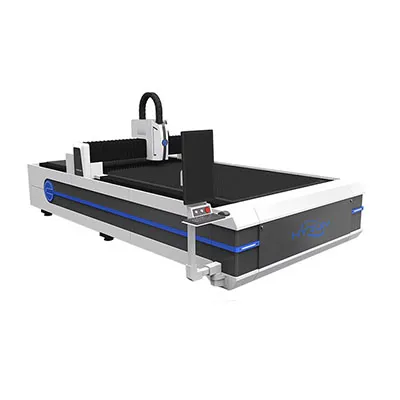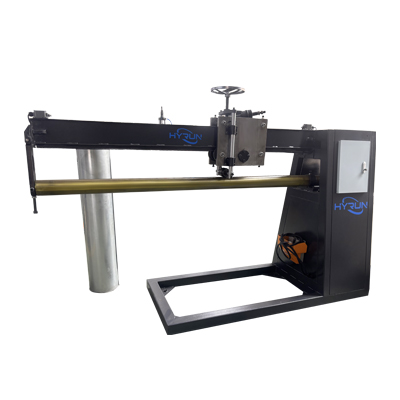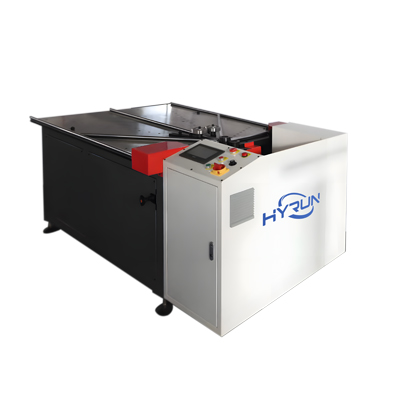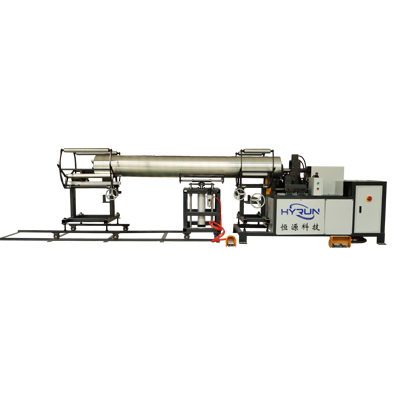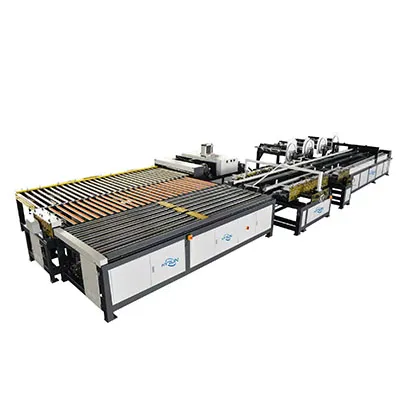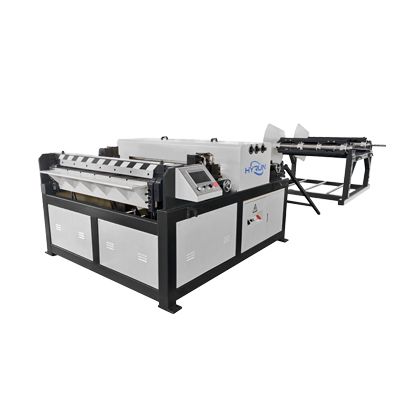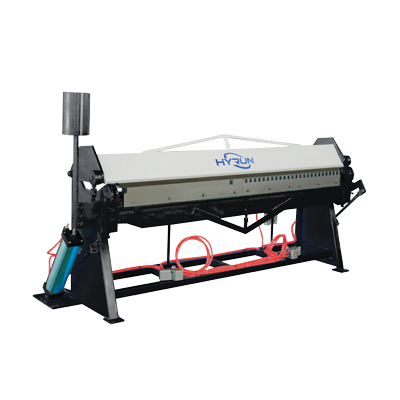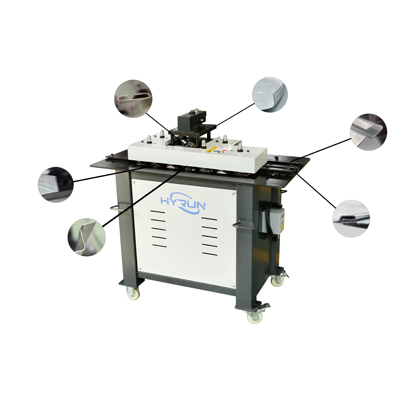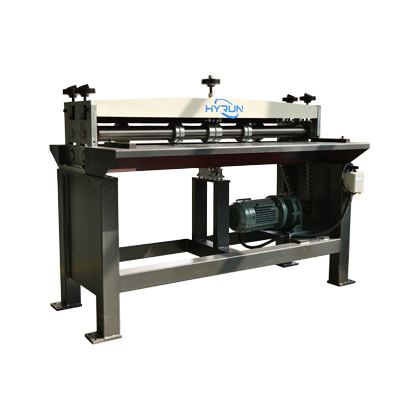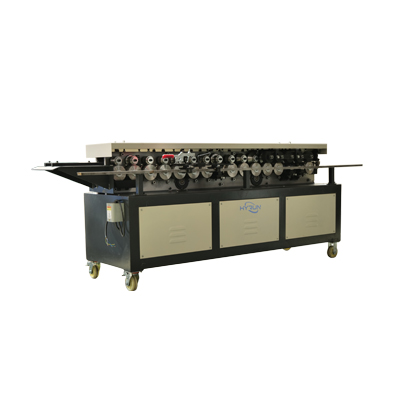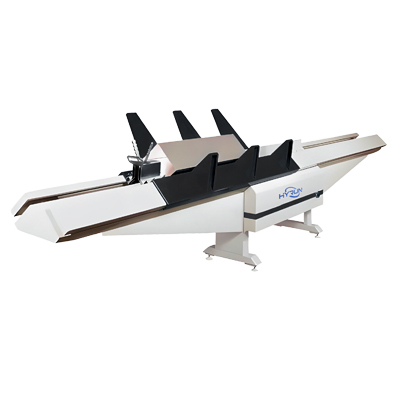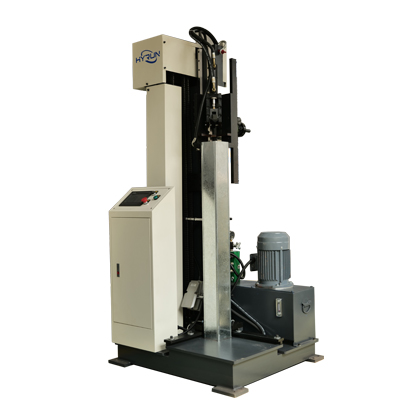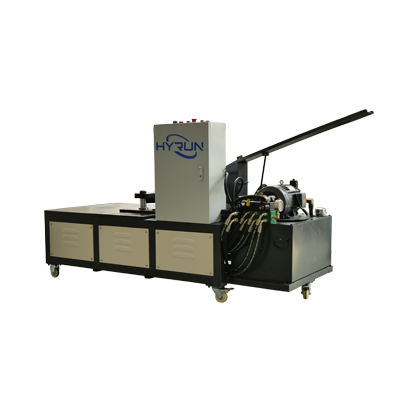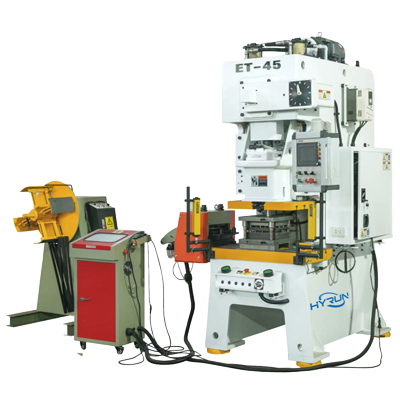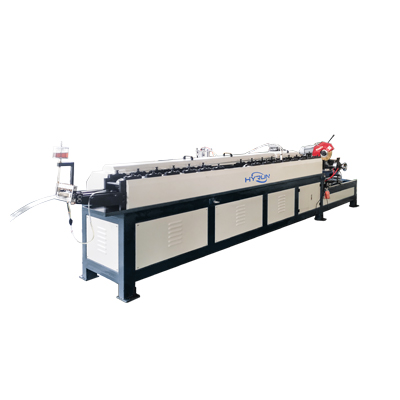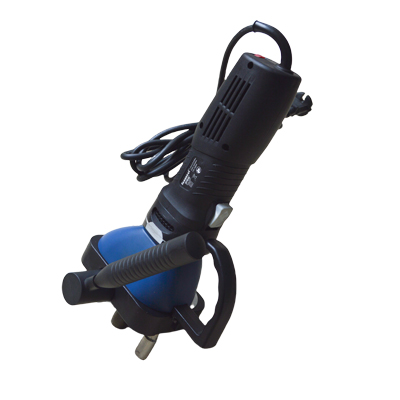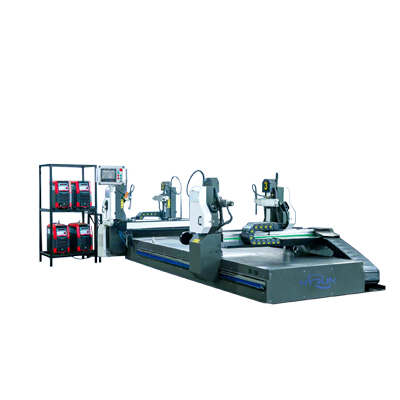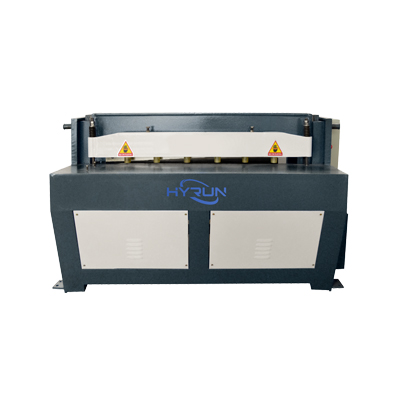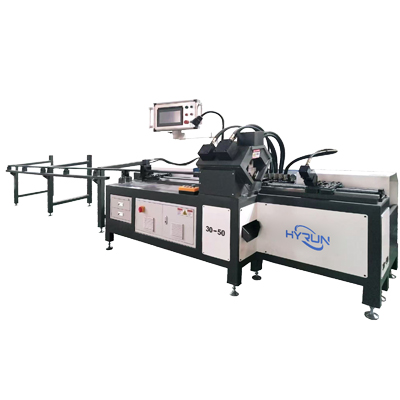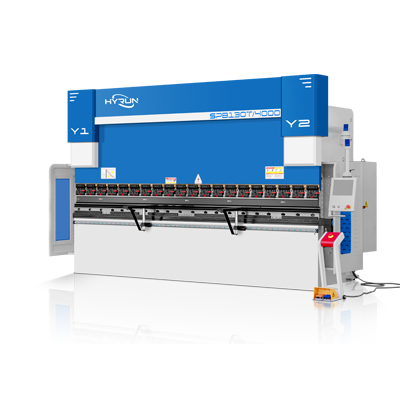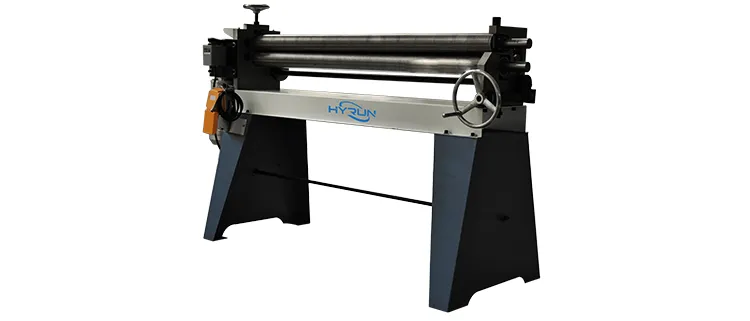
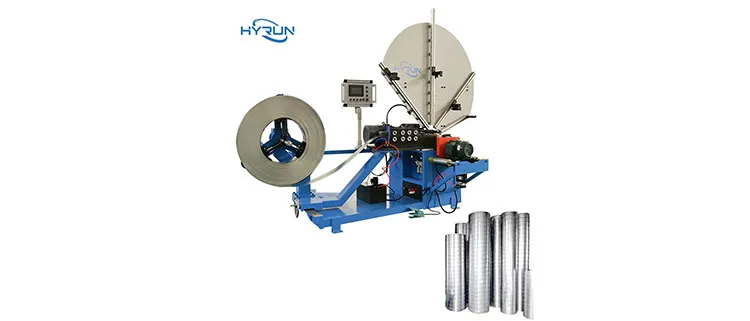
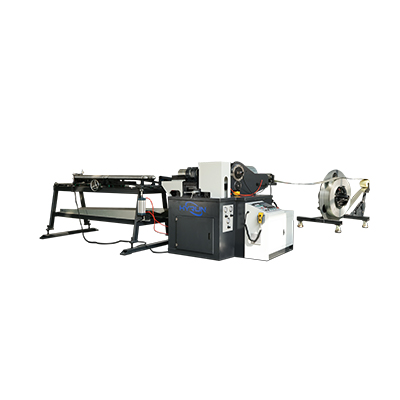
As HVAC manufacturing continues to evolve, improving production efficiency and reducing labor costs have become top priorities for duct manufacturers. An auto duct line integrates feeding, leveling, beading, punching, notching, shearing, and other processes into one automated system, helping factories achieve higher output with greater consistency.
Among the most popular solutions, auto duct line 3 and auto duct line 5 are widely used in HVAC duct fabrication. Although both belong to the auto duct production line family, they differ in automation level, production capacity, factory space requirements, and investment cost. This guide compares the two systems to help you determine which duct manufacturing machine best matches your production goals.
Both auto duct line 3 and auto duct line 5 are designed to automate rectangular duct fabrication, but they target different production scales.
| Feature | Auto Duct Line 3 | Auto Duct Line 5 |
|---|---|---|
| Automation Level | Semi-automatic | Highly automatic |
| Coil Feeding | Automatic | Automatic |
| Processing Functions | Basic duct fabrication | Full automatic production |
| Recommended Production | Small & medium factories | Medium & large factories |
| Labor Requirement | Moderate | Low |
For manufacturers looking to upgrade from manual production, auto duct line 3 offers an affordable entry into automation. Meanwhile, auto duct line 5 provides a higher level of integration, making it suitable for factories that require continuous, high-volume production.
The biggest difference between the two auto duct line systems lies in their workflow automation.
An auto duct line 3 typically automates material feeding, leveling, beading, notching, punching, and cutting, while certain handling operations may still require operator assistance. It is ideal for manufacturers that want to improve efficiency without completely changing their production process.
By comparison, auto duct line 5 offers a higher degree of automation with optimized material transfer and continuous processing. Fewer manual interventions help improve production consistency while reducing operator workload. For factories producing large quantities of air ducts every day, the higher automation level can significantly improve overall productivity.
Production efficiency is one of the main reasons companies invest in an auto duct production line. While both production lines improve manufacturing speed compared with manual methods, their capacity differs considerably.
Generally, auto duct line 3 is suitable for factories with moderate production volumes and limited labor resources. It provides excellent productivity while keeping equipment investment relatively low.
Auto duct line 5, however, is designed for continuous production and higher daily output. It minimizes manual operations and allows fewer operators to manage the production process. For companies facing labor shortages or increasing order volumes, the additional automation can lead to lower operating costs over time.
Selecting the right auto duct line also requires evaluating the material specifications used in production. Both models can process galvanized steel and other common sheet materials used for HVAC duct fabrication, but supported sheet thickness and duct dimensions may vary depending on machine configuration.
Before purchasing a duct manufacturing machine, manufacturers should confirm the required material thickness, maximum sheet width, duct dimensions, and production standards. Matching machine specifications with production requirements helps maximize efficiency while avoiding unnecessary investment in oversized equipment.
Factories producing standard ventilation ducts may find auto duct line 3 fully capable, while manufacturers handling larger or more complex duct projects often benefit from the additional flexibility offered by auto duct line 5.
Besides production capacity, factory layout and budget are important considerations when selecting an auto duct line.
When evaluating different solutions, consider the following factors:
Factory space: Ensure sufficient installation area and material handling space.
Production volume: Choose equipment that matches current and future capacity requirements.
Labor availability: Higher automation reduces dependence on manual operators.
Investment budget: Balance equipment cost with expected productivity improvements.
Maintenance and service: Select a supplier that offers technical support and spare parts.
Although auto duct line 5 requires a higher initial investment, many manufacturers recover the cost through improved efficiency and lower labor expenses. For smaller factories or businesses entering automated production, auto duct line 3 often provides an excellent balance between performance and affordability.
Choosing the right auto duct line depends on your production scale, available factory space, budget, and long-term business plans.
If your factory mainly produces standard HVAC ducts with moderate daily output, auto duct line 3 can deliver reliable automation while keeping investment costs under control. If your business requires continuous production, higher capacity, and reduced labor dependence, auto duct line 5 is usually the better long-term solution.
HYRUN Technology specializes in manufacturing advanced auto duct production line equipment for HVAC duct fabrication. With reliable performance, flexible configurations, and professional technical support, HYRUN helps manufacturers improve productivity and achieve more efficient duct production.
An auto duct line is an automated production system that performs multiple duct fabrication processes, including feeding, leveling, beading, punching, notching, and cutting.
Auto duct line 3 is designed for small and medium production, while auto duct line 5 provides higher automation and greater production capacity for larger factories.
Factories with high production volumes, limited labor availability, or plans for future expansion typically benefit most from auto duct line 5.
Yes. Most auto duct production line systems support multiple duct dimensions, depending on machine configuration and specifications.
Consider production capacity, sheet thickness, duct size requirements, available factory space, automation level, and long-term operating costs before selecting a duct manufacturing machine.
An auto duct line improves production efficiency, reduces labor costs, enhances product consistency, and supports scalable HVAC duct manufacturing.