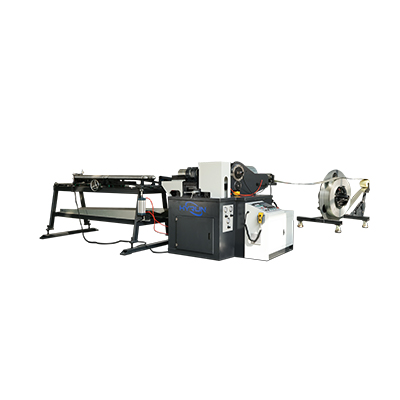
As HVAC projects become larger and more schedule-sensitive, duct manufacturers need more than production speed. They also need clear records that connect drawings, materials, machine settings, inspection results, packing lists, and delivery batches. Production traceability helps factories reduce disputes, identify problems faster, improve quality control, and build stronger trust with contractors and project buyers.
INDUSTRY CONTEXT
In traditional duct fabrication, many workshops focus mainly on producing acceptable duct sections and fittings. If the dimensions look correct and the delivery leaves the factory, the order is considered complete. This approach can work for small local projects, but it becomes risky as project size and customer expectations increase.
Modern HVAC projects often require phased delivery, mixed duct types, multiple installation zones, strict quality expectations, and fast response when site teams raise questions. In this environment, duct manufacturers need reliable production records, not only finished ductwork.
Production traceability means the factory can connect each batch of ductwork with the related drawing, material, machine process, inspection result, packing list, and delivery information. This makes production easier to manage and customer communication more professional.
For duct manufacturers competing in commercial and industrial markets, traceability is becoming a practical sign of factory maturity.
BATCH CONTROL
HVAC duct orders rarely consist of one repeated size. A typical project may include spiral ducts, rectangular ducts, elbows, reducers, branches, flanges, welded parts, and special fittings. These parts may need to be delivered by floor, zone, system, or installation sequence.
Without batch control, finished parts can be difficult to match with site requirements. A factory may produce the right items, but if labels, packing lists, or batch references are unclear, the contractor may still experience delays during unloading and installation.
A simple traceability system can record order number, drawing revision, material type, duct size, production date, operator, machine station, inspection result, and delivery batch. Even if the system starts as a spreadsheet or printed checklist, it creates a shared reference for factory and customer communication.
The goal is not complicated paperwork. The goal is to prevent avoidable confusion.
QUALITY RECORDS
Quality problems in duct fabrication often repeat. A seam may open on a certain material thickness. A flange profile may become unstable after a tooling change. A welded joint may require more cleaning on stainless steel. A batch of elbows may need adjustment when angle requirements change.
If these issues are not recorded, the factory depends on memory. Operators may solve the same problem again and again without the workshop learning from it. Inspection notes create a feedback loop by showing where defects happen and which conditions create risk.
Useful records do not need to be complicated. The factory can document first-piece confirmation, dimensional checks, seam quality, flange consistency, weld appearance, material scratches, rework reasons, and final packing review.
Over time, these records help managers decide whether the root cause is training, tooling, material quality, machine adjustment, maintenance, or drawing communication.
MACHINE SETTINGS
Many duct fabrication processes depend on setup. Roller position, cutting length, forming pressure, welding parameters, flange tooling, beading wheels, and material feeding settings all influence output quality. If settings are not recorded, production consistency may depend too much on individual operator experience.
A machine setting record helps the factory repeat successful production. When the same material, thickness, diameter, or profile appears again, operators can start from proven settings instead of beginning from trial-and-error.
This is especially valuable when several operators share the same equipment or when orders are produced across different shifts. Standard records reduce variation and make training easier for new operators.
Stable machinery and clear settings work together. The machine provides repeatable capability; documentation helps the workshop use that capability consistently.
CUSTOMER TRUST
When a customer reports a problem, the factory should be able to respond with facts. Which batch was delivered? Which drawing revision was used? What material was selected? Who inspected the parts? Were related fittings packed together? Did the issue affect one item or the full batch?
Without traceability, the response may become slow or defensive. With traceability, the factory can identify the affected batch, review records, confirm whether the problem is production-related, transport-related, or installation-related, and decide the next action more quickly.
This does not mean every dispute disappears. It means communication becomes more evidence-based. For contractors managing project deadlines, this kind of response builds confidence.
Professional documentation helps a duct supplier look less like a basic workshop and more like a reliable project partner.
DELIVERY CONTROL
A duct order is not truly complete when the last part leaves the machine. It still needs inspection, labeling, packing, loading, delivery, unloading, and installation. Traceability helps connect these steps so that the right parts arrive in the right place at the right time.
For example, a batch label can connect finished ducts with the project zone, drawing number, fitting list, and packing sequence. This reduces searching time on site and helps installation teams work in the planned order.
Traceability also helps when phased delivery is required. If a contractor asks for the status of one floor or one system, the factory can check production and packing records instead of relying only on verbal updates.
Better delivery control supports the same goal as better machinery: smoother project execution.
BUYER CHECKLIST
Traceability should start simple. A factory does not need a complex digital platform on the first day. It can begin with standard production forms, batch labels, inspection sheets, and shared order records.
The most useful information is the information that helps prevent mistakes, explain production status, or solve problems faster.
Record order number, drawing revision, project zone, and delivery batch.
Track material type, thickness, coil or sheet reference, and special requirements.
Save key machine settings for repeated sizes, profiles, and material conditions.
Use first-piece inspection and final inspection records.
Label fittings together with related duct sections when possible.
Record rework reasons so managers can identify recurring production issues.
HYRUN NOTE
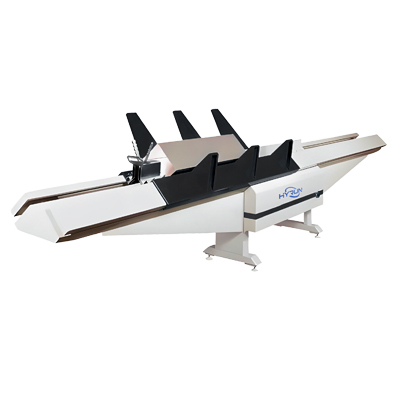
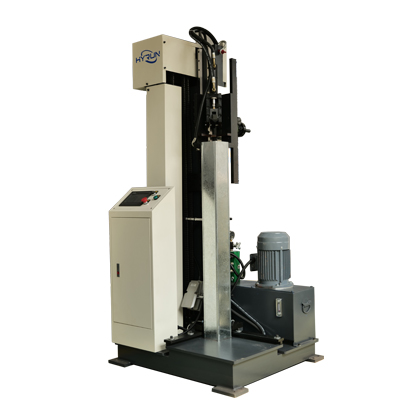
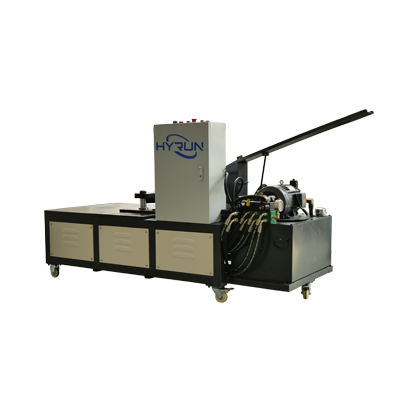
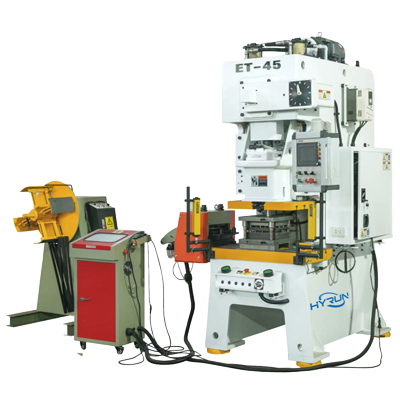
HYRUN can connect traceability with practical machinery consultation. When recommending duct fabrication equipment, HYRUN can ask buyers about production batches, common duct types, material range, inspection process, packing method, and project delivery requirements.
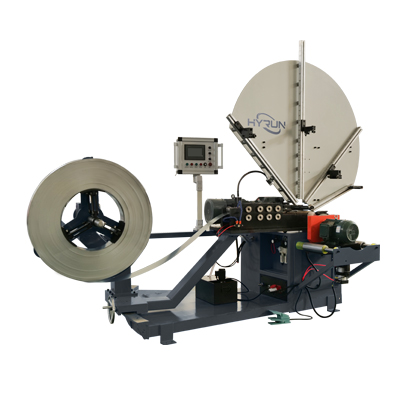
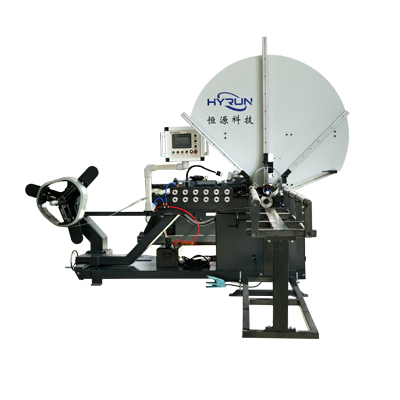
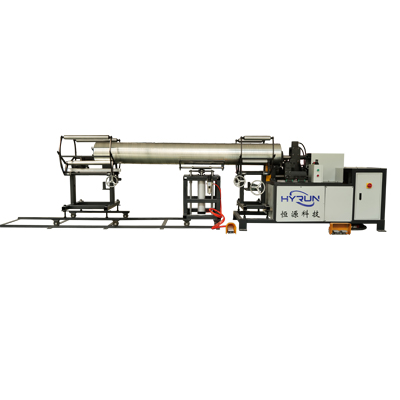
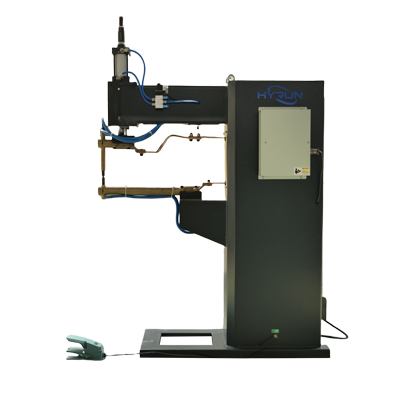
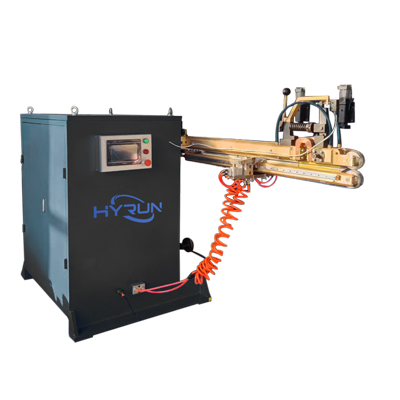
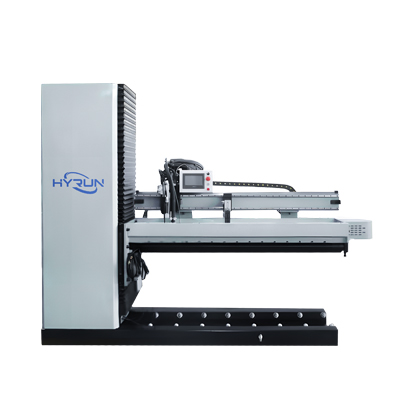
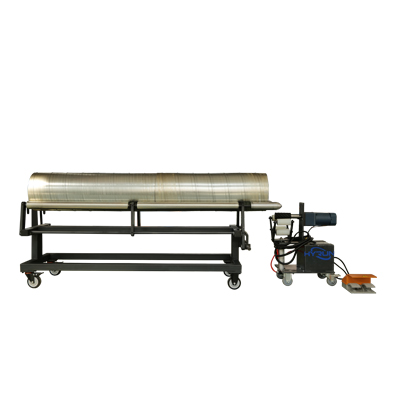
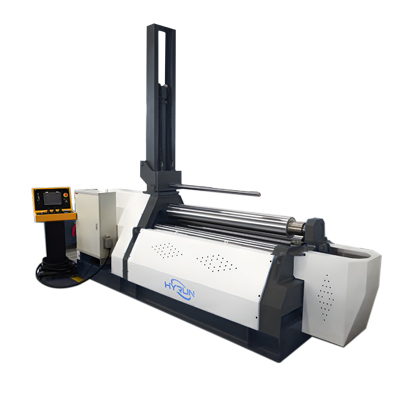
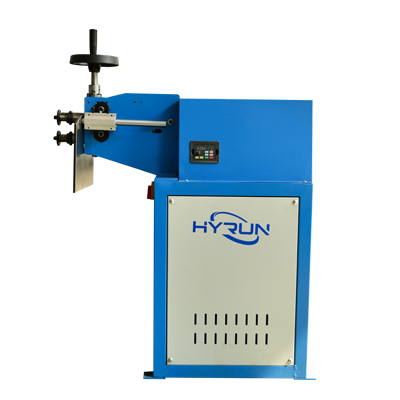
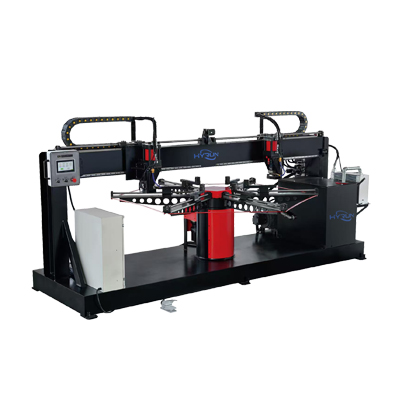
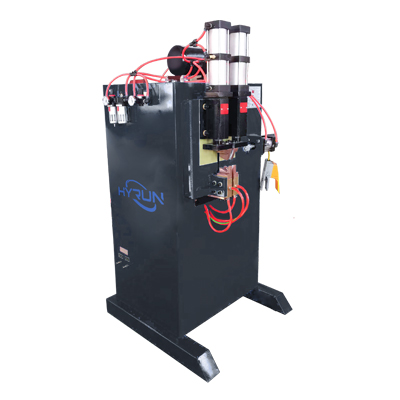
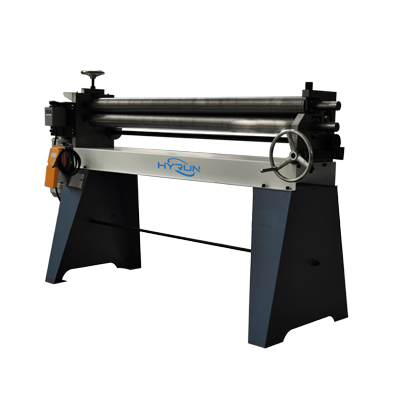
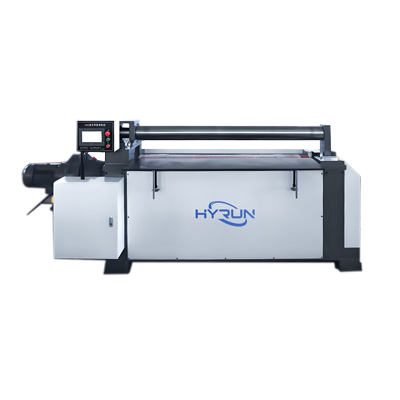
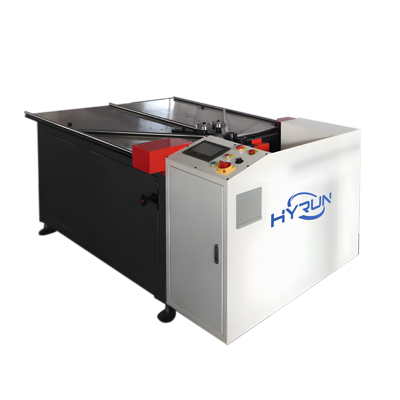
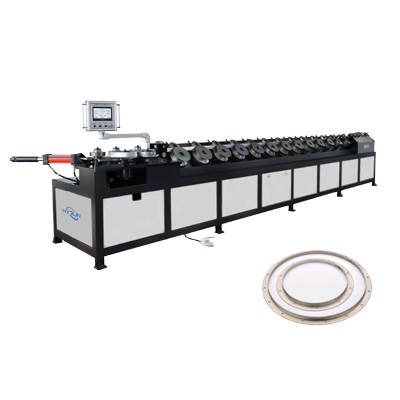
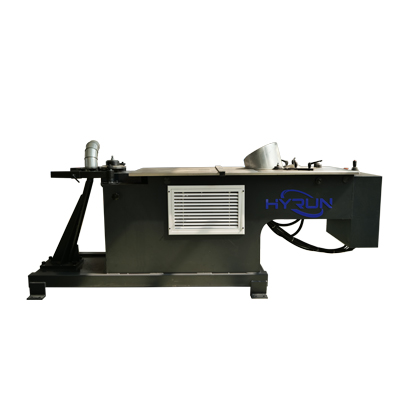
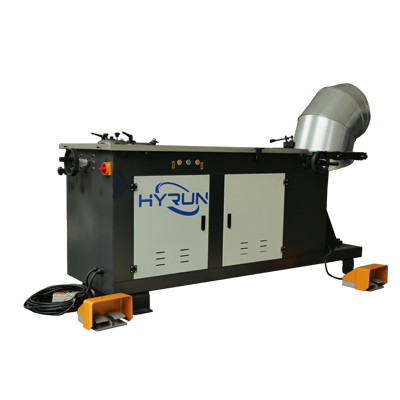
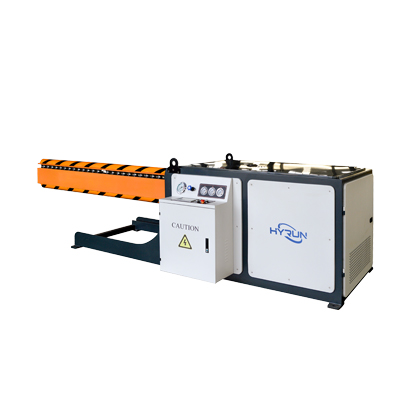
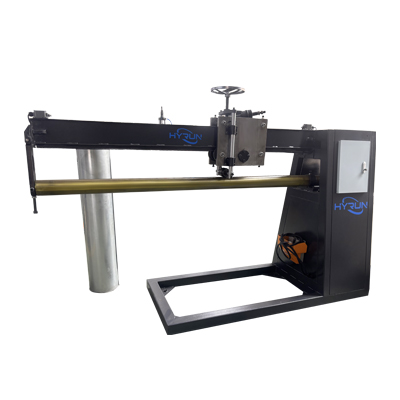
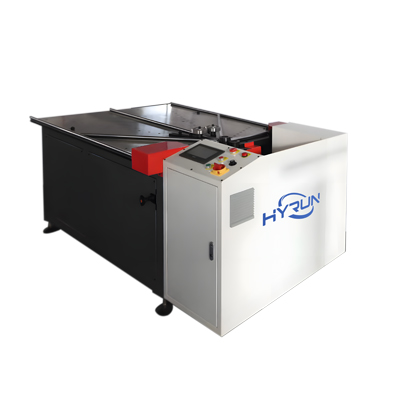
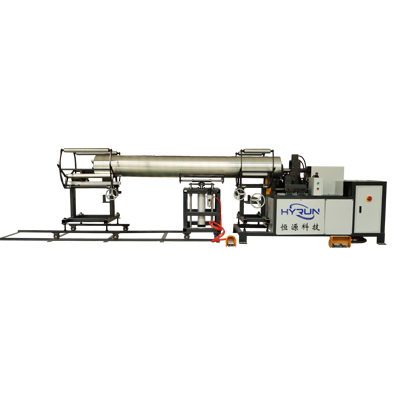
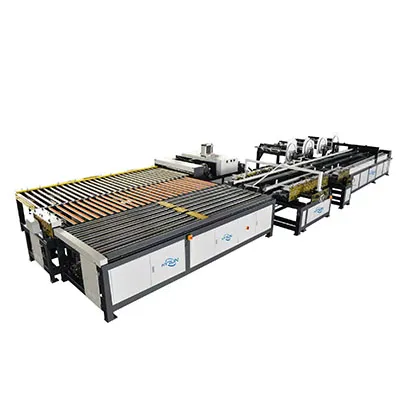
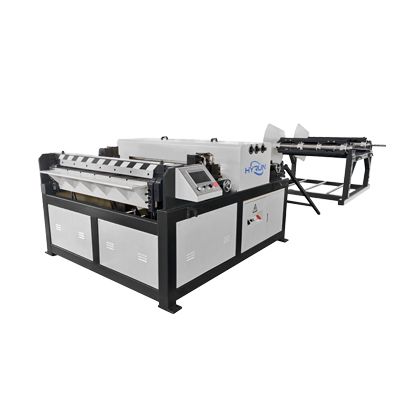
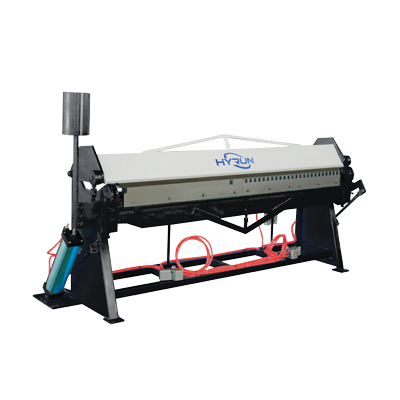
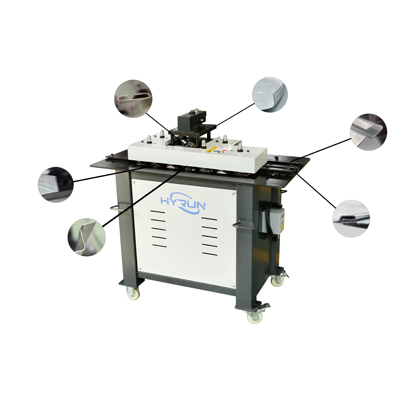
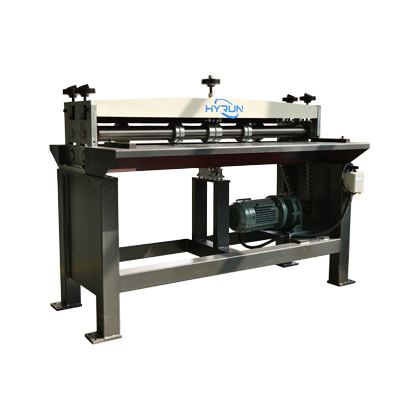
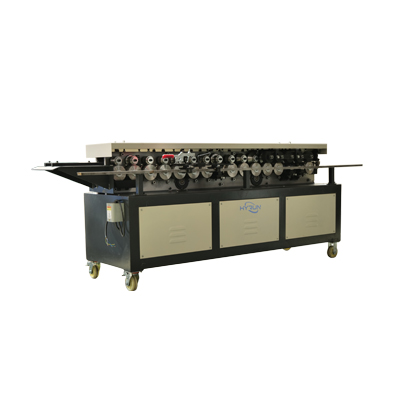
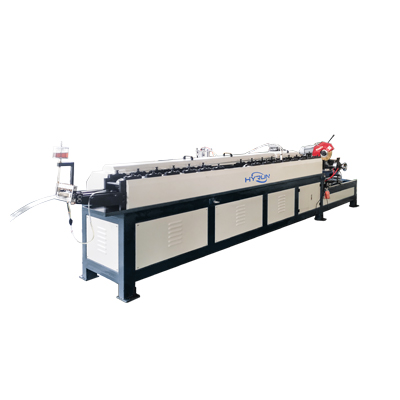
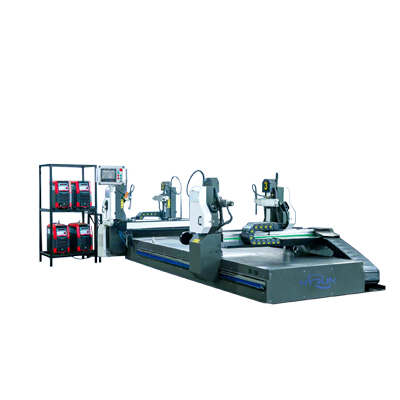
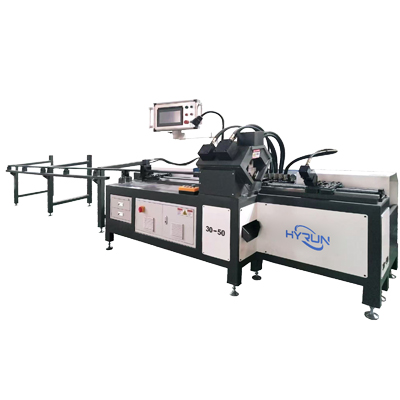
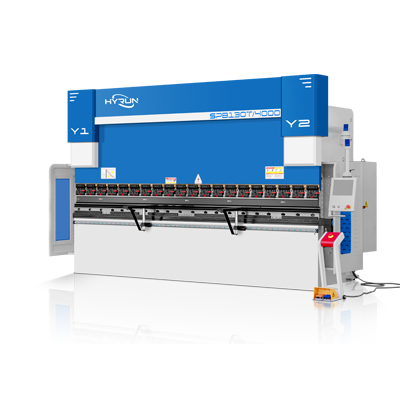
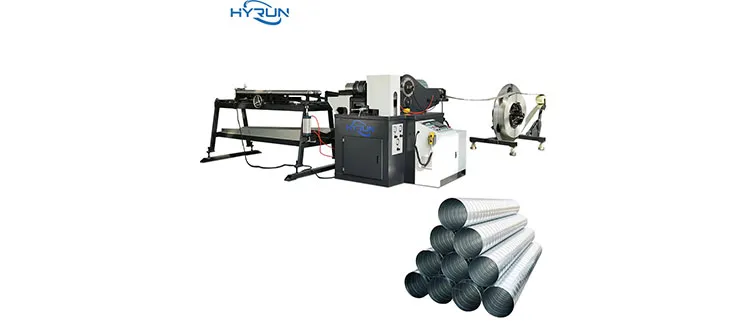
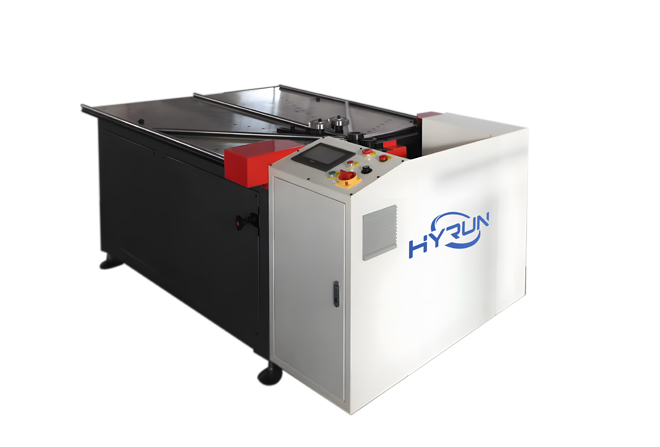
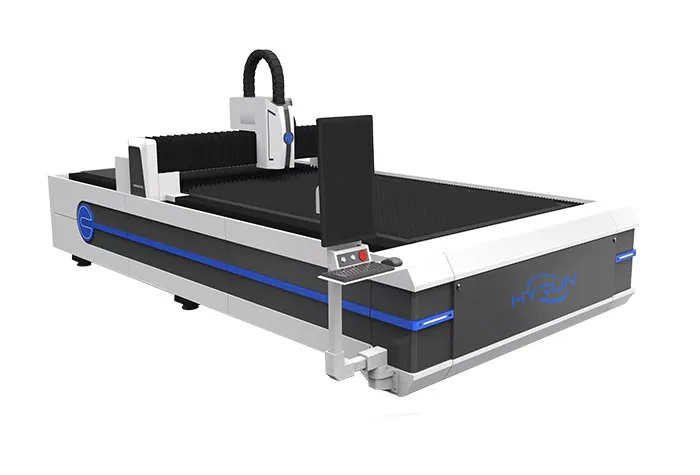
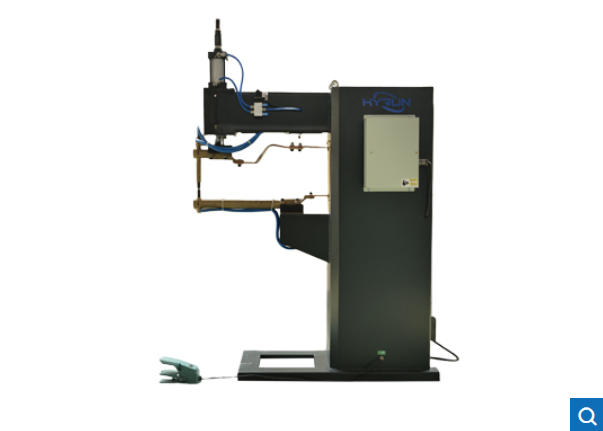
This helps customers think beyond machine speed. A spiral duct machine, flanging machine, elbow machine, welding machine, beading machine, or duct line should fit into a production route where output can be checked, labeled, recorded, and delivered clearly.
For overseas buyers, this message is useful because documentation reduces uncertainty after installation. Operators can record settings, maintenance teams can describe issues more clearly, and managers can communicate production status with customers more professionally.
By presenting machinery as part of a controlled production system, HYRUN can show that it understands both factory operation and project delivery needs.
CONCLUSION
Production traceability may not look as exciting as a new machine, but it has a strong effect on quality control, delivery reliability, and customer trust. It helps duct manufacturers understand what happened in production and how to improve future orders.
For HVAC duct factories, the next stage of competitiveness is not only faster equipment. It is better control over the entire production process, from material and machine settings to inspection, packing, and delivery records.
SMACNA HVAC Duct Construction Standards overview: https://www.smacna.org/store/product/hvac-duct-construction-standards-metal-and-flexible-third-edition-50
U.S. Department of Energy, Minimizing Energy Losses in Ducts: https://www.energy.gov/energysaver/minimizing-energy-losses-ducts
ISO 9001 quality management overview: https://www.iso.org/iso-9001-quality-management.html
HYRUN website: https://www.hyruntech.com/