EN

Pneumatic Spot Welding vs Stitch Welding Machine for HVAC Duct Production

Table of Content [Hide]
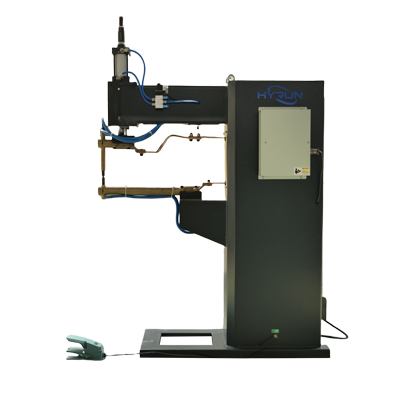
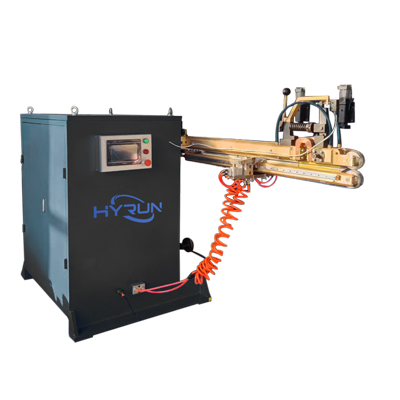
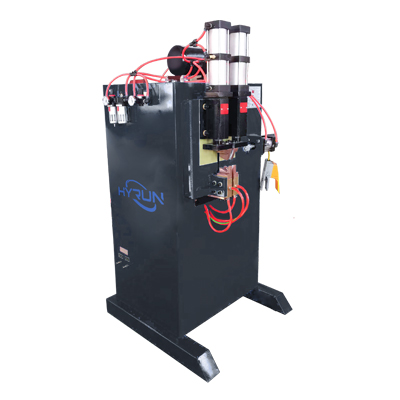
    Efficient joining technology is essential for manufacturing high-quality HVAC ductwork. Whether producing rectangular ducts, fittings, or other sheet metal components, choosing the right welding process directly affects production speed, joint strength, and finished product quality. A pneumatic spot welding machine is widely used in HVAC factories because it delivers fast, reliable welds with minimal material distortion.

    However, some manufacturers also use a stitch welding machine for applications requiring continuous seam connections. Understanding the differences between these two welding methods helps manufacturers select the most suitable equipment for their production requirements. This guide compares pneumatic spot welding machine technology with stitch welding to help improve productivity and product performance.


    How Pneumatic Spot Welding Machine and Stitch Welding Machine Work

    Both welding methods join sheet metal using heat and pressure, but they operate differently.

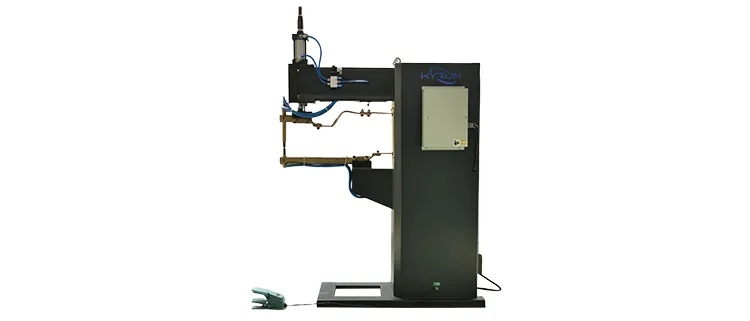
    A pneumatic spot welding machine creates individual weld points by applying pressure and electrical current between two electrodes. Each weld is completed within seconds, producing strong localized joints with limited heat input.

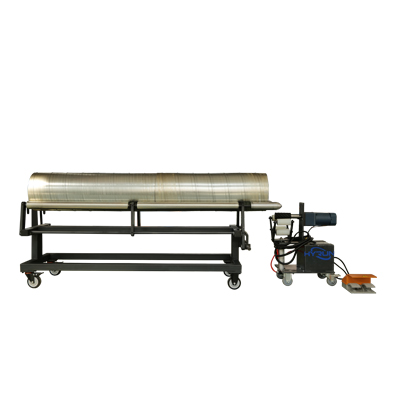
    A stitch welding machine, also known as a stitch welder, forms a series of closely spaced welds along a seam, creating a nearly continuous joint. This method provides greater sealing performance and is commonly used where stronger or more airtight connections are required.

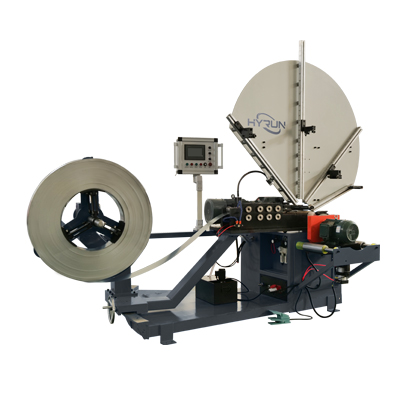
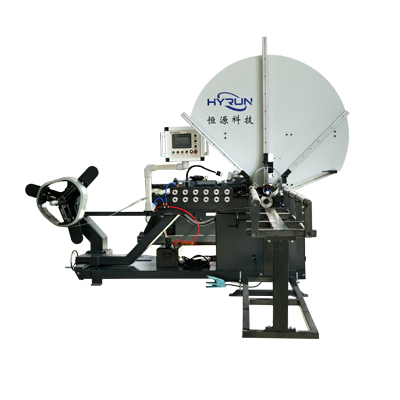
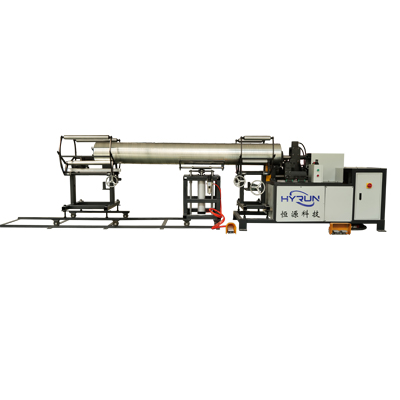
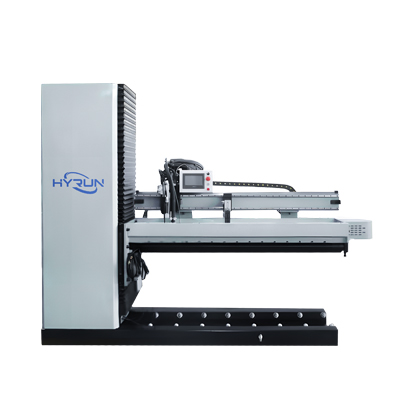
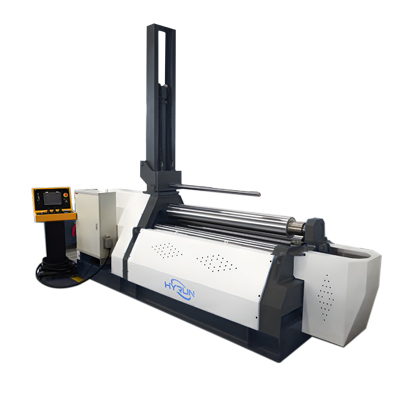
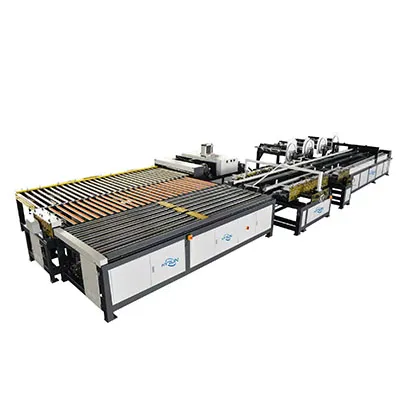
    Both systems are widely integrated into modern ductwork machine production lines to improve manufacturing efficiency and product consistency.


    Pneumatic Spot Welding Machine vs Stitch Welding: Weld Pattern and Joint Strength

    The welding pattern directly affects the mechanical performance of the finished duct.

    Welding MethodWeld PatternMain Advantage
    Pneumatic Spot Welding MachineIndividual spot weldsFast production and low heat distortion
    Stitch Welding MachineContinuous or overlapping weldsHigher joint strength and improved sealing

    A pneumatic spot welder provides sufficient strength for many standard HVAC duct assemblies while minimizing material deformation. Stitch welding creates stronger continuous joints that are better suited for products requiring higher structural integrity or improved airtightness.

    The appropriate choice depends on duct design, operating pressure, and customer specifications.


    Production Speed and Heat Input

    Production efficiency is a major consideration when selecting welding equipment. In most HVAC applications, a pneumatic spot welding machine offers higher production speed because each weld requires only a short welding cycle.

    Lower heat input also minimizes sheet distortion, reducing the need for additional correction during assembly. This makes spot welding particularly suitable for thin galvanized steel commonly used in HVAC duct production.

    By comparison, a stitch welding machine generally requires longer welding time because it produces multiple connected welds along the seam. Although productivity may be slightly lower, the resulting joint provides greater continuity and sealing performance.

    Manufacturers should balance production speed with product performance requirements when selecting the appropriate welding process.


    Surface Finish and Duct Airtightness

    Surface quality is especially important for HVAC duct systems because poor weld quality can affect appearance, assembly accuracy, and air leakage performance.

    A pneumatic spot welding machine produces clean individual weld points with limited discoloration and minimal deformation. This helps maintain the dimensional accuracy of finished duct components.

    Stitch welding creates a more continuous welded seam, which generally offers better airtightness for applications requiring higher leakage resistance. However, because more heat is introduced into the material, proper machine adjustment is necessary to avoid excessive distortion.

    Routine inspection of welding quality ensures both welding methods produce reliable and consistent results throughout the manufacturing process.


    Best Applications for Each Process

    Selecting the appropriate welding technology depends on product design, production volume, and performance requirements.

    The following applications are commonly recommended:

    • Pneumatic spot welding machine: Standard HVAC ducts, fittings, light-gauge sheet metal products, and high-volume production lines.

    • Stitch welding machine: High-pressure ducts, reinforced duct components, airtight enclosures, and products requiring continuous seam strength.

    Many manufacturers operate both systems within the same production facility to maximize manufacturing flexibility. Combining different welding technologies allows factories to optimize efficiency while meeting a wider range of customer requirements.


    Which Welding Machine Should You Choose?

    Choosing between a pneumatic spot welding machine and a stitch welding system depends on your production priorities. If your factory focuses on high-volume HVAC duct manufacturing with thin sheet materials, a pneumatic spot welder usually provides the best balance of speed, quality, and operating cost.

    If your products require higher joint strength or improved airtight performance, investing in a stitch welding machine may provide better long-term value despite the slower production speed.

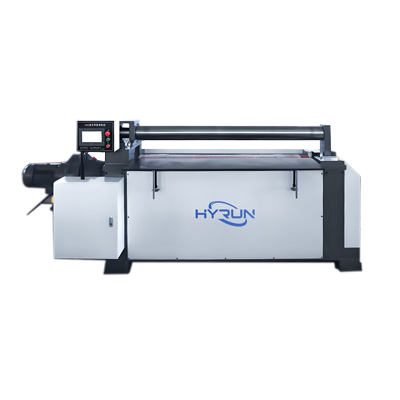
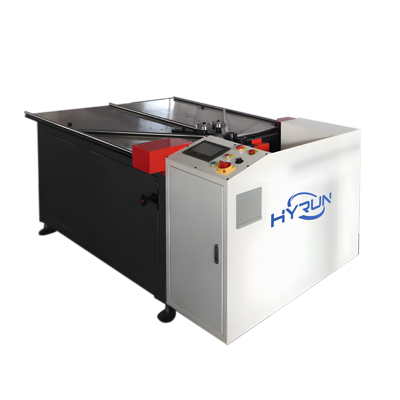
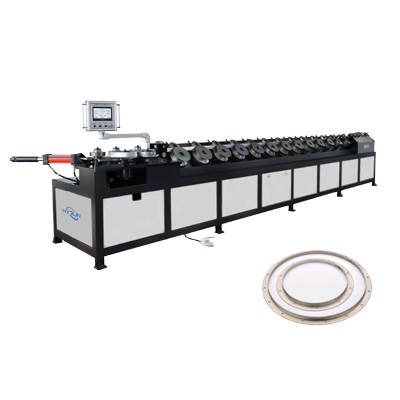
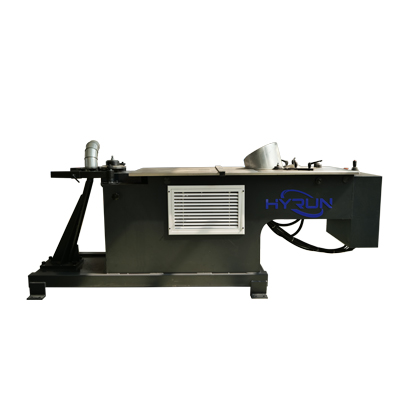
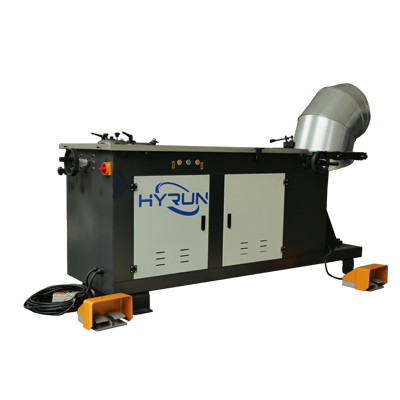
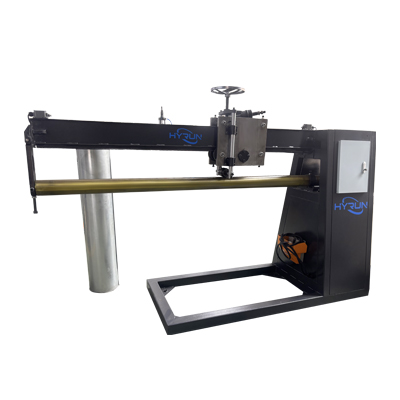
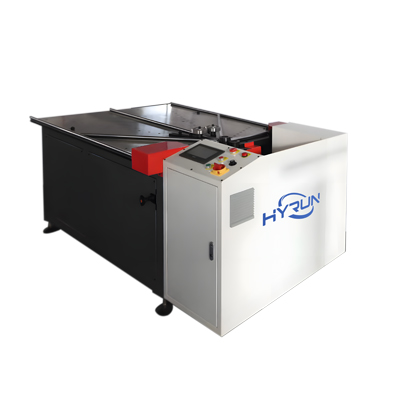
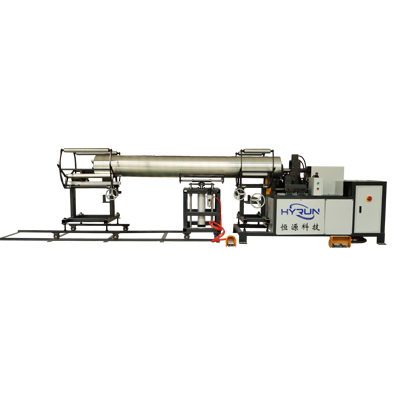
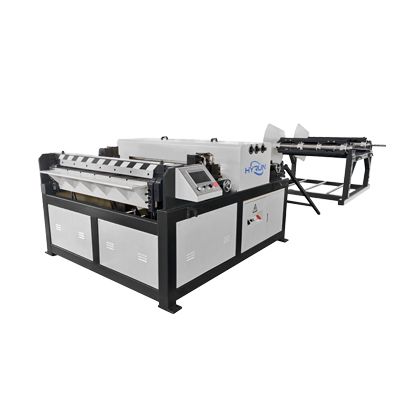
    HYRUN Technology supplies professional ductwork machine solutions, including advanced pneumatic spot welding machine equipment designed to improve production efficiency, welding consistency, and long-term manufacturing reliability.


    FAQ About Pneumatic Spot Welding Machine

    What materials can a pneumatic spot welding machine weld?

    Most machines are suitable for galvanized steel, stainless steel, carbon steel, and other sheet metals commonly used in HVAC duct manufacturing.

    Can a pneumatic spot welding machine be integrated into an automatic production line?

    Yes. A pneumatic spot welding machine can be integrated with cutting, folding, flange forming, and other ductwork machine equipment to create a highly automated production line.

    Does spot welding require filler material?

    No. Resistance spot welding joins metal sheets through heat and pressure, so additional filler material is generally not required.

    How often should welding electrodes be maintained?

    Electrodes should be inspected, cleaned, and dressed regularly to maintain stable welding quality and extend machine service life.

    What factors should I consider before purchasing a pneumatic spot welding machine?

    Consider material thickness, production capacity, welding quality requirements, automation level, power supply, and after-sales service to ensure the pneumatic spot welding machine matches your manufacturing needs.

    References
    We use cookies to offer you a better browsing experience, analyze site traffic and personalize content. Part of the tracking is necessary to ensure SEO effectiveness,
    By using this site, you agree to our use of cookies. Visit our cookie policy to learn more.
    Reject Accept