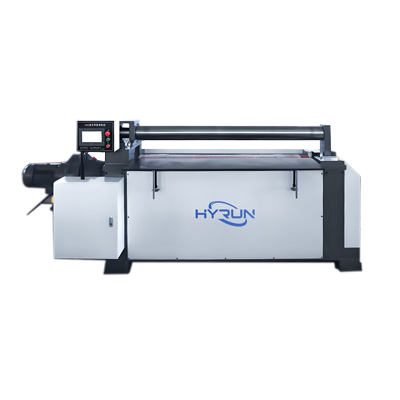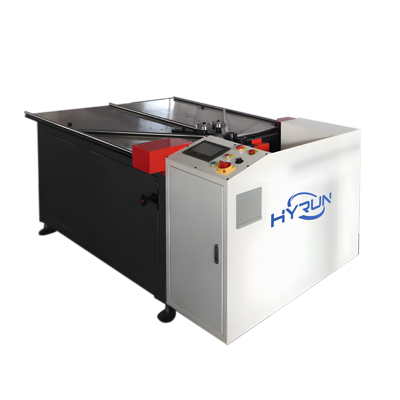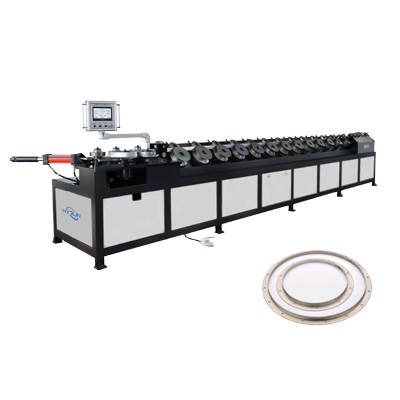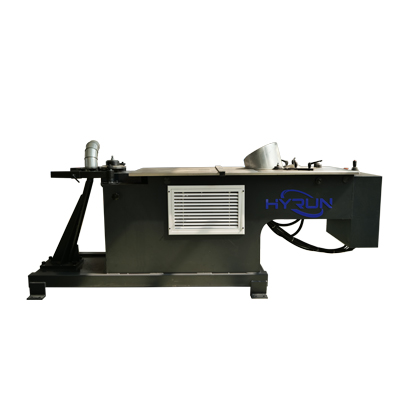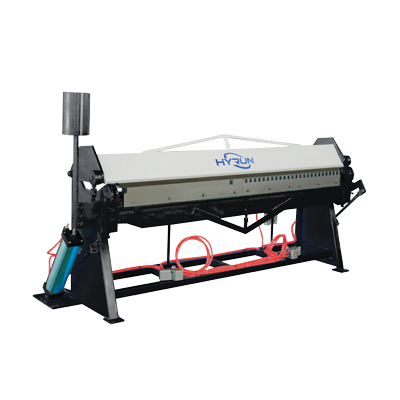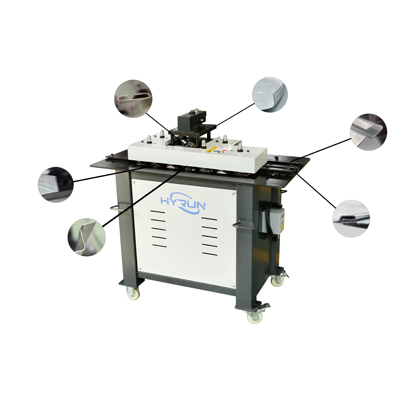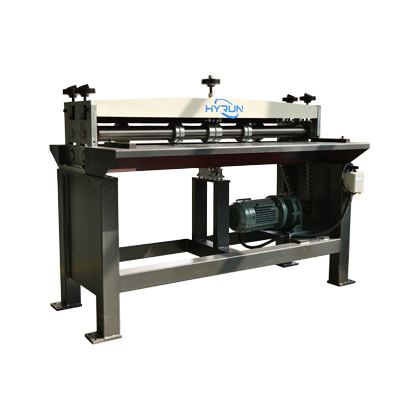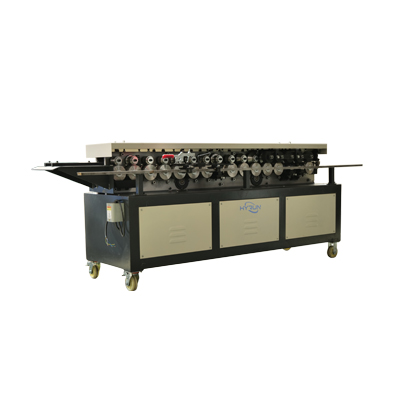

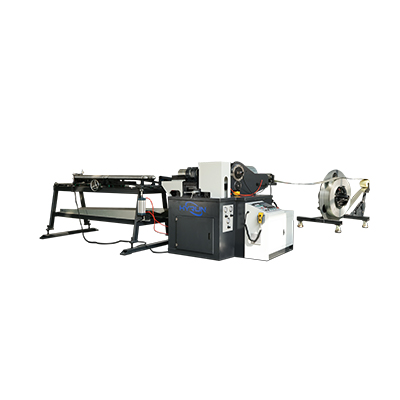
A text-focused industry article for HVAC duct manufacturers evaluating how modular equipment planning, phased investment, workshop growth, and production scalability affect long-term duct fabrication competitiveness.
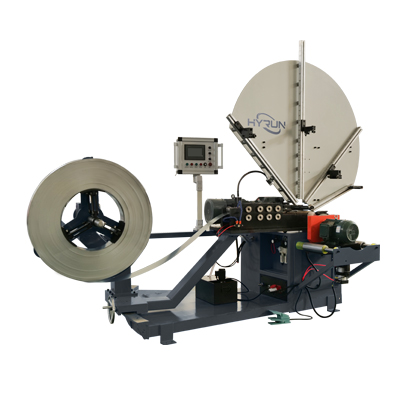
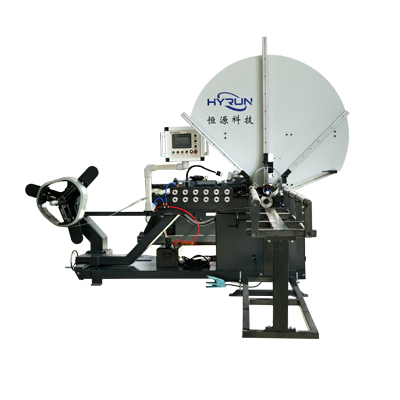
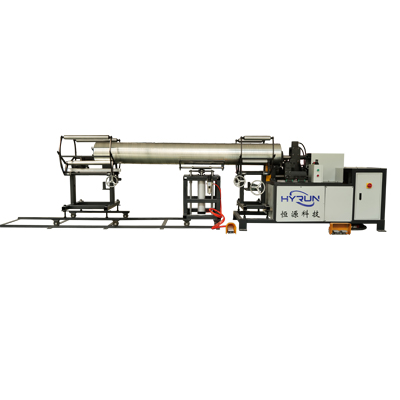
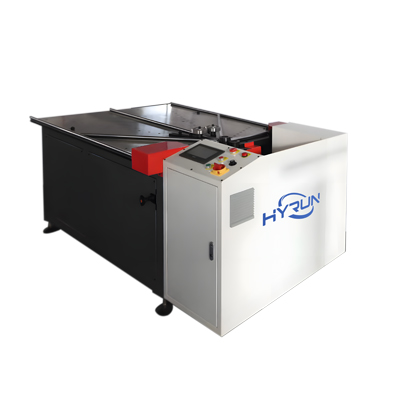
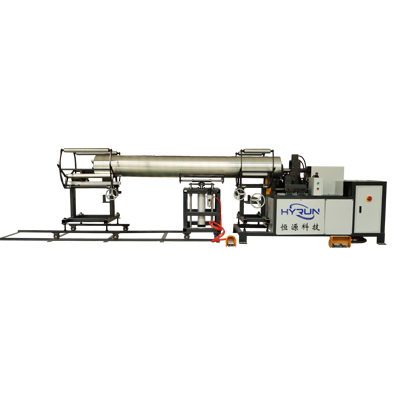
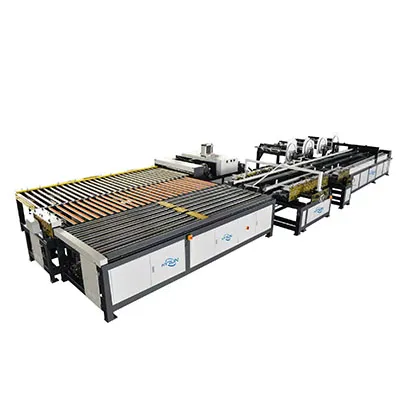
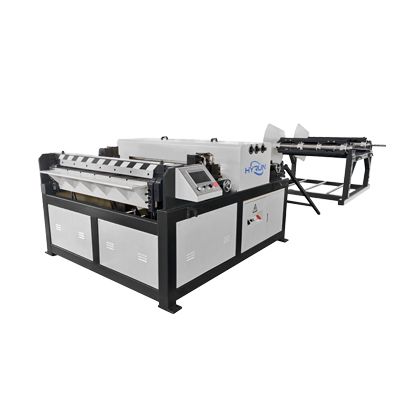
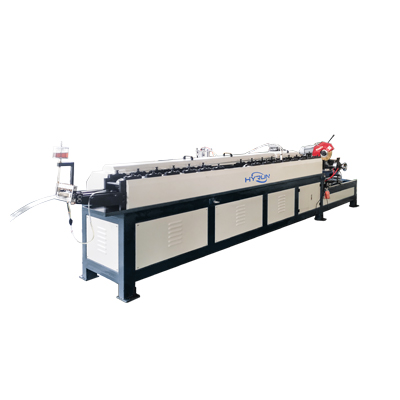
Many duct factories do not expand in one single step. They grow from basic forming equipment to more complete production routes, adding spiral duct machines, round duct machines, flanging equipment, welding machines, duct lines, and fitting stations as orders increase. Modular workshop expansion helps manufacturers invest according to real demand while keeping future growth possible.
INDUSTRY CONTEXT
HVAC duct manufacturers often begin with a limited product range and a few essential machines. As customer demand increases, the factory adds new capabilities: spiral duct production, round duct fitting production, rectangular duct forming, flanging, welding, beading, elbow forming, cutting, and eventually more automated duct lines.
This growth pattern is normal. Few workshops can justify a fully equipped production system from the beginning. The challenge is that each new machine should fit into a larger future route. If machines are purchased only to solve immediate pressure, the factory may later face layout conflict, process imbalance, or duplicated investment.
Modular workshop expansion means planning equipment as building blocks. Each machine should create value on its own while also connecting with future machines, material flow, operators, inspection, packing, and delivery needs.
For duct factories in competitive markets, this approach protects flexibility and makes growth easier to manage.
INVESTMENT STRATEGY
A complete duct fabrication system can require significant investment. Buying too much equipment too early may create idle capacity and financial pressure. Buying too little may limit project capability and force the factory to rely on outsourcing or manual bottlenecks.
Phased investment gives manufacturers a more balanced path. A workshop can first purchase the equipment that solves the most urgent production problem, then add complementary machines as order volume, customer type, and product mix become clearer.
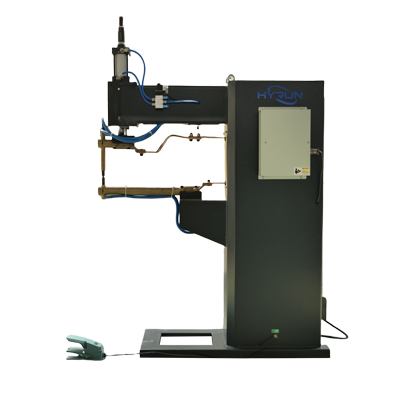
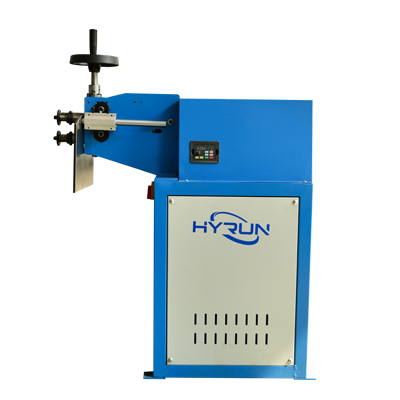
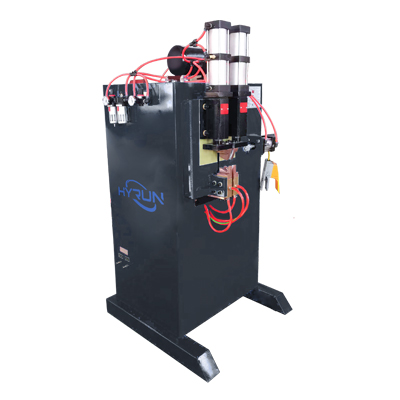
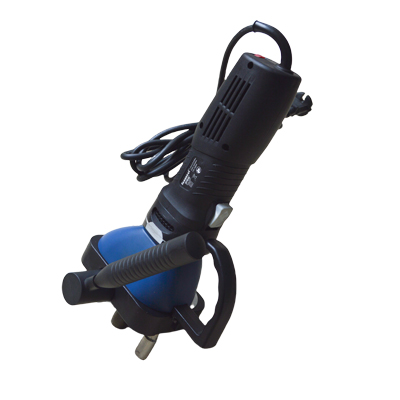
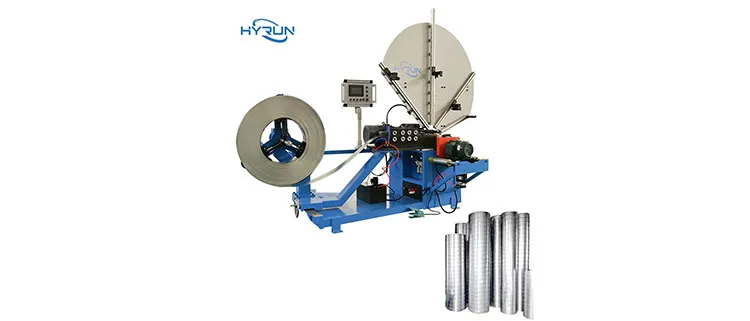
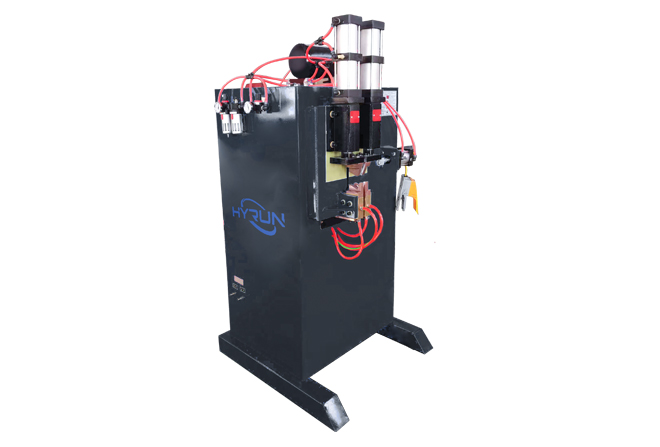
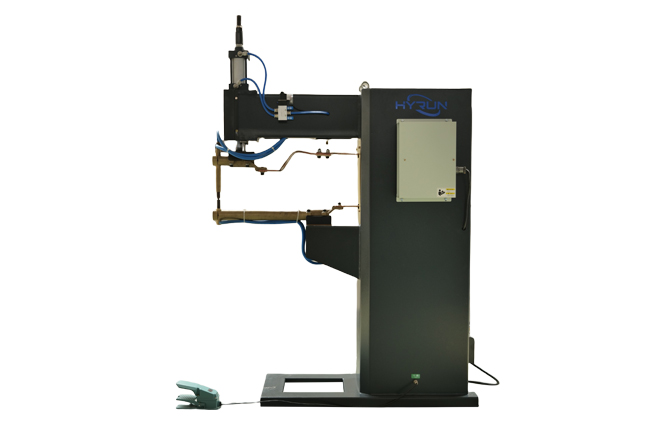
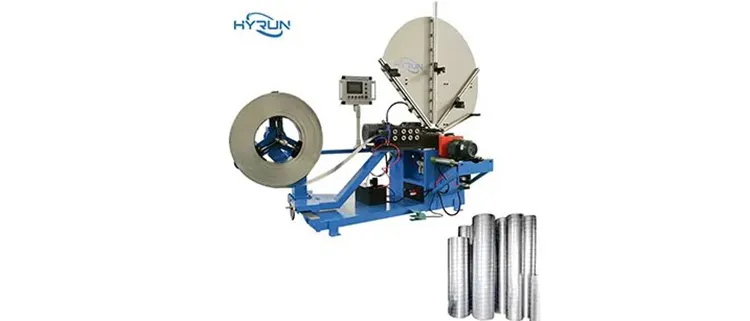
For example, a factory may begin with a spiral duct machine, then add a flange forming machine, elbow machine, beading machine, spot welding machine, or rectangular duct equipment later. Each step should be chosen according to the real bottleneck, not only according to the most attractive machine specification.
This makes equipment investment more practical and easier to justify.
PRODUCTION ROUTE
A machine is not only a standalone asset. It is part of a route from raw material to finished ductwork. When planning modular expansion, manufacturers should ask how each machine will connect with coil storage, sheet handling, forming, cutting, fitting preparation, welding, flanging, inspection, packing, and dispatch.
If the first machines are positioned without thinking about future growth, later expansion may become difficult. A production line may block material movement. A welding station may be too far from fitting preparation. A flanging machine may lack enough feeding and unloading space. A new machine may require power or air supply that was not planned.
Thinking ahead does not mean predicting every future order. It means keeping the workshop open enough for logical expansion.
The strongest equipment plans are practical today and adaptable tomorrow.
SCALABILITY
Some buyers assume that the safest choice is always the largest or fastest machine. In reality, oversized equipment can create cost, space, and operation pressure if it does not match the factory's current order structure.
Scalable capacity is different. It means selecting machines and layouts that can grow with demand. A workshop may start with flexible semi-automatic equipment, then later add automation, auxiliary machines, or production line integration when the volume justifies it.
Scalability also includes tooling, spare parts, operator training, maintenance access, and compatibility with future duct types. A machine that supports reasonable future expansion may be more valuable than one that only looks impressive in a catalogue.
For HVAC duct manufacturers, the goal is not maximum theoretical capacity. The goal is usable capacity that supports profitable orders.
LAYOUT PLANNING
Floor space is one of the most underestimated factors in duct machinery investment. A machine footprint in a brochure does not include all practical production needs: coil loading, duct unloading, operator movement, maintenance clearance, staging space, finished product storage, and safe aisles.
When expansion is modular, the layout should reserve space for the next likely step. If a factory expects to add round duct fittings, flanging, welding, or rectangular duct equipment later, the current layout should not close off those possibilities.
Simple planning tools can help: a workshop sketch, photos, machine dimensions, feeding direction, material path, and future equipment list. Even a basic layout review before purchase can prevent expensive rearrangement later.
Good layout planning allows the factory to grow without turning daily production into a maze.
MANAGEMENT VALUE
As duct workshops grow, management becomes more important. More machines mean more operators, more maintenance points, more tooling, more spare parts, and more production coordination. If the factory grows without standardization, complexity increases faster than output.
Modular expansion creates a chance to standardize step by step. Each new machine can be introduced with setup records, operator training, maintenance routines, inspection checks, and production documentation. This prevents the factory from depending only on informal experience.
Gradual standardization is especially helpful for manufacturers moving from small local orders to larger commercial or industrial projects. Customers expect stable quality, predictable delivery, and clear communication.
A modular plan helps the workshop mature as it expands.
BUYER CHECKLIST
Before buying another machine, duct manufacturers should review the current production system. The best next investment is usually the one that removes a real bottleneck and fits future production logic.
The decision should consider product mix, order volume, floor space, operator skill, material flow, utility supply, and customer delivery needs.
Buyer checklist
- Identify the current bottleneck before selecting the next machine.
- Check whether the new machine connects naturally with existing production steps.
- Reserve feeding, unloading, maintenance, and staging space in the layout.
- Confirm power, air, hydraulic, and safety requirements before installation.
- Consider whether tooling and spare parts can support future product types.
- Plan operator training and maintenance routines for each expansion step.
HYRUN NOTE
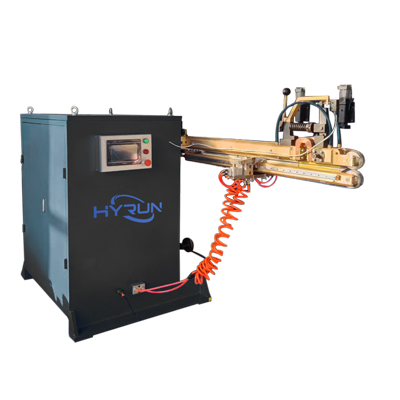
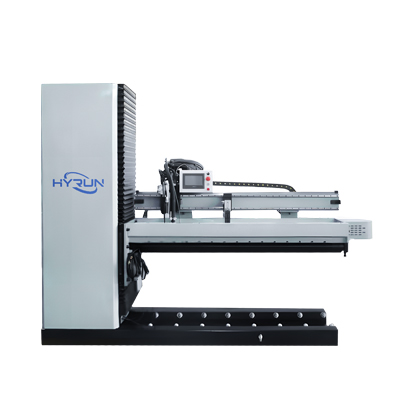
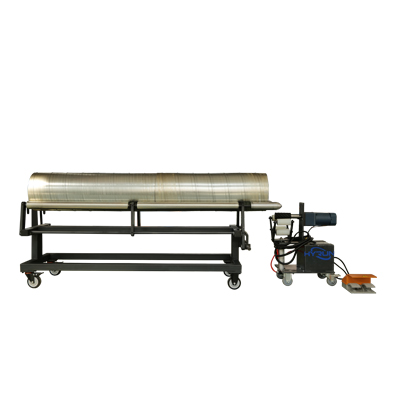
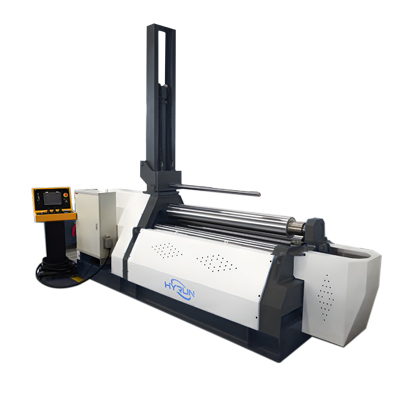
HYRUN can position its duct machinery solutions around phased workshop growth. Instead of recommending equipment only by model, HYRUN can help buyers think about the next step in their production route.
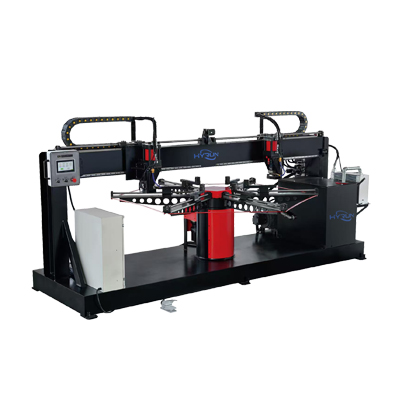
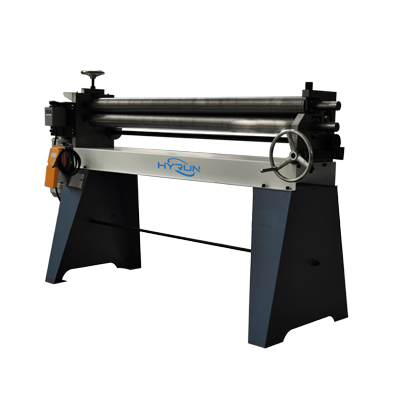
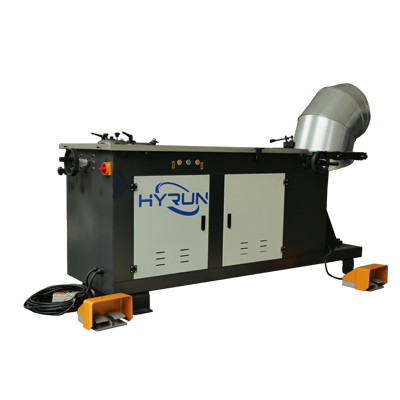
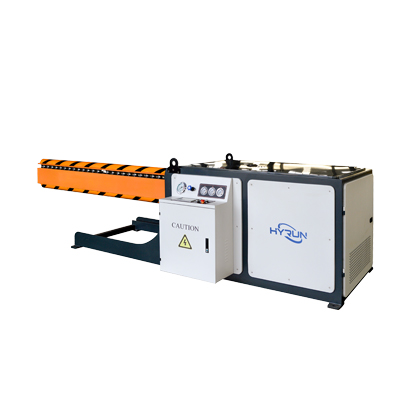
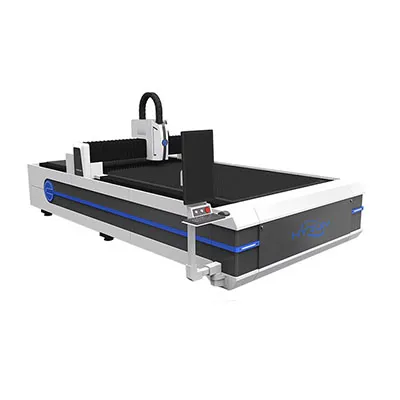
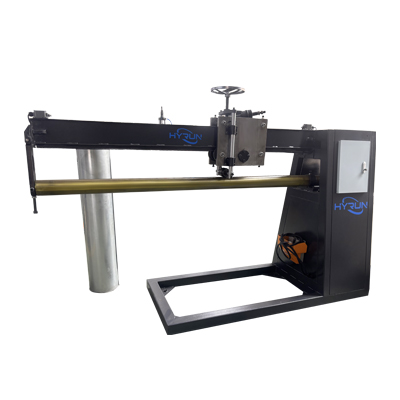
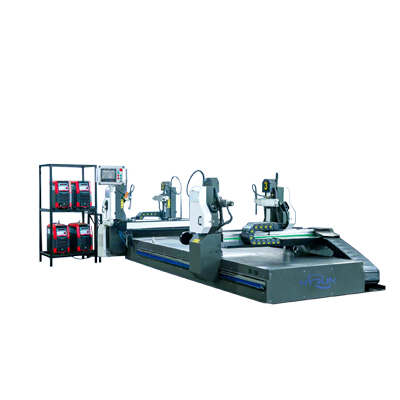
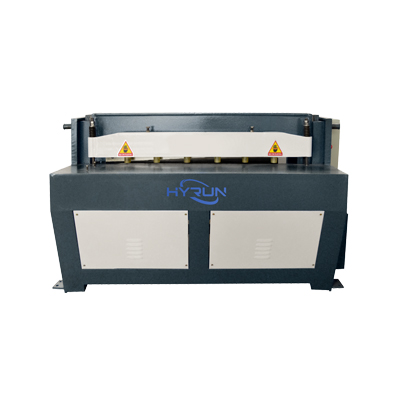
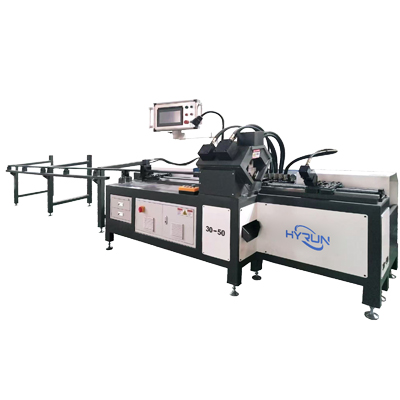
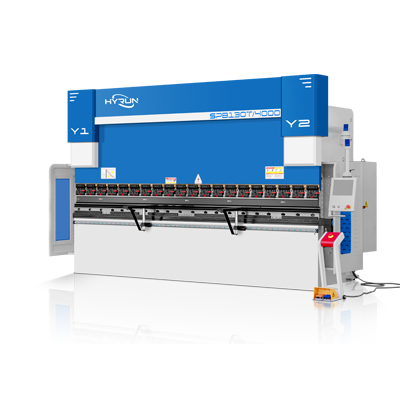
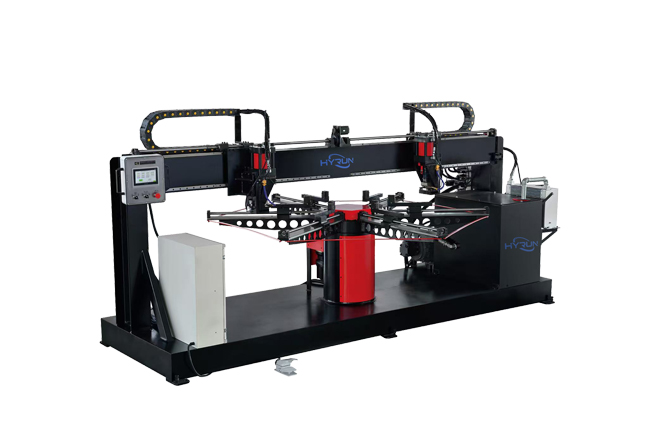
A customer may begin with one machine but later need spiral duct production, round duct flanging, elbow forming, beading, welding, rectangular duct lines, sheet metal processing, or accessories. Understanding this growth path helps recommend equipment that fits both current orders and future expansion.
This approach is valuable for overseas buyers because factory layout, shipping, installation, power supply, training, and spare parts planning all become clearer when the expansion route is discussed early.
For marketing, modular expansion shows that HYRUN is not only a machine supplier, but a practical partner for duct manufacturers building long-term production capability.
CONCLUSION
Duct fabrication growth is rarely a one-time event. Factories expand as project demand, customer type, and product complexity increase. A modular expansion strategy helps manufacturers invest step by step while keeping the workshop organized and scalable.
For HVAC duct manufacturers, the key is to choose machines that solve current problems without limiting future growth. With the right planning, each equipment purchase becomes part of a stronger and more complete production system.
- SMACNA HVAC Duct Construction Standards overview: https://www.smacna.org/store/product/hvac-duct-construction-standards-metal-and-flexible-third-edition-50
- U.S. Department of Energy, Minimizing Energy Losses in Ducts: https://www.energy.gov/energysaver/minimizing-energy-losses-ducts
- International Energy Agency, Buildings: https://www.iea.org/reports/buildings
- HYRUN website: https://www.hyruntech.com/
HYRUN Industry Article | www.hyruntech.com | info@hyruntech.com