EN

Why Spare Parts and Service Support Matter in Duct Machinery

Table of Content [Hide]

    Executive summary

    In HVAC duct machinery investment, service support and spare parts are not secondary details. They determine whether equipment can enter production smoothly, recover quickly from problems, and remain useful under real workshop pressure. Buyers should evaluate support capability before purchase, not only after a machine has stopped.


    Core argument

    The best duct machine is not only the one that performs well during a demonstration. It is the one that can be installed, understood, maintained, adjusted, repaired, and kept in production over time. Service support turns machinery from a shipment into a working production asset.


    MARKET CONTEXT

    Duct machinery buyers are increasingly buying production continuity, not only equipment

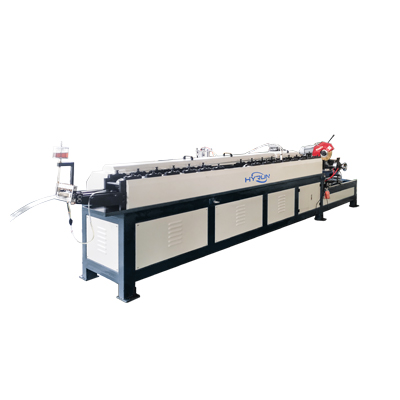
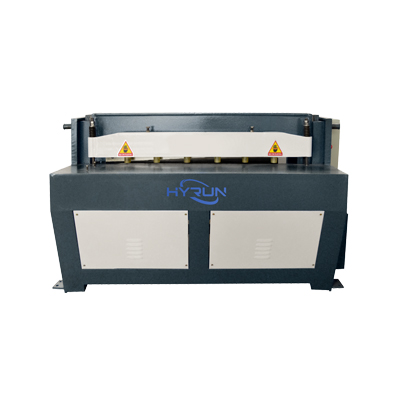
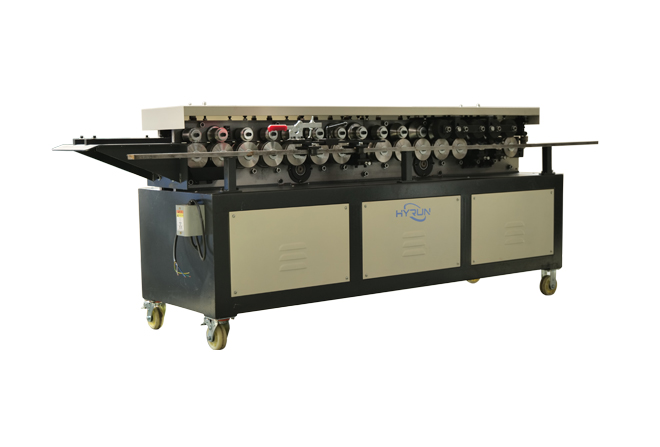
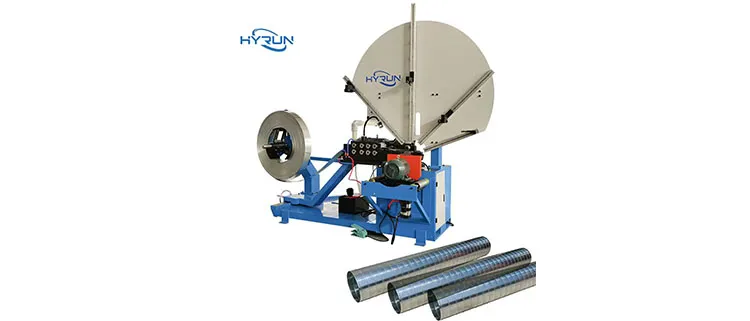
    HVAC duct manufacturers depend on machinery to keep project orders moving. When a spiral duct machine, rectangular duct line, flanging machine, welding machine, or cutting station stops unexpectedly, the impact can move quickly through the workshop. Operators wait, schedules slip, urgent orders become harder to handle, and customer confidence can weaken.


    This is why machinery support has become a more important part of equipment evaluation. In many factories, the real question is not only whether a machine can produce a sample. The question is whether the machine can continue producing under normal pressure, with available operators, available spare parts, and practical technical assistance when something goes wrong.


    Buyers often focus on visible specifications before purchase: working range, thickness, speed, power, and machine size. These are necessary, but they do not describe what happens after the machine arrives. Installation, commissioning, training, maintenance guidance, spare parts planning, and troubleshooting communication all affect whether the machine becomes a reliable part of the factory.


    For overseas buyers, the support issue is even more important. Distance, language, customs, shipping time, and local technical resources can make a small problem more expensive if support is not planned in advance.


    STARTUP RISK

    The first weeks after delivery often decide whether a machine becomes trusted or frustrating

    A new duct machine does not create value the moment it reaches the workshop. It must be unpacked, positioned, connected, inspected, adjusted, tested, and introduced to operators. If this startup process is unclear, the buyer may lose time before the equipment produces stable output.


    Common startup challenges include unclear wiring requirements, missing preparation for air supply. insufficient foundation or floor space, operator unfamiliarity, tooling adjustment, safety confirmation, and mismatch between expected and actual production conditions. None of these issues necessarily means the machine is poor. But if the supplier does not provide practical guidance, the customer may experience the machine as difficult from the beginning.


    A stronger supplier helps reduce this risk before shipment. Technical confirmation, layout discussion, power and voltage checks, packing details, spare parts recommendations, and basic training material all help the customer prepare. The earlier these questions are answered, the smoother the commissioning stage becomes.


    This startup period also shapes operator confidence. If operators learn the machine in a structured way, they are more likely to use it correctly, maintain it consistently, and identify problems early.


    SPARE PARTS

    Spare parts planning is a practical form of production insurance

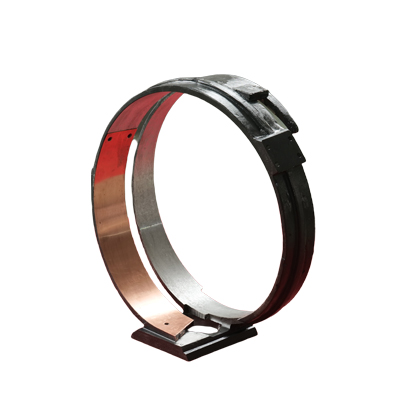
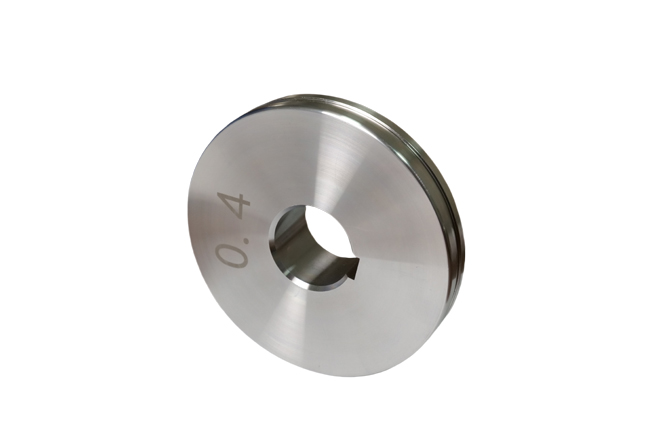
    Every machine contains wearing parts, electrical components, pneumatic components, sensors, tooling, belts, blades, electrodes, rollers, and other items that may require replacement over time. Some parts are easy to source local, while others are specific to the machine design. A buyer who waits until a failure occurs may face unnecessary downtime.


    Spare parts planning does not mean buying every possible component. It means identifying the parts most likely to affect production continuity and preparing a reasonable stock before the workshop depends heavily on the machine. This is especially important for overseas customers, where shipping time can turn a small part into a major delay.


    The most useful spare parts list is based on real machine configuration and customer production intensity. A workshop running one shit occasionally may need a different spare parts plan from a factory running high-volume production every day. The supplier should be able to discuss this difference instead of offering a generic answer.


    Good spare parts support also requires clear identification. Part names, part codes, photos, recommended quantities, and replacement instructions help customers communicate problems accurately and avoid ordering the wrong item.


    REMOTE SUPPORT

    Remote troubleshooting works best when the supplier and customer share clear information

    Remote support has become a normal part of international machinery service. Photos, videos, wiring diagrams, alarm information, operating conditions, and short video calls can solve many problems quickly. But remote support only works well when both sides communicate in a structured way.


    Customers can help by recording clear videos of the issue, showing machine settings, describing the material and thickness being used, and explaining when the problem appears. Suppliers can help by asking precise questions, providing step-by-step checks, and avoiding vague suggestions that leave operators guessing.


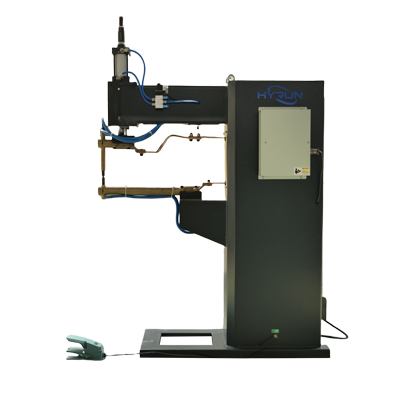
    A good support process should reduce confusion. For example, if a duct machine has inconsistent forming quality, the supplier should help the customer distinguish between material issue, tooling adjustment, operator setting, mechanical wear, or control problem. If a welding machine has unstable weld points, support should consider power, pressure, electrode condition, material contact, and operation sequence.


    The value of remote support is not only speed. It also builds the customer's internal technical knowledge. Each solved problem teaches operators and managers how the machine behaves, which improves long-term maintenance capability.


    TRAINING

    Operator training is one of the cheapest ways to protect machinery value

    Many machine problems begin as small operating mistakes: incorrect adjustment, poor material positioning, weak daily inspection, delayed cleaning, careless lubrication, or misunderstanding of safety procedures. Training reduces these risks by giving operators a stable routine.


    Good training should cover more than how to start and stop the machine. Operators need to understand normal operating conditions, common adjustment points, safety checks, basic maintenance, warning signs, and when to ask for technical help. Managers should also understand what information to collect when a fault occurs.


    Training is especially important when a workshop has staff turnover. If knowledge exists only in one experienced operator's memory, production becomes fragile. Clear operation guides, checklists, and repeated training help convert individual experience into a shared workshop process.


    For duct manufacturers, training also supports quality consistency. A trained operator is more likely to notice when duct dimensions, seams, flanges, cuts, or weld points begin to drift from the expected result.


    BUYER CHECKLIST

    How buyers can evaluate service support before placing an order

    Service support should be discussed during the quotation stage. A buyer does not need to wait until the machine arrives to ask how installation, training, maintenance, spare parts, and troubleshooting will be handled. These questions reveal whether the supplier is prepared to support production reality or only interested in completing the sale.


    A serious supplier should be able to explain what information is needed before production, what preparation is required before installation, what spare parts are recommended, what documents are provided, and how support requests are handled after delivery. The answers do not need to be dramatic. They need to be specific and practical.


    For overseas buyers, it is also useful to confirm communication channels, language, time-zone expectations, document format, export packing, and whether local technicians can perform basic maintenance with remote guidance.


    Buyer checklist

    • Ask for a recommended spare parts list before shipment.

    • Confirm voltage, air supply, layout, foundation, and installation preparation early.

    • Request operation and maintenance documents suitable for your team.

    • Check how remote troubleshooting is handled and what information the supplier needs.

    • Evaluate whether the supplier explains service clearly before discussing final price.


    HYRUN NOTE

    How HYRUN can turn support into a stronger customer relationship

    HYRUN can position service support as part of its practical value to duct machinery buyers. Many customers need more than a machine shipment. They need confirmation that the equipment matches their production needs, that startup can be prepared properly, and that technical communication will continue after delivery.


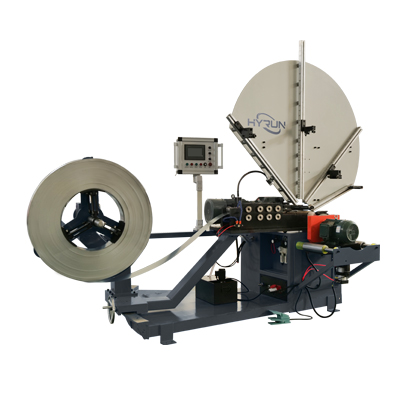
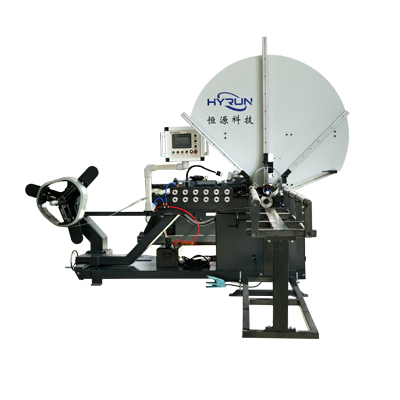
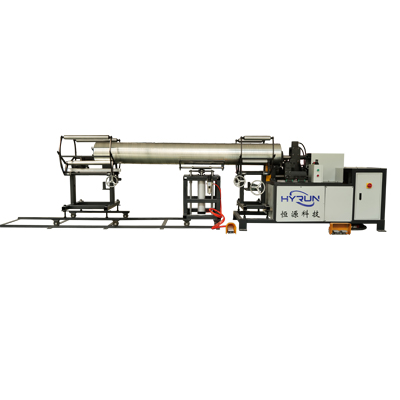
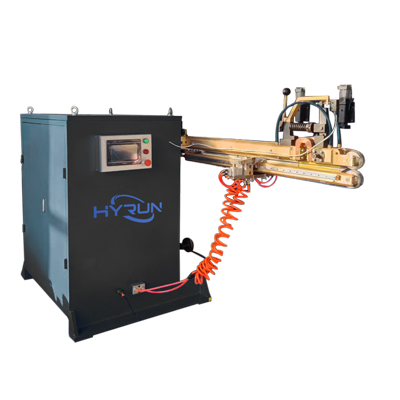
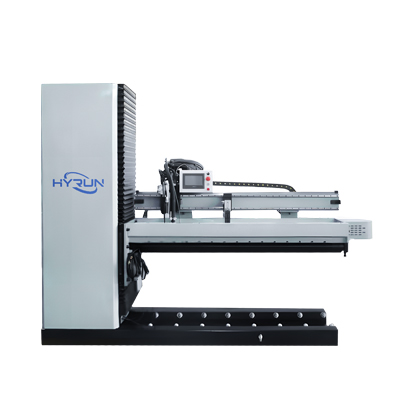
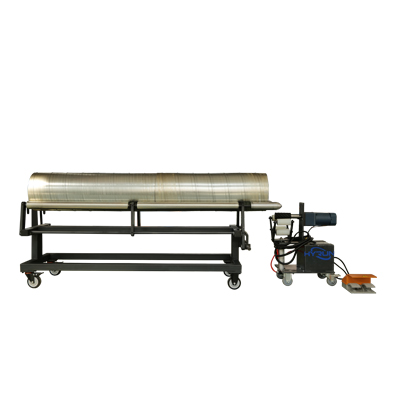
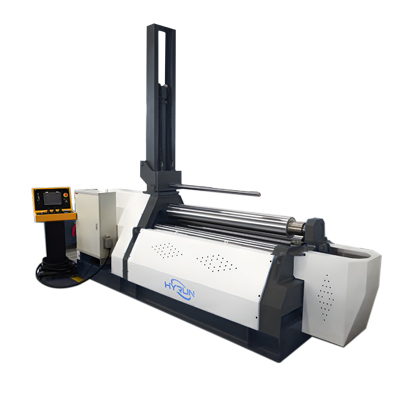
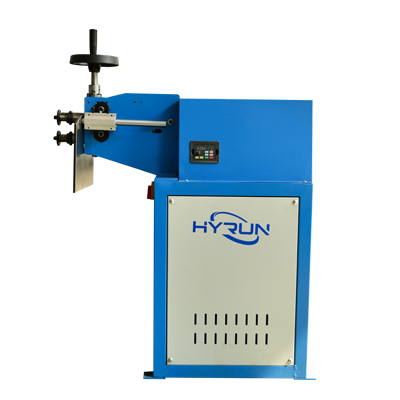
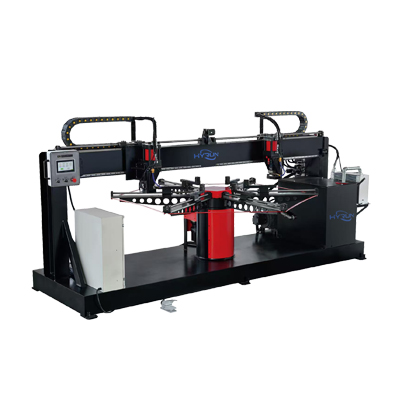
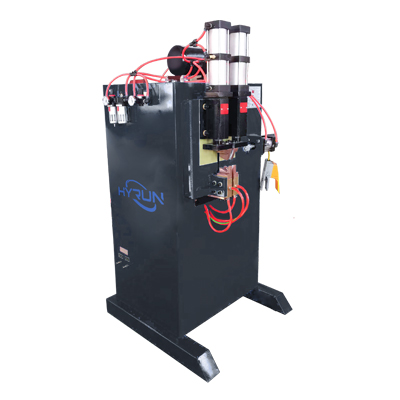
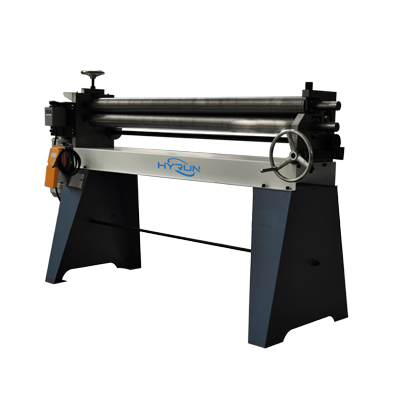
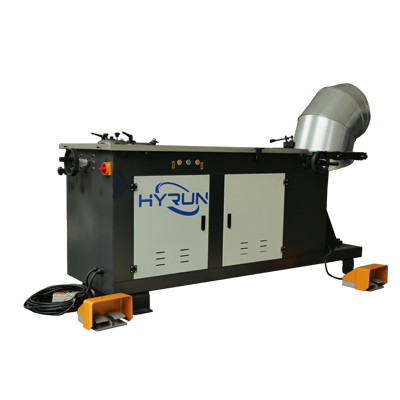
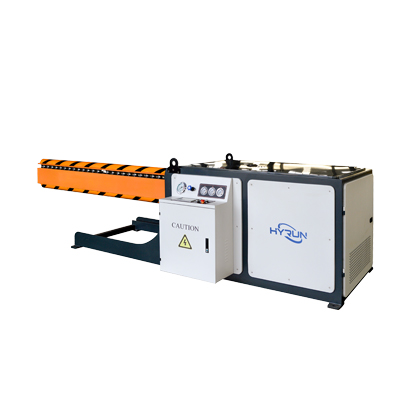
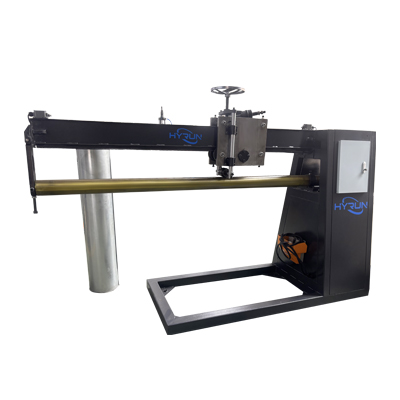
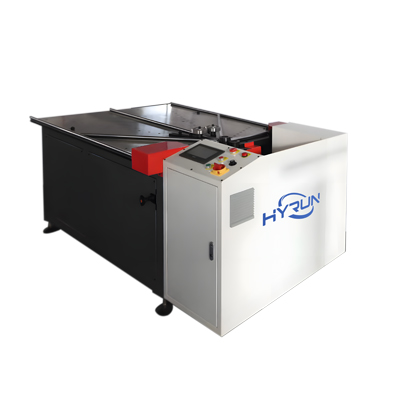
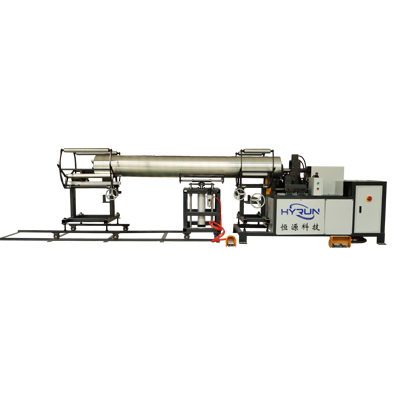
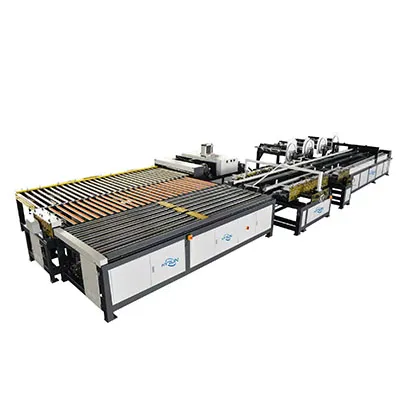
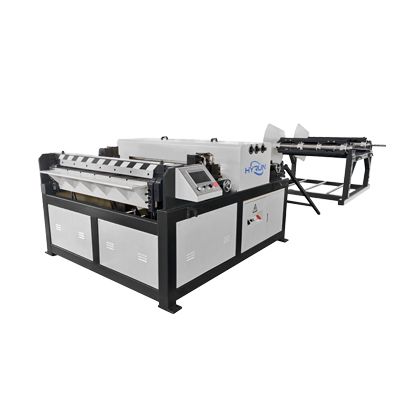
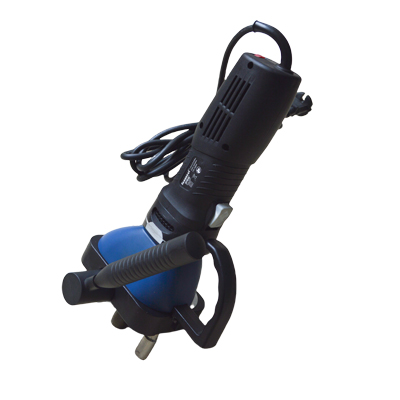
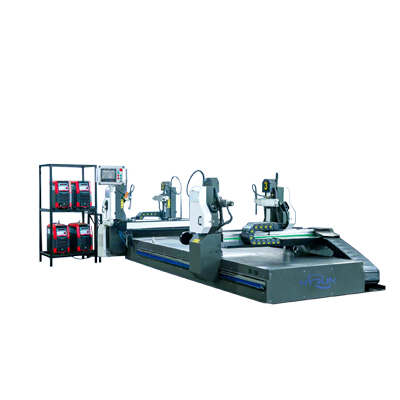
    For products such as spiral duct machines, rectangular duct equipment, flanging machines, welding machines, and automated duct production lines, support quality can influence the customer's entire production experience. Clear documentation, spare parts discussion, commissioning guidance, and remote troubleshooting can help customers feel more confident in the investment.


    This does not require exaggerated promises. The strongest message is simple: HYRUN understands that machinery value depends on long-term production use. By helping customers prepare, operate, maintain, and troubleshoot equipment, HYRUN supports a more stable duct fabrication workflow.


    In marketing, this topic can also help HYRUN stand apart from suppliers that compete only on price. A buyer who understands the cost of downtime and weak support is more likely to value a supplier that takes service seriously.


    CONCLUSION

    Service support is part of the total value of duct machinery investment

    HVAC duct machinery is a long-term production asset. Its value depends not only on machine specifications, but also on how smoothly it enters production, how well operators understand it, how quickly problems are diagnosed, and how reliably spare parts can be supplied.


    For buyers, the lesson is clear: evaluate support before the order is placed. For suppliers, the opportunity is equally clear: service support is not an afterthought. It is a way to protect customer production, reduce uncertainty, and build trust that lasts beyond the first shipment.


    References

    OSHA, Machine Guarding: https://www.osha.gov/machine-guarding

    International Energy Agency, Buildings: https://www.iea.org/reports/buildings

    U. S. Department of Energy, Minimizing Energy Losses in Ducts: https://ww.energy.gov/energysaver/minimizing-energy-losses-ducts

    SMACNA HVAC Duct Construction Standards overview: https://w.smacna.org/store/product/hvac-duct-construction-standards-metal-and-flexible-third-edition-50

    HYRUN website: https://www.hyruntech.com/

    References
    PREV: No information
    We use cookies to offer you a better browsing experience, analyze site traffic and personalize content. Part of the tracking is necessary to ensure SEO effectiveness,
    By using this site, you agree to our use of cookies. Visit our cookie policy to learn more.
    Reject Accept