EN

Safety Concerns Related to Duct Fabrication Machines

Table of Content [Hide]

    Safety remains a top priority in HVAC duct fabrication. While advanced duct fabrication machines greatly improve production speed and quality, they also introduce specific hazards that require careful management. This article examines common safety risks, recommended operating practices, relevant standards, training considerations, and emergency response strategies. Proper attention to these areas helps create safer workshops and supports consistent, reliable output when using equipment from established manufacturers like HYRUN Technology.


    Identifying Safety Risks in Duct Fabrication


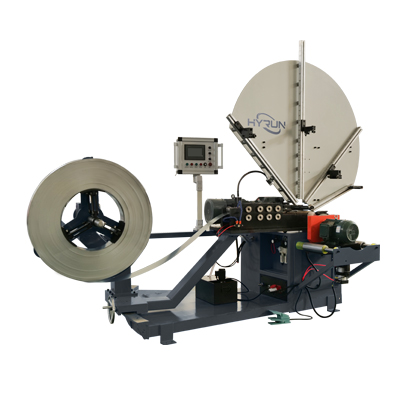
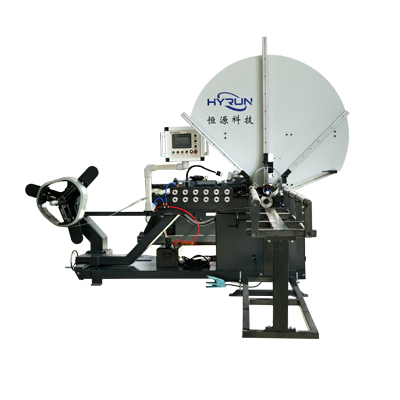
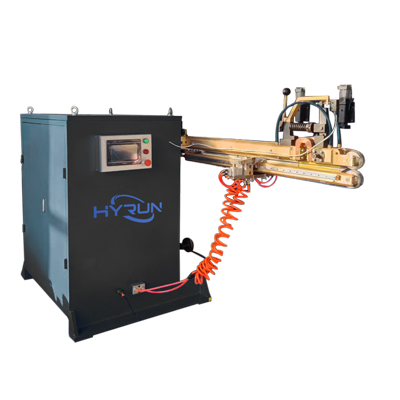
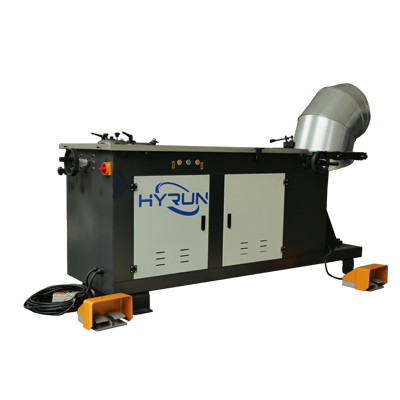
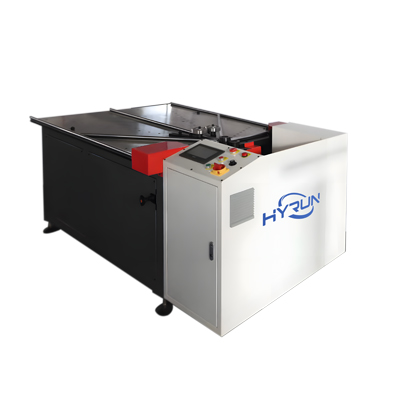
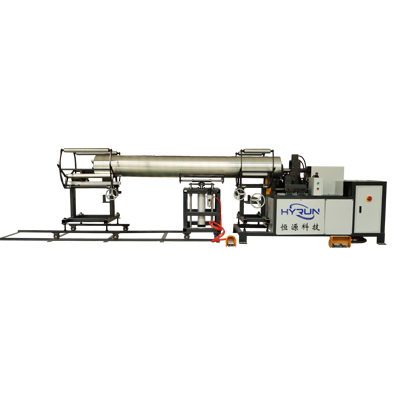
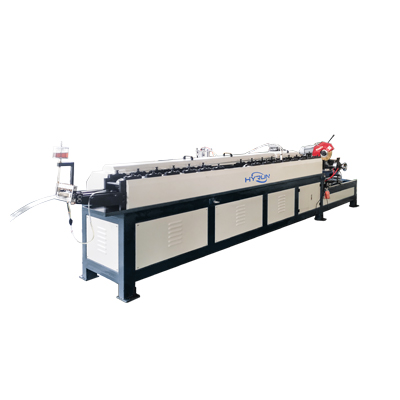
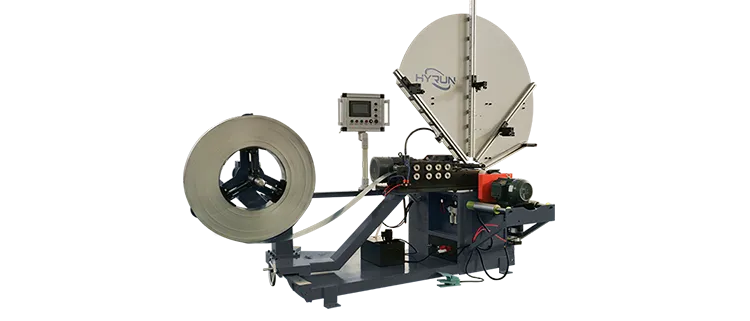
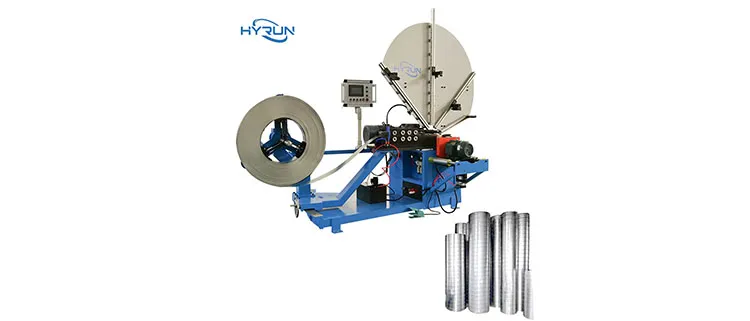
    Duct fabrication machines involve high-speed mechanical actions, sharp edges, and powerful forces that can lead to injuries if not properly controlled. Spiral duct machines, for example, use multiple forming rollers that create pinch points where hands or 

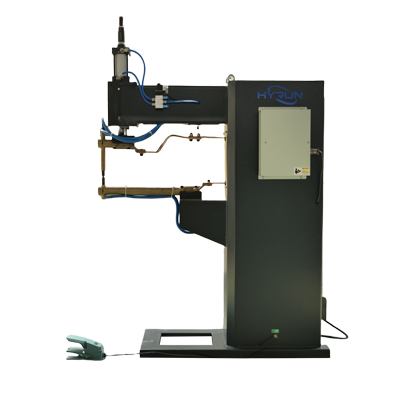
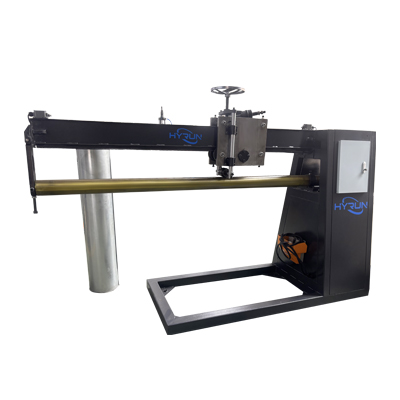
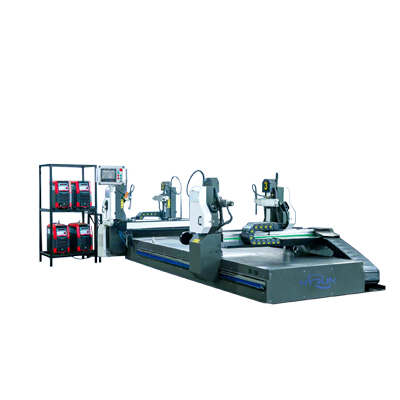
    clothing may become caught. Duct welding machines generate heat, sparks, and potential electrical risks during seam joining.


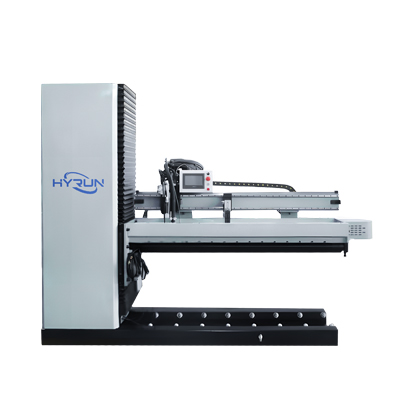
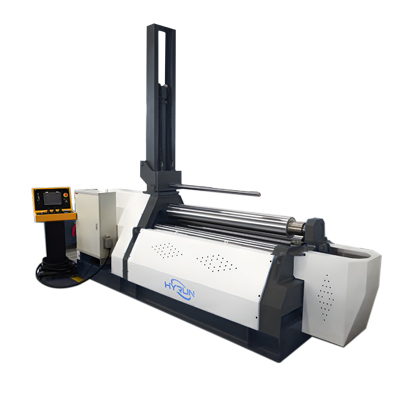
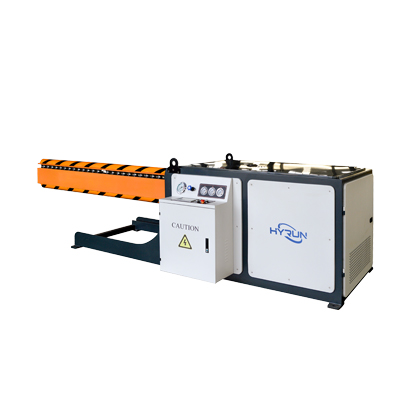
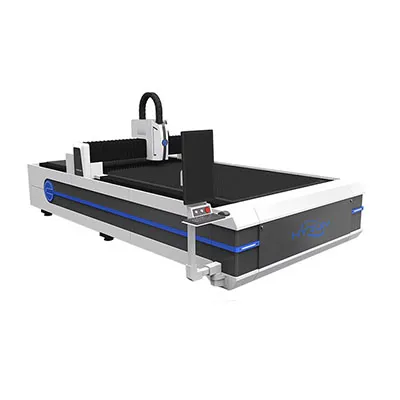
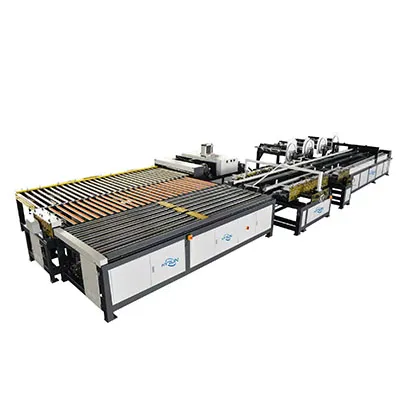
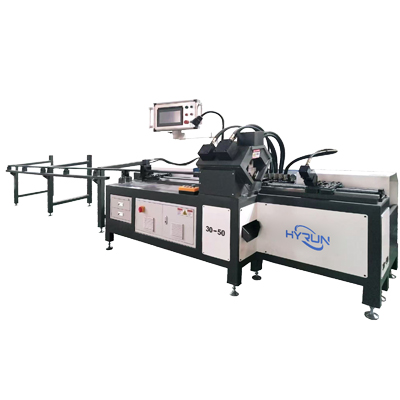
    Handling sheet metal in precision sheet metal fabrication often exposes operators to cuts, abrasions, and flying debris. Repetitive tasks on auto duct linesCNC laser cutting machines, or hydraulic rolling machines can contribute to strain injuries over time. Electrical systems on larger equipment carry risks of shock or fire if wiring or grounding is compromised.


    Other concerns include noise exposure, dust generation from cutting and forming processes, and ergonomic challenges from awkward postures or heavy lifting. Thorough risk assessments help workshops spot these issues early and apply targeted controls before incidents occur.


    Best Practices for Operating Duct Fabrication Machines


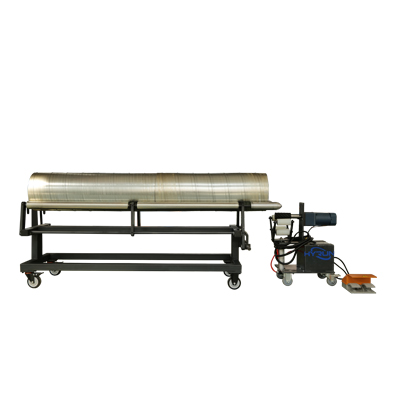
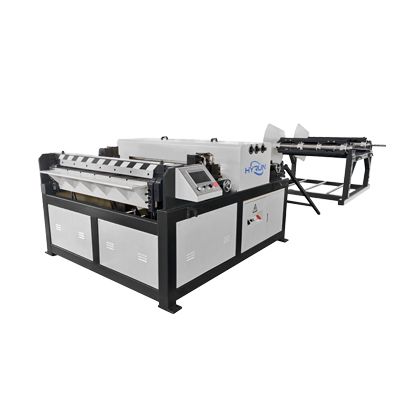
    Safe operation starts with consistent habits and proactive care. Regular inspection and maintenance of machines, including auto duct lines and seam closing equipment from HYRUN Technology, help identify worn parts or misalignments before they cause problems. Safety guards and interlocks should remain in position and function correctly at all times.


    Operators benefit from clear procedures: using two-person teams for heavy or complex setups, following lockout/tagout protocols during servicing, and keeping work areas clean and well-lit. Proper personal protective equipment — cut-resistant gloves, safety glasses, hearing protection, and sturdy footwear — forms a basic defense against common hazards.


    Organizing workflows to minimize unnecessary reaching or lifting further reduces strain. Many modern machines include built-in features such as emergency stops and protective guards that support safer daily use when operators are trained to rely on them.


    Regulatory Standards for Duct Fabrication Safety


    Workshops must follow applicable safety regulations to protect personnel and maintain compliance. In the United States, OSHA guidelines address machine guarding, hazard communication, electrical safety, and personal protective equipment. Internationally, ISO standards provide frameworks for quality and risk management processes.


    HYRUN Technology manufactures ISO-certified metal processing solutions. Certain machines incorporate additional safety elements, such as emergency stop systems, safety guards, light curtains, or overload protection, helping align with workshop safety expectations. Regular audits and documentation ensure ongoing adherence to these requirements and demonstrate commitment to responsible manufacturing practices.


    Training Requirements for Safe Operation of Machinery


    Well-structured training helps operators understand both machine functions and associated risks. Initial sessions should cover startup and shutdown sequences, safe loading of materials, and recognition of abnormal sounds or behaviors on equipment like spiral duct machinesrectangular duct machines, or CNC laser cutting machines.


    Refresher courses keep knowledge current, especially when new models or updated features are introduced. Hands-on practice in controlled settings builds confidence and reinforces correct techniques. Experienced team members can share practical insights through structured guidance, creating a shared focus on safe habits across the shop floor.


    Emergency Protocols for Duct Fabrication Worksites


    Preparedness requires a documented emergency response plan that covers equipment malfunctions, fires, injuries, and chemical exposures. The plan should clearly assign roles, list emergency contact numbers, and specify evacuation routes.


    Regular drills help staff respond calmly and efficiently. Accessible first aid stations, fire extinguishers rated for electrical and metal fires, and quick-access emergency stops on machines all contribute to faster incident management. Coordinating with local emergency services in advance can improve response effectiveness for larger facilities.


    FAQs About Duct Fabrication Machines


    What are the most common injuries associated with duct fabrication machines?


    Common injuries include cuts from sharp sheet metal edges, pinch or crush injuries from rollers and moving parts, and strains from repetitive or heavy lifting. Proper guarding and PPE significantly reduce these risks.


    How can workshops reduce dust and noise exposure during duct production?


    Using machines with integrated extraction systems, maintaining good ventilation, and providing hearing protection help control dust and noise. Regular cleaning of filters and work areas also supports a healthier environment.


    Do spiral duct machines require special safety considerations compared to rectangular ones?


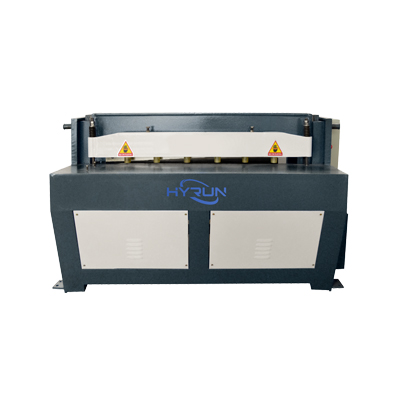
    Spiral machines involve continuous forming and high-speed rotation, so extra attention to pinch points and material feed safety is important. Rectangular processes often emphasize shearing and folding hazards instead.


    What maintenance steps help prevent safety-related breakdowns?


    Daily visual checks, scheduled lubrication, blade or roller inspections, and electrical testing help catch issues early. Following the manufacturer’s recommended service intervals keeps equipment reliable and safer to operate.


    Are there general guidelines for choosing safer duct fabrication equipment?


    Look for machines with visible safety guards, emergency stops, clear operator interfaces, and compliance markings. Consider training requirements and after-sales support when evaluating options for your workshop.


    References
    We use cookies to offer you a better browsing experience, analyze site traffic and personalize content. Part of the tracking is necessary to ensure SEO effectiveness,
    By using this site, you agree to our use of cookies. Visit our cookie policy to learn more.
    Reject Accept