EN

Why Project Delivery Depends on Duct Prefabrication Efficiency

Table of Content [Hide]

    A text-focused industry article for HVAC duct manufacturers, contractors, and project suppliers evaluating how duct prefabrication, production planning, machine stability, and workshop coordination affect construction schedules.


    Executive summary

    In HVAC projects, ductwork is not only a manufactured product. It is part of a construction schedule. When duct production is delayed, inaccurate, or difficult to coordinate with site progress, installation teams lose time and project risk increases. Efficient duct prefabrication helps manufacturers deliver more predictable quality, better batch organization, and stronger support for project deadlines.


    INDUSTRY CONTEXT

    HVAC duct production is increasingly connected to project schedule pressure

    In many building projects, HVAC ductwork must be delivered according to a strict sequence. Installation teams cannot simply receive all duct sections at once, and they cannot wait indefinitely for missing parts. Duct fabrication therefore sits between factory production and construction site coordination.

    This makes delivery reliability a competitive factor for duct manufacturers. A workshop may have capable machines and experienced operators, but if production planning is weak, finished parts arrive late, labels are unclear, or dimensions need correction, the customer still experiences delay.

    Project pressure is especially visible in commercial buildings, industrial facilities, hospitals, clean rooms, data centers, and large ventilation projects. These jobs often require mixed duct sizes, fittings, elbows, branches, flanges, insulation preparation, and phased delivery. Small workshop mistakes can become larger site problems.

    For this reason, duct machinery investment should be considered together with prefabrication workflow. The question is not only how many meters of duct can be formed per minute. The better question is whether the factory can deliver the right ductwork, in the right batch, at the right time.


    PREFABRICATION

    Prefabrication turns ductwork into a planned production system

    Duct prefabrication means more than producing duct sections before they arrive on site. It means translating project drawings into organized factory tasks: material preparation, cutting, forming, flanging, welding, fitting production, inspection, labeling, packing, and delivery scheduling.

    When prefabrication is managed well, the site receives ductwork that is easier to install. Parts are grouped by floor, zone, system, or installation sequence. Fittings are prepared together with related duct sections. Labels and packing reduce searching time. Dimensional accuracy reduces site modification.

    This approach is valuable because construction sites are not ideal places for correction work. Space is limited, labor is expensive, and schedule conflicts are common. Every duct section that can be made accurately in the factory reduces uncertainty during installation.

    A good prefabrication system also gives the manufacturer better control. Factory production is easier to inspect, repeat, and document than improvised site fabrication.


    EQUIPMENT STABILITY

    Stable machines support predictable delivery, not only faster output

    Machine speed is important, but delivery reliability depends heavily on stability. If a machine produces inconsistent seams, dimensions, flanges, welds, or formed profiles, the factory may lose time in inspection, correction, and rework. This reduces the benefit of high nominal speed.

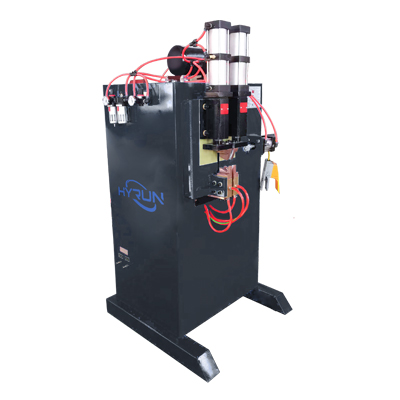
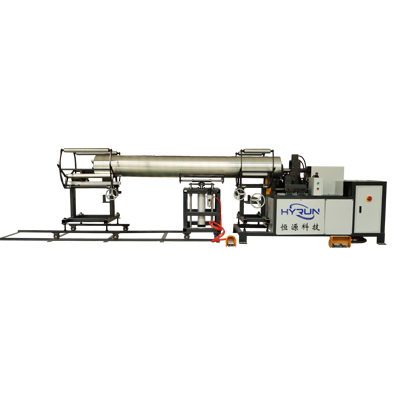
    Stable equipment helps the workshop plan production with more confidence. A spiral duct machine that maintains diameter and seam quality, a flanging machine that produces consistent edges, a welding machine that reduces rejected joints, or an elbow machine that forms repeatable fittings all contribute to delivery reliability.

    In project work, repeatability matters because production is often divided into batches. If the first batch is correct but later batches drift in quality or dimension, the installation team may discover problems only after partial installation. This creates delay and trust issues.

    For buyers, the practical value of machinery is therefore connected to first-piece accuracy, operator-friendly adjustment, tooling consistency, maintenance accessibility, and the ability to repeat quality across long production runs.


    BATCH PLANNING

    The right batch structure can reduce site waiting time

    Many duct workshops produce according to machine convenience: similar sizes together, same material together, or easiest items first. This can improve factory efficiency, but it may not match site installation order. If the delivery batch is not aligned with construction progress, finished ductwork may wait in storage while urgent parts remain unfinished.

    A more project-oriented approach groups production according to installation needs. For example, duct sections for one floor, one air handling unit, one shaft, or one zone may be completed and delivered together. This helps contractors install in sequence instead of searching for parts across multiple deliveries.

    Batch planning also affects packing and transport. Ductwork is bulky, easily damaged, and often difficult to store on site. Clear batch organization reduces repeated handling, lowers the risk of missing fittings, and makes unloading more efficient.

    This does not mean factory efficiency should be ignored. The strongest workshops balance machine efficiency with project delivery logic.


    QUALITY CONTROL

    Delivery speed loses value when quality problems arrive on site

    Fast delivery is not helpful if duct sections need modification after arrival. Dimensional errors, poor seams, damaged edges, inconsistent flanges, unclear labels, missing fittings, and incorrect quantities can all slow installation. In some projects, one missing fitting can stop a whole installation area.

    Quality control should therefore be part of delivery planning. Inspection before packing, first-piece confirmation, profile checks, fitting matching, label review, and delivery list verification help prevent factory problems from becoming site problems.

    This is where equipment and process management work together. Machinery provides the forming and fabrication foundation, but operators and supervisors need clear checkpoints. A stable machine makes inspection easier because the output is more predictable; good inspection ensures the stable output reaches the site correctly.

    For professional duct suppliers, quality control is not only about avoiding complaints. It is a way to protect schedule reliability and customer confidence.


    BUSINESS VALUE

    Reliable delivery helps duct manufacturers move beyond price competition

    In competitive HVAC markets, many customers first compare quotation price. However, contractors also value suppliers who reduce project risk. A low-price supplier may become expensive if ductwork arrives late, requires correction, or causes installation teams to wait.

    A duct manufacturer with strong prefabrication capability can offer a different value: predictable delivery, organized batches, stable quality, and better cooperation with project schedules. These factors are not always visible in a simple price comparison, but they matter to buyers responsible for deadlines.

    This is particularly important for repeat customers. Contractors remember whether a supplier helped the project move smoothly. If the manufacturer can consistently deliver accurate ductwork according to schedule, it becomes easier to build long-term business instead of competing only through discounts.

    For growing duct factories, project delivery performance can become a brand advantage.


    BUYER CHECKLIST

    What duct manufacturers should evaluate when improving delivery performance

    Improving project delivery does not require one single solution. It requires coordination between equipment, planning, people, inspection, storage, and communication. Before investing in new machinery or changing workflow, manufacturers should review where delivery problems currently begin.

    Some delays come from machine capacity. Others come from unclear drawings, late material preparation, frequent rework, poor labeling, insufficient staging space, or packing that does not match site sequence. Identifying the true cause helps the workshop make better decisions.

    A practical improvement plan should connect production capability with delivery discipline.

    Buyer checklist

    • Check whether production batches match site installation sequence.

    • Review which duct types or fittings most often delay delivery.

    • Confirm whether machines can maintain repeatable quality across batch production.

    • Add inspection and labeling checks before packing.

    • Plan staging space for completed batches waiting for shipment.

    • Share project requirements with equipment suppliers before selecting machines.


    HYRUN NOTE

    How HYRUN can support project-oriented duct production

    HYRUN can position its duct machinery solutions around practical project delivery needs. Customers are not only buying machines; they are trying to produce ductwork that supports construction schedules, installation quality, and long-term customer relationships.

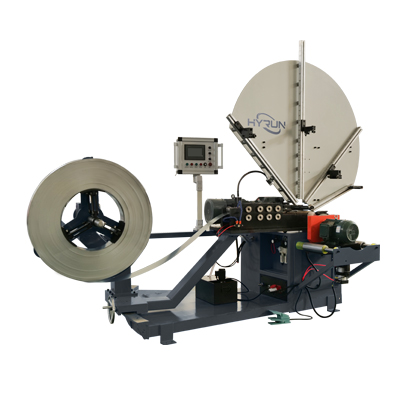
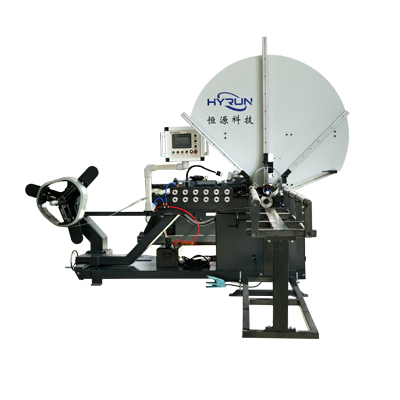
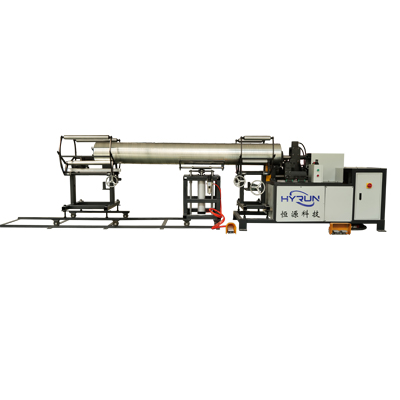
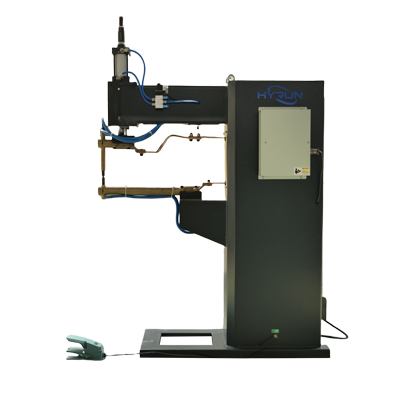
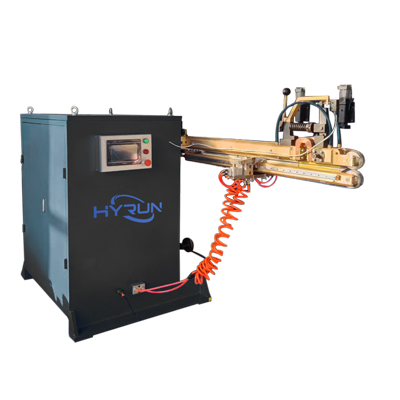
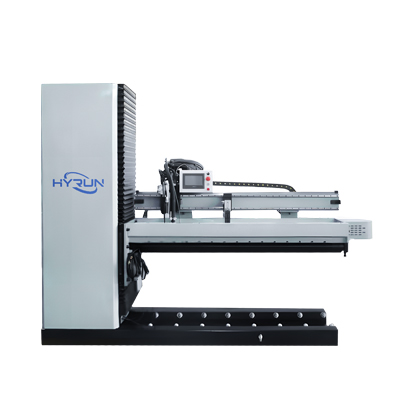
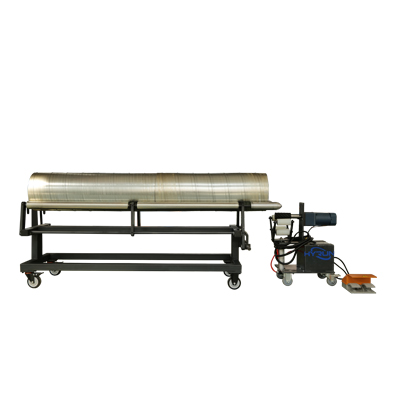
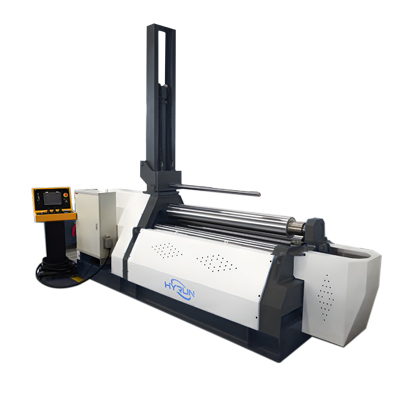
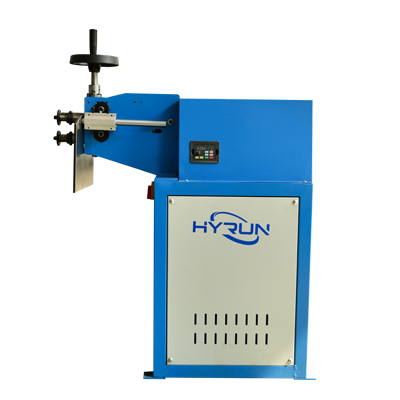
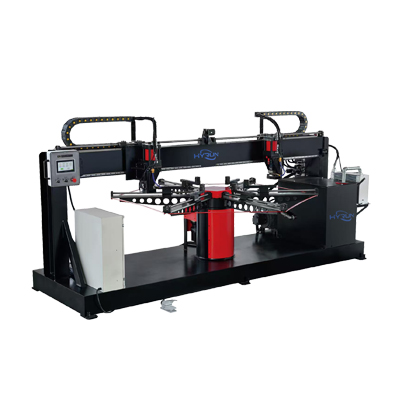
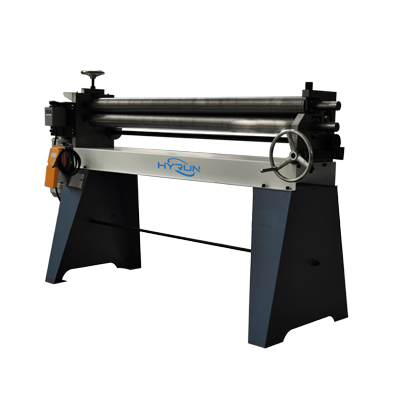
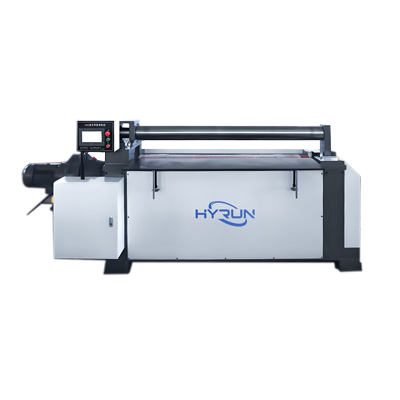
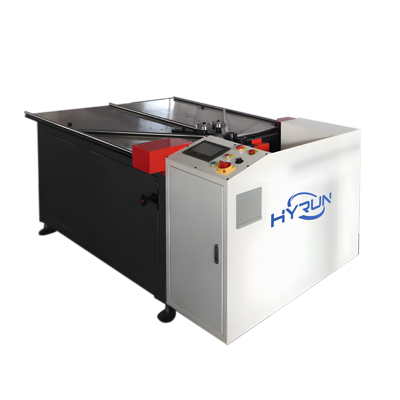
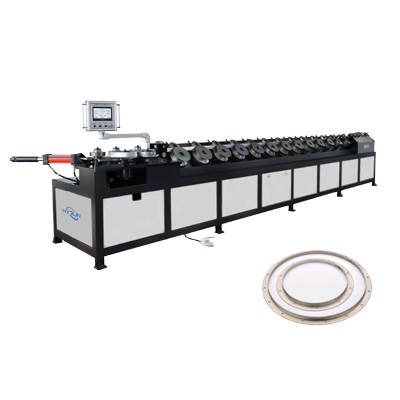
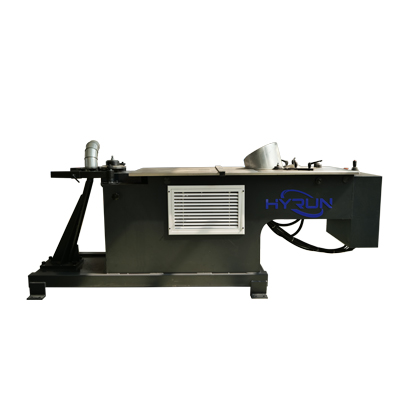
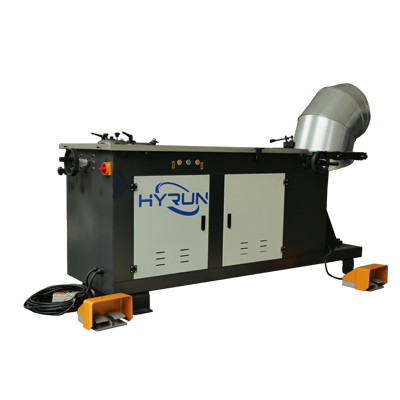
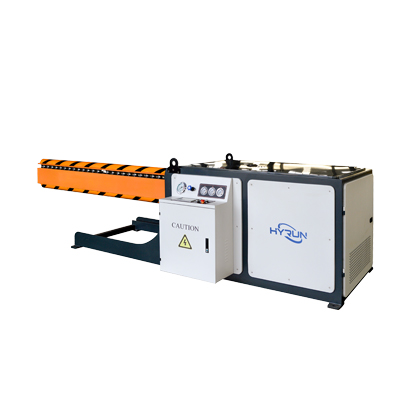
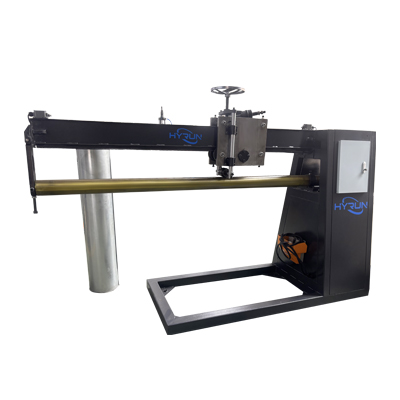
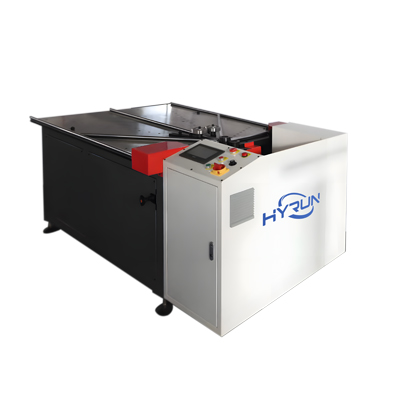
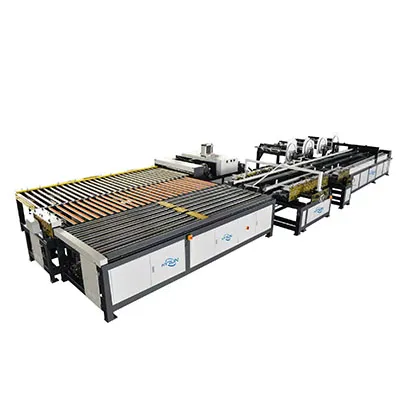
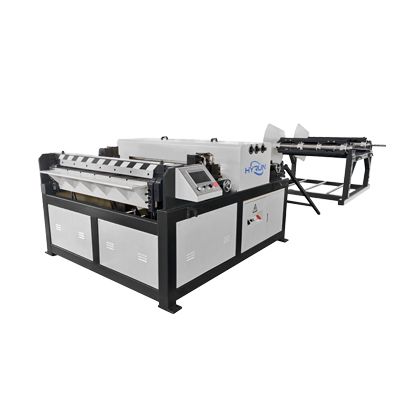
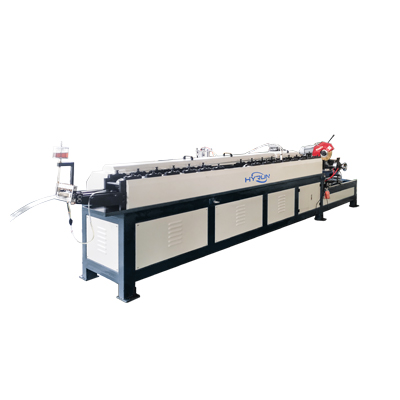
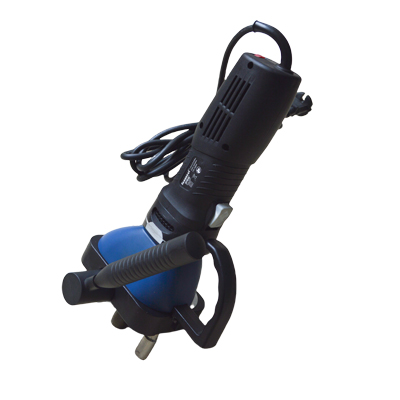
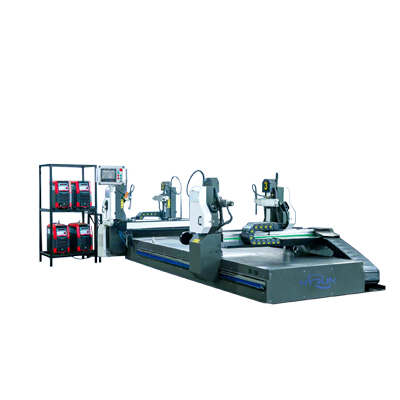
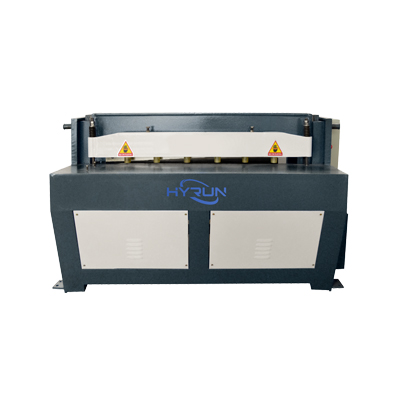
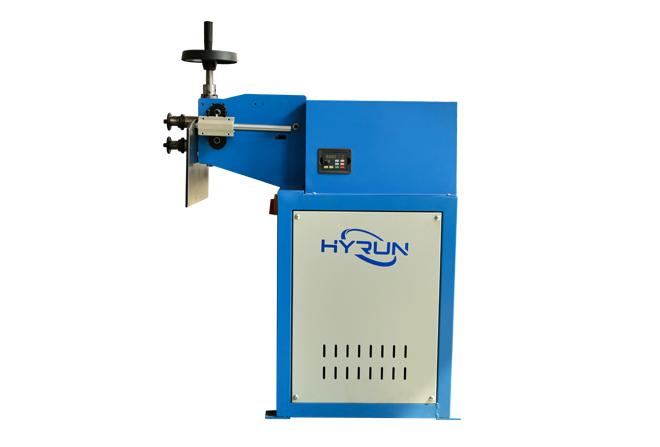
    By understanding a customer's common duct types, project scale, delivery method, material range, and batch production requirements, HYRUN can recommend machinery that better fits the customer's workflow. Spiral duct machines, flanging machines, elbow machines, welding machines, beading machines, and related duct equipment can be discussed as parts of one production system.

    This makes the sales conversation more professional. Instead of only comparing parameters, HYRUN can help buyers think about output stability, forming consistency, operator workflow, and how finished ductwork moves from workshop to job site.

    For overseas buyers, this approach is especially useful because installation support, shipment planning, and equipment selection must be correct before the machine arrives. A project-oriented recommendation reduces uncertainty.


    CONCLUSION

    Better prefabrication makes duct suppliers more reliable project partners

    HVAC duct production is no longer only a workshop activity. It is part of project delivery. The supplier who can produce accurate ductwork, organize batches clearly, reduce rework, and deliver according to site sequence gives contractors a real advantage.

    For duct manufacturers, the lesson is clear: invest not only in machine capacity, but also in stable processes that make delivery predictable. A machine that supports repeatable quality, combined with thoughtful planning and inspection, helps the factory become a stronger partner in modern HVAC construction.


    References

    • SMACNA HVAC Duct Construction Standards overview: https://www.smacna.org/store/product/hvac-duct-construction-standards-metal-and-flexible-third-edition-50

    • U.S. Department of Energy, Minimizing Energy Losses in Ducts: https://www.energy.gov/energysaver/minimizing-energy-losses-ducts

    • International Energy Agency, Buildings: https://www.iea.org/reports/buildings

    • OSHA, Machine Guarding: https://www.osha.gov/machine-guarding

    • HYRUN website: https://www.hyruntech.com/


    HYRUN Industry Article | www.hyruntech.com | info@hyruntech.com


    References
    PREV: No information
    We use cookies to offer you a better browsing experience, analyze site traffic and personalize content. Part of the tracking is necessary to ensure SEO effectiveness,
    By using this site, you agree to our use of cookies. Visit our cookie policy to learn more.
    Reject Accept