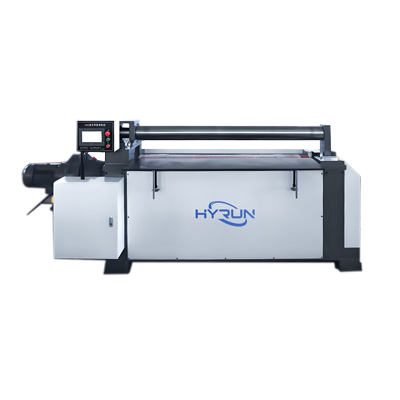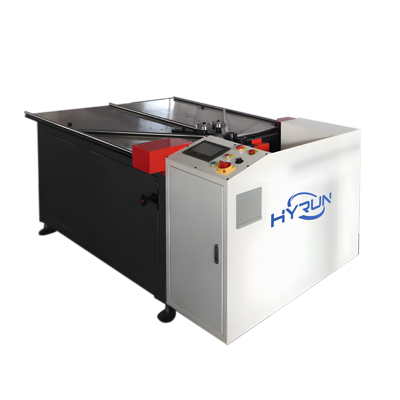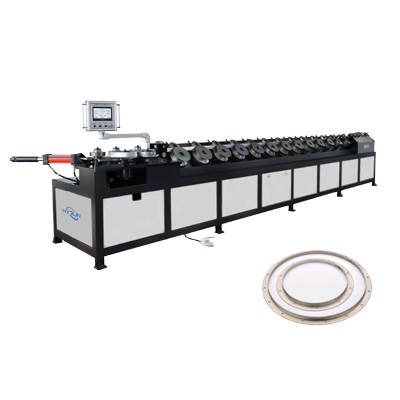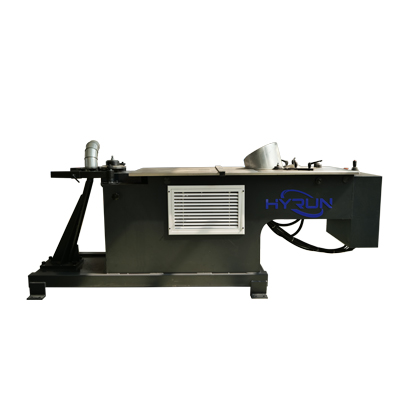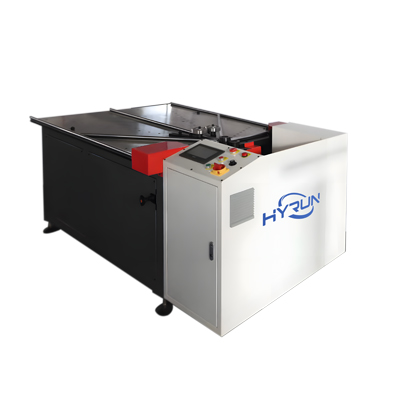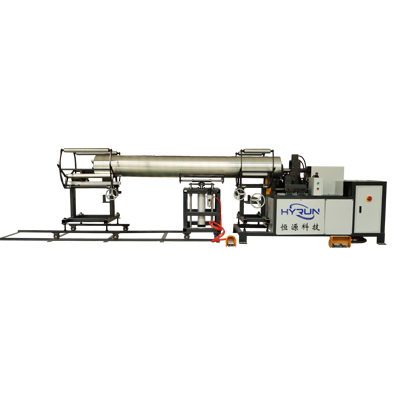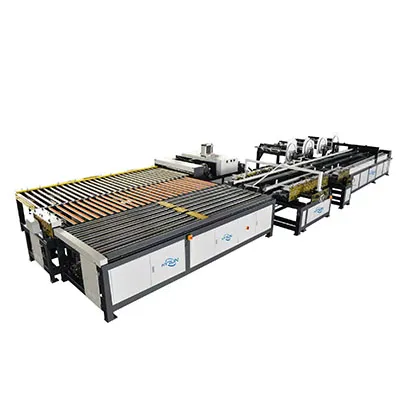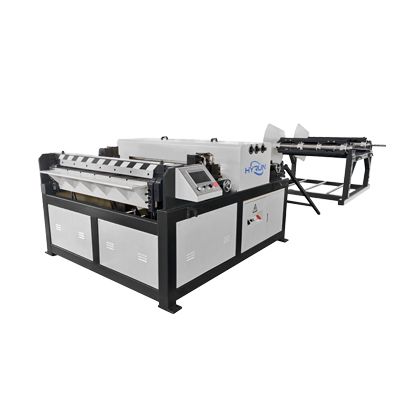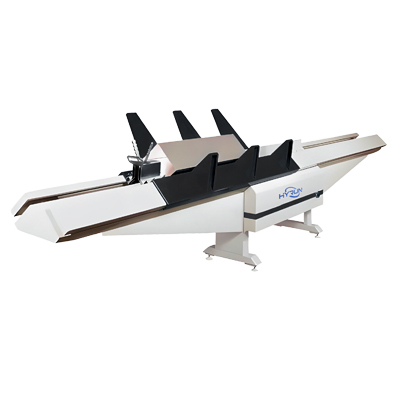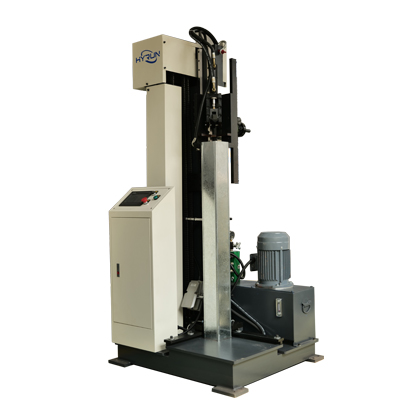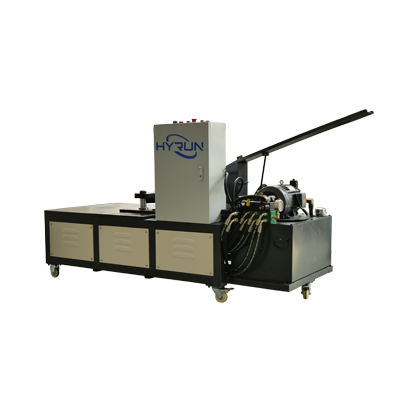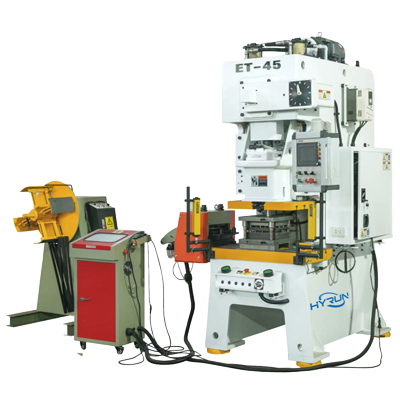
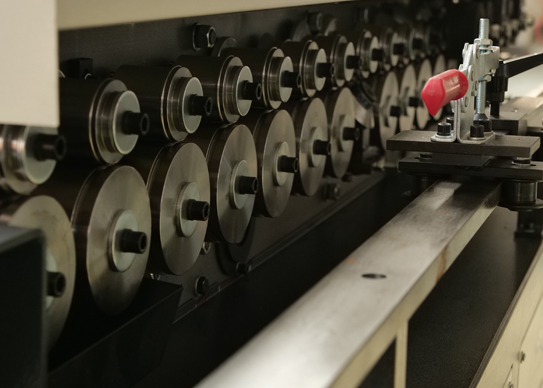
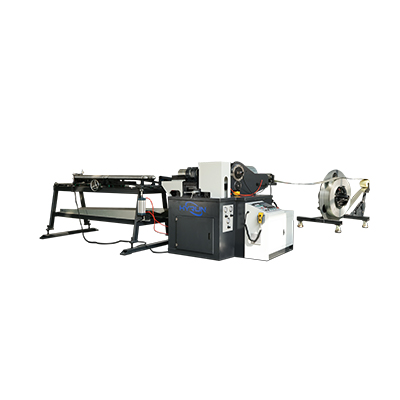
CNC (Computer Numerical Control) duct fabrication machines are automated systems that use computer programming to control tools for cutting, forming, bending, and assembling sheet metal into precise ductwork for heating, ventilation, and air conditioning (HVAC) applications. These machines convert digital designs directly into physical components, ensuring repeatable results with minimal variation.
By integrating computer controls, the equipment achieves tight tolerances essential for proper airflow, system efficiency, and
compliance with industry regulations. Manufacturers benefit from reduced manual intervention, which lowers the risk of inconsistencies that often occur in traditional fabrication methods. Overall, CNC technology supports higher output volumes while maintaining the structural integrity needed for durable duct systems in various building environments.
CNC duct fabrication machines deliver notable efficiency improvements through continuous operation and multi-function capabilities. Unlike manual processes that involve frequent stops for adjustments, these systems run extended cycles with programmed precision, minimizing idle time and accelerating workflow from raw material to finished duct sections.
Key efficiency factors include the ability to perform multiple operations—such as leveling, notching, folding, and seam closing—within integrated lines. This consolidation reduces handling between stations and shortens overall production timelines. Additionally, direct programming from design software eliminates many setup errors, resulting in consistent part quality across large batches.
Material utilization also improves significantly, as optimized cutting paths reduce scrap. Labor requirements decrease because operators primarily oversee processes rather than perform repetitive physical tasks. For businesses scaling operations, these gains translate into faster project turnaround and better resource allocation without compromising output standards.HYRUN Technology specializes in such automated solutions, offering auto duct lines that combine several processing steps into streamlined systems tailored for HVAC duct production. Their equipment supports efficient fabrication of both rectangular and round components, helping fabricators increase throughput while upholding precision.
Duct fabrication requires specialized equipment for different shapes and assembly needs. Common categories include machines focused on spiral, round, and rectangular ducts, each designed to handle specific forming and joining requirements.
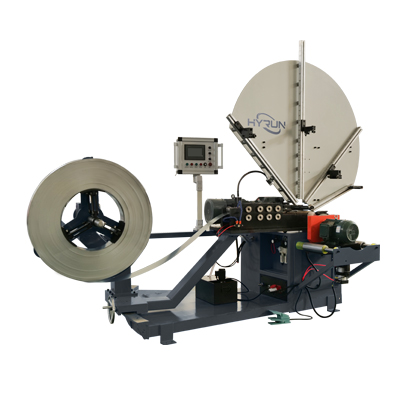
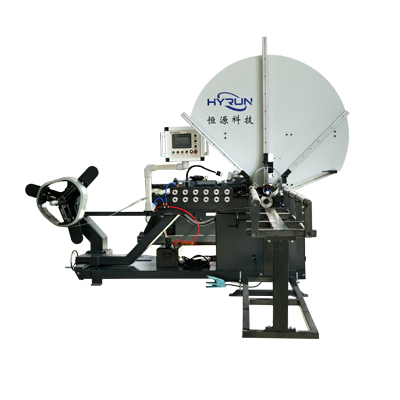
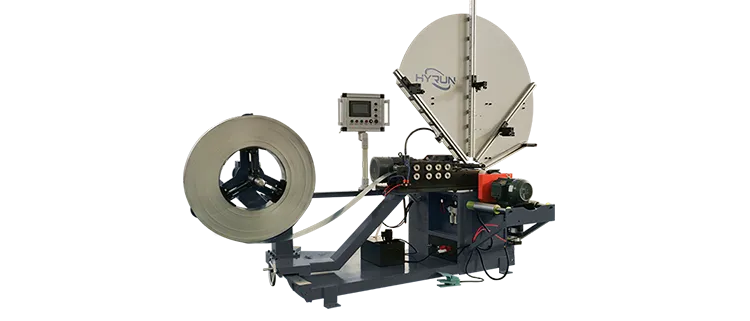
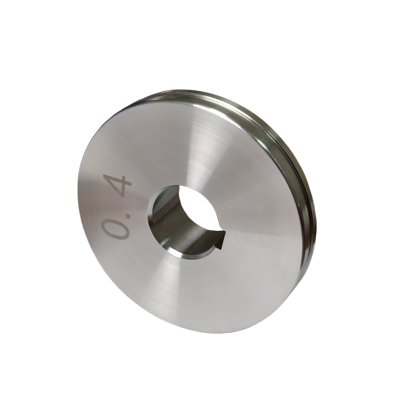
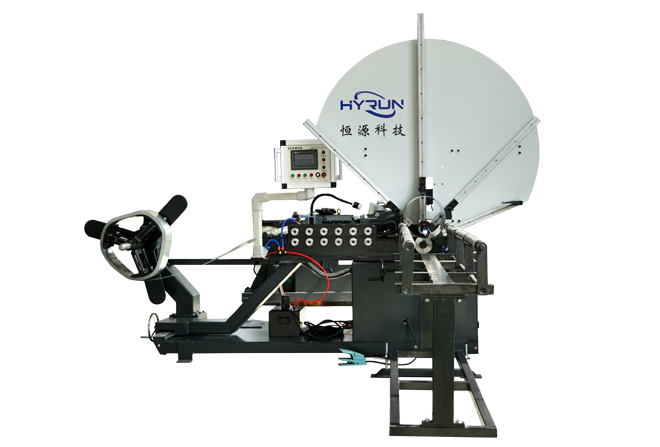
Spiral Duct Machines: These produce strong, seamless spiral tubing ideal for ventilation systems. Configurations such as steel belt spiral duct machines come with multiple sets of forming rollers—typically four or six—to accommodate various diameters and material thicknesses. Additional options like spiral duct flanging machines support end preparation for connections.
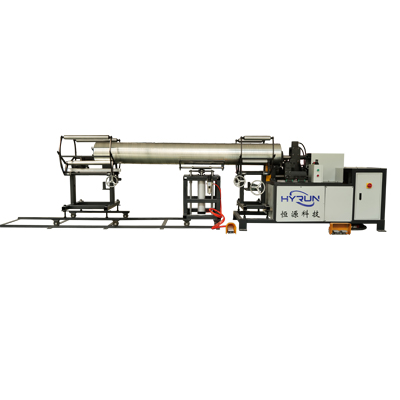
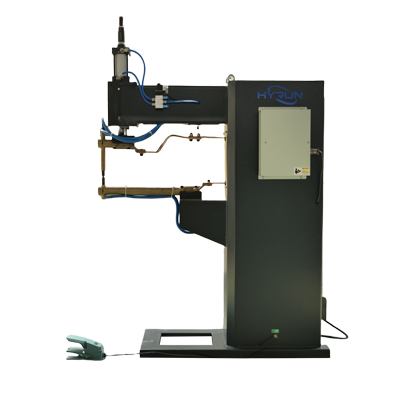
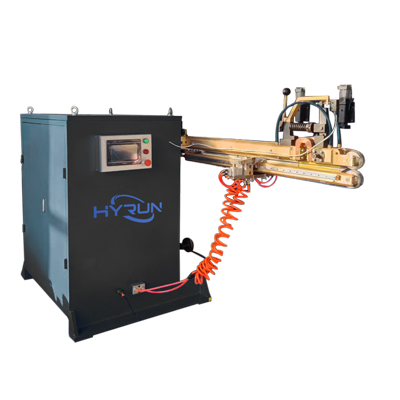
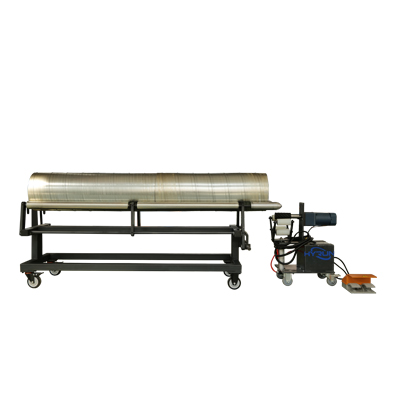
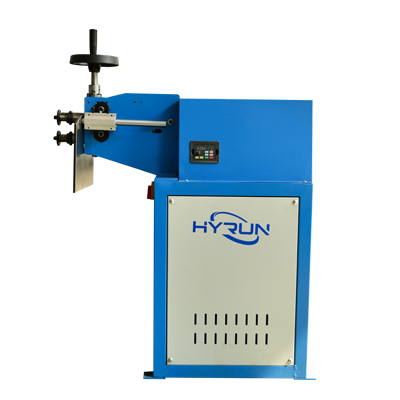
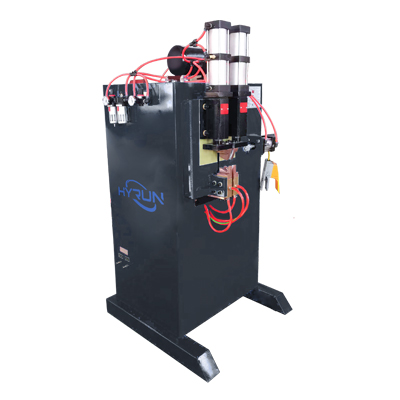
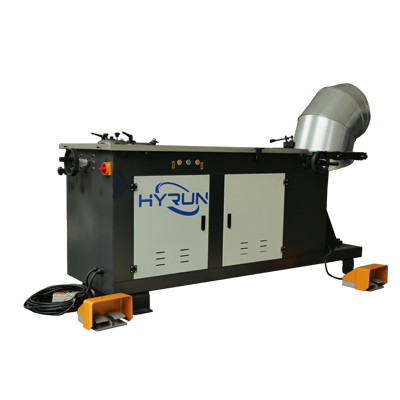
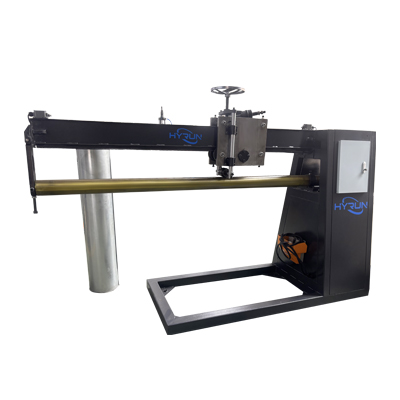
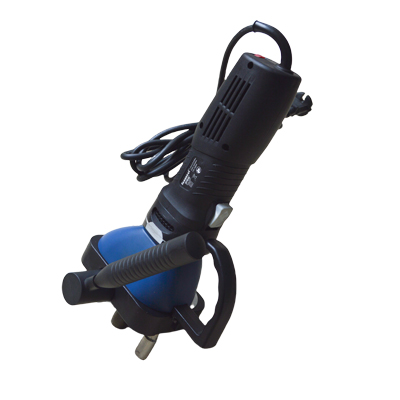
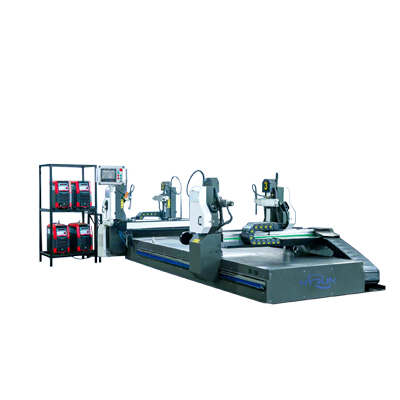
Round Duct Machines: Equipment in this group handles forming, welding, and finishing for circular components. Examples include hydraulic elbow machines, round duct seam closing machines, flange punching units, and various welding systems such as pneumatic spot welders or straight seam automatic welders. These tools ensure smooth, leak-resistant round ducts suitable for high-velocity airflow applications.
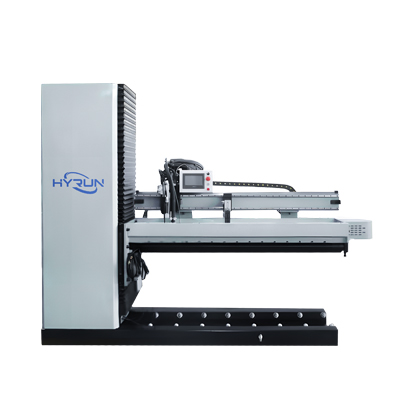
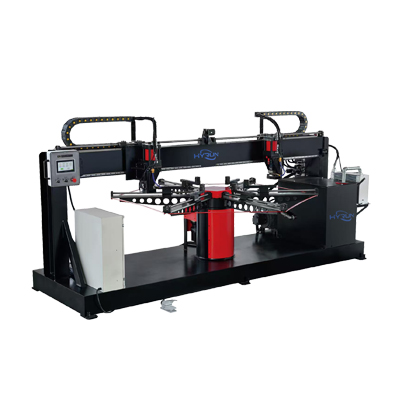
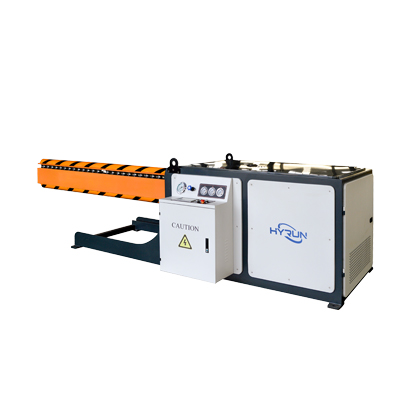
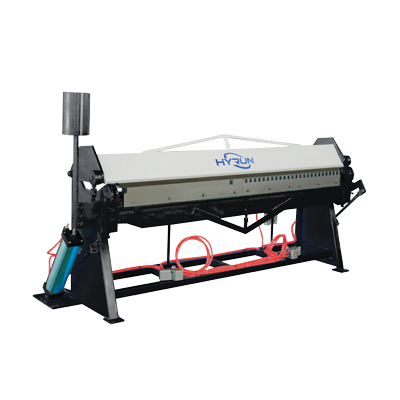
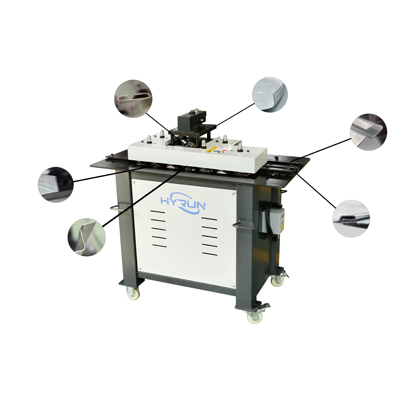
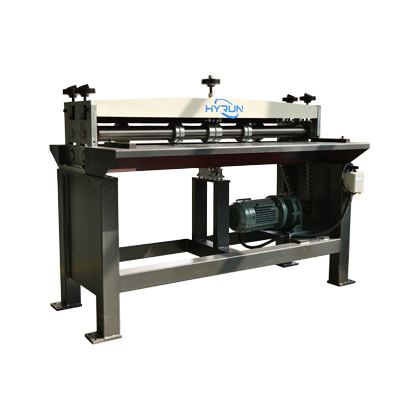
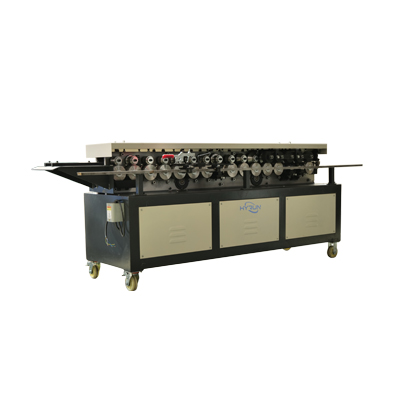
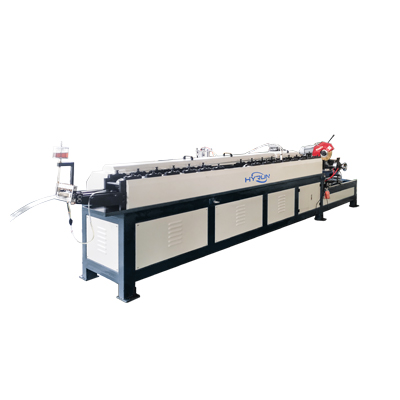
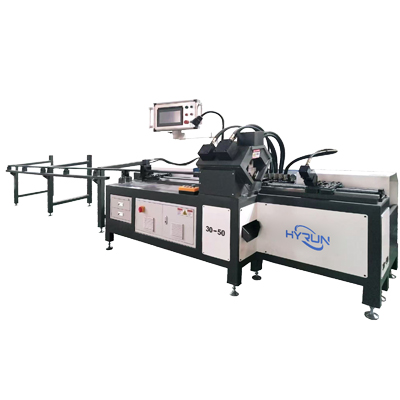
Rectangular Duct Machines: Auto duct lines form the backbone here, with models like Auto Duct Line 3 and Auto Duct Line 5 integrating decoiling, leveling, grooving, notching, and folding. Supporting tools include TDF and TDC flange forming machines, lock forming machines, pneumatic folding machines, and hydraulic seam closing systems. Corner production lines and binding machines further streamline assembly.
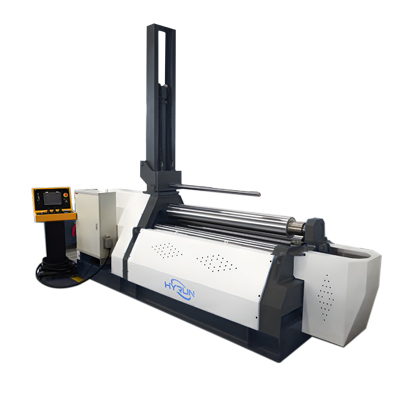
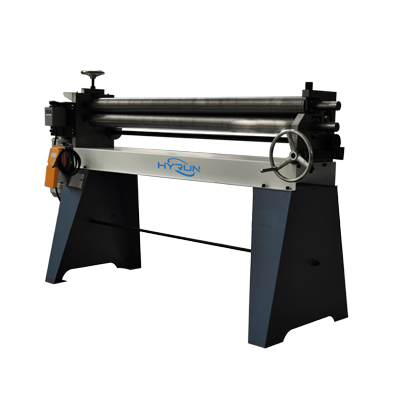
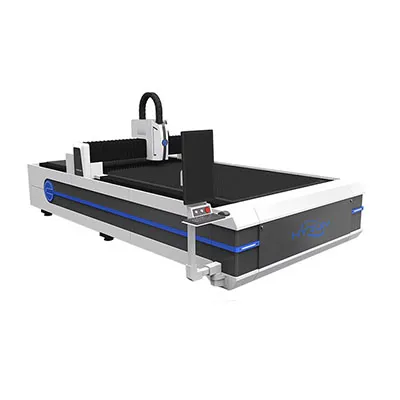
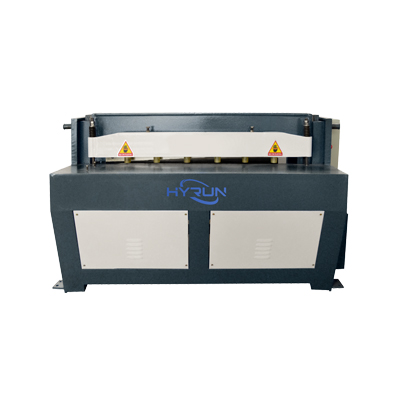
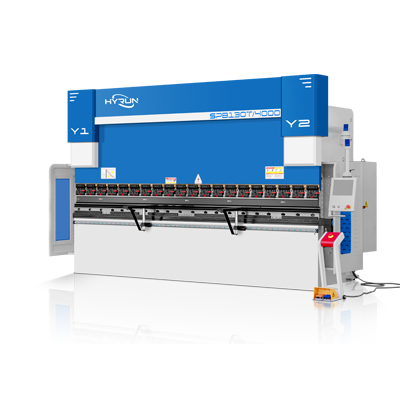
Duct Welding and Ancillary Equipment: Specialized welders, including angle steel flange welders and duct connection racks, enhance joint integrity. Broader sheet metal support comes from CNC laser cutting machines, press brakes, and shearing units that prepare materials accurately before duct-specific forming.
HYRUN Technology provides a wide selection of these machines, including steel belt spiral duct machines with configurable forming rollers and complete auto duct lines. Their ISO-certified equipment serves global HVAC and sheet metal needs, with options for custom project requirements.
Precision stands as a primary advantage. Computer-controlled movements produce exact cuts, bends, and seams that fit together cleanly, supporting optimal airflow and reducing on-site modifications. This consistency proves especially valuable for complex or custom duct designs required in modern energy-efficient buildings.
Productivity rises through faster cycle times and the capacity to handle high volumes with fewer operators. Reduced human error leads to fewer defects and rework, while optimized nesting of parts on sheet metal minimizes waste and material costs. Many systems also allow quick reprogramming for design changes, offering flexibility for varied project specifications.
Quality assurance improves because repeatable processes meet tight tolerances repeatedly. This reliability builds confidence in the final HVAC installation, contributing to system performance and longevity. Businesses often experience lower labor expenses and improved safety, as automation handles heavy or repetitive tasks.
Sustainability aspects emerge from efficient material use and energy-conscious operation in newer models. By producing ducts with minimal scrap and precise dimensions, manufacturers support greener practices in the construction supply chain.HYRUN Technology’s duct machinery incorporates automation features that align with these benefits, enabling fabricators to achieve complex designs efficiently while maintaining high output standards.
Advancements continue to shape the field, with greater integration of digital controls and monitoring systems. Real-time data collection helps optimize machine performance and identify potential issues before they cause interruptions. Enhanced software compatibility allows smoother transitions from design to production, supporting more intricate geometries without extended lead times.
Energy efficiency in equipment design receives increasing attention, as manufacturers seek ways to lower operational consumption during cutting, forming, and welding. Improved tooling and drive systems contribute to quieter, more compact machines suitable for varied shop environments.
Customization capabilities expand through better programming interfaces, making it easier to produce project-specific fittings and transitions. As HVAC systems grow more sophisticated to meet indoor air quality and energy performance goals, CNC machines adapt by offering finer control over material handling and joint preparation.HYRUN Technology remains committed to innovation in this space, developing equipment that addresses evolving industry requirements for precision and productivity in duct fabrication.
In conclusion, CNC duct fabrication machines play a central role in modern HVAC production by combining accuracy, speed, and versatility. They enable manufacturers to deliver high-quality ductwork that supports efficient air distribution systems while optimizing shop performance. For reliable, automated solutions backed by extensive industry experience, explore the range of equipment available from HYRUN Technology. Their team provides tailored options to match diverse fabrication needs in today’s competitive market. Staying informed about equipment advancements helps businesses maintain strong operational capabilities and meet client expectations effectively.
What materials are commonly processed with CNC duct fabrication machines?
These machines typically work with galvanized steel, stainless steel, and aluminum sheets. Thickness ranges vary by model, but most handle standard HVAC gauges efficiently while maintaining clean edges and accurate forms.
How do auto duct lines differ from standalone machines?
Auto duct lines integrate multiple steps like decoiling, cutting, notching, and folding into one continuous process. Standalone machines focus on single tasks such as spiral forming or seam welding, offering flexibility for specialized or smaller-scale operations.
Can CNC duct machines support custom duct designs?
Yes, programming allows adjustments for unique sizes, angles, and fittings. This capability helps fabricators accommodate specific project layouts without major retooling, improving adaptability across different building requirements.
What maintenance practices help maximize machine uptime?
Regular lubrication of moving parts, inspection of cutting or forming tools, and software updates keep systems running smoothly. Many modern units include diagnostic features that alert operators to routine service needs.
Are CNC duct fabrication machines suitable for small workshops?
Compact models and modular lines exist that fit smaller spaces while still delivering automation benefits. Entry-level configurations can scale with business growth, providing precision without requiring extensive floor space initially.