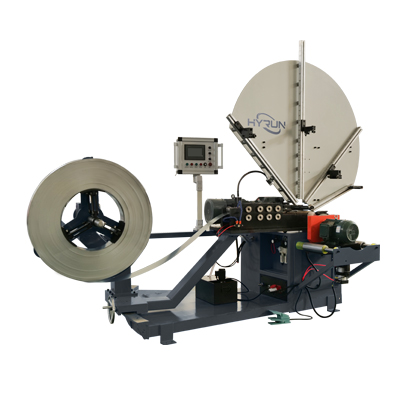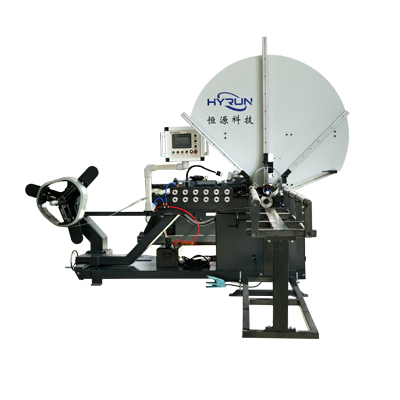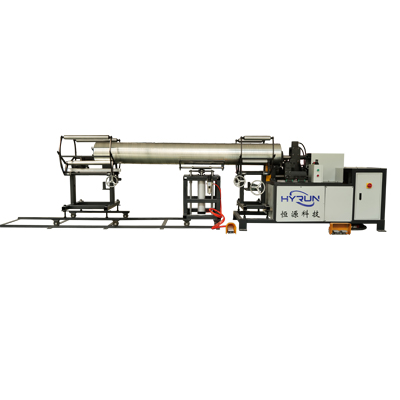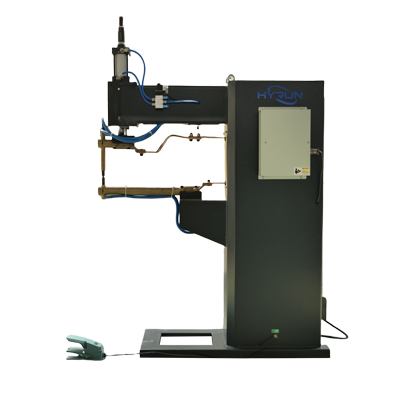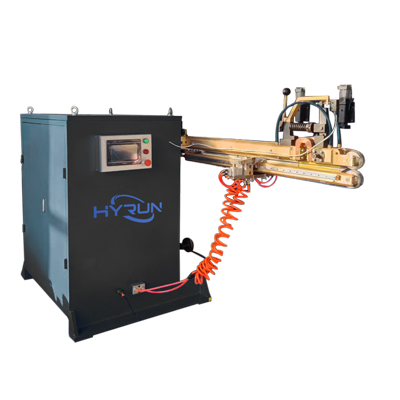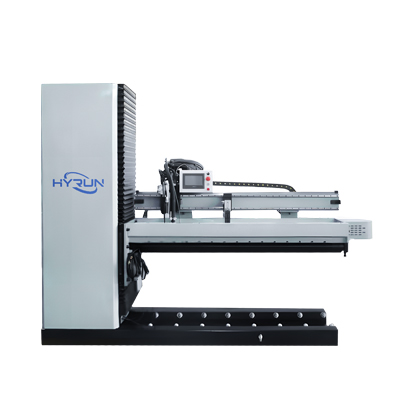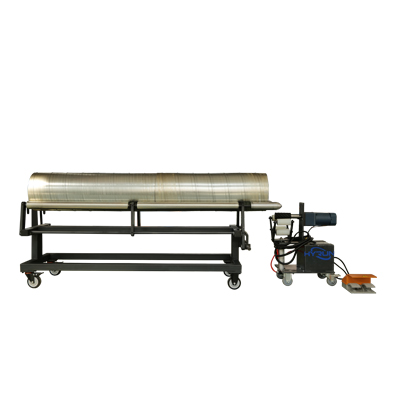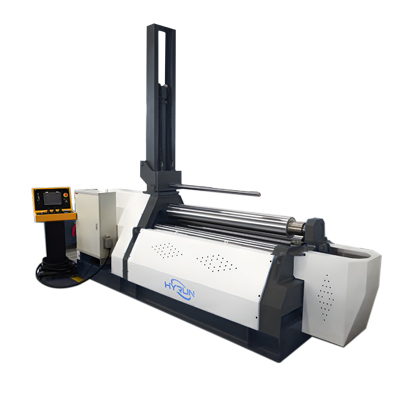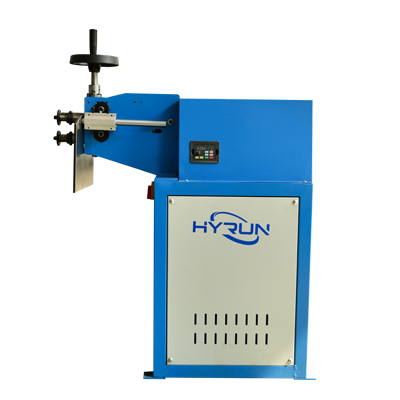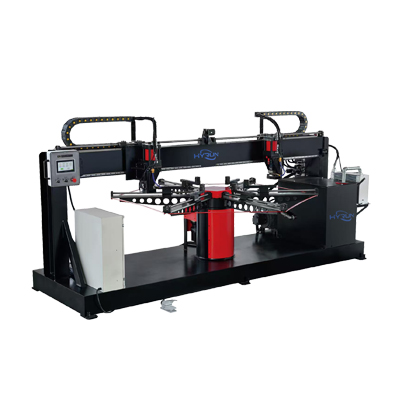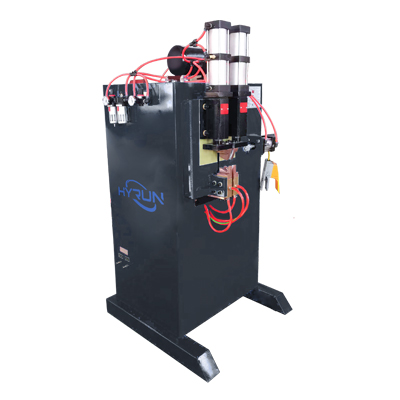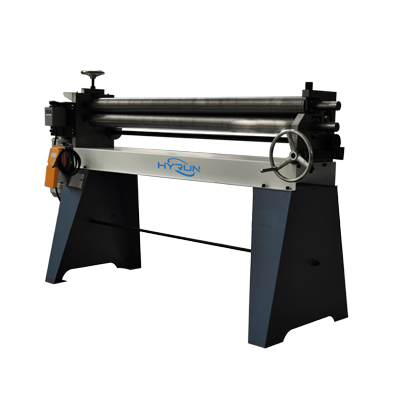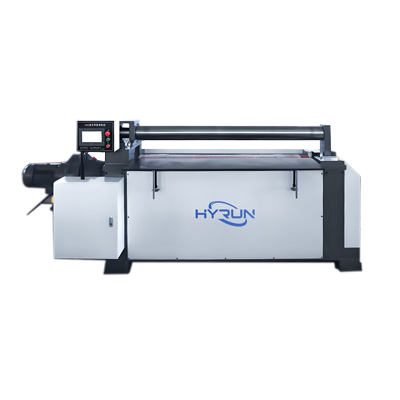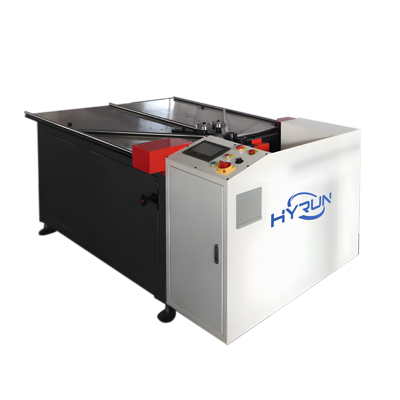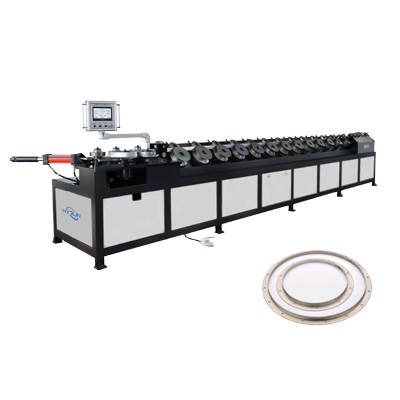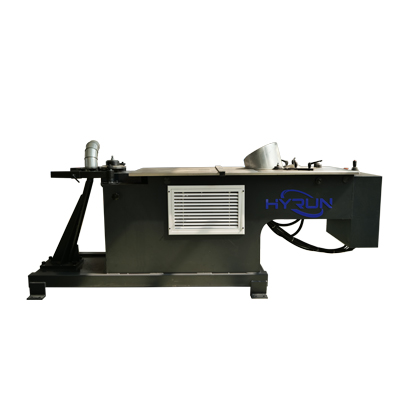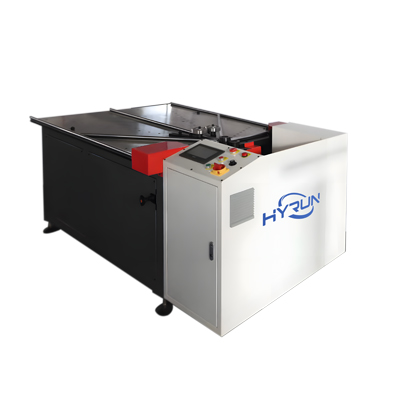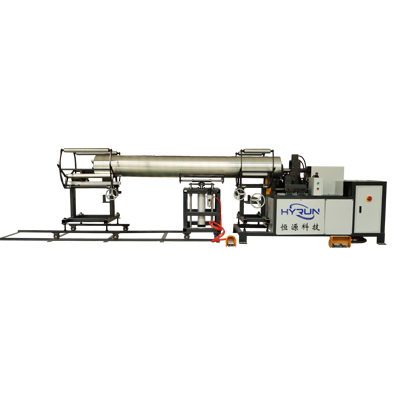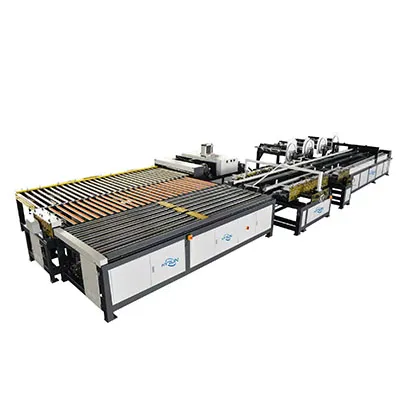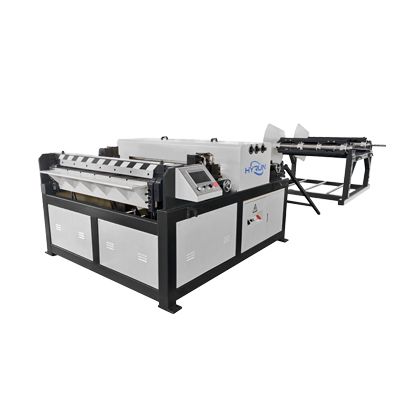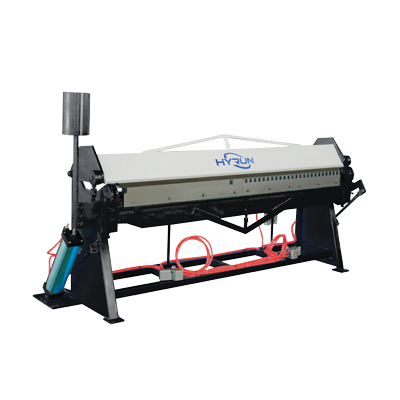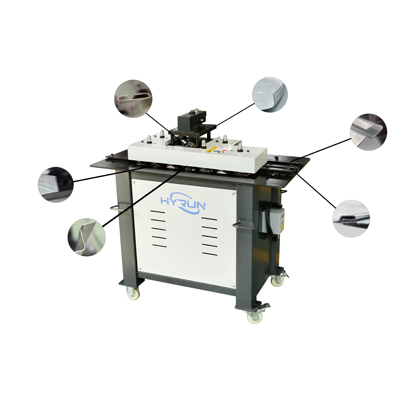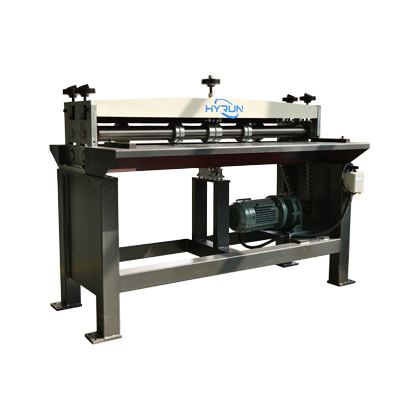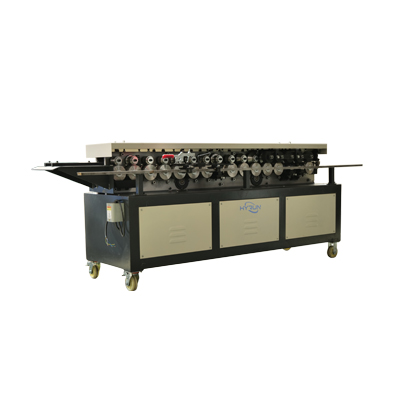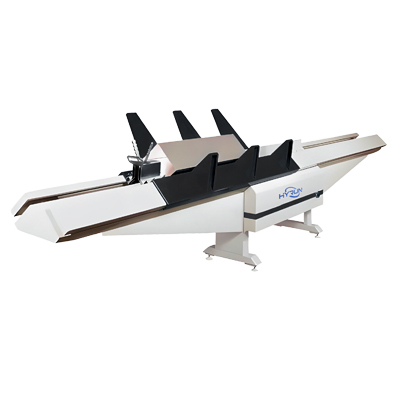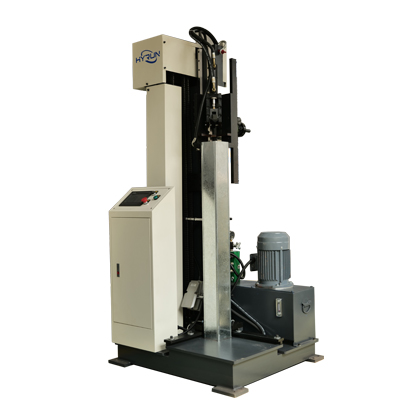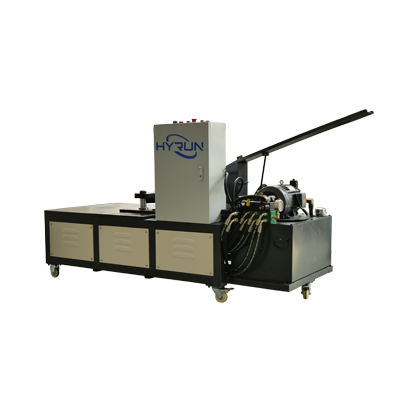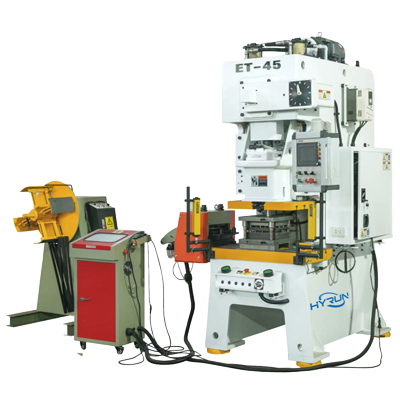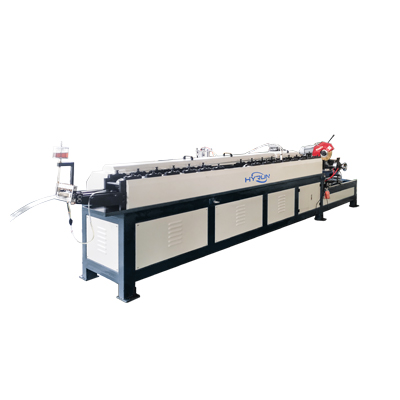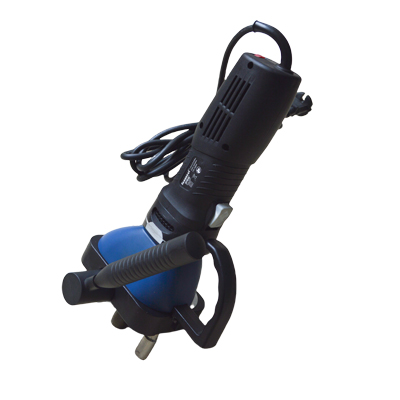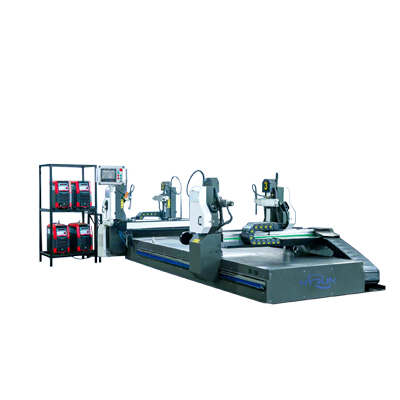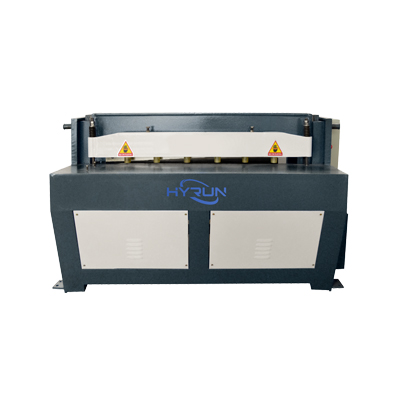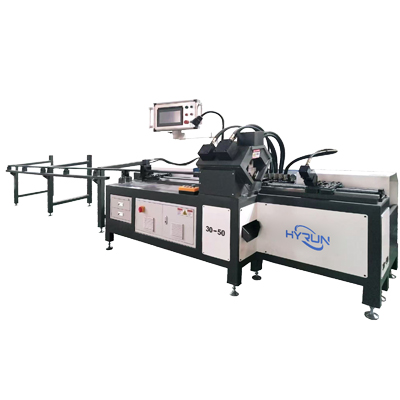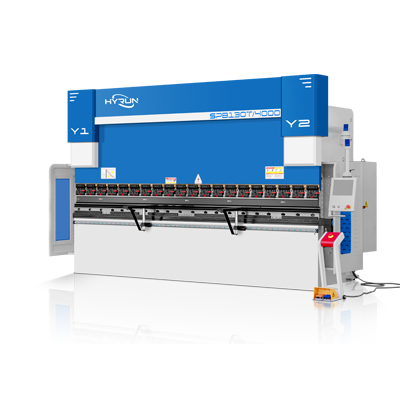
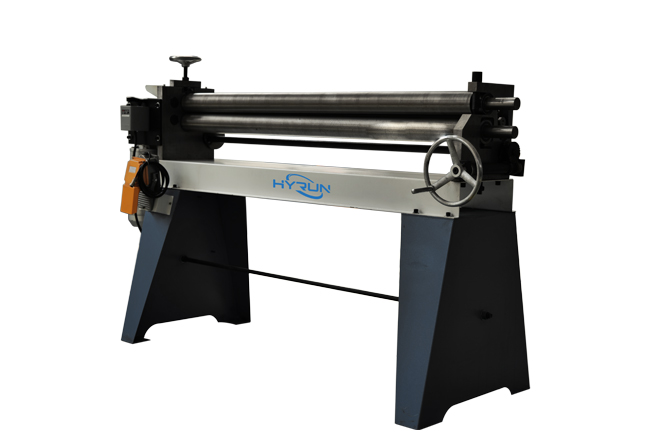
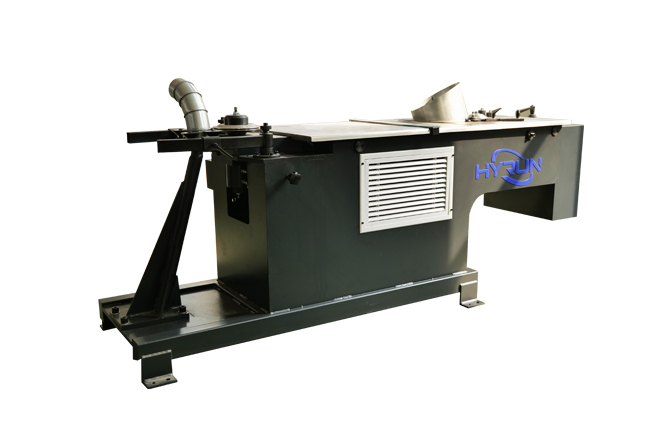
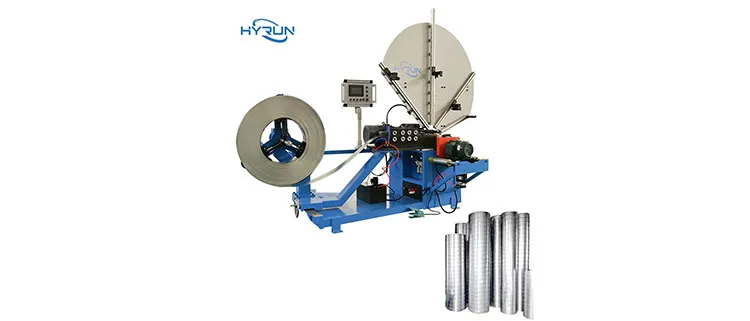
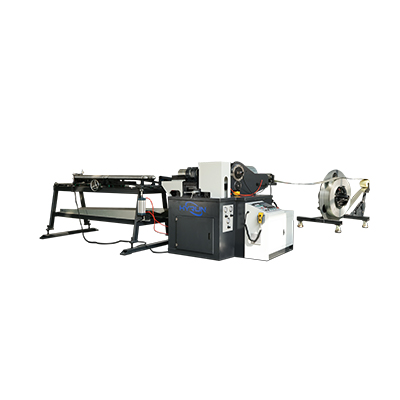
The lowest purchase price can look attractive at the quotation stage, but HVAC duct machinery value is created over years of production. Buyers should evaluate total cost, machine reliability, configuration fit, training. spare parts, service response, and the supplier's ability to understand real workshop requirements.
Core argument
A duct machine is not only a product with a price tag. It becomes part of the factory's ability to deliver consistent ductwork, control rework, train operators, and keep project orders moving. A low initial price loses meaning if it creates downtime, quality variation, or weak support after installation.
PROCUREMENT REALITY
In a competitive HVAC duct market, it is natural for buyers to compare prices first. Many workshops operate under tight margins, project schedules are uncertain, and equipment investment can place pressure on cash flow. When several suppliers appear to offer similar machines, the lowest quotation can feel like the most rational choice.
This is especially true for buyers who are expanding production for the first time. If the workshop has not yet experienced the long -term difference between machine structures, support systems, configuration details, and operating stability, the visible purchase price becomes the easiest number to compare. A spreadsheet can compare quotations quickly; it is much harder to compare future downtime, training difficulty, spare parts delay, or inconsistent duct quality.
The problem is not that price matters too much. Price does matter. The problem is that price is often treated as the whole decision instead of one part of the decision. A duct machine is a production asset, and its real value appears only after it is installed, adjusted, operated, maintained, and used under real order pressure.
For professional buyers, the goal is not to choose the most expensive machine. The goal is to avoid mistaking a low purchase price for a low total cost.
HIDDEN COST
A low-cost machine can become expensive if it creates frequent stoppages, requires constant manual correction, or produces inconsistent output. The cost may not appear on the invoice, but it appears in the workshop: operators spend more time adjusting, managers spend more time explaining delays, and customers begin to question whether the supplier can deliver reliably.
Rework is one of the clearest hidden costs. If duct dimensions, seams, flanges, cutting quality, or surface finish are unstable the workshop pays twice: once for production and again for correction. In project-based HVAC work, rework can also damage scheduling because a delayed duct package may affect installation, insulation, testing, and final handover.
Training is another cost that buyers often underestimate. A machine that depends heavily on individual operator skill may work well during a demonstration but become difficult to manage when operators change. If new workers need a long time to produce acceptable output, the factory loses flexibility. If only one operator understands the machine well, the entire production process becomes fragile.
Downtime also has a commercial effect. When a workshop cannot predict output, sales teams become cautious, delivery promises become weaker, and urgent orders become stressful. The buyer may have saved money at purchase, but the factory pays for uncertainty every month after installation.
SPECIFICATION TRAP
Many duct machinery quotations contain similar headline specifications: diameter range, material thickness, feeding speed.motor power, machine size, and optional functions. These numbers are necessary. but they do not fully explain how the machine will perform in daily production. Two machines can show similar specification tables while behaving very differently under load, during changeover, or after months of use.
Buyers should ask how the machine performs in the common operating range, not only at the maximum value. A maximum diameter or maximum speed is less important if most orders are produced in a different size range. A listed material thickness is less useful if forming quality becomes unstable with the customer's real material. A high nominal speed can be misleading if the operator must slow down to maintain acceptable quality.
This is why sample quality, mechanical structure, control logic, tooling practicality, and service explanation matter. A serious supplier should be able to discuss the relationship between the specification and the production situation. Buyers should be cautious when a supplier can quote quickly but cannot explain how the machine fits the customer's workflow.
The strongest machinery decision usually begins with real production conditions: common duct sizes, materials, required output, workshop space, operator skill level, maintenance ability, and expected project type.
SERVICE VALUE
A duct machine does not create value simply by arriving at the factory. It must be installed, commissioned, adjusted,understood by operators, maintained, and supported when problems appear. For this reason, after-sales support should be evaluated before purchase, not after a problem occurs.
Important support questions include: Who helps with installation? What training is provided? Which spare parts should be prepared? How are faults diagnosed? How quickly can the supplier respond? Are documents clear enough for daily operation and maintenance? Can the supplier communicate effectively when the customer is overseas?
These questions may seem less exciting than machine speed, but they often decide whether the investment becomes stable. A technically capable machine can still underperform if the buyer cannot get clear guidance during startup. A simplefaut can become a production delay if spare parts and troubleshooting are not planned. Anew operator can make repeated mistakes if training is weak.
Service quality is also a trust signal. A supplier that takes technical confirmation seriously before the sale is more likely to provide practical support after the sale. A supplier that only pushes a low price may not be prepared to help when production reality becomes complicated.
CONFIGURATION FIT
Many buyers ask for the lowest machine price before clearly defining the job the machine must do. This can lead to under-configured equipment that looks affordable but does not match the workshop's real production needs. Later, the factory may need additional manual handing, slower production methods, extra tooling, or even another machine to solve the original problem.
Configuration fit should be based on the customer's actual order profile. A spiral duct workshop should think about diameter range, material thickness, lock quality, cutting preference, and changeover. A rectangular duct workshop should think about sheet handling, folding, notching, connection method, and line coordination. A workshop producing multiple duct types should evaluate workflow across the whole factory, not one isolated station.
The right configuration may cost more at purchase, but it can reduce daily friction. Operators work with clearer settings. Production changes are easier to manage. Quality becomes more repeatable. Maintenance needs are easier to understand. The workshop gains a machine that supports the business model instead of fighting against it.
This does not mean every buyer needs the highest configuration. It means the buyer should choose the configuration that matches the work. Overbuying wastes capital; underbuying creates hidden operating cost.
BUYER CHECKLIST
A useful comparison should combine technical, operational, and service factors. Buyers can still compare prices, but the price should be interpreted alongside risk. A slightly higher quotation may be better value if the machine is more suitable, the support is clearer, and the supplier understands the application more deeply.
Buyers should also ask suppliers to explain trade-offs. Why is one cutting method recommended over another? Why does a certain model fit the customer's diameter range? What happens if material thickness changes? What maintenance points should operators watch? A supplier's answers reveal whether it understands production reality or only repeats catalogue language.
For overseas buyers, communication quality is especially important. Clear technical confirmation, export packing,documents, spare parts planning, and remote support can reduce uncertainty after shipment. The cheapest machine becomes risky if the buyer cannot get help when installation or troubleshooting begins.
Buyer checklist
Compare the machine against your common production range, not only maximum specifications.
Ask how the equipment handles your real material thickness and duct type.
Review installation, commissioning, operator training, and spare parts support before order confirmation.
Evaluate whether the supplier asks useful technical questions before quoting.
Consider downtime, rework, and training cost as part of the total investment.
HYRUN NOTE
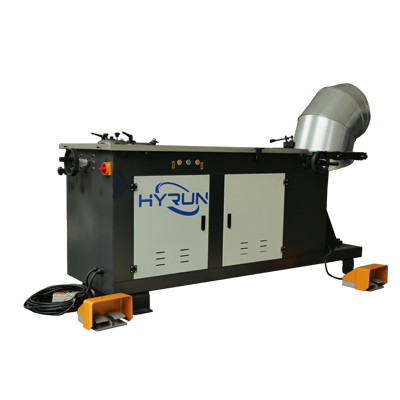
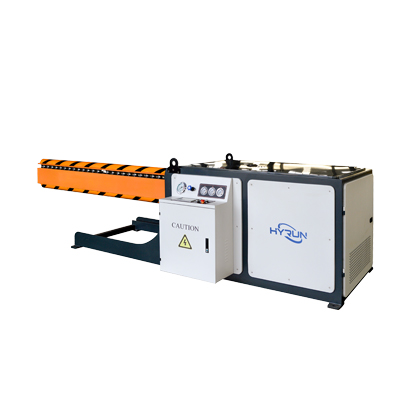
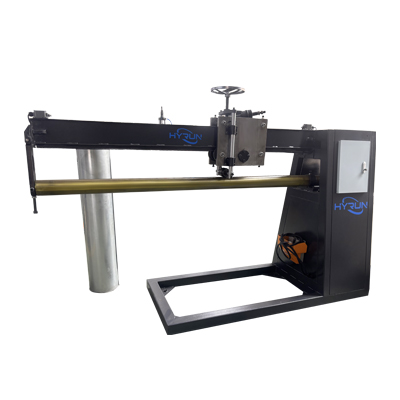
HYRUN can be positioned in this discussion as a practical duct machinery supplier that helps customers evaluate equipment according to real production needs. Instead of treating every inquiry as a simple price request, HYRUN can discuss duct type, material thickness, size range, output target, workshop space, voltage, operator workflow, and future expansion plans.
This approach is useful because many customers are not only buying one machine. They are trying to improve a production process. A buyer may begin with a spiral duct machine, rectangular duct equipment, flanging machine, or welding solution.but the deeper need is usually more stable duct fabrication, better workflow control, and greater delivery confidence.
A soft-selling article should not claim that price is unimportant. Professional buyers know budget matters. The stronger message is that HYRUN helps buyers understand what they are paying for: configuration fit, repeatable production, practical operation, and service support that continues after shipment.
That positioning is more credible than simply saying the machine is high quality. It explains why the buyer should ask better questions before comparing quotations, and it gives HYRUN a more consultative role in the sales process.
CONCLUSION
The lowest price is easy to understand, but it is not always the lowest cost. HVAC duct machinery affects production stability, operator training, rework, delivery confidence, and long-term customer trust. Buyers who evaluate only the invoice may miss the costs that appear later in daily operation.
A better buying decision looks at total value: machine structure, configuration fit, support quality, spare parts, training, production repeatability, and supplier communication. When these factors are considered together, the right machine becomes not just a purchase, but a foundation for more reliable duct manufacturing.
International Energy Agency, Buildings: https://www.iea.org/reports/buildings
U.S. Department of Energy. Minimizing Energy Losses in Ducts: https:/www.energy. gov/energysaver/minimnizing-energy-losses-ducts
OSHA, Machine Guarding: https://www.osha.gov/machine-guarding
SMACNA HVAC Duct Construction Standards overview:
https://ww.smacna.org/store/product/hvac-duct-construction-standards-metal-and-flexible-third-edition-50
HYRUN website: https://www.hyruntech.com/