As HVAC projects become more demanding, quality is measured by more than the appearance of one finished duct. Consistent dimensions, reliable seams, accurate fittings, and predictable installation results all depend on a controlled manufacturing process.
INDUSTRY CONTEXT
HVAC ductwork is often produced to project-specific dimensions, materials, and delivery schedules. This variety makes quality control more difficult than simply checking a finished piece at the end of the line.
A duct can look acceptable while still creating problems during installation if its diameter, length, flange, seam, or fitting connection is inconsistent. Small deviations can accumulate across a large project, causing rework, site delays, leakage concerns, or additional labor.
For this reason, manufacturers increasingly treat quality as a production-system issue. Equipment, process settings, operators, inspection points, and documentation must work together.
PRODUCT CONSISTENCY
One well-made duct is useful, but a professional manufacturer must reproduce the same result throughout a production run. Repeatability is especially important when multiple ducts must connect on site or when several operators share the same equipment.
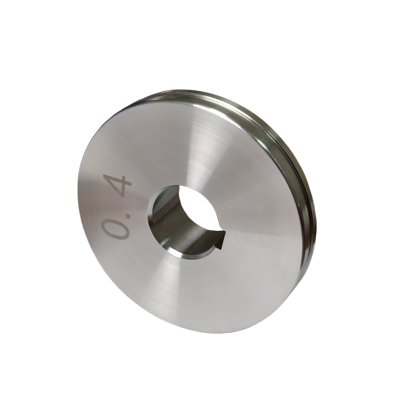
Stable forming rollers, accurate feeding, controlled cutting, and reliable seam locking all contribute to repeatable geometry. The objective is not only to achieve a specification once, but to keep the process within an acceptable range as production continues.
This is where appropriate automation creates practical value. It reduces variation caused by repeated manual adjustments and makes machine settings easier to reproduce.
PROCESS CONTROL
Final inspection is necessary, but it is often too late to correct a recurring process problem efficiently. In-process checks allow operators to identify drift before a large quantity of material is affected.
Useful checks may include the first-piece approval, periodic diameter and length measurements, seam appearance, flange dimensions, fitting angles, and a visual review of surface damage. The exact inspection plan should follow the product and project requirements.
Simple checks are powerful when they are performed consistently and linked to a clear response. When a measurement moves outside the target range, the operator should know whether to adjust the machine, isolate the material, or request technical support.
STANDARD WORK
Many small and medium duct workshops rely heavily on experienced operators. Their knowledge is valuable, but quality becomes vulnerable when the process exists only in memory.
A standard work sheet can record material type, thickness, duct diameter, forming settings, cutting length, seam requirements, inspection frequency, and approved samples. This information gives operators a common starting point and shortens setup time for repeat orders.
Standard work does not remove professional judgment. It preserves useful experience and makes it easier to train new staff, compare results, and improve the process over time.
EQUIPMENT SELECTION
A machine should be evaluated according to the quality problems it needs to solve, not only its advertised speed. Buyers should examine forming stability, adjustment accuracy, control logic, component quality, and the supplier's ability to support commissioning.
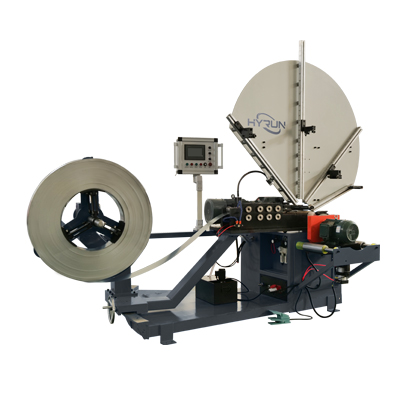
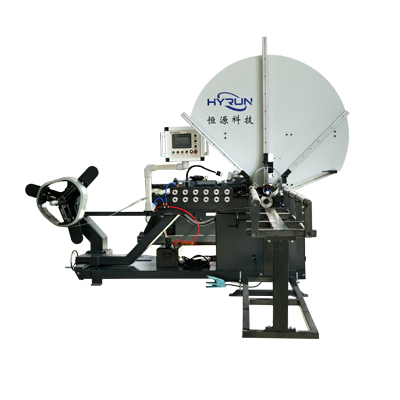
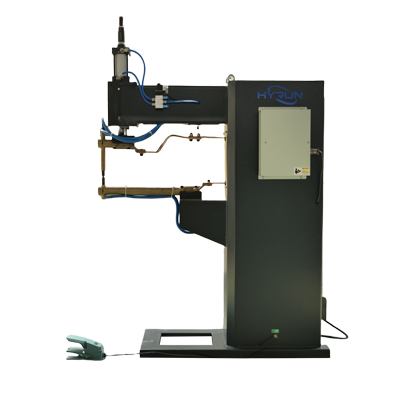
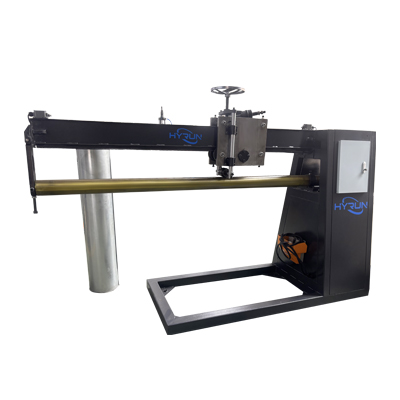
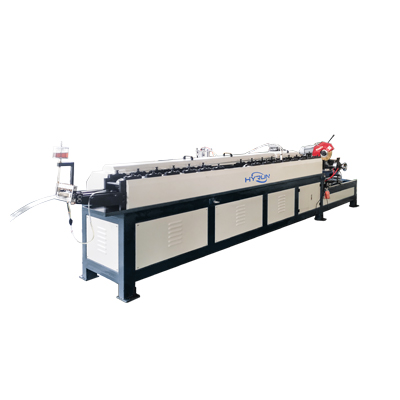
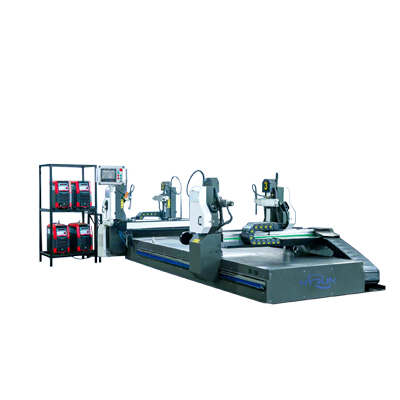
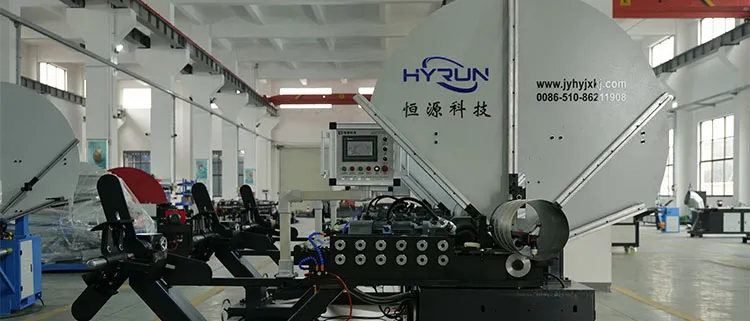
For spiral duct production, reliable coil feeding and seam formation are central. For fittings and flanges, dimensional accuracy and repeatable forming are equally important. For welding and rectangular duct production, stable positioning and consistent joining affect the finished assembly.
The right equipment creates a more controlled process, but it still needs suitable material, correct setup, trained operators, and regular maintenance.
PROJECT DELIVERY
Quality control has a direct effect beyond the factory. Ducts that arrive with consistent dimensions are easier to assemble, support, seal, and inspect on site. Contractors spend less time correcting mismatched components and more time progressing with the installation.
This matters particularly for commercial buildings, hospitals, industrial facilities, and other projects where coordination between trades is tight. Predictable fabrication supports scheduling and reduces the hidden cost of site adjustments.
Manufacturers that can demonstrate a stable quality process also have a stronger basis for earning repeat business and participating in more demanding projects.
BUYER CHECKLIST
Before investing in new equipment or procedures, manufacturers should identify where variation enters the current process. The following questions provide a practical starting point.
- Which dimensions or connections create the most rework?
- Are first-piece and in-process checks clearly assigned?
- Can operators reproduce settings for repeat orders?
- Does the current machine cover the required material and size range reliably?
- Are maintenance, tooling, and spare parts affecting process stability?
- Can production records show what was made, when, and under which settings?
HYRUN NOTE
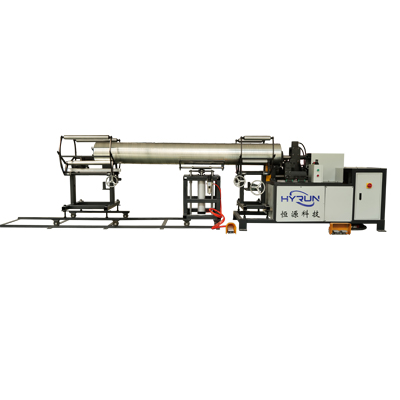
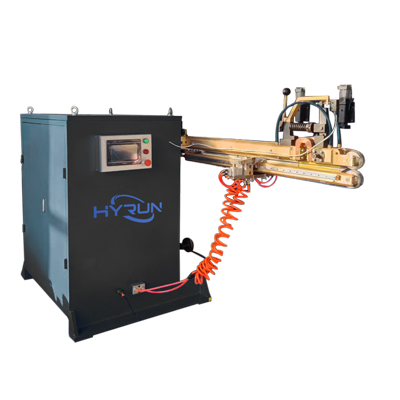
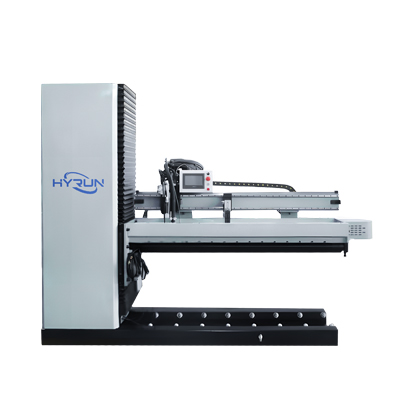
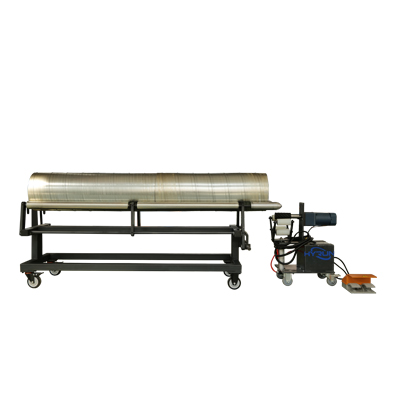
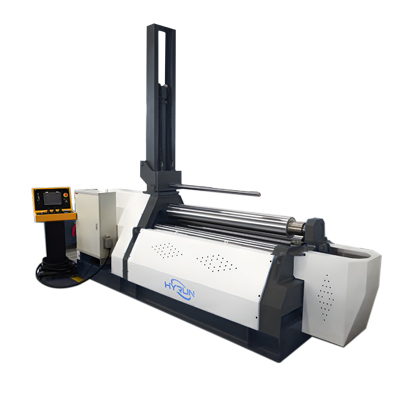
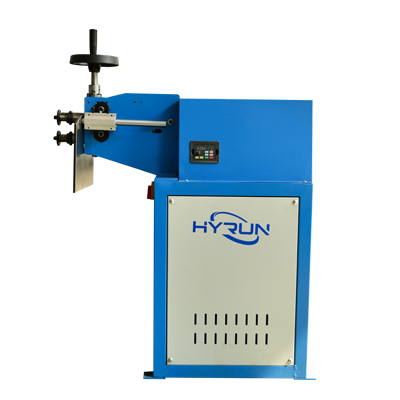
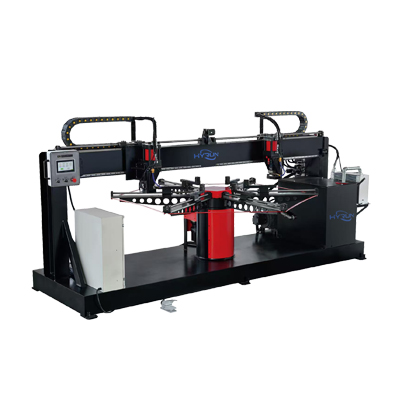
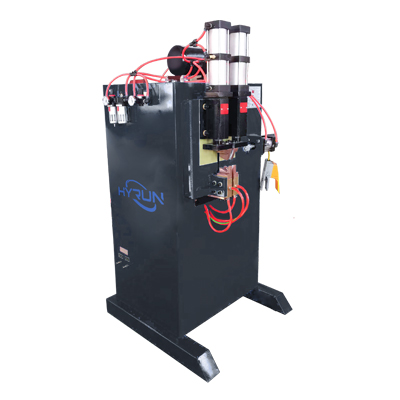
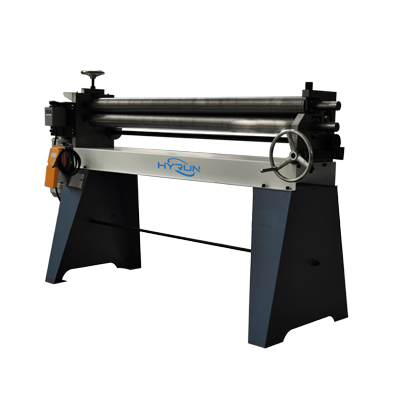
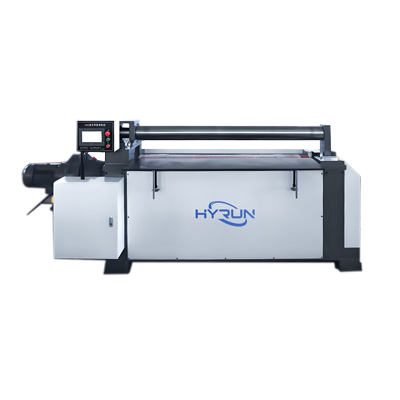
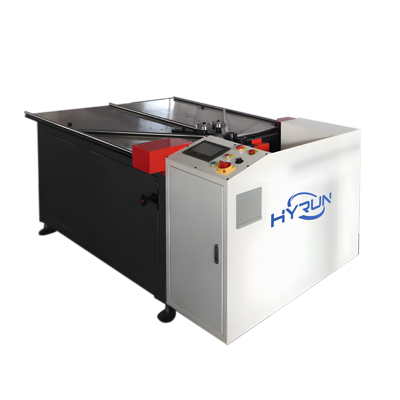
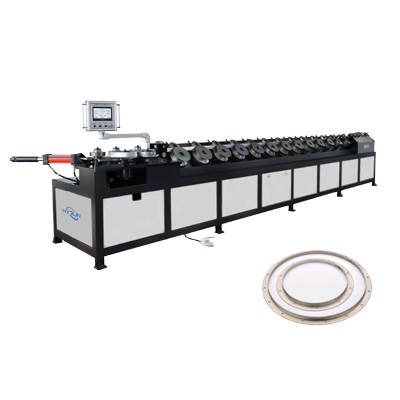
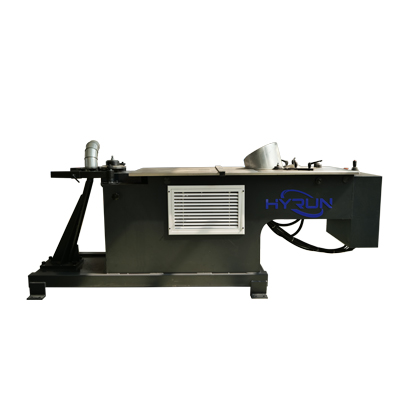
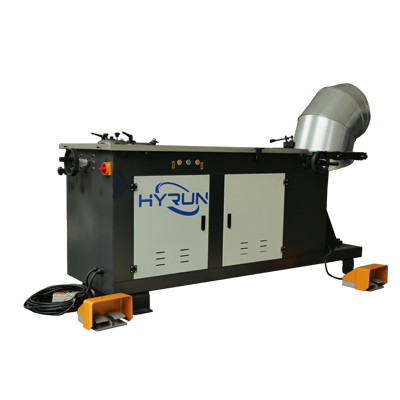
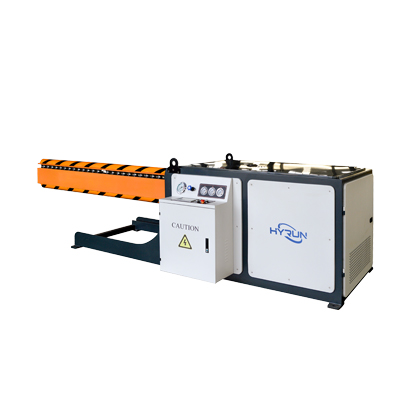
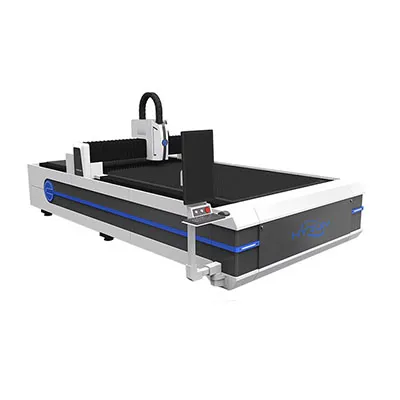
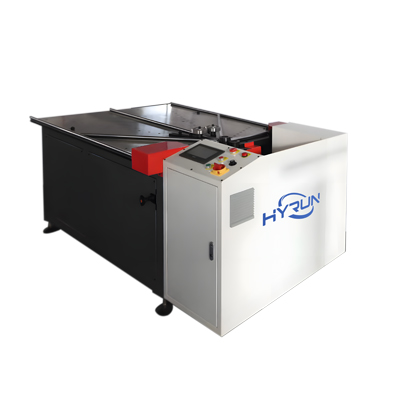
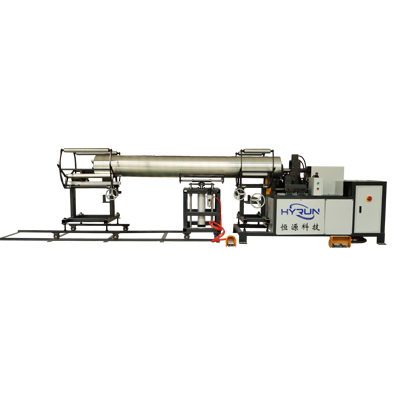
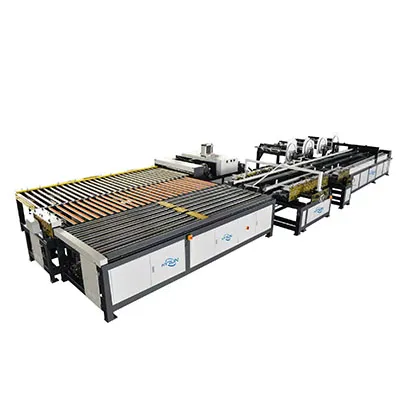
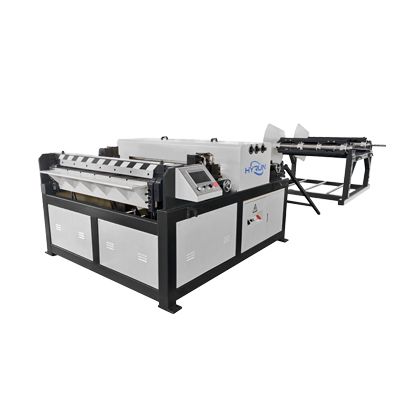
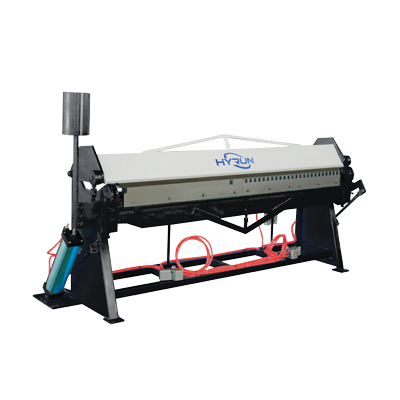
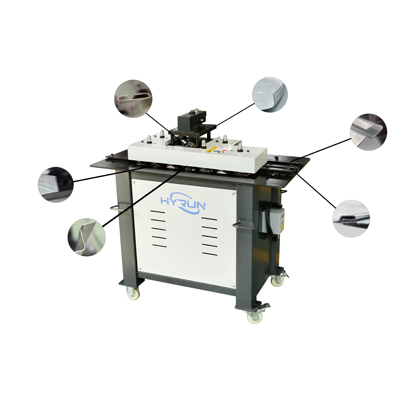
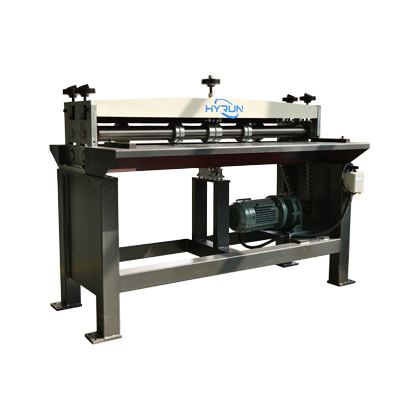
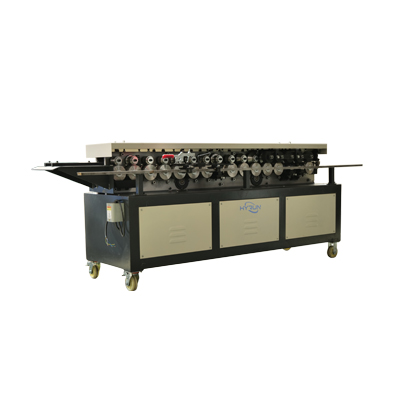
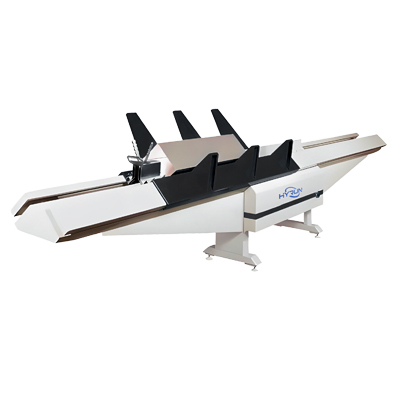
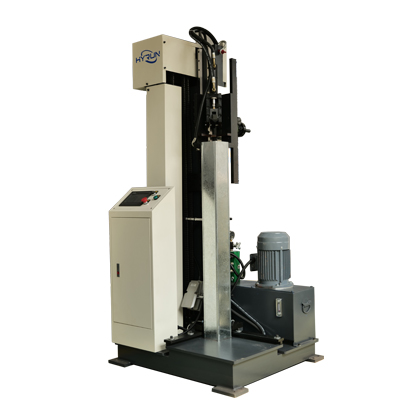
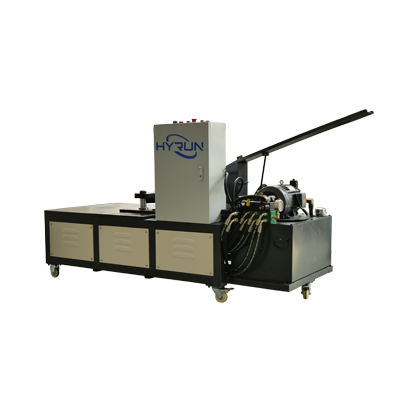
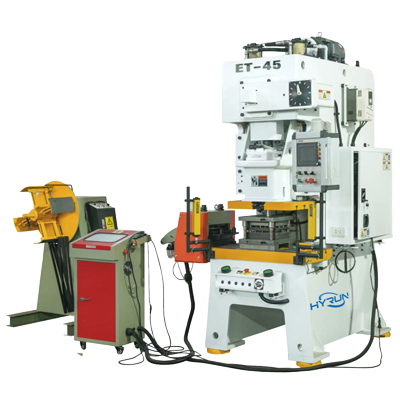
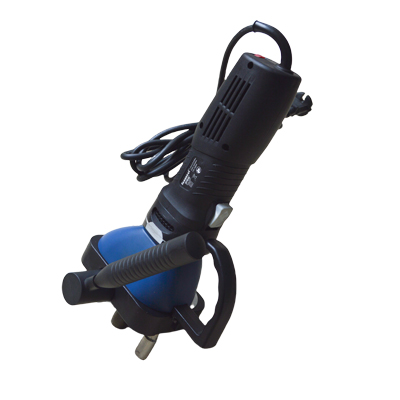
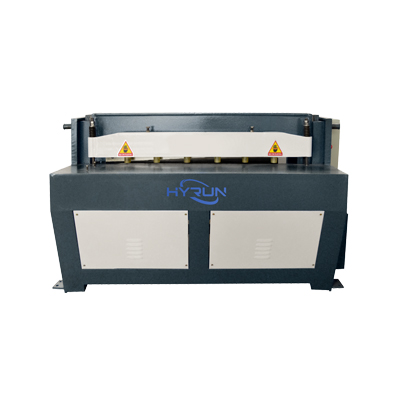
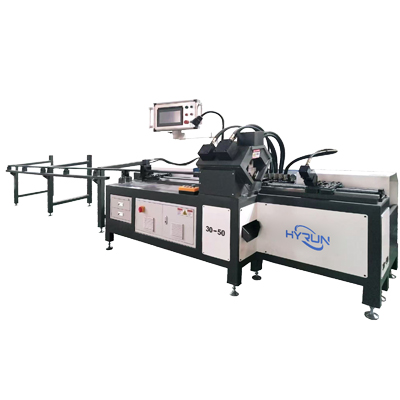
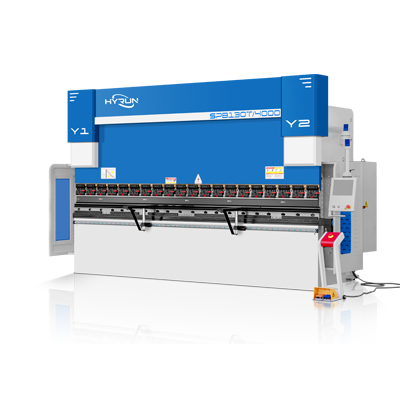
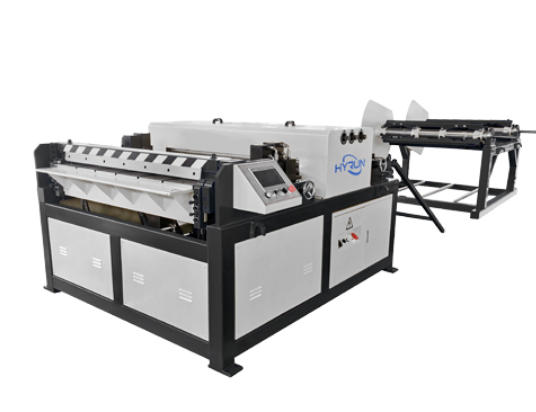
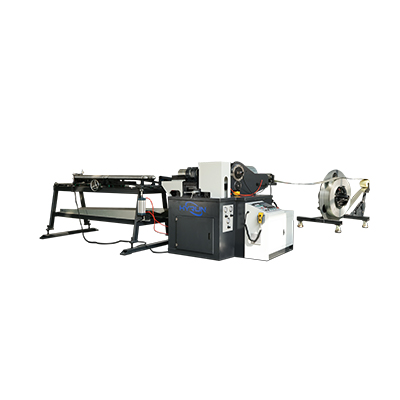
HYRUN supports HVAC manufacturers with equipment for spiral duct production, round duct processing, flange forming, elbow forming, welding, sheet metal work, and more complete automated production routes.
The value of an equipment supplier is not limited to machine delivery. A practical discussion about product range, material thickness, production volume, layout, inspection needs, installation, and training helps the customer build a process that is easier to control.
With suitable equipment and clear production standards, manufacturers can improve consistency without making the workflow unnecessarily complicated.
CONCLUSION
HVAC duct fabrication quality is created through many connected decisions. Standardized settings, appropriate machines, in-process inspection, operator training, and maintenance all contribute to the final result.
Manufacturers do not need to transform every part of the factory at once. Starting with the most frequent quality issue, defining a simple control method, and improving the relevant equipment or process can produce measurable gains.
When quality is repeatable, it supports smoother installation, more reliable delivery, and stronger long-term customer relationships.
- SMACNA HVAC Duct Construction Standards overview: https://www.smacna.org/store/product/hvac-duct-construction-standards-metal-and-flexible-third-edition-50
- U.S. Department of Energy, Minimizing Energy Losses in Ducts: https://www.energy.gov/energysaver/minimizing-energy-losses-ducts
- HYRUN website: https://www.hyruntech.com/
HYRUN Industry Article | www.hyruntech.com | info@hyruntech.com