EN

Why Duct Fittings Production Is Becoming a Competitive Advantage

Table of Content [Hide]

    A text-focused industry article for HVAC duct manufacturers evaluating why elbows, flanges, ribs, seams, reducers, and other duct fittings increasingly determine project delivery speed, fabrication quality, and workshop profitability.


    Executive summary

    Many duct workshops focus first on straight duct production, but fittings often decide whether a project is delivered smoothly. Elbows, branches, reducers, flanges, beading profiles, seams, and welded parts require more coordination, more skilled handling, and more quality control than simple duct sections. Factories that improve fitting production can reduce bottlenecks, protect margins, and become more reliable suppliers for HVAC projects.


    INDUSTRY CONTEXT

    Straight duct is easier to scale than duct fittings

    In many HVAC duct factories, straight duct sections receive the most attention because they are easier to measure, produce, and compare. Spiral duct machines, rectangular duct lines, and cutting equipment can create visible output quickly. However, project delivery rarely depends on straight duct alone.

    Most ventilation systems require elbows, reducers, branches, end caps, flanges, beading profiles, welded seams, and other connection parts. These fittings may represent a smaller share of total length, but they often require more production decisions and more manual judgment than standard duct sections.

    This creates a common problem: the factory can produce straight duct quickly, but fittings delay packing, delivery, and installation. When the project schedule is tight, a few missing or inaccurate fittings can stop an entire installation area.

    For this reason, duct fitting production is becoming a strategic capability rather than a small supporting process.


    PRODUCTION BOTTLENECK

    Fittings often become the hidden bottleneck in duct fabrication

    A production bottleneck is not always the slowest machine on paper. It is the step that prevents the whole order from moving forward. In duct fabrication, fittings often become that step because they involve different shapes, angles, profiles, seams, and assembly requirements.

    Elbows may require accurate segment forming and consistent angles. Flanges must match connection standards. Beading or rib forming must be repeatable so parts remain strong and presentable. Spot welding, seam closing, and edge forming must be reliable enough to avoid rework. Each step may look small, but together they determine whether the order is complete.

    If fitting production depends too heavily on one experienced worker, the workshop becomes vulnerable. If tooling is difficult to change, mixed orders slow down. If finished fittings are not labeled and matched with related duct sections, installation teams may lose time searching for parts.

    Improving fitting production therefore helps the factory increase real delivery capacity, not only machine output numbers.


    QUALITY IMPACT

    Fitting quality affects installation and system performance

    Duct fittings influence how easily the system can be installed. A straight duct section may be correct, but if the elbow angle is inaccurate, the flange is uneven, or the seam is weak, the installer may need to modify parts on site. Site modification is slower, less controlled, and often more expensive than factory production.

    Fitting quality also affects system performance. Poorly formed elbows can increase airflow resistance. Weak seams or inconsistent connections can increase leakage risk. Damaged flanges can make assembly difficult. These issues may not appear dramatic inside the factory, but they matter once the ductwork is installed.

    Professional fitting production helps reduce these risks by improving dimensional consistency, repeatable forming, cleaner seams, and better matching between duct sections and connection parts.

    In this sense, fitting quality is both a manufacturing issue and a project installation issue.


    EQUIPMENT ROLE

    Specialized machines reduce dependence on manual fitting work

    Traditional fitting production often relies on skilled workers using multiple small tools and manual adjustment. This can work for low-volume or special orders, but it becomes difficult to scale when project volume increases or when experienced labor is limited.

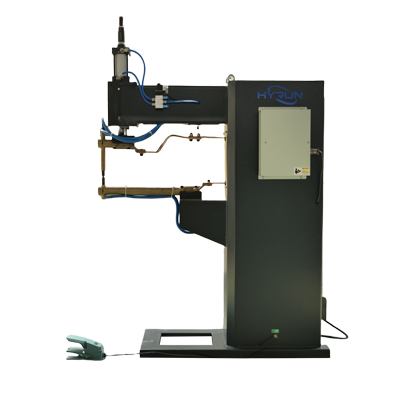
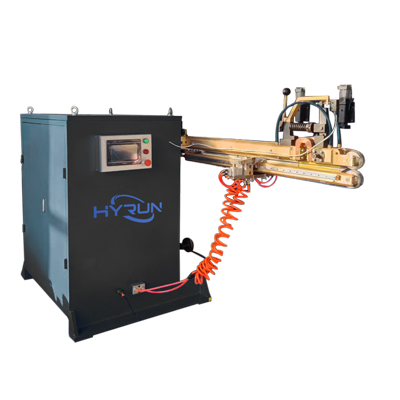
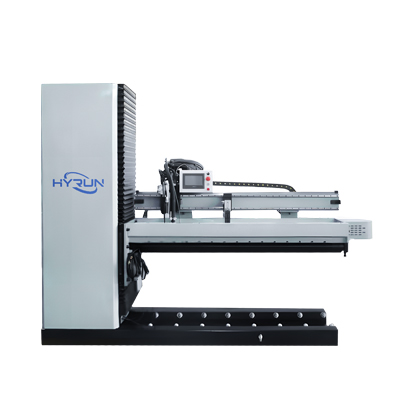
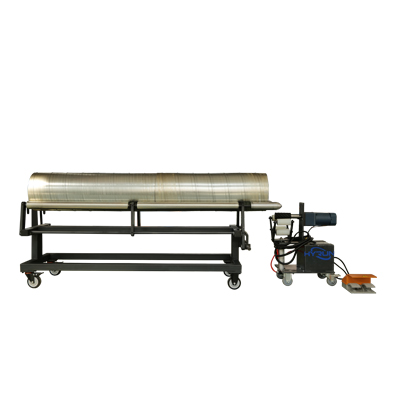
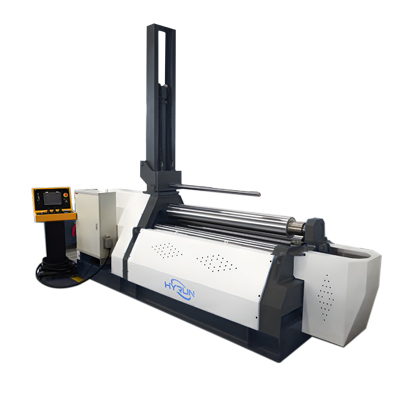
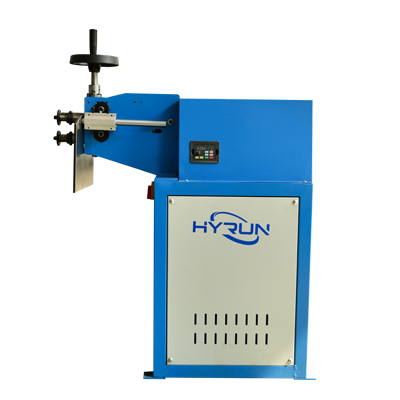
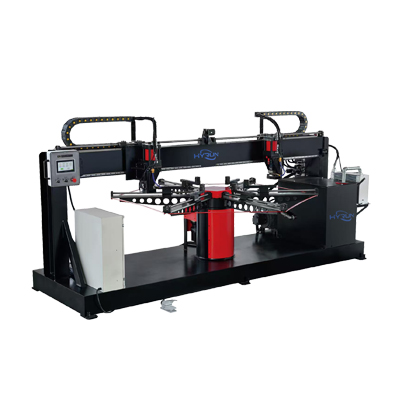
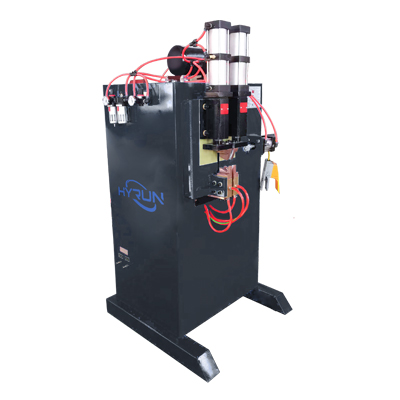
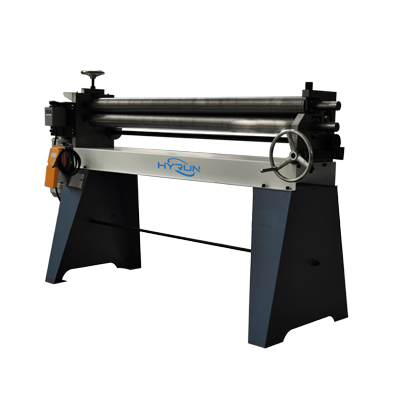
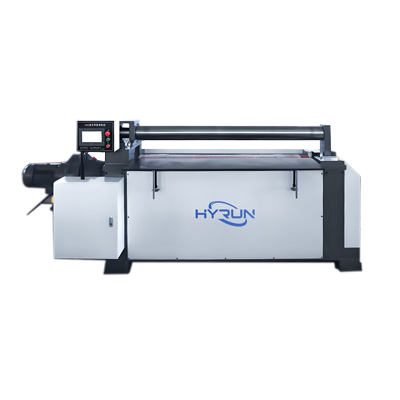
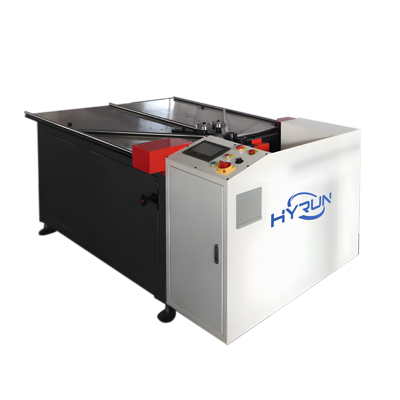
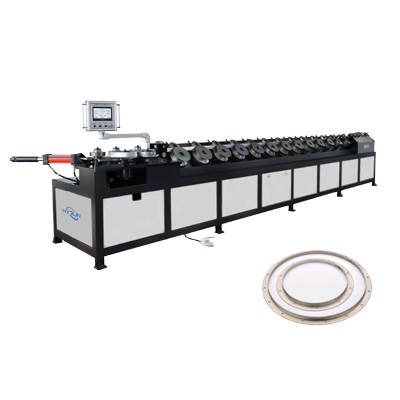
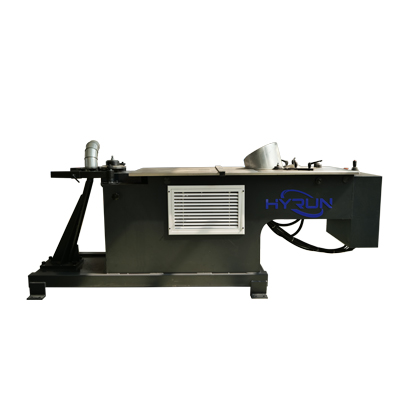
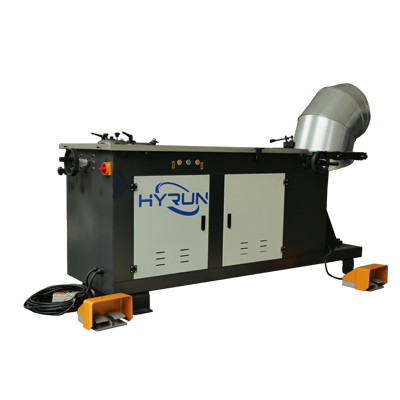
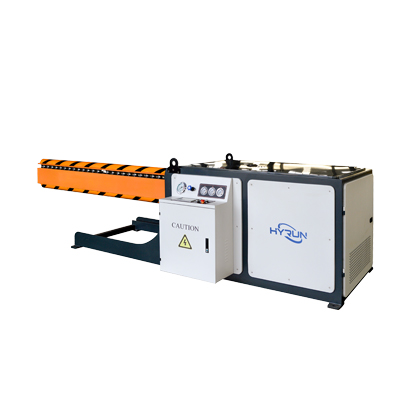
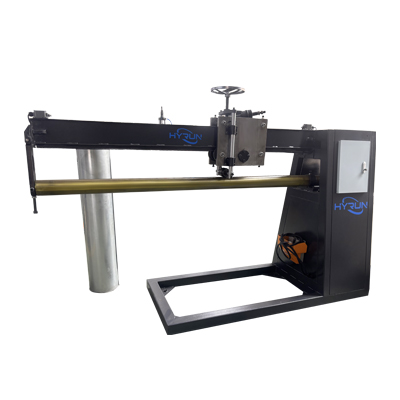
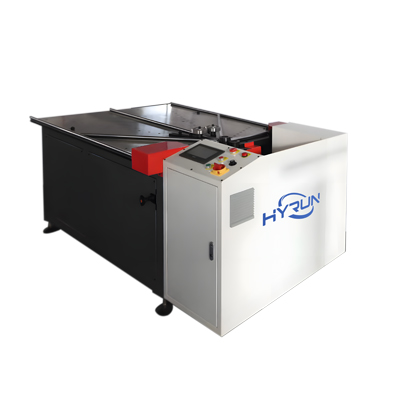
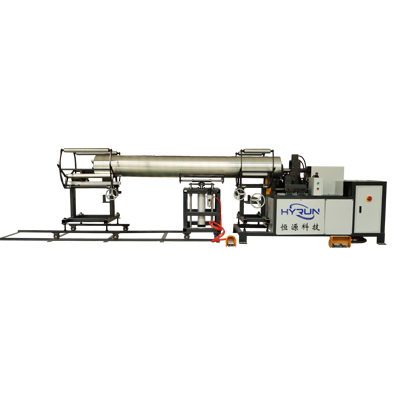
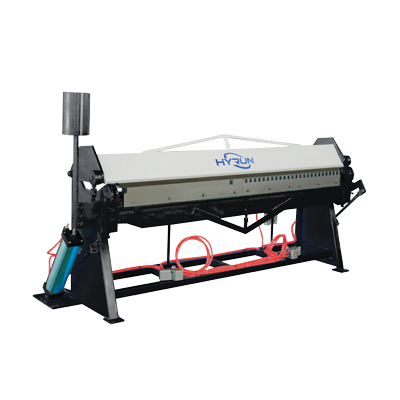
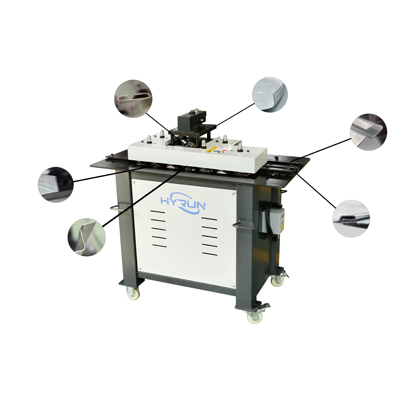
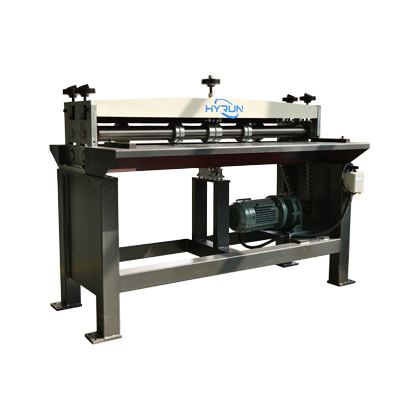
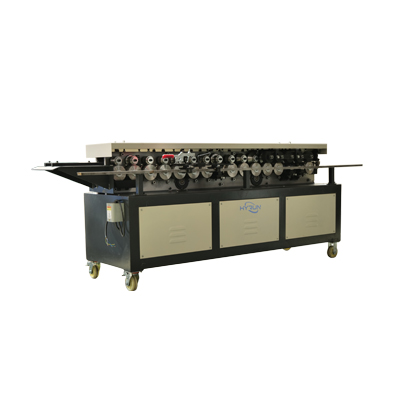
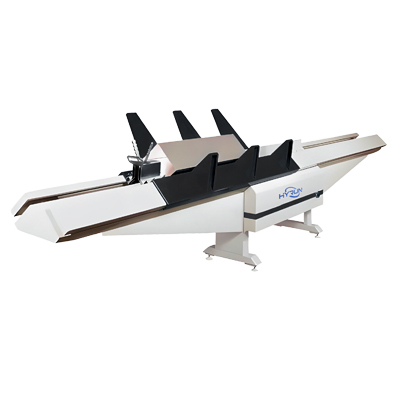
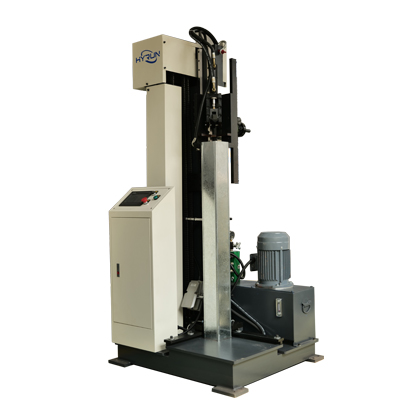
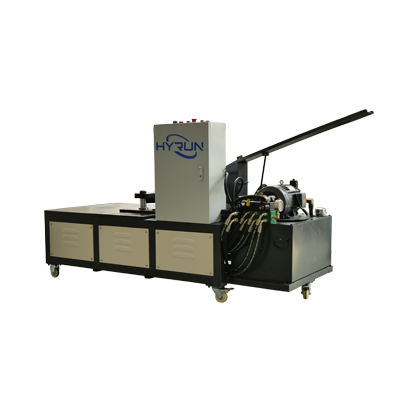
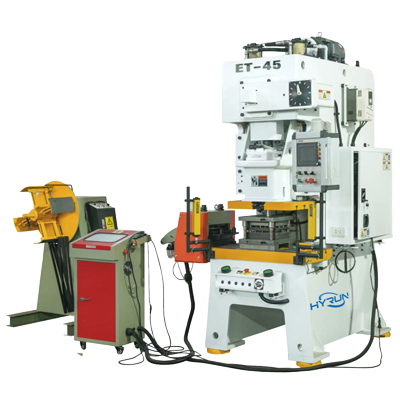
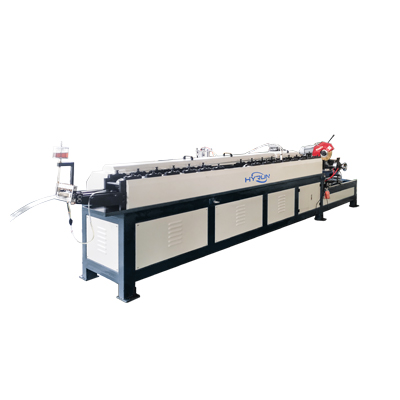
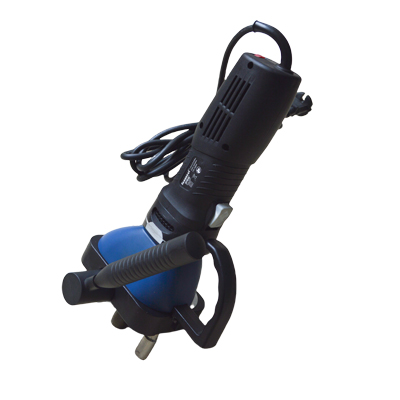
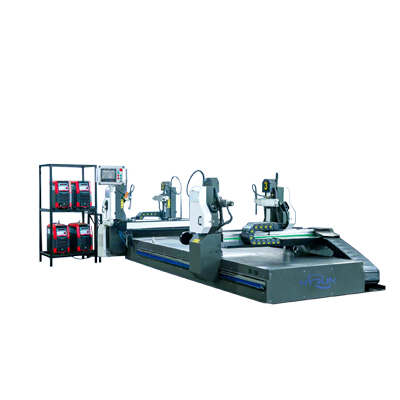
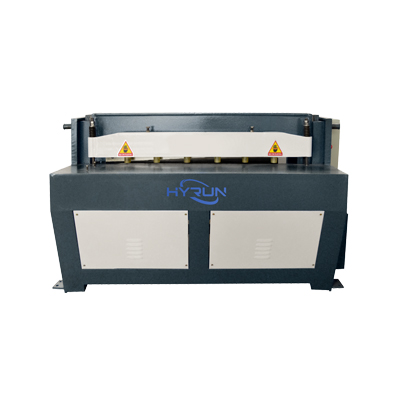
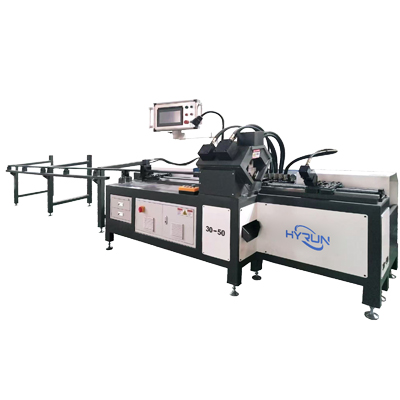
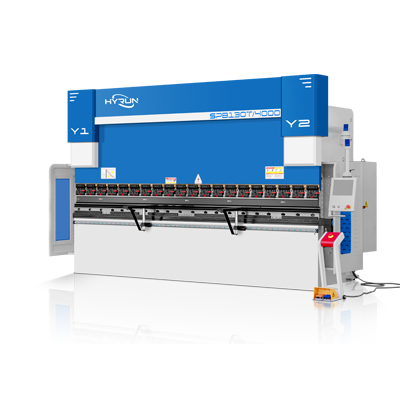
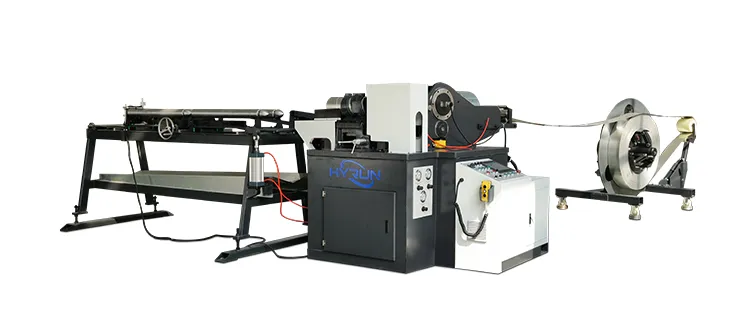
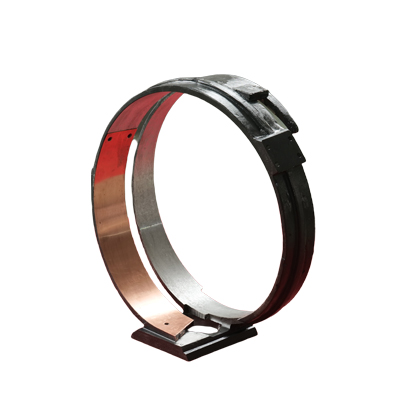
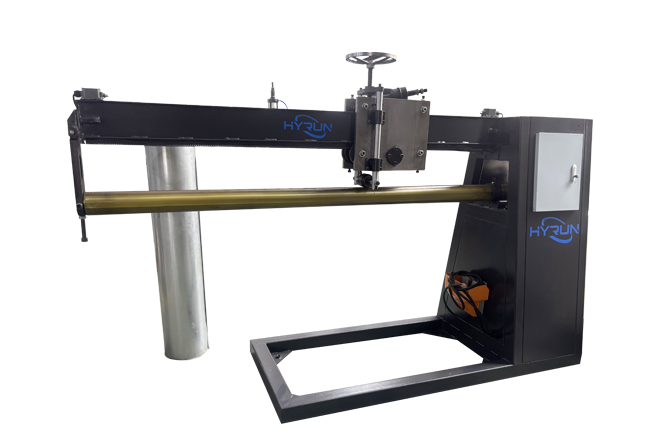
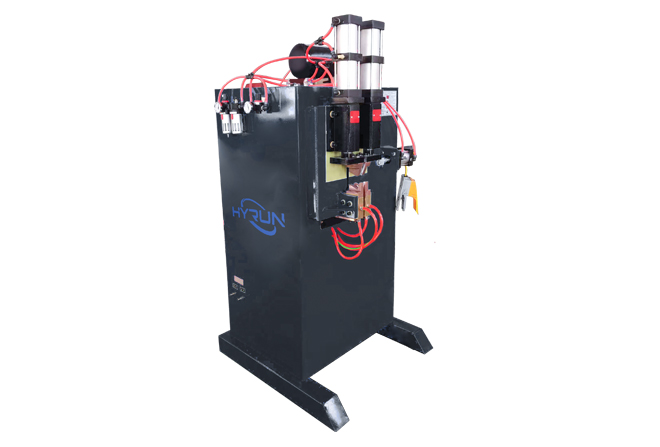
    Specialized duct fitting equipment helps standardize key steps. Hydraulic elbow machines support more repeatable elbow forming. Flange forming machines improve edge consistency. Beading or reeling machines add reinforcement profiles. Spot welding machines improve joining consistency. Seam closing and related round duct equipment help make fitting assembly more predictable.

    The goal is not to remove operator skill entirely. The goal is to turn skill into a repeatable process that can be taught, inspected, and improved. When machines handle the heavy and repetitive forming work, operators can focus more on setup, checking, and order coordination.

    This is especially useful for manufacturers handling mixed orders, custom sizes, and urgent project changes.


    WORKFLOW

    Fittings should be planned together with duct sections

    One reason fittings delay projects is that they are sometimes treated as a separate afterthought. Straight duct sections may be produced first, while elbows, reducers, and connection parts are prepared later. This can create a mismatch between what is ready in the warehouse and what the installation team actually needs.

    A better approach is to plan fittings together with related duct sections. If a project is organized by floor, zone, system, or air handling unit, the fittings for that area should be produced, checked, labeled, and packed with the matching duct sections.

    This requires communication between drawing review, material planning, machine operation, inspection, and packing. It also requires a workshop layout where fitting stations are not isolated from the main production route.

    When fitting workflow is connected to the full order, delivery becomes easier to manage and site installation becomes smoother.


    PROFITABILITY

    Better fitting production protects margins in project-based work

    Fittings can quietly reduce project profit. Rework, repeated trial pieces, manual correction, missing parts, and urgent remakes all consume material and labor. Because fittings are often smaller than straight ducts, their cost can be underestimated during quotation and production planning.

    Factories that track fitting-related waste and delay often discover that the problem is not one large mistake, but many small corrections. A flange is remade, an elbow is adjusted, a welded part needs cleaning, a fitting is missing from the delivery batch, or a profile does not match the drawing.

    Improving equipment and workflow reduces these hidden costs. It also helps the factory quote more confidently, because managers understand which fitting types require more time, tooling, and inspection.

    In competitive markets, this matters. A supplier with strong fitting capability can support more complex projects without relying only on low price.


    BUYER CHECKLIST

    What duct factories should evaluate when upgrading fitting production

    Before investing in fitting equipment, manufacturers should review which fitting types cause the most delay or rework. The answer may be elbows, flanges, welded parts, reducers, beading profiles, or simply poor coordination between fitting production and packing.

    A practical upgrade plan should match equipment selection with real production pain points. Not every factory needs the same machines, but every factory benefits from understanding how fittings affect delivery.


    Buyer checklist

    • List the fitting types most frequently produced: elbows, reducers, branches, flanges, end caps, seams, or welded parts.

    • Identify which fitting process creates the most rework or waiting time.

    • Confirm common material types, sheet thickness, duct diameter range, and angle requirements.

    • Check whether tooling changeover is suitable for mixed orders.

    • Plan inspection and labeling so fittings are matched with related duct sections.

    • Consider future project types before selecting machine size and automation level.


    HYRUN NOTE

    How HYRUN can support a complete fitting production route

    HYRUN can position duct fitting production as part of a complete HVAC fabrication solution. Instead of discussing only straight duct output, HYRUN can help buyers review how elbows, flanges, ribs, seams, welded parts, and accessories move through the workshop.

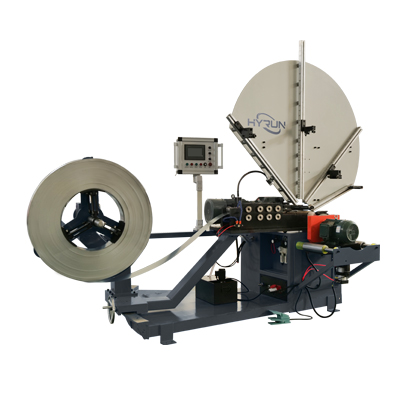
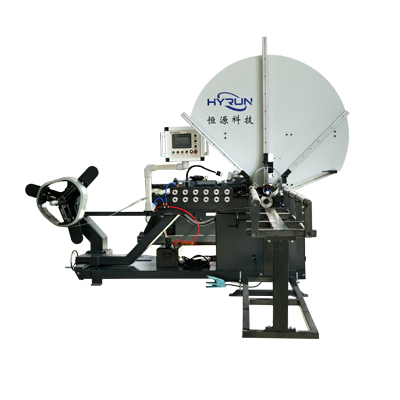
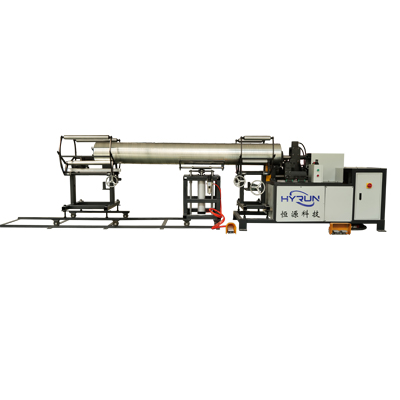
    This creates a more practical equipment conversation. A customer may need a spiral duct machine, but may also need a flange forming machine, hydraulic elbow machine, beading machine, welding machine, or related round duct equipment to complete the production route.

    By understanding the buyer's product mix, material range, common fittings, production volume, and project delivery method, HYRUN can recommend a more balanced machinery solution. This helps customers avoid a situation where straight duct production is fast but fitting production remains slow.

    For marketing, this topic shows that HYRUN understands real duct fabrication, not only machine specifications.


    CONCLUSION

    The factory that controls fittings controls more of the project

    Duct fittings may look like supporting parts, but they often decide whether an HVAC duct order is complete, accurate, and ready for installation. As projects become faster and more demanding, fitting production becomes a competitive advantage.

    Manufacturers that improve fitting workflow, invest in suitable specialized machines, and connect fittings with duct section delivery can reduce bottlenecks and build stronger customer trust. In modern duct fabrication, the value is not only making ducts faster. It is delivering the whole system more reliably.


    References

    • SMACNA HVAC Duct Construction Standards overview: https://www.smacna.org/store/product/hvac-duct-construction-standards-metal-and-flexible-third-edition-50

    • U.S. Department of Energy, Minimizing Energy Losses in Ducts: https://www.energy.gov/energysaver/minimizing-energy-losses-ducts

    • International Energy Agency, Buildings: https://www.iea.org/reports/buildings

    • HYRUN website: https://www.hyruntech.com/


    HYRUN Industry Article | www.hyruntech.com | info@hyruntech.com


    References
    PREV: No information
    We use cookies to offer you a better browsing experience, analyze site traffic and personalize content. Part of the tracking is necessary to ensure SEO effectiveness,
    By using this site, you agree to our use of cookies. Visit our cookie policy to learn more.
    Reject Accept