EN

Key Features to Consider when Buying an Electric Duct Elbow Machine

Table of Content [Hide]

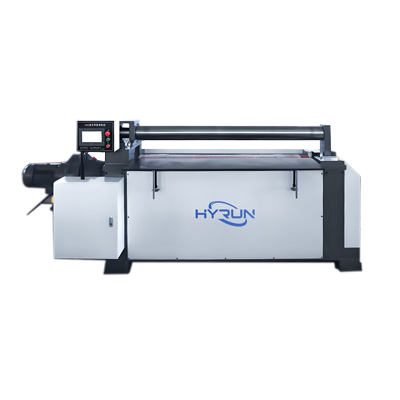
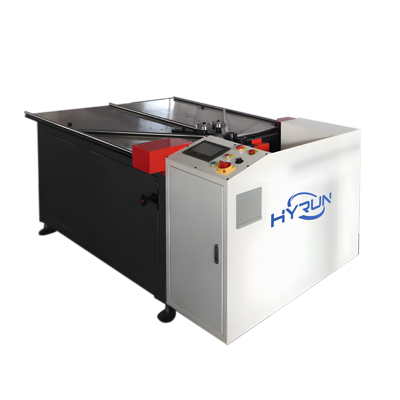
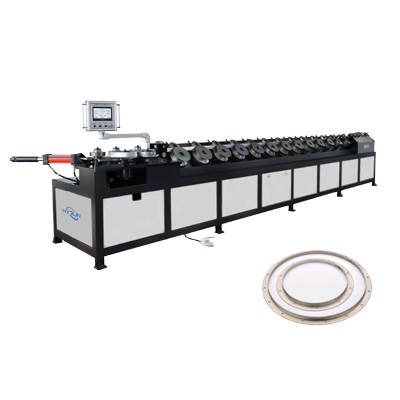
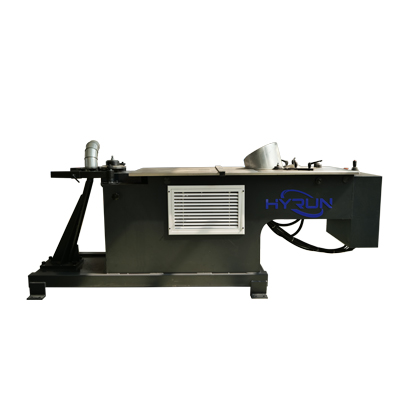
    When looking to purchase an Electric Duct Elbow Machine, there are several important features that must be taken into account to ensure you choose the right equipment for your HVAC system needs. These machines are essential for producing precise and durable duct elbows used in HVAC installations, and their efficiency, versatility, and ease of use directly impact the quality of your ductwork and overall project timelines. Here's a comprehensive guide to the key features to consider before purchasing an Electric Duct Elbow Machine.


    Understanding the Functionality of an Electric Duct Elbow Machine


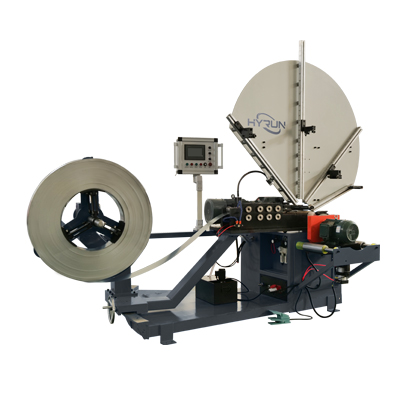
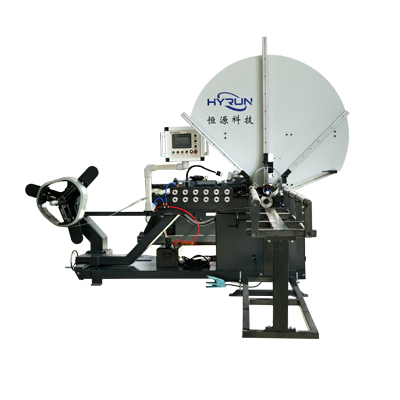
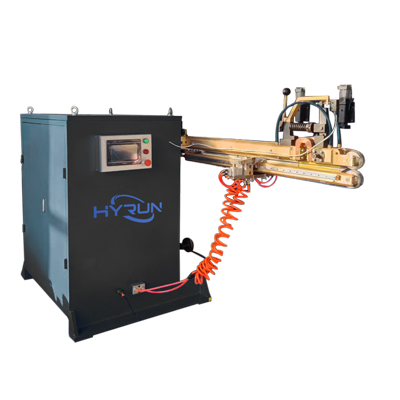
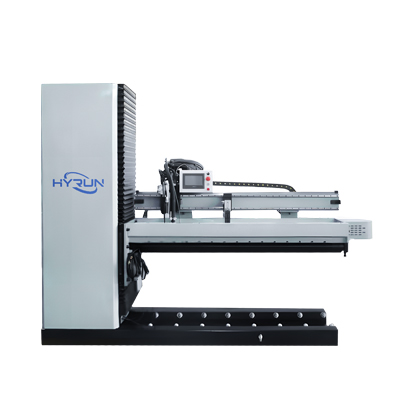
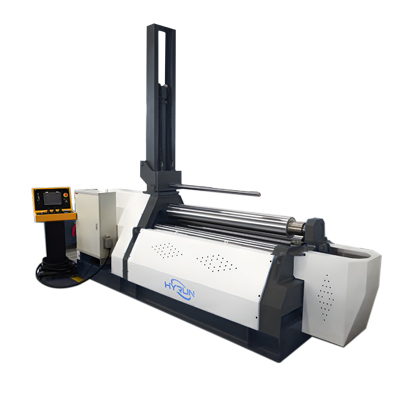
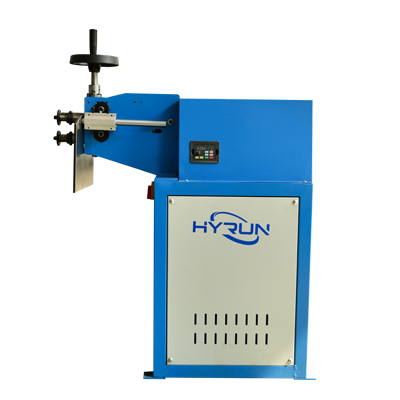
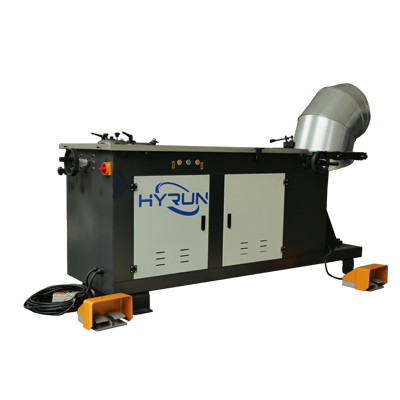
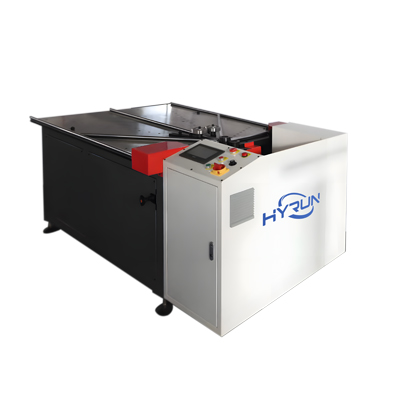
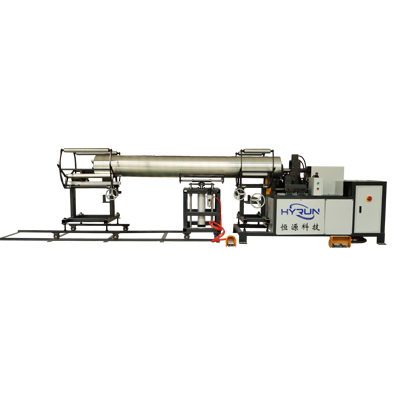
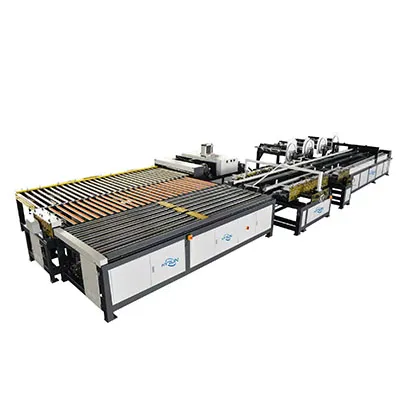
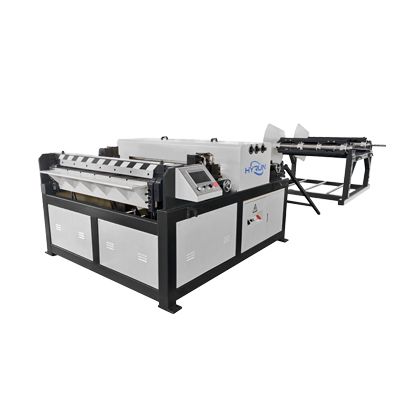
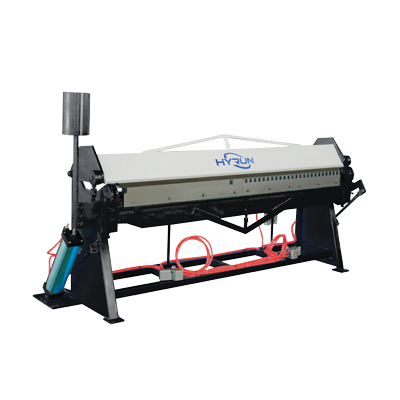
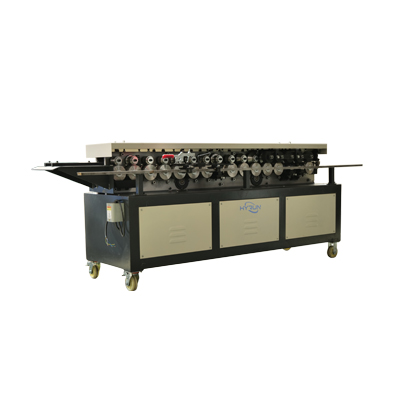
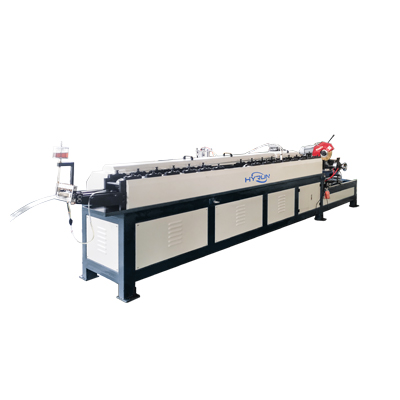
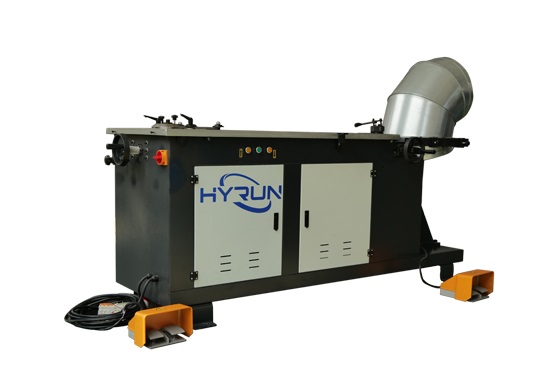
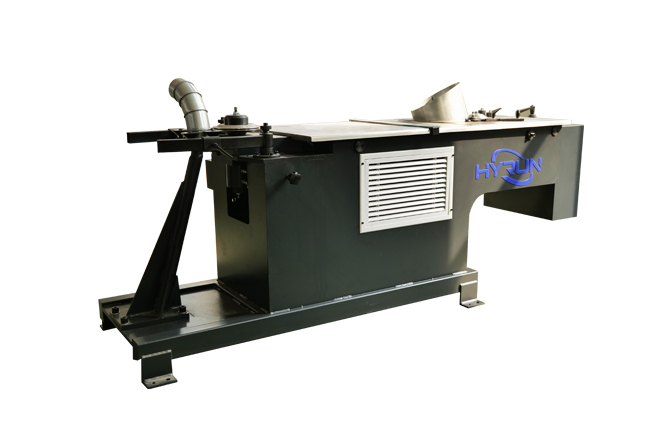
    An Electric Duct Elbow Machine is designed to automate the process of bending sheet metal into various angles required for HVAC systems. It provides precision and consistency, crucial for creating elbows that fit seamlessly into the ductwork. The functionality of the machine plays a significant role in ensuring high-quality production with reduced labor costs and minimal material waste. It is important to evaluate the machine's ability to handle a wide range of duct sizes, materials, and bending angles. A high-quality machine will offer flexibility and adaptability for different projects, ensuring that it can meet specific manufacturing needs, whether for small or large-scale production.

    electric-duct-elbow-machine-2.jpg

    Precision and Accuracy in Bending


    One of the most important features to look for in an Electric Duct Elbow Machine is its precision. The ability to create precise and accurate bends ensures that the ductwork components will fit together properly during installation. Machines with advanced control systems, such as digital displays or touch-screen interfaces, allow operators to adjust settings easily and achieve consistent results. When looking for a machine, consider one with an adjustable bending radius to accommodate different designs, and ensure that the machine is capable of producing smooth, tight, and accurate elbows every time. With the right machine, you'll reduce the need for rework or adjustments during installation, saving both time and money.


    Versatility and Customization Options


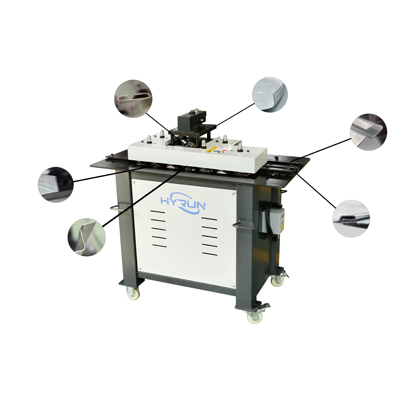
    Electric Duct Elbow Machines can come with a range of customization features, allowing users to modify the machine's settings to create different duct shapes, sizes, and angles. It's essential to choose a machine that offers a variety of settings and tooling options to handle diverse projects, from simple elbows to more complex shapes. For example, machines with interchangeable dies and adjustable tooling can allow you to switch between different sizes and shapes quickly. Having a versatile machine is particularly useful in production environments where flexibility is key. You may also want to look for machines with programmable features that enable users to save and recall specific bending profiles for repeated use.


    Durability and Build Quality


    Durability is another crucial factor when selecting an Electric Duct Elbow Machine. Since these machines are designed for continuous operation in industrial environments, they must be built to withstand high levels of stress, frequent use, and potentially harsh conditions. Machines made with high-quality steel and robust components typically offer longer lifespans and better performance. Pay attention to the design of the machine, ensuring that it has a stable frame, strong mechanical components, and a reliable motor to ensure longevity and smooth operation. A durable machine will not only provide high productivity but also require fewer repairs and maintenance over time, which contributes to its overall cost-effectiveness.


    Comparing Electric Duct Elbow Machines to Manual Bending Methods


    When comparing Electric Duct Elbow Machines to traditional manual bending methods, it's clear that the electric machines offer significant advantages in terms of speed, accuracy, and consistency. While manual methods often require skilled labor and are prone to human error, electric machines provide automated, repeatable results with much less effort. Moreover, electric machines help reduce fatigue and increase throughput, making them ideal for large-scale production or projects with tight deadlines. While manual methods may be more cost-effective for small jobs or occasional use, electric machines offer a long-term solution for high-volume operations where precision and efficiency are paramount. Below is a comparison of the key differences between these two methods:


    Feature

    Electric Duct Elbow Machine

    Manual Bending Methods

    Precision

    High precision with adjustable settings

    Prone to errors and inconsistencies

    Speed

    Faster production with automated processes

    Slower due to manual labor

    Labor Requirements

    Minimal labor required, automated operation

    High labor involvement and skill needed

    Flexibility

    Versatile with multiple customization options

    Limited to basic shapes and sizes

    Consistency

    Consistent output with minimal variance

    Variability depending on skill and technique

    By understanding these differences, you can make an informed decision about which type of machine best suits your needs.

    electric-duct-elbow-machine-1.jpg

    Conclusion: Choosing the Right Electric Duct Elbow Machine


    In conclusion, when purchasing an Electric Duct Elbow Machine, it's vital to consider its functionality, precision, versatility, and durability. With the right machine, you can ensure that your HVAC systems are equipped with high-quality, precisely bent ducts that will fit together seamlessly. Additionally, a well-built machine offers long-term value by improving production efficiency, reducing material waste, and minimizing errors. By comparing the different features and understanding your specific needs, you'll be able to select the machine that provides the best return on investment for your business.


    References:


    · HVAC Systems & Equipment Overview

    · Ductwork Fabrication Techniques

    · Sheet Metal Bending Process Guide


    References
    We use cookies to offer you a better browsing experience, analyze site traffic and personalize content. Part of the tracking is necessary to ensure SEO effectiveness,
    By using this site, you agree to our use of cookies. Visit our cookie policy to learn more.
    Reject Accept